
711 West Broadway, Denver City, TX 79323
For more information about senior living options: (866) 208-4318
Overall Review of Shinnery Oaks Community
Pros
 The staff works as a team to meet each resident's needs.
- Each resident feels like part of a loving family.
- The lobby is welcoming.
- The nurses and all staff go far beyond their responsibilities, and this is greatly appreciated.
- Those who live and work at Shinnery Oaks are blessed.
Review
This community is best suited for seniors who want to feel part of a loving, family-like environment and who prioritize a tightly coordinated care approach. Shinnery Oaks seems to attract residents and families who value daily interactions with caregivers who operate as a cohesive team, delivering attention that feels personal rather than transactional. The overall tone conveyed by staff interactions is one of warmth and respect, with residents described as feeling like members of a cherished family. A welcoming lobby reinforces a homey first impression, suggesting a setting where hospitality and comfort are as important as the clinical aspects of care. For families seeking reassurance that their loved one will be treated with genuine kindness and consistent caregiver involvement, this community presents a compelling alignment.
Those weighing alternatives should consider options that offer broader clinical depth or more specialized programming. If a senior requires extensive memory-care-focused support, intensive rehabilitative services, or access to a wider network of medical professionals, other communities with larger teams and more specialized units may be worth evaluating. Likewise, if transparency around pricing, service levels, or a fuller spectrum of on-site amenities is a priority, the absence of detail in broad impressions can be a signal to compare with facilities that publish explicit care menus, activity calendars, and cost structures. In short, Shinnery Oaks excels in relational care; for families seeking breadth of clinical services or highly varied programming, exploration beyond this community is prudent.
The defining strengths, team-based care, the sense of belonging for each resident, a welcoming lobby, and staff who go beyond the call of duty, form a powerful offset to common concerns about care environments. When staff function as a well-coordinated unit, responses to requests and changes in condition tend to be timely, reducing anxiety for residents and families alike. The description that nurses and other staff “go far beyond their responsibilities” signals depth of engagement, which translates into more personalized attention, better continuity of care, and fewer gaps during shift changes. The “loved family” atmosphere directly mitigates fears about isolation or neglect, making daily life feel safer, more predictable, and more emotionally supported.
In practice, the practical implications of this culture are meaningful. A team that communicates well across shifts can adapt quickly to evolving needs, whether a routine medication adjustment, a mobility concern, or a late-arriving appointment. The social ambiance, substantial enough to be described as a family, often enriches daily life with genuine interactions, which supports emotional well-being and can improve appetite, mood, and participation in activities. A welcoming lobby is not merely cosmetic; it signals to visitors and residents alike that hospitality and attentiveness permeate the daily experience. For families prioritizing relational quality and dependable staff presence, these factors frequently translate into lower stress and clearer confidence in daily caregiving.
Nevertheless, the limited public feedback, two reviews, both glowing, means the full picture remains underdeveloped. The lack of documented concerns does not eliminate the need for due diligence. Prospective families should verify key practical details: exact care levels offered on-site, availability of specialty services (rehab, memory care, physician access), staffing ratios, meal quality, transportation options, and transparent pricing. A personal tour and candid conversations with administrators and frontline staff are essential to confirm that the experiential strengths described align with ongoing needs, scheduling realities, and financial expectations. In all honesty, the short review sample invites careful cross-checking rather than complacent acceptance.
Bottom line: Shinnery Oaks presents a compelling fit for families seeking warmth, close-knit staff engagement, and a home-like atmosphere where residents are treated with real respect and personal attention. The strongest attraction is the demonstrated team cohesion and the sense that every resident is valued as part of a family rather than a number. Those whose priorities include a robust clinical footprint, extensive specialized programs, or highly transparent pricing should explore alternatives to ensure alignment with long-term medical and logistical needs. A disciplined approach, tour, targeted questions, and references, will reveal whether this community’s relational strengths can fully meet the care goals and financial realities of the resident’s next chapter.
 60 resident community capacity
 Skilled Nursing Facility
 Air-conditioning
 Beauty salon
 Cable or satellite TV
 Computer center
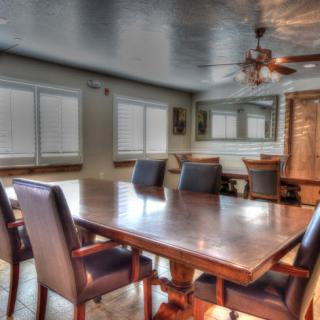
 Dining room
 Fitness room
 Fully furnished
 Gaming room
 Garden
 Housekeeping services
 Kitchenette
 Move-in coordination
 Outdoor space
 Private bathrooms
 Restaurant-style dining
 Small library
 Telephone
 Wellness center
 Wi-Fi/high-speed internet available
 Community operated transportation
 12-16 hour nursing
 24-hour call system
 Activities of daily living assistance
 Assistance with bathing
 Assistance with dressing
 Assistance with transfers
 Diabetes diet
 Medication management
 Mental wellness program
 Special dietary restrictions
 Concierge services
 Planned day trips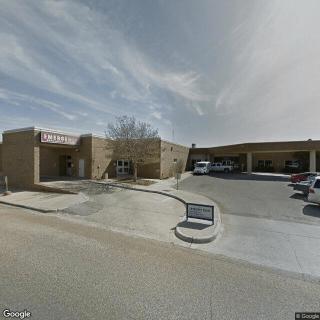


 Managing Nursing Home Expenses After Medicare Coverage Ends
 Is a Geriatric Care Manager the Right Choice for Your Family?
 Compassionate Conversations: How to Comfort Someone Who Is Grieving