
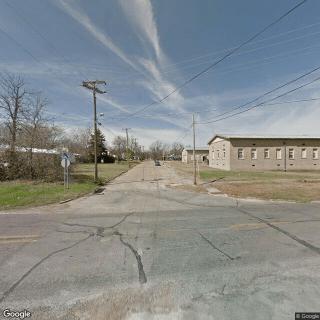
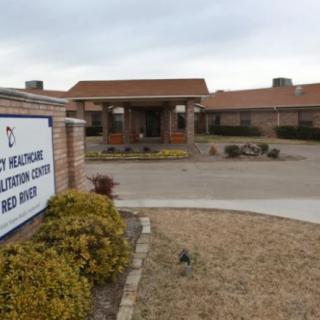
12520 Fm 1840, De Kalb, TX 75559
For more information about senior living options: (866) 208-4318
Overall Review of Ponderosa Nursing And Rehabilitation Center
Pros
 The communication has been great.
- The staff are friendly and caring.
- The facility is professionally run.
- The staff were informative, helpful, and caring toward their patients.
- The nursing staff on the night shift seemed very caring.
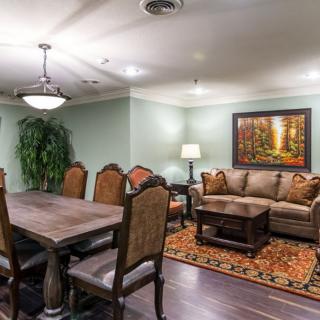
- The facility is very clean and updated.
- Residents seemed very upbeat and satisfied with their stay.
Cons
 The staff are no good and lazy and do not pay attention to residents.
- Residents have been hurt and sent to the ER multiple times, with little action from authorities.
- The facility is described as a zero-star establishment.
- They allow patients to sleep outside in wheelchairs with no supervision.
- The posting of residents' pictures without consent breaches their privacy.
- The staff are rude and neglectful.
- The nurses appear overworked and understaffed, increasing the risk of mistakes.
- Some management staff are rude and unwilling to help or speak with family.
Review
This community is best suited for families seeking a budget-conscious option where active, hands-on advocacy from relatives or guardians is expected and relied upon to safeguard quality of care. It serves residents who can tolerate variable staffing and supervision, and who can commit to frequent oversight, clear communication, and rapid escalation of concerns. For an elderly adult who benefits from predictable, consistently attentive care and rigorous safety standards, this facility is unlikely to be the first choice.
Those who should seriously consider alternatives include families prioritizing reliable 24/7 staffing, strict safety enforcement, and respectful, professional management. Several reviews flag understaffing and overworked nurses, increasing risks of errors or missed cues in urgent situations. Privacy and dignity have also been questioned when photos are posted without consent, and when residents appear to be sleeping outside unsupervised. For residents with complex medical needs, memory-care requirements, or a high expectation for consistent, proactive accountability from leadership, other options are typically a smarter bet.
The strongest positives point to a facility that is clean, relatively well maintained, and professionally owned, with some staff members described as caring, friendly, and helpful in guiding families through logistics. Night-shift nurses, in particular, receive favorable notes for their attentiveness, and there are experiences of clear, communicative staff members who are willing to assist. A few reviewers also describe a sense of upbeat atmosphere and residents who appear satisfied with their daily environments, which suggests that when staffing is adequate and supervision is present, the setting can function well and feel competent on paper.
However, the main concerns repeatedly dominate the overall impression. The most consequential issues are staffing levels and the associated risk of rushed, inattentive care, which breeds frustration and safety concerns for residents. Reports of residents being left in exposed outdoor spaces or left unsupervised in wheelchairs, along with enforcement gaps around non-smoking policies, underscore fragile safety nets. Privacy breaches and dismissive or rude management further erode trust, and basic care elements, such as bedding being left unchanged in some rooms, signal inconsistency in daily routines. Taken together, these factors limit the facility’s ability to reliably meet residents’ essential needs.
In weighing pros against cons, the positives offer limited offset unless a family will implement rigorous, ongoing oversight and demand improvement in staffing and safety practices. Cleanliness and professional presentation matter, but they do not replace the critical requirement for steady, compassionate caregiving and accountable leadership. For families willing to invest time and coordinate with administrators, there is a pathway to a workable arrangement; for anyone seeking dependable, high-integrity daily care without constant monitoring, this is a facility where alternatives should be explored first.
Practical next steps include arranging visits across multiple shifts to observe caregiving dynamics firsthand, posing direct questions about staff ratios, turnover, and incident follow-ups, and requesting the latest state inspection reports for transparency. Families should inquire about how privacy and resident autonomy are protected, how outdoor and public-space supervision is enforced, and what concrete plans exist to address reported bedding and hygiene concerns. In the end, this community should be approached as a potential fit only for those prepared to be deeply involved in daily oversight, with clear expectations set for steady improvements and measurable safety commitments.
 110 resident community capacity
 Skilled Nursing Facility
 Air-conditioning
 Beauty salon
 Cable or satellite TV
 Computer center
 Dining room
 Fitness room
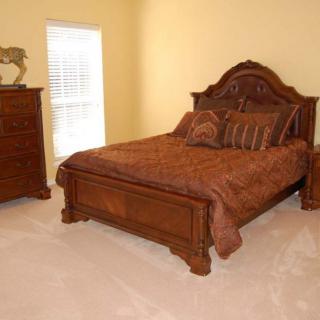
 Fully furnished
 Gaming room
 Garden
 Housekeeping services
 Kitchenette
 Move-in coordination
 Outdoor space
 Private bathrooms
 Restaurant-style dining
 Small library
 Telephone
 Wellness center
 Wi-Fi/high-speed internet available
 Community operated transportation
 12-16 hour nursing
 24-hour call system
 Activities of daily living assistance
 Assistance with bathing
 Assistance with dressing
 Assistance with transfers
 Diabetes diet
 Medication management
 Mental wellness program
 Special dietary restrictions
 Concierge services
 Planned day trips




 Effective Strategies for Keeping Seniors' Minds Active: A Deep Dive into Brain Games and Apps
 In-Depth Look at the VA Aid and Attendance Program
 Nurturing Our Loved Ones: A Daughter's Journey in Caring for Her Mother