
603 East Plantation Road, Clute, TX 77531
For more information about senior living options: (866) 208-4318
Overall Review of Clute Long Term Care Partners
Pros
 The staff took good care of her and provided three warm meals daily.
- The facility is clean and safe.
- The staff showed her love and attention.
- The nurses gave her medications on time.
- Housekeeping cleaned her room daily.
- Fresh linens were provided daily.
- Overall, the experience was great.
Cons
 The reviewer would give no stars and believes the state should inspect the facility for several days.
- The reviewer claims staff never answer the phones.
- The reviewer criticizes the administrator, alleging his solution to problems is to send residents back where they came from.
- The reviewer describes a rude phone operator who told them to call the state and then hung up after multiple calls.
- The reviewer states the facility is the worst in Brazoria County and warns others not to place loved ones there, saying they will regret it.
Review
Clute Long Term Care Partners is best suited for families seeking a structured, meal-forward environment where daily routines are the anchor of care and where the elder in residence values consistent nourishment, basic safety, and hands-on attention from staff. This community tends to deliver reliably on daily meals, on-time medications, and clean, orderly spaces, making it a reasonable choice for seniors who want predictable supervision and a straightforward care plan. It suits residents who are comfortable with a setting that emphasizes routine, familiar faces, and practical daily support rather than highly specialized therapy or aggressively proactive administration.
Those evaluating alternatives should note that administrative responsiveness and communication can be uneven, and that can be a decisive factor for families with urgent needs or high expectations for rapid problem-solving. A few families report frustration with phone access and with administrative handling of concerns, including occasions where concerns were not addressed promptly. For elders who require constant, highly proactive advocacy, rapid escalation of issues, or very transparent, hands-on governance, it pays to examine other options where the front-desk and leadership are consistently accessible and visibly accountable.
The strongest positives are the essentials that families rely on every day. Residents benefit from three daily meals, with caregivers ensuring medications are administered on schedule, and housekeeping that keeps rooms clean with fresh linens available. The caregiving staff is repeatedly described as caring and attentive, and the overall environment is characterized as clean and safe. In short, the basic quality of daily life, nutrition, hygiene, and basic medical support, lands solidly here, providing a dependable foundation for many seniors.
Yet the main drawbacks cannot be ignored. The most persistent red flag is difficulty obtaining timely responses from administrative channels, including phone contact failures and slow problem resolution. A particularly negative account describes being dismissed or redirected by leadership, with claims of being told to involve state authorities. While such views are not universal across every review, they illustrate a tension between front-line care and back-office responsiveness that families must weigh when assessing fit.
These pros and cons do not exist in isolation; they interact to shape practical outcomes. For seniors where daily routine and meal quality drive satisfaction, the solid caregiving and clean, safe surroundings can offset frustrations with occasional communication glitches, provided, of course, family engagement remains strong and issues are monitored closely. Conversely, for families needing constant, transparent oversight or urgent escalation procedures, the variability in administrative responsiveness may overwhelm the otherwise reliable caregiving foundation. The overall rating leaning high (most reviews at the top end) signals broad satisfaction, but the tail of negative experiences is a meaningful signal to investigate further before committing.
The practical next steps are clear. Schedule a thorough tour and observe not only the care routines but how staff, administrators, and front desk interact with prospective residents and families. Ask to speak with current residentsā€™ families about the accessibility of leadership and the speed of issue resolution. Inquire about staffing levels during peak hours, medication administration workflows, and how concerns are logged and escalated. If responsiveness and advocacy are non-negotiable, compare Clute Long Term Care Partners with nearby facilities that demonstrate more consistent administrative engagement. For families prioritizing meals, safety, and daily caregiving reliability, this community remains a solid option, provided expectations on communication are aligned and monitored from move-in onward.
 93 resident community capacity
 Skilled Nursing Facility
 Air-conditioning
 Beauty salon
 Cable or satellite TV
 Computer center
 Dining room
 Fitness room
 Fully furnished
 Gaming room
 Garden
 Housekeeping services
 Kitchenette
 Move-in coordination
 Outdoor space
 Private bathrooms
 Restaurant-style dining
 Small library
 Telephone
 Wellness center
 Wi-Fi/high-speed internet available
 Community operated transportation
 12-16 hour nursing
 24-hour call system
 Activities of daily living assistance
 Assistance with bathing
 Assistance with dressing
 Assistance with transfers
 Diabetes diet
 Medication management
 Mental wellness program
 Special dietary restrictions
 Concierge services
 Planned day trips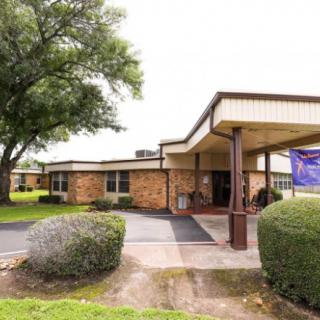







 9 Stimulating Memory Activities for Seniors: Puzzles, Cards, and Much More
 Managing Nursing Home Expenses After Medicare Coverage Ends
 Is a Geriatric Care Manager the Right Choice for Your Family?