
1200 7Th Street Nw, Childress, TX 79201
For more information about senior living options: (866) 208-4318
Overall Review of Childress Healthcare Center
Pros
 The staff at Childress Healthcare Center are professional and kind, providing excellent care.
- The center is described as a wonderful place with dedicated workers who take pride in their care.
- Donna Brown, the activity director, is exceptional.
- The nurses deliver high-level, attentive care that can give patients a second chance at life.
- Reynalda is described as a maternal presence who treats patients with respect and lovingkindness.
- The staff create stability and a sense of home for residents.
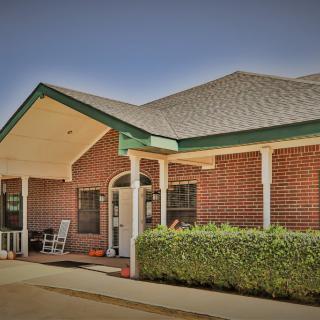
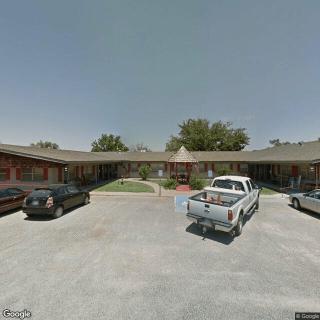
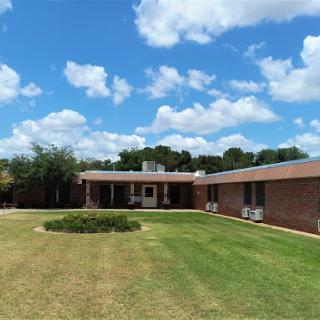
- The facility feels welcoming and well maintained, both outside and inside.
- The center is frequently recommended and described as five stars.
Cons
 The facility is not a place to put loved ones.
- The acuity of some patients is far too great for the staff they have.
- Corporate continues to send patients from other towns that no one else will accept.
- There is not enough staff to provide adequate care to the patients.
- They only care about numbers and not people.
Review
Childress Healthcare Center in Childress, TX is best suited for families that prioritize a hands-on, nurse-led skilled environment where residents develop close, trusting relationships with staff and receive daily, hospital-level care in a warm, home-like setting. The community is clearly built around personal care, with multiple reviews highlighting the depth of caregiver commitment and the sense that residents are treated as family. With a 4.7 rating from 28 reviews (26 five-stars and 2 one-stars), the impression is of a facility that consistently delivers compassionate service and practical, day-to-day support, even as it operates within the realities of a busy care center.
Those who should consider alternatives are mainly families assessing very high-acuity needs or concerns about staffing stability. A minority of reviews raises red flags about whether the staff-to-resident ratio keeps pace with advanced medical demands, suggesting that some patients may require more hands-on attention than the current staffing model can reliably provide. Prospective residents whose loved ones require constant, intensive supervision, or who worry about turnover and resource allocation driven by corporate decisions, may want to compare options that emphasize larger staffing pools or different ownership structures.
The strongest positives center on the caregiving culture and the competency of the clinical team. Instances of nurses delivering daily, focused care, such as regular wound or infection management and proactive medical attention, are repeatedly cited. Several residents and families recount deep, personal bonds with caregivers who treat patients with respect, kindness, and a sense of familial responsibility. The sentiment that staff “care like family” permeates many accounts, reinforced by reports of consistent attention from the activity director and other supervisory personnel. In short, for families who value relational care and clinical attentiveness, the pros are highly persuasive.
The principal drawbacks revolve around questions of capacity and sustainability. The most pointed critique centers on acuity: the mix of higher-need residents can stretch staff resources and create situations where care feels insufficient to some observers. Related concerns touch on staffing stability and pay, with critiques suggesting that frontline wages and retention pressures can influence coverage and morale. There is also an undercurrent of caution about corporate practices and patient placement decisions that may not align with every family’s expectations, particularly when residents are transferred in for care from other towns. These are meaningful cautions that cannot be dismissed when evaluating risk.
Yet the favorable elements often offset these concerns for a clearly defined segment of families. The benefit of a close-knit caregiving team translates into prompt response times, more personalized attention, and a sense of continuity that is hard to replicate in larger, more impersonal settings. A homey interior and well-kept exterior contribute to comfort and dignity, while an active program, therapy, social events, and meaningful interaction, supports emotional well-being and reduces isolation. When the staff perspective is trusted, the environment becomes a compelling fit for seniors who want reassurance through daily contact with caregivers who know their history and preferences.
For families moving forward with this option, practical due diligence matters. Prioritize a live visit to observe direct caregiver-resident interactions, ask hard questions about staff-to-resident ratios during different shifts, and review how therapy and medical reviews are integrated into daily routines. Engage with activity staff to gauge how meaningful engagement translates into actual experiences for residents. Seek candid conversations about retention strategies, wage competitiveness, and how the facility allocates resources during peak times. In the right light, Childress Healthcare Center offers a compelling blend of skilled care and personal warmth; in a scenario where acuity is exceptionally high or staffing pressure is a dominant concern, though, it makes sense to compare a few alternatives to balance safety, predictability, and peace of mind for the loved one.
 120 resident community capacity
 Skilled Nursing Facility
 Air-conditioning
 Beauty salon
 Cable or satellite TV
 Computer center
 Dining room
 Fitness room
 Fully furnished
 Gaming room
 Garden
 Housekeeping services
 Kitchenette
 Move-in coordination
 Outdoor space
 Private bathrooms
 Restaurant-style dining
 Small library
 Telephone
 Wellness center
 Wi-Fi/high-speed internet available
 Community operated transportation
 12-16 hour nursing
 24-hour call system
 Activities of daily living assistance
 Assistance with bathing
 Assistance with dressing
 Assistance with transfers
 Diabetes diet
 Medication management
 Mental wellness program
 Special dietary restrictions
 Concierge services
 Planned day trips

 Managing Nursing Home Expenses After Medicare Coverage Ends
 Is a Geriatric Care Manager the Right Choice for Your Family?
 Compassionate Conversations: How to Comfort Someone Who Is Grieving