For more information about senior living options: (866) 208-4318
4 from 61 reviews
5 stars
40
4 stars
6
3 stars
0
2 stars
4
1 stars
11
Overall Review of New Hope Manor
common27 reviews mention this
Staff feel genuinely attentive
Residents and families consistently describe a kind, attentive care team that follows through.
Across many reviews, people describe staff who take concerns seriously, welcome families, and communicate with respect. Multiple reviewers highlight day-to-day responsiveness—helping with needs, staying on top of care plans, and providing updates. Even when reviewers note tradeoffs, they most often still describe meaningful involvement from the nursing, therapy, and activities teams.
differentiator12 reviews mention this
Rehab and care support
Reviews frequently point to rehab therapy and ongoing medical support that helps residents regain strength.
Several families describe progress after admission, including getting back up and moving through therapy and working toward mobility. Reviews also mention care continuity for conditions like dementia and hospice-related transitions, with staff coordinating help while residents settle into a routine. While not every experience is described positively, the most consistent support theme is that therapy and nursing help residents work toward improvement.
common5 reviews mention this
Clean facility and better odor
Many reviewers mention the building feels clean and avoids the strong nursing-home smell some expect.
Multiple reviews say the facility is well kept, clean, and smells fresh rather than unpleasant. A few reviewers also explicitly contrast the odor with other facilities they have seen. The one off review that reports a bad smell stands out against the broader cleanliness-and-odor feedback.
common7 reviews mention this
Planned activities keep residents engaged
Reviews often describe activities that keep residents busy, including group events and themed days.
A number of reviewers mention residents participating in planned activities and programs, with activities like bingo, spa days, and resident-focused engagement. Several also describe an active activities department and ongoing scheduling that helps prevent residents from becoming withdrawn. One reviewer contrasts that by saying they did not see enough activities for residents, so this appears less consistent for everyone.
caveat5 reviews mention this
Care consistency and staffing concerns
Some reviews raise concerns about staffing support and consistent quality of care.
While many reviewers praise the care team, a smaller group reports serious problems, including lack of admin support, unsafe staffing, and concerns about whether residents were properly attended to. A few comments describe negative outcomes tied to falls or medical needs not being handled appropriately, and others describe feeling that staff did not respond as expected. These reports are strong enough that a prospective family should plan to ask detailed questions and set clear expectations.
How we summarize
Counts show how many written reviews mention each theme; a review can touch several themes, and only frequently mentioned themes are displayed.
Features
Housing
93 resident community capacity
Types of Care
Skilled Nursing Facility
Amenities
Air-conditioning
Beauty salon
Cable or satellite TV
Computer center
Dining room
Fitness room
Fully furnished
Gaming room
Garden
Housekeeping services
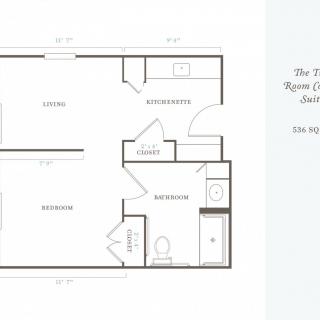
Kitchenette
Move-in coordination
Outdoor space
Private bathrooms
Restaurant-style dining
Small library
Telephone
Wellness center
Wi-Fi/high-speed internet available
Transportation
Community operated transportation
Transportation arrangement
Transportation arrangement (non-medical)
Transportation to doctors appointments
Care Services
12-16 hour nursing
24-hour call system
24-hour supervision
Activities of daily living assistance
Assistance with bathing
Assistance with dressing
Assistance with transfers
Diabetes diet
Meal preparation and service
Medication management
Mental wellness program
Special dietary restrictions
Dining
Diabetes diet
Special dietary restrictions
Activities
Community-sponsored activities
Concierge services
Fitness programs
Planned day trips
Resident-run activities
Scheduled daily activities
Nearby Places of Interest
This area of Cedar Park, Texas offers a convenient and diverse array of amenities suitable for senior living. With multiple cafes, pharmacies, physicians' offices, restaurants, and theaters within close proximity, residents have easy access to essential services and entertainment options. The nearby Cedar Park Regional Medical Center provides quality healthcare facilities, while various parks in the vicinity offer opportunities for outdoor recreation and relaxation. Public transportation options like the MetroRail stations make it convenient for seniors to travel around the area. Additionally, places of worship such as St Vincent De Paul Catholic Church and Jehovah's Witnesses cater to residents' spiritual needs. Overall, this part of Cedar Park provides a well-rounded environment that is welcoming for seniors looking for a comfortable and accessible place to live.
Cafes
HTeaO (0.8 miles)
Starbucks (2.4 miles)
Red Horn Coffee House and Brewing Co. (4.5 miles)
85 C Bakery Cafe USA (4.7 miles)
Starbucks (5 miles)
Summer Moon Wood-Fired Coffee (5.1 miles)
Cuppa Austin (6.4 miles)
Pharmacies
Walgreens (0.9 miles)
Walgreens (1.8 miles)
CVS Pharmacy (3 miles)
Walgreens (3.4 miles)
CVS Pharmacy (3.6 miles)
H-E-B Pharmacy (3.9 miles)
H-E-B Pharmacy (4.6 miles)
Physicians
Westlake Dermatology & Cosmetic Surgery - Cedar Park (1.7 miles)
Palliative care focuses on alleviating distress at any stage of a serious illness and can accompany curative treatments, while hospice care is for those nearing the end of life with a prognosis of six months or less, emphasizing comfort over curative measures. Both prioritize holistic care for patients and families but differ in timing, goals, and scope.
Fecal incontinence, prevalent among older adults, arises from factors like weakened pelvic muscles and nerve damage, significantly affecting well-being and social interactions. Diagnosis involves clinical evaluation and tests to inform tailored treatments, while caregivers and preventive measures can aid in managing the condition effectively.
Anticipatory grief is an emotional response to the impending loss of a loved one, characterized by complex emotions such as sadness and anger, and involves navigating stages similar to those identified by Kübler-Ross. Coping strategies are vital for managing this process, emphasizing compassionate communication, self-care, and support groups while recognizing the cultural influences on grieving.
Get PricingAsk A QuestionSchedule A TourContact Senior Advisor
By clicking submit, you agree to our Partner's Terms of Use. You
also consent to receive calls and texts, which may be autodialed, from our Partner. Your consent is not a condition to
using our Partner's service. Please visit our Partner's Privacy Policy for information about their privacy practices.



 93 resident community capacity
 Skilled Nursing Facility
 Air-conditioning
 Beauty salon
 Cable or satellite TV
 Computer center
 Dining room
 Fitness room
 Fully furnished
 Gaming room
 Garden
 Housekeeping services
 Kitchenette
 Move-in coordination
 Outdoor space
 Private bathrooms
 Restaurant-style dining
 Small library
 Telephone
 Wellness center
 Wi-Fi/high-speed internet available
 Community operated transportation
 12-16 hour nursing
 24-hour call system
 Activities of daily living assistance
 Assistance with bathing
 Assistance with dressing
 Assistance with transfers
 Diabetes diet
 Medication management
 Mental wellness program
 Special dietary restrictions
 Concierge services
 Planned day trips
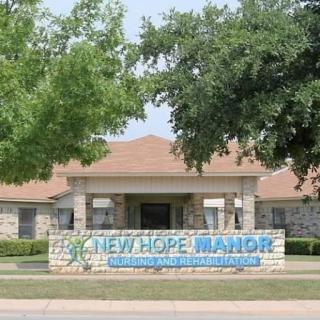
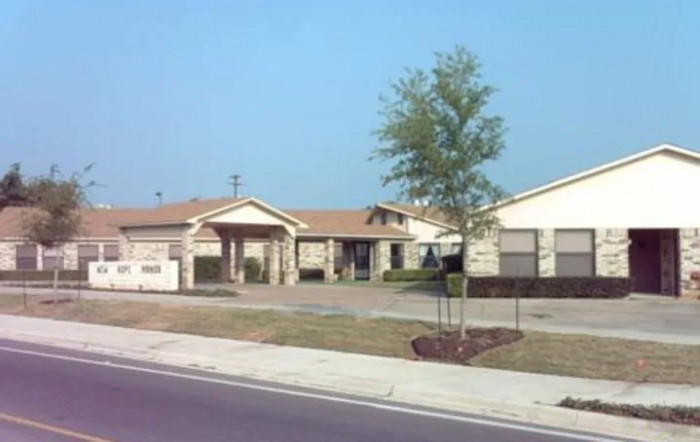
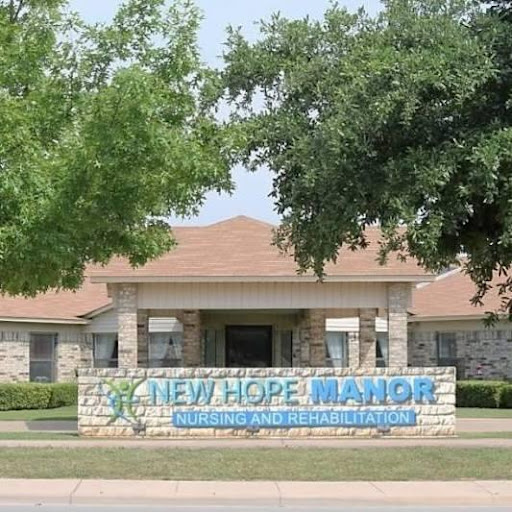
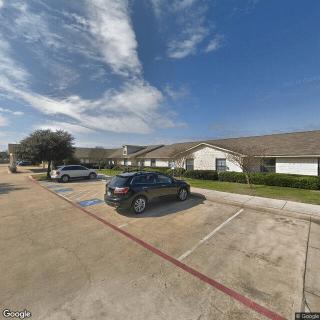
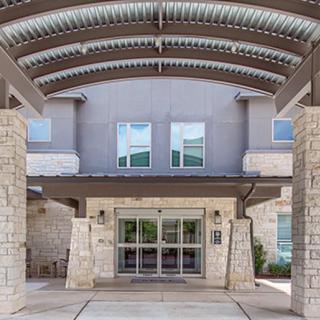
 Friendly, attentive staff in a clean, well-maintained, intimate community with engaging activities and pleasant dining/outdoor spaces.



 Understanding the Nuances of Palliative Care and Hospice: A Comprehensive Exploration
 Fecal Incontinence in Older Adults: A Comprehensive Guide
 Recognizing the Journey: Understanding and Navigating Anticipatory Grief