
1401 Memorial Dr, Bryan, TX 77802
To contact a resident: (979) 776-7521
For more information about senior living options: (866) 208-4318
Overall Review of Sherwood Health Care Facility
Cons
 The patient stayed much longer than doctors had initially predicted due to complications.
- An open wound on the back of the heel prevented discharge until it was fully healed.
- The patient began retaining fluid, requiring adjustments to medications.
- A nighttime aide reportedly slapped the patient out of frustration.
- A police investigation followed, with the accounts described as his word against hers.
- The reviewer advises others to research facilities thoroughly before placing a parent there, cautioning against enduring such an experience.
Review
Sherwood Health Care Facility in Bryan, TX, is best suited for families seeking short-term rehabilitation for an elderly loved one after a health event, particularly when the focus is on interim physical therapy, wound care, and fluid-management oversight. The scenario described suggests a stay driven by a mini-stroke recovery plan with a wound on the heel and the need to fine-tune medications to address edema. In that frame, the facility can deliver the medical attention and routine therapy that such a recovery typically requires, and it can provide the daily structure that helps aftercare progress toward discharge. However, the favorable calculus rests on a safety culture and dependable staff performance that are not reliably demonstrated in the account available.
Those who should consider alternatives are families prioritizing safety, consistent staffing, and a proven track record of respectful resident care. The single, troubling incident documented, an aide slapping a patient during a nighttime assist with the rest room, raises a red flag that cannot be dismissed. Even if the facility can offer competent therapy and wound management, questions about staff accountability, supervision, and the overall care atmosphere are essential. For seniors who require long-term skilled nursing, memory-care support, or guaranteed 24/7 staffing with a robust abuse-prevention program, stronger options with verifiable safety outcomes should be pursued. In short, this community may not be the first choice for families with heightened concern about resident dignity and staff conduct.
The potential benefits do offset some concerns only to the extent that clinical care goals can still be met under supervision. The record shows that medical attention continued during the stay: adjustments to medications aimed at reducing excess fluid, ongoing physical therapy, and attention to a wound that necessitated an extended rehabilitation period. When a care plan centers on shepherding a resident through a healing trajectory, such capabilities are valuable. Yet those benefits are undermined by the reported incident, which calls into question whether the environment is truly safe and whether staff are trained to handle pushback and fatigue without crossing professional boundaries. The net impression is that the positive care activities exist, but the risk to resident safety and dignity remains unacceptably high unless proven otherwise.
The specifics of the incident matter deeply for decision-making. An overnight situation culminated in a caregiver expressing anger and resorting to a punitive physical act, followed by police involvement and an investigation. That sequence is far from a routine adverse event; it signals a breakdown in the fundamental trust needed for a vulnerable person to receive care. Families should not minimize this red flag as an isolated anomaly. Instead, they should demand transparent outcomes from any investigation, immediate corrective actions, and demonstrable changes in staff supervision, discipline, and ongoing training. Until those assurances are in place, the credibility of the facility’s claim to a safe, respectful environment remains in question.
Prospective residents should actively vet the facility with a practical checklist: inquire about staffing ratios, the presence of a night supervisor, and how incidents are reported and resolved. Request documentation on the facility’s safety and quality-improvement programs, recent state survey results, and any corrective-action plans stemming from complaints. Speak with several current or former residents or families to gauge consistency in care, especially around personal care and nighttime assistance. Ask about wound-care protocols, therapist availability, and how long the rehab stays typically last before discharge. The essential aim is to verify that the rehab gains are not compromised by avoidable safety risks and that a culture of accountability replaces any signs of distress or mistreatment.
In the end, this community should be approached with caution. For families needing a secure, consistently managed environment, alternatives that demonstrate a robust safety culture and a transparent track record are advisable. If choosing Sherwood, insist on concrete safeguards: zero-tolerance policies for mistreatment, visible supervision during all shifts, and a credible plan for ongoing staff training and performance monitoring. Until such measures are verified, the balance of risks outweighs the potential rehabilitation advantages, and families should keep looking for a setting where clinical goals can be achieved without compromising resident safety or dignity.
 Skilled Nursing Facility
 Easterwood (5 miles away)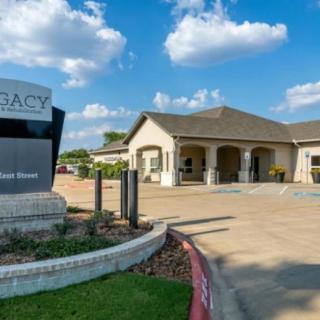
 Extensive on-site amenities and 24/7 care.



 Effective Strategies for Keeping Seniors' Minds Active: A Deep Dive into Brain Games and Apps
 In-Depth Look at the VA Aid and Attendance Program
 Nurturing Our Loved Ones: A Daughter's Journey in Caring for Her Mother