

2345 Manor Dr, Bryan, TX 77802
To contact a resident: (979) 821-7330
For more information about senior living options: (866) 208-4318
Overall Review of St Joseph Manor Assisted Living
Pros
 The facility is described as feeling like a family.
- Residents enjoy living there and have assistance with cooking, cleaning, and laundry, handled excellently by the staff.
- The caretakers are very kind and loving, and the PT and OT therapists are knowledgeable and pleasant to work with.
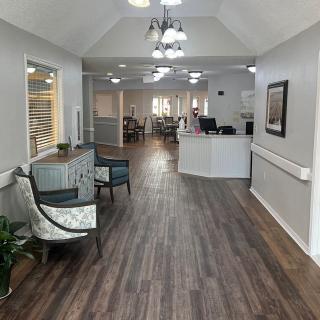
- The facility is kept very clean and well maintained.
- The staff welcome loved ones with open arms and are accommodating and skilled at guiding patients toward a healthier place.
- The PT and OT services are outstanding, providing excellent rehabilitation care.
Cons
 The staff were uncaring and too lazy to do their job.
- Her room smelled strongly of urine.
- She was left sitting in urine for a long time and developed a bed sore.
- She had trouble breathing and it took 2–3 hours for staff to help her.
- They lectured her about not being the only patient.
- They care about the money but not the people they are entrusted to care for.
- The majority of workers are extremely unkind and would rather be anywhere else.
- The call buttons could be ignored for over an hour.
- The food is awful.
Review
St Joseph Manor Assisted Living in Bryan is best suited for seniors who want a homey, family-like environment and reliable help with daily tasks, all without giving up a degree of independence. The model works well for residents who don’t require constant, hands-on nursing but do benefit from housekeeping, meals, and social programming on site. For families navigating post-hospital or rehab transitions, the facility has credible physical and occupational therapy resources that can support a move toward greater independence. The key is to enter with clear expectations: the daily care quality can be variable, and this setting is not the safest match for those needing unwavering, around-the-clock attentiveness.
Alternatives should be seriously considered for seniors who demand consistently compassionate staffing, rapid response to call bells, and stringent hygiene and safety standards. Those with complex medical needs or high mobility challenges may encounter gaps here. Families prioritizing consistently high-quality meals and a staff that never seems stretched thin will likely find this environment under-delivered. If reliability in basic day-to-day care cannot be compromised, or if a resident’s comfort hinges on predictable staffing, other options are worth evaluating before committing.
On the positive side, several residents and families report a genuine sense of community and approachable staff in key moments, along with a clean, well-maintained environment. The therapy program stands out for its skilled physical and occupational services, delivered by professionals who are described as knowledgeable and pleasant to work with. The “do-for-you” aspect, no need to cook, clean, or do laundry, provides practical relief and frees time for engagement with peers and activities. While food quality is variable, supplement menus offer alternatives, and many residents appreciate the overall experience when care needs remain moderate rather than acute.
The flip side is substantial and cannot be ignored. Multiple reviews describe unkind or overwhelmed staff, with call buttons that go unanswered for extended periods and nights when assistance is slow or absent. Reports of room odors and a resident ending up in soiled conditions highlight potential lapses in basic hygiene and bedside care. Food remains a frequent disappointment, with some meals deemed unpalatable or unsuitable for certain dietary needs. The most troubling accounts point to neglect or perceived neglect and to management’s evident struggle to respond decisively, which compounds anxiety for families and residents alike.
Those strengths matter most when rehab or short-term skilled-nursing support is the goal and the plan includes careful oversight by family or an assigned advocate. The presence of competent PT/OT and a tidy, agreeable living space can soften the impact of less reliable day-to-day care for residents who are relatively independent and well-monitored. However, the cons strike at core safety and well-being: inconsistent staffing, uneven responsiveness, and persistent dissatisfaction with meals create a troubling backdrop for anyone who cannot tolerate uncertainty about who will respond to a call or assist at night. In practical terms, the positives do not fully offset the significant reliability concerns.
Decision guidance: treat this community as a viable option only if the priority is a friendly, low-stress environment with accessible therapy services and you can accept meaningful variability in daily care. Before committing, demand concrete information: current staffing ratios and coverage, how call-bell response is measured and improved, the dining program across all shifts, and any recent quality improvements implemented by leadership. If the loved one requires high-touch, 24/7 attentiveness or has a history of safety concerns, compare alternatives with stronger, proven records in consistent care. For families willing to stay vigilant and advocate for standards, St Joseph Manor can work, but only with a clear, proactive plan and ongoing oversight.
 Assisted Living
 Activities on-site
 Devotional services off-site
 Indoor common areas
 Easterwood (5 miles away)
 Ambulatory care
 Diabetic care
 Meals provided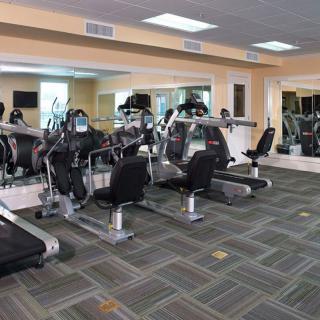







 When to Transition from Assisted Living to Memory Care: Key Indicators, Steps, and Finding the Right Community
 Assisted Living and Memory Care: Understanding Their Core Differences
 Beyond the Bingo Hall: 50+ Enriching Activities for Seniors in Assisted Living