Overall Review of Advanced Rehabilitation And Healthcare Of Bowie
common4 reviews mention this
Facility stays clean and odor-free
Residents and families repeatedly mention a clean facility without the usual nursing-home smell.
Multiple reviewers say the building is kept clean and does not smell like a typical nursing home. A few also link cleanliness with staff routines and pride in the environment. Even some very negative reviews focus on the facility experience rather than the day-to-day care details, so cleanliness stands out more in the overall feedback.
common4 reviews mention this
Activities help residents stay engaged
Residents describe a steady calendar of activities and community events.
Several reviews highlight activities as a regular part of life, including involvement that extends beyond residents to families during holidays. One family mentions events like trick-or-treat and an egg hunt with residents participating. Another reviewer specifically calls out activity staff keeping people busy, and the rehab area is described as having structured support.
differentiator3 reviews mention this
Mary Ann Medrano is singled out
Mary Ann Medrano is repeatedly praised for going above and beyond in care.
Reviewers name Mary Ann Medrano as a standout caregiver who helped families during difficult transitions. One reviewer describes her humor and engagement during an early adjustment period, while others credit her with detailed, attentive support and overall dedication. Across these mentions, families connect her care with comfort, communication, and day-to-day reassurance.
differentiator2 reviews mention this
Memory care receives direct praise
Families who referenced the memory care wing report satisfaction with the care their loved ones receive.
At least two reviewers specifically mention the memory care wing and describe the care as meeting their expectations. One reviewer says friends with a mother in memory care are satisfied, while another entrusts the memory care unit for years and reports their loved one stays clean, well fed, and well cared for. These comments focus on the caregiver approach and responsiveness within memory care.
caveat3 reviews mention this
Attention and communication concerns appear
Some families report missing attention or communication breakdowns.
A small number of reviews express dissatisfaction, including claims of not getting enough attention for dependent patients. One reviewer describes physical therapy being inconsistent and leaves therapy sessions without follow-through, along with communication problems. Another similarly asks for more attention to patients, framing it as a recurring issue rather than a one-time problem.
common2 reviews mention this
Nearby hospital and clinics are close
The surrounding area includes nearby hospitals, clinics, and medical offices.
Reviewers do not provide many direct statements about distance, but the area listings show multiple medical options close by. That includes a nearby medical clinic and hospitals around the same short range. Families considering care often look for local access to providers, and the map of nearby medical sites supports that.
How we summarize
Counts show how many written reviews mention each theme; a review can touch several themes, and only frequently mentioned themes are displayed.
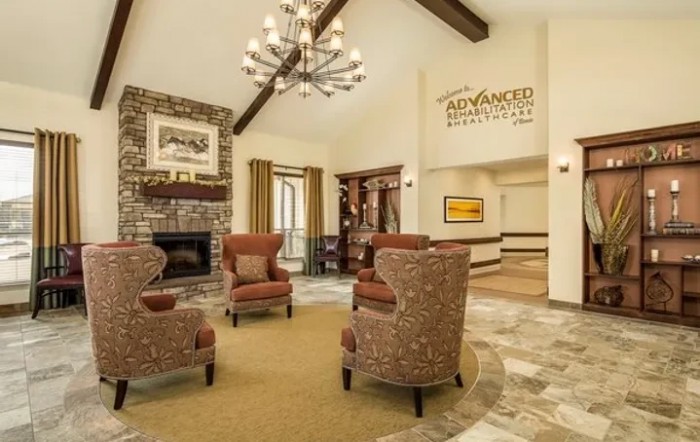
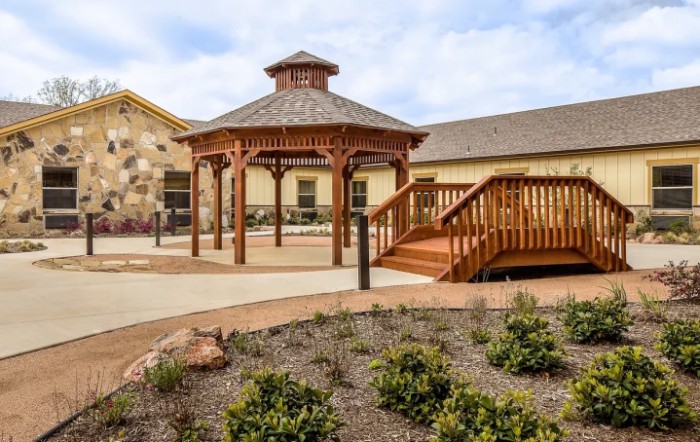
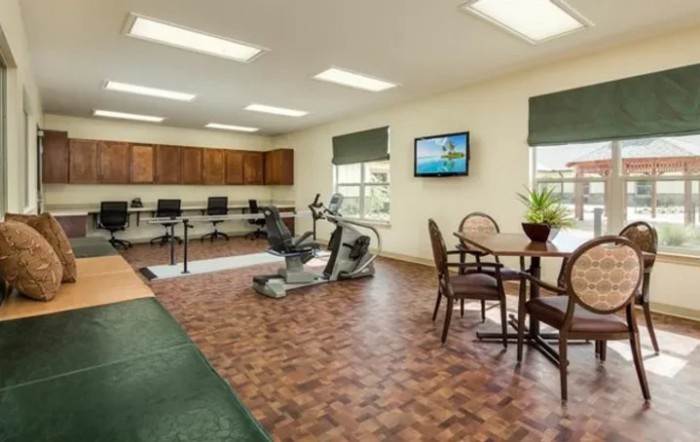
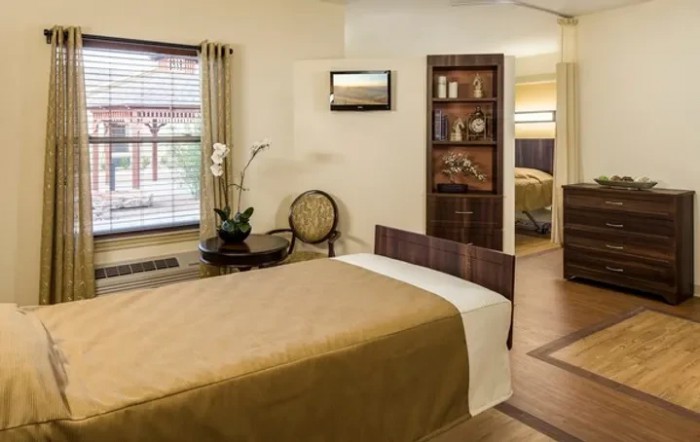
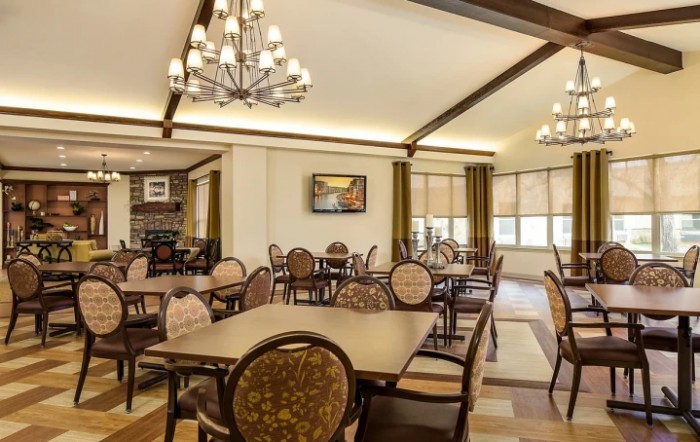
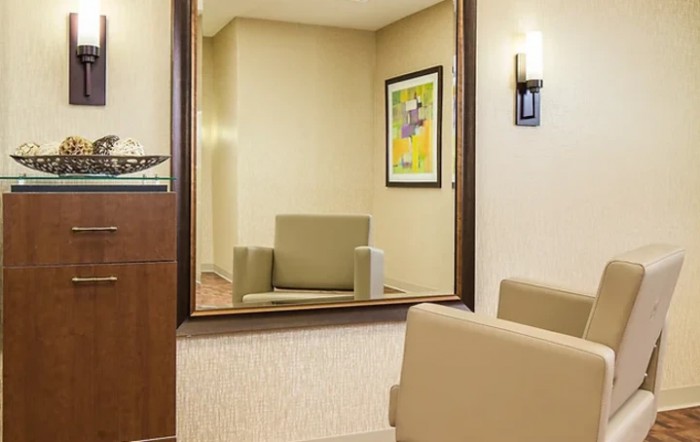
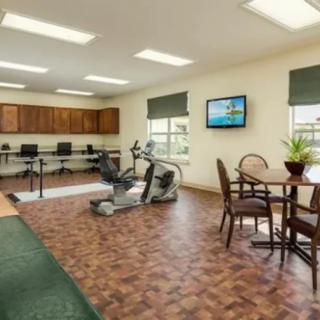
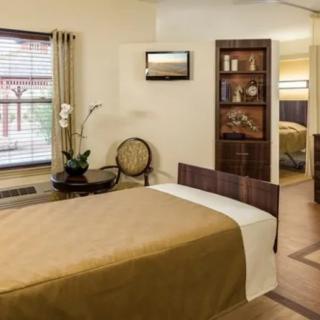
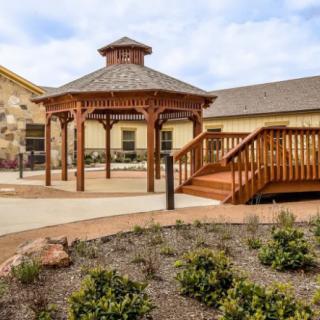
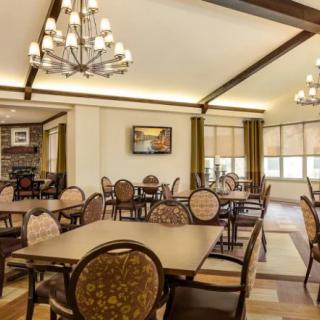
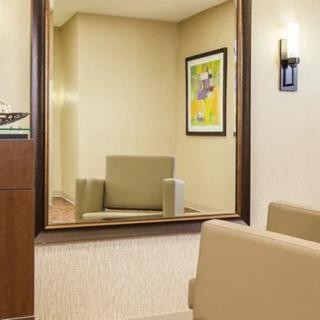
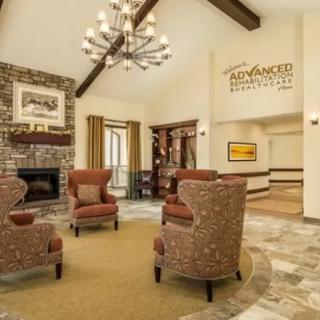
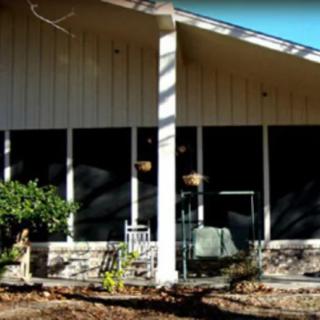
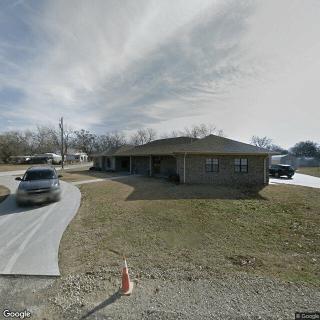
Advanced Rehabilitation And Healthcare Of Bowie on seniors.fyi includes 7 photos including images showing interior, bedroom, decor, dining, chandelier, seating area, lobby, building, and more.
Nearby Communities
Independence Hall
Bowie, TX
3.5 from 8 reviews
Broad amenities and a community that supports independence with regular activities.
Tk Ranch Dorm 2
Sunset, TX
Personalized care with ADL support and engaging daily activities.
T K Ranch Dorm 1
Sunset, TX
Diabetic care, meals provided, and on-site social spaces.
Grace Care Center Of Nocona
Nocona, TX
2.8 from 8 reviews
Extensive on-site amenities and 24/7 care
Cherry Street Village
Nocona, TX
5 from 4 reviews
Restaurant-style dining, 24-hour care, and on-site amenities.
Yester Year Home
Nocona, TX
Warm, supportive board-and-care home with 24/7 supervision, meals, and diabetes-friendly options.
Governor's Ridge
Decatur, TX
4.6 from 19 reviews
$2,350 to $3,400 / month
Caring staff with a family-like atmosphere, engaging activities, and a clean, well-maintained environment with appealing meals.
Nursing home care costs in the U.S. vary significantly based on location, level of care, and amenities, with private room prices ranging from approximately $6,700 to over $30,000 monthly. Families need to explore various payment options and conduct thorough research to manage these expenses effectively.
Nonmedical home care provides assistance with daily activities and companionship for individuals wishing to maintain independence and quality of life at home, without medical intervention. Its growing popularity is driven by an aging population, the need for supportive environments for recovery, and the emotional benefits of caregiver companionship, while costs vary based on service frequency and location.
Maintaining cognitive fitness through engaging in various brain games, both traditional and digital, is crucial for seniors as it enhances memory retention, problem-solving abilities, and emotional well-being while helping to protect against age-related decline. A holistic approach that includes diverse activities, physical exercise, a balanced diet, and social interaction further supports mental health and cognitive function.
Advanced Rehabilitation And Healthcare Of Bowie photos
×
Interior
Decor
Building
Architecture
Dining
Artwork
Seating Area
Interior
Decor
Bedroom
Dining
Landscaping and Building
Architecture, Garden, Gazebo, and Outdoor Space
Artwork, Waiting Area, and Light Fixture
Television, Exercise Equipment, Gym, Treadmill, and Fitness Room
Chandelier and Seating Area
Fireplace
Lobby
Healthcare
Get PricingAsk A QuestionSchedule A TourContact Senior Advisor
By clicking submit, you agree to our Partner's Terms of Use. You
also consent to receive calls and texts, which may be autodialed, from our Partner. Your consent is not a condition to
using our Partner's service. Please visit our Partner's Privacy Policy for information about their privacy practices.



 180 resident community capacity
 Skilled Nursing Facility
 Air-conditioning
 Beauty salon
 Cable or satellite TV
 Computer center
 Dining room
 Fitness room
 Fully furnished
 Gaming room
 Garden
 Housekeeping services
 Kitchenette
 Move-in coordination
 Outdoor space
 Private bathrooms
 Restaurant-style dining
 Small library
 Telephone
 Wellness center
 Wi-Fi/high-speed internet available
 Community operated transportation
 12-16 hour nursing
 24-hour call system
 Activities of daily living assistance
 Assistance with bathing
 Assistance with dressing
 Assistance with transfers
 Diabetes diet
 Medication management
 Mental wellness program
 Special dietary restrictions
 Concierge services
 Planned day trips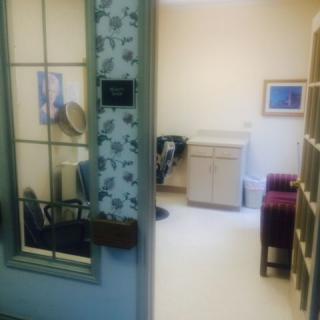
 Broad amenities and a community that supports independence with regular activities.

 A Detailed Examination of Nursing Home Costs Across the U.S.
 Exploring Nonmedical Home Care: Understanding Services, Costs, and Financial Approaches
 Engaging Brain Games and Innovative Apps to Keep Senior Minds Active