Reagan County Care Center offers a range of monthly costs for various room types that reflect the local and state pricing landscape. For semi-private rooms, residents can expect to pay between $3,450 and $4,775, which is slightly lower than the average cost in Reagan County at $3,642 and competitive with the state average of $3,680. The one-bedroom accommodations are priced at $3,855, aligning closely with both local and state averages - $3,878 in Reagan County and $3,761 across Texas. Two-bedroom units are also set at $3,855, matching the county's rate but falling short of the higher statewide average of $4,215. Lastly, studio rooms are offered at $4,175, consistent with local pricing but notably higher than the Texas average of $3,758. Overall, these rates position Reagan County Care Center as a viable option within the regional market while ensuring comfort and care for its residents.
Floor plans
Reagan County Care Ctr
Reagan County
Texas
Semi-Private
$3,450 to $4,775
$3,642
$3,680
1 Bedroom
$3,855
$3,878
$3,761
2 Bedrooms
$3,855
$3,855
$4,215
Studio
$4,175
$4,175
$3,758
Overall Review of Reagan County Care Ctr
common44 reviews mention this
Compassionate, attentive bedside manner
Residents describe clinicians who are compassionate, attentive, and easy to talk to.
Across many reviews, residents and family members highlight a kind bedside manner, with providers taking time to listen and answer questions. Several comments also call out clinicians being attentive and going above and beyond to help with concerns and symptoms. The emphasis on comfort and being treated with respect comes through repeatedly.
common9 reviews mention this
Thorough explanations and follow-up
Residents frequently mention thorough explanations and continuing follow-up after visits.
Some reviews focus on how carefully clinicians explain what they found, including blood work results and how treatment works. Others mention follow-up after an appointment and a clear plan for next steps. A recurring thread is that providers educate patients without dismissing their concerns.
common5 reviews mention this
Quick, low-stress visit flow
Residents report prompt visits with minimal waiting.
A handful of reviews specifically mention short wait times and quick service from check-in through the visit. Multiple comments describe being seen promptly and not feeling delayed. Overall, residents seem to value an efficient, responsive visit experience.
How we summarize
Counts show how many written reviews mention each theme; a review can touch several themes, and only frequently mentioned themes are displayed.
Features
Types of Care
Skilled Nursing Facility
Nearby Places of Interest
This area of Big Lake, Texas offers convenient access to a variety of essential amenities for senior living. Reagan Memorial Hospital and Reagan Hospital District are located within close proximity for any medical needs. There are also several pharmacies nearby such as Big Lake Pharmacy and Good Neighbor Pharmacy for easy access to medications. Places of worship, including First Assembly of God and River of Life Family Church, cater to spiritual needs. Additionally, there are multiple parks for leisurely walks and restaurants like Chuspy's Burritos and Grandma's Kitchen for dining options. Transportation options include U-Haul Neighborhood Dealer and Big Lake Airport for travel needs. Overall, this part of Big Lake provides a well-rounded community with essential services and activities for seniors looking to settle in the area.
Reagan County Care Center offers a range of monthly costs for various room types that reflect the local and state pricing landscape. For semi-private rooms, residents can expect to pay between $3,450 and $4,775, which is slightly lower than the average cost in Reagan County at $3,642 and competitive with the state average of $3,680. The one-bedroom accommodations are priced at $3,855, aligning closely with both local and state averages - $3,878 in Reagan County and $3,761 across Texas. Two-bedroom units are also set at $3,855, matching the county's rate but falling short of the higher statewide average of $4,215. Lastly, studio rooms are offered at $4,175, consistent with local pricing but notably higher than the Texas average of $3,758. Overall, these rates position Reagan County Care Center as a viable option within the regional market while ensuring comfort and care for its residents.
Arthritis encompasses over 100 joint disorders affecting people of all ages, leading to symptoms like pain and stiffness that impair mobility and quality of life. Effective management involves early diagnosis, lifestyle changes, medical treatments, emotional support, and ongoing monitoring with healthcare professionals.
The article highlights the high risk of falls among older adults due to factors like muscle weakness, vision issues, and environmental hazards, with one in four experiencing a fall annually. It advocates for a comprehensive prevention approach that includes exercise, home safety modifications, medication management, social support, and caregiver involvement.
Elder law attorneys assist older adults and their families with legal matters such as estate planning, Medicaid eligibility, and guardianships, while also providing protection against elder abuse. They help navigate complex regulations to safeguard financial resources, ensure well-being, and maintain autonomy for seniors.
Get PricingAsk A QuestionSchedule A TourContact Senior Advisor
By clicking submit, you agree to our Partner's Terms of Use. You
also consent to receive calls and texts, which may be autodialed, from our Partner. Your consent is not a condition to
using our Partner's service. Please visit our Partner's Privacy Policy for information about their privacy practices.

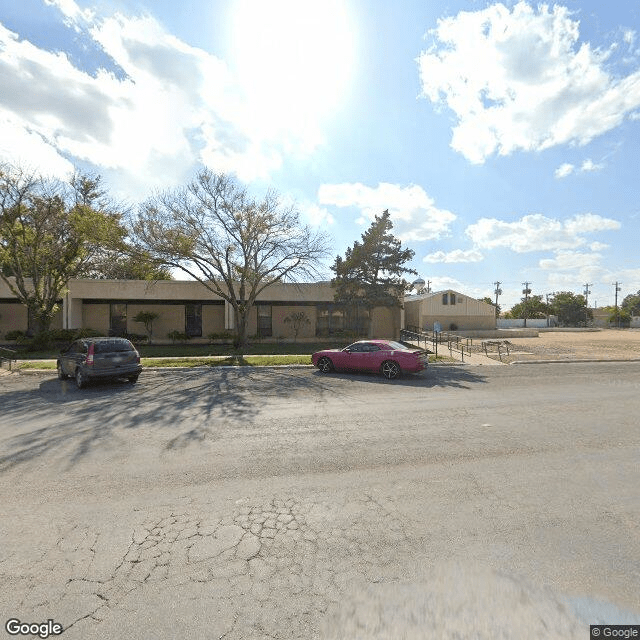
 Skilled Nursing Facility
 Affordable semi-private pricing with 24/7 care and restaurant-style dining.
 Comprehensive Approaches for Arthritis: A Detailed Guide to Symptoms, Causes, and Care
 Comprehensive Insights and Practical Strategies to Help Older Adults Avoid Falls
 6 Crucial Ways an Elder Law Attorney Assists Families