
600 South Hillside Drive, Beeville, TX 78102
For more information about senior living options: (866) 208-4318
Overall Review of Woodridge Nursing & Rehabilitation
Pros
 The staff are great and caring.
- Residents are well cared for by the staff.
- The team dynamics and positive staff–resident interactions create a comforting environment.
- The facility has great, caring staff and a five-star feel.
- The memory care neighborhood is wonderful and well run.
- The staff are dedicated to meeting residents' needs, including therapy and personalized meals.
- The new ownership has brought in excellent, caring staff.
Cons
 The facility is seen as pursuing money and putting up a false front.
- The staff lie about everything and cannot be trusted.
- Alice, the supervisor, is rude and disrespectful.
- The place is extremely toxic and unprofessional.
- They mishandle residents’ belongings, with items labeled for other residents.
- Law enforcement had to be involved to remove a grandmother from the facility.
- Families are advised not to bring their loved ones here.
- Residents get sick there due to neglect and lying.
- The director of nursing and RNs are said to have no care for the patients.
- The facility is described as trash and some five-star reviews are fake.
- The facility allegedly prioritizes money over care and may cause harm or premature death.
- The director has threatened families and lied about capabilities.
- The facility’s score rating is very bad.
Review
Woodridge Nursing & Rehabilitation in Beeville is best suited for families seeking a memory-care oriented environment where attentive, personable caregiving can translate into daily comfort. The community earns praise for the way front-line staff interact with residents and for the availability of therapy services and meal customization that can support daily routines and nutrition needs. The core appeal rests on a hard-won culture of caregiver dedication and a visible emphasis on resident comfort. Still, the overall suitability rests on stable, trustworthy administration; when leadership disengages, the positive caregiving atmosphere can quickly lose its footing.
Those who prize consistency in governance and transparent accountability may want to consider alternatives. Across multiple accounts, concerns center on rude or unprofessional behavior from supervisory staff and a pattern of miscommunication or perceived deception toward families. If a loved one requires tight adherence to dietary orders, precise safety protocols (such as choking risk management), or scrupulous handling of personal belongings, the risk of unchecked gaps in oversight becomes a decisive factor. In short, if the ethical and administrative backbone feels uncertain, a different facility with firmer governance and verifiable safety records is worth exploring.
On the positive side, residents are frequently described as well cared for by the caregiving team, with a notable sense of team cohesion in day-to-day interactions. The memory-care neighborhood is repeatedly highlighted as a strength, offering a structured environment where staff support and specialized therapies can address memory-related needs and provide reassurance to families. Personalization, especially around meals, also surfaces as a meaningful benefit. A change in ownership is cited by some as a signal of evolving, more engaged staff and improved morale, suggesting that governance can influence the daily lived experience when it stabilizes.
Yet the most troubling themes revolve around administration and trust. Reports of disrespectful leadership, broken promises, and accusations of lying toward families undermine confidence in the facility’s care. Concrete cautions include the loss of dentures, inappropriate weight gain or failure to follow physician dietary orders, and a perception that safety and medical needs might not be prioritized. Food quality and basic maintenance come under fire in several accounts, including mentions of bugs and subpar hygiene. Taken together, these factors cast a long shadow over the daily reliability of care, particularly for residents with complex medical or cognitive needs.
The balance between pros and cons hinges on governance more than on bedside care alone. The strengths, the compassionate frontline staff, a well-regarded memory-care wing, and access to therapies and individualized meals, can deliver real daily comfort if paired with dependable leadership. However, without a demonstrable commitment to accountability, transparent communication, and prompt resolution of concerns, those strengths cannot fully compensate for repeated administrative missteps. Families should prepare to supervise closely, insist on written care plans, and demand timely, concrete responses to incidents; otherwise, the risk of drift is high.
For families weighing Woodridge, a disciplined, practical approach is essential. Schedule a tour with a focus on governance: request to meet the director and the Director of Nursing, review the latest incident reports, and observe how staff respond to questions about care plans. Verify staffing levels during peak times and ask for recent state inspection findings to gauge safety and compliance history. If the administration demonstrates clear accountability, measurable improvements, and a track record of following through, the positive caregiving culture can be harnessed to meaningful effect. If not, alternatives with steadier governance and proven safety records are the safer, more dependable path.
 120 resident community capacity
 Skilled Nursing Facility
 Air-conditioning
 Beauty salon
 Cable or satellite TV
 Computer center
 Dining room
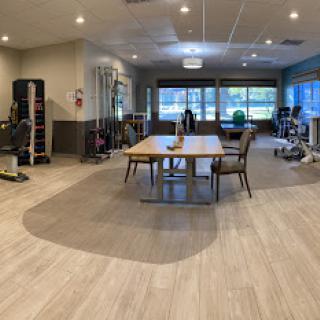
 Fitness room
 Fully furnished
 Gaming room
 Garden
 Housekeeping services
 Kitchenette
 Move-in coordination
 Outdoor space
 Private bathrooms
 Restaurant-style dining
 Small library
 Telephone
 Wellness center
 Wi-Fi/high-speed internet available
 Community operated transportation
 12-16 hour nursing
 24-hour call system
 Activities of daily living assistance
 Assistance with bathing
 Assistance with dressing
 Assistance with transfers
 Diabetes diet
 Medication management
 Mental wellness program
 Special dietary restrictions
 Concierge services
 Planned day trips




 Weight Training for Seniors: Building Strength and Vitality
 Understanding the Sandwich Generation: Stress and Responsibilities for Multigenerational Caregivers
 8 Essential Assistive Devices for Older Adults