
4501 Dudmar Drive, Austin, TX 78735
For more information about senior living options: (866) 208-4318
Overall Review of Monte Siesta Nursing And Rehabilitation
Pros
 The reviewer notes that the nursing home is better than some of the newer nursing homes.
- The reviewer says the facility feels like family to its residents.
Cons
 The reviewer hates discussions about the nursing home and believes the older facility is better than newer ones, even if it looks old.
- It had a bad smell, looked almost like a jail, and was dirty.
- They left an old man at HEB for six hours; even after being notified, they seemed disinterested and no one came for him.
- The reviewer states that the mother housed at Monte Siesta Nursing and Rehab was taken to the hospital, had not been turned, had bedsores, and her hair was in dreadlocks, and no one notified the reviewer of her condition; they mistreated her.
Review
Monte Siesta Nursing and Rehabilitation in Austin, TX is best suited for families navigating a tight budget who still want a homey, less clinical feel and who are prepared to take an active role in supervising care. The facility’s old-fashioned atmosphere can resemble a family environment more than a hospital setting, which some residents and families find comforting. For seniors who prize predictability, a straightforward routine, and cost-conscious options, this community may check a few practical boxes. Yet this appeal rests on consistently vigilant oversight to detect and address problems quickly, because the price of that atmosphere is often reflected in care gaps that demand immediate attention.
Pros, where they exist, center on a non-st showroom vibe that can feel more personal than newer, more antiseptic buildings. The sense of a “home away from home” resonates with families seeking a familiar, low-key environment where staff interactions may come across as warm and approachable. In the right hands, that personal touch can translate into meaningful daily help and companionship. But warmth does not substitute for medical reliability, timely interventions, or robust communication when a resident’s condition shifts. The reality is that a comfortable ambiance without strong systems behind it falls short in meeting the essential needs of many seniors.
The most troubling reviews focus on basic safety and hygiene failures: a facility that smells musty or dirty, staff visibly disengaged, and episodes of neglect that put residents at risk. Perhaps most alarming are accounts of not turning residents, resulting in bedsores, and noisy, inadequately communicated emergencies, such as a resident left unattended at a store for hours. There are also reports of families not being notified promptly about a loved one’s condition. These are not cosmetic flaws; they constitute active safety liabilities that undermine trust and threaten health outcomes. When a community cannot reliably keep residents clean, protected from pressure injuries, or responsive to urgent needs, the rest of the positives lose their footing.
In weighing the pros against the cons, the positive elements of atmosphere and perceived warmth cannot meaningfully offset the core risks identified in these accounts. Elder care hinges on consistent turning to prevent ulcers, prompt treatment of medical issues, transparent communication with families, and a staff that remains engaged under pressure. When basic safety and care standards appear inconsistent, the benefit of a familiar environment rapidly shrinks. The overall impression is that the feel of “home” is insufficient compensation for repeated lapses in hygiene, accountability, and resident protection.
Families evaluating options should be explicit about what their loved one requires daily. Those with significant needs for wound care, regular repositioning, or rapid escalation of medical concerns should look elsewhere for facilities with proven track records of turning, bed-sore prevention, and proactive family updates. If exploring Monte Siesta, insist on a transparent discussion about staffing levels, shift coverage, and how the team documents and communicates changes in condition. Request recent state inspection summaries and ask for unannounced visits focused on cleanliness, staff responsiveness, and the handling of adverse events. A thorough tour should include direct conversations with front-line aides and a tour of resident rooms and common areas to gauge how closely care matches the stated standards.
The practical takeaway is clear: Monte Siesta can be a consideration only when budget constraints are decisive and a family can implement rigorous oversight, daily, if necessary, to compensate for gaps in care. For most families, especially those whose loved one requires reliable turning, frequent monitoring, and timely medical communication, alternatives with stronger safety records and more consistent staff engagement are prudent. The decision should rest on a granular assessment of whether the facility’s warmth and affordability truly translate into dependable, high-quality care, or if the risk of safety lapses is too great to ignore. In this choice, evidence of sustained safety, transparent communication, and diligent care planning should guide the final call, not sentiment or cost alone.
 126 resident community capacity
 Skilled Nursing Facility
 Air-conditioning
 Beauty salon
 Cable or satellite TV
 Computer center
 Dining room
 Fitness room
 Fully furnished
 Gaming room
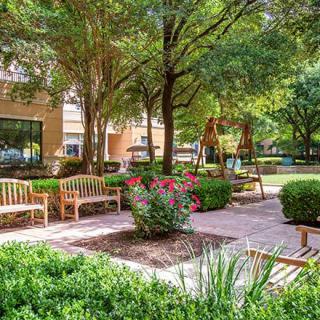
 Garden
 Housekeeping services
 Kitchenette
 Move-in coordination
 Outdoor space
 Private bathrooms
 Restaurant-style dining
 Small library
 Telephone
 Wellness center
 Wi-Fi/high-speed internet available
 Austin-Bergstrom International (9 miles away)
 Community operated transportation
 12-16 hour nursing
 24-hour call system
 Activities of daily living assistance
 Assistance with bathing
 Assistance with dressing
 Assistance with transfers
 Diabetes diet
 Medication management
 Mental wellness program
 Special dietary restrictions
 Concierge services
 Planned day trips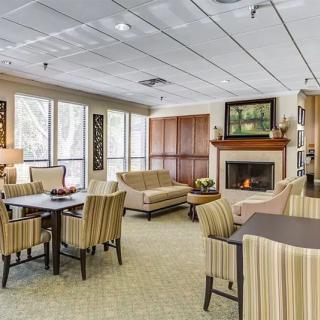

 Powerful Realities of Elder Abuse and the Most Effective Ways to Report It
 Ten Vital Duties of a Senior Caregiver: A Comprehensive Guide
 9 Stimulating Memory Activities for Seniors: Puzzles, Cards, and Much More