
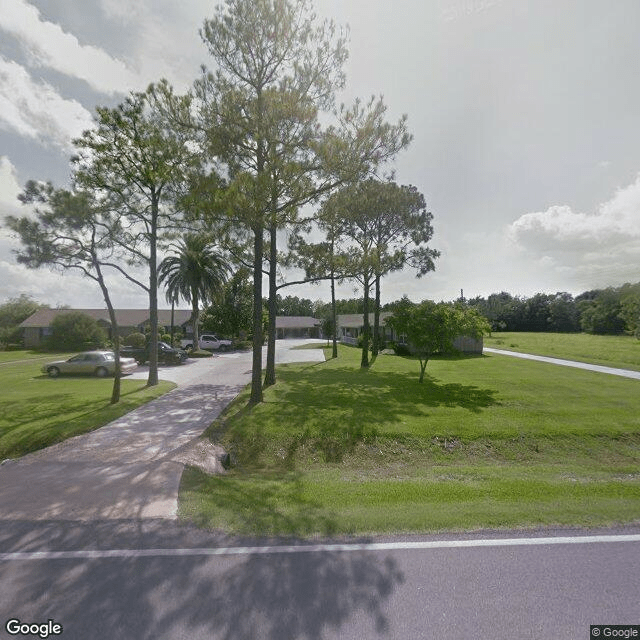
2960 Rowan Burton Rd., Alvin, TX 77511
To contact a resident: (281) 331-6753
For more information about senior living options: (866) 208-4318
Evening Star Personal Care Home Costs & Pricing
Evening Star Personal Care Home offers competitive pricing for its residents, particularly when comparing the costs to those in Galveston County and across Texas. For a semi-private room, Evening Star charges $2,800 per month, significantly lower than the county average of $3,715 and the state average of $3,680. Similarly, for private accommodations, the monthly fee at Evening Star is $3,200 - again more affordable compared to Galveston County's average of $4,761 and Texas's average of $4,096. This pricing structure positions Evening Star as an attractive option for individuals seeking quality personal care without compromising their financial wellbeing.
| Floor plans | Evening Star Personal Care Home | Galveston County | Texas |
|---|---|---|---|
| Semi-Private | $2,800 | $3,715 | $3,680 |
| Private | $3,200 | $4,761 | $4,096 |
Skilled Nursing Facilities with a similar price nearby
-
About the same
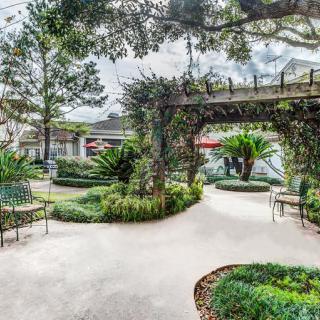
The Gardens of Bellaire
$2,850 to $3,211 / month24.0 miles away -
About the same
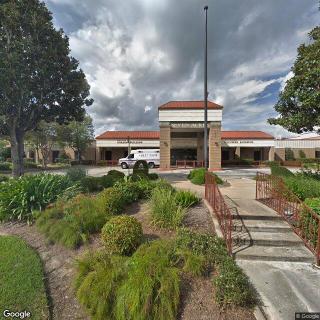
Seven Acres Jewish Senior Care
$2,795 to $7,500 / month23.7 miles away -
from +$350 / mo
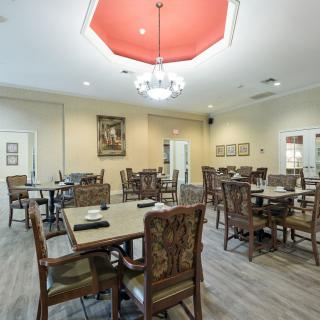
Trinity Oaks of Pearland
$3,150 to $3,500 / month10.6 miles away -
from +$100 / mo
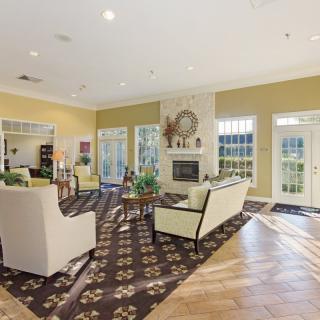
Braeswood Estates Senior Living
$2,900 to $4,200 / month22.3 miles away -
from +$200 / mo
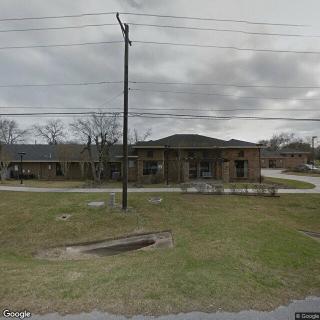
Country Village Care
$3,000 to $3,600 / month19.3 miles away
Overall Review of Evening Star Personal Care Home
Pros
 The home is warm, welcoming, and feels like a real home.
- The staff are caring, knowledgeable, and attentive.
- The facility is clean, well maintained, and impeccably kept.
- The grounds are well cared for and the setting has a country feel.
- There is low staff turnover, contributing to consistent care.
- Residents enjoy daily activities (crafts, bingo) and snacks, with an excellent menu.
- The facility offers additional comforts such as a beauty salon and therapy room.
- Staff show patience and kindness toward residents with memory challenges.
- Families express gratitude for a loving, caring, family-like environment.
Review
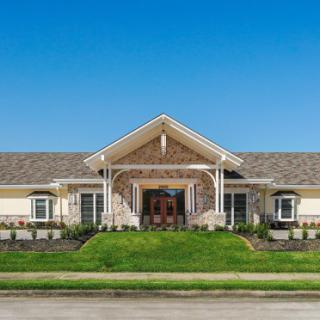
Evening Star Personal Care Home in Alvin, Texas, is best suited for families seeking a small, intimate, homelike environment where residents receive highly personalized attention, daily interaction, and a quiet country feel. It works especially well for seniors who value a warm, less institutional atmosphere, stable caregiving, and human-scaled routines over a facility’s breadth of services. The setting appeals to those who want a strong sense of community, where staff become familiar faces and daily life centers on companionship, predictable schedules, and well-maintained surroundings.
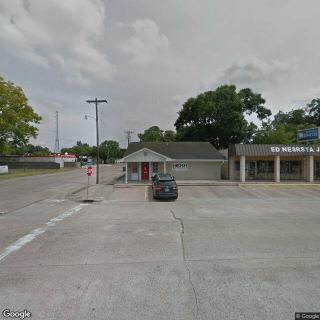
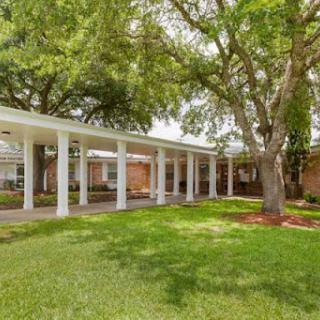
Key strengths start with size and culture. With room for roughly 15 residents, the home prioritizes continuity of care and low staff turnover, translating into consistent relationships and faster response when needs arise. The interior conveys a genuine home vibe rather than a medical facility, complemented by a well-kept exterior, ample parking, and a five-acre parcel that fosters a country ambience, complete with animal views that many families equate with comfort and security. The care team is described as caring, knowledgeable, and stable, led by an owner who is personally invested in the residents’ well-being. Daily activities keep elders engaged, from crafts to bingo, paired with frequent snacks, a thoughtfully developed menu, and a reliable cleaning routine that supports dignity and hygiene. For residents with dementia or memory challenges, staff patience and a steady routine become particularly meaningful, contributing to a sense of safety and familiarity.
The strongest pros, home-like warmth, staff attentiveness, and a robust daily routine, work in concert to offset the most plausible drawbacks of a smaller operation. Families consistently praise the non-institutional feeling, which reduces anxiety for residents who resist the feel of a “facility.” The intimate setting enables more individualized attention, quicker problem resolution, and more meaningful interactions with staff and peers. A limited but solid amenities slate, beauty salon, a therapy room, and accessible common spaces, still supports independence and dignity without sacrificing the comfort of a connected, family-like community. Cleanliness and careful maintenance further reinforce trust that the living environment supports ongoing health and happiness. These advantages are particularly valuable for residents who thrive on daily structure, meaningful social contact, and consistent caregiving.
However, the small scale is not ideal for every situation. Prospective residents with complex medical needs requiring intensive on-site nursing, frequent therapy, or expansive rehabilitation options may find Evening Star’s offerings feel limited compared with larger facilities that house memory care wings, in-house physicians, or broader therapy suites. Families should explicitly verify whether required medical oversight, medication management, or specialized supports can be delivered in a timely, hands-on way. The absence of sprawling communal facilities may also constrain the breadth of activities or the variety of on-site services that some seniors expect. These potential gaps are not underminings but real considerations for anyone weighing options where higher acuity care or a larger ecosystem is necessary.
For families weighing a decision, the right next steps are concrete. Visit during a typical day to observe how staff interact with residents and how care plans are implemented in practice. Request sample menus and copies of activity schedules, and ask about room configurations, private versus shared options, and any forthcoming renovations or changes to services. Inquire about transportation for excursions, how worship or spiritual services are integrated, and the availability of additional therapies if needed. Finally, compare against nearby larger communities to quantify differences in medical staffing, rehab offerings, and resident mix. Evening Star represents a compelling choice for those who prize a heartfelt, home-centered approach; alternatives make sense when the priority shifts toward breadth of medical services, larger communities, and more expansive rehabilitation resources.
 Studio apartments
 Board and Care Home
 Skilled Nursing Facility
 Beautician on-site
 Housekeeping services
 Laundry
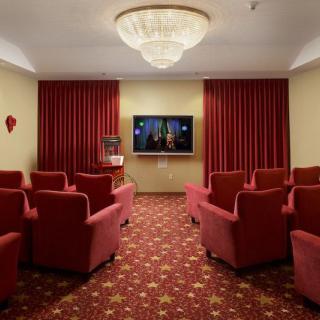
 Party space
 Private
 William P X (17 miles away)
 Diabetic care
 High acuity care
 Hospice care
 Incontinence care
 Physical therapy
 English

 Senior Move Management: Understanding the Role, Value, and Associated Costs
 Weight Training for Seniors: Building Strength and Vitality
 Understanding the Sandwich Generation: Stress and Responsibilities for Multigenerational Caregivers