Hendrick Skilled Nursing Facility

1900 Pine, Abilene, TX 79601

For more information about senior living options: (844) 490-3973

2.3 from 100 reviews
5 stars
22
4 stars
11
3 stars
1
2 stars
2
1 stars
64

Skilled Nursing Facility

What level of care are you interested in?

Assisted Living

Memory Care

Independent Living

Skilled Nursing Facility

Continuing Care Retirement Community (CCRC)CCRC

Other


Request a tour at Hendrick Skilled Nursing Facility

    Overall Review of Hendrick Skilled Nursing Facility

    Pros

    • pro The hospital is described as one of the best the reviewer has ever visited, with kind and professional staff.
    • pro The staff are consistently friendly and professional.
    • pro Nurses on the 7th floor are described as amazing and golden, with high levels of care.
    • pro Dominique Freeney and Patri go out of their way to support the nursing staff and teach care.
    • pro Dominique is described as a comfort, always taking care of patients kindly and treating them like people.
    • pro Nurses Sarah and Landon fulfilled the hospital's goal of excellence and compassion; Sarah even brought coffee to start the day.
    • pro The labor and delivery team, including Dr. Hill, received praise for quick responses and compassionate, top-notch nursing care.
    • pro The hospital is described as clean with spacious rooms, and providers at Hendrick are perceived as exceptional and cordial.

    Cons

    • pro The hospital is described as the worst in the area, with doctors pushing patients through without labs or imaging.
    • pro It is accused of overcharging patients and functioning as a monopoly in West Texas.
    • pro The staff are described as rude, unprofessional, and emotionally immature.
    • pro Pain management is reported as inadequate, with only Tylenol provided.
    • pro Food service delivered past-date, possibly unsafe food (a sandwich 9 days past date).
    • pro Phone lines and patient relations are unresponsive, with no one answering or returning calls.
    • pro Handicap parking is insufficient and needs closer, better-accessible options.
    • pro ER experiences include long waits, delays in imaging orders, and poor triage.
    • pro Some reviewers note inconsistent care quality, with about half the nurses and doctors being competent and the other half not.
    • pro One review calls the hospital "disgusting" and would give zero stars.

    Review

    Hendrick Hospital, an older facility that has long been a fixture in its town, elicits a tapestry of memories from those who pass through its doors. For some, it stands as a place of care that blends familiarity with professionalism; for others, it has become a battleground where pain, delays, and administrative glitches colored the experience. Across the spectrum, what remains most vivid are the people - the nurses, aides, doctors, and support staff - whose dedication can turn a frightening health episode into something more manageable, even during a time when every decision feels weighty and every minute counts.

    On one side of the ledger, there are stories of light in the dim corridors. An older hospital, perhaps, but one that has earned a reputation in certain circles for the caliber of its team. A patient who spent 24 hours in the hospital to have kidney stones removed recalls staff who were consistently kind and professional from start to finish. Another account highlights the "seven wonders" of the seventh floor, where the nursing team left a mark not just with clinical skill but with warmth and humanity. Salima, a morning visitor and housekeeper, is remembered with gratitude for the daily human interactions that reminded the patient there were people behind the beds and charts. Charge nurses like Andrea Leech are celebrated for their leadership and for a sense of accountability that seemed to elevate the care experience. Colleagues such as Dominique Freeney and Patri are singled out for going the extra mile to support the nursing staff and to teach caregivers how to treat patients as people first - complete with the reassurance that each room visit could include a hug when it was needed. Those on the seventh floor, it's said, were "golden," and the impression they left persisted long after discharge. The warmth did not stop with the clinical team; it extended to the transport of a patient's emotional well-being, with staff like Souad on the seventh floor described as consistently caring and attentive to the patient's needs.

    Even beyond the bedside, there are heartfelt nods to companionship and the sense of community that can form during a frightening stay. Nurses and aides who offered comfort, who remembered not only the medical chart but the person attached to it, were repeatedly cited as a lifeline in moments of fear and uncertainty. The sense that someone would drop by with a kind word or a small gesture - like bringing coffee, or taking extra time to ensure a patient had what they needed before discharge - was frequently highlighted as the glue that helped families weather a difficult hospitalization. The sentiment is that Hendrick has people who, when present, embody the hospital's ideal of excellence and compassion, even as the building itself ages and wears the toll of constant use.

    But the praise coexists with a hard, sometimes painful counterweight. Several visitors describe a system that can feel unresponsive or misaligned with patient needs. The displeasure runs from the practical to the procedural: long waits for labs or imaging, and a sense that sometimes care is more about moving patients through a flow than treating each patient as an individual with unique concerns. There are warnings about the pressure to "push through" care without the due diligence of labs or imaging, and there are frustrations with how information is relayed - if it's relayed at all. The diagnoses sometimes arrive after delays, and the sense of a monopoly in the area - where patients feel there are few alternatives in West Texas - adds a layer of vulnerability to already stressful circumstances. One reviewer describes the hospital as a place where the bedside manner of some clinicians rises and falls, with roughly half shining bright and the other half struggling to meet the moment. The result is a mixed reputation: competent care from some teams and frustrating experiences from others, all within the same building.

    Billing, scheduling, and communication also emerge as sore points. A recurring theme is the perception of overcharging and the difficulty of getting timely appointments with affiliated specialists. One reviewer bluntly calls out the financial side, insisting that costs in some cases feel inflated beyond what is reasonable. The problem isn't just with numbers; it's with the sense that administrative efficiency - getting orders from the chart to radiology, or providing timely responses when a patient or family member calls - lags behind the clinical pace. There are specific grievances about the difficulty in scheduling follow-up care: four days of phone calls with no firm appointment because staff are "still reviewing records" creates a sense of helplessness for patients trying to plan ahead from a place of illness.

    Food service and patient amenities appear as another thread in the overall tapestry. One vivid critique concerns a post-op meal that arrived late, on a tray with a date that was nine days past its freshness, a detail that may seem small yet lands hard in the anxious mind of a patient who is trying to recover. In another instance, a patient in post-op found themselves without a lunch tray during a critical recovery window, underscoring how small misalignments can feel large when recovery times are measured in hours rather than days. The sum of these moments contributes to a perception that the hospital's environment, while staffed with caring people, sometimes fails to meet the basic expectations of safety and attentiveness that families rely on during vulnerable times.

    Despite the imperfections, there are bright, memorable exceptions that reframe the entire experience. The labor and delivery wing receives particular praise for rapid decision-making and compassionate care at a pivotal moment in a family's life. A recognition of the team - from the nurses to the doctor Hill - speaks to a level of excellence in urgent, high-stakes situations. The maternity team's quick response and the attentive, patient-centered approach to both mother and newborn leave a lasting impression of what Hendrick can achieve at its best. The post-discharge gratitude poured out for those who cared for a new baby and a recovering mother is vivid, with comments about "top notch" nurses, the gentle, reassuring presence in the room, and a sense that the hospital's environment can be a place of healing when the right people are at the helm.

    There are also strong endorsements from veterans and long-time patients who've learned to navigate the complexities of the system. A patient who has repeatedly used Hendrick through the years for diverse needs - ranging from routine VA referrals to acute emergencies - describes a broad spectrum of experiences, but points to particular clinicians whose thorough, thoughtful care stands out. An example is a provider who, during a first comprehensive visit, ordered imaging and testing that finally arrived at a correct diagnosis after decades of misdirection. This experience underscores a truth: the hospital's quality of care can be extraordinary when the right physician is involved, and when the patient's record-keeping and communication align with the clinical team. The sentiment is reinforced by patient relations staff who respond with care and persistence, suggesting that there is a pathway for meaningful improvement when patients and staff work together to advocate for better processes.

    In the end, Hendrick Hospital emerges as a place of contrasts: an institution with a deep reservoir of compassion, led by professionals who can elevate care to memorable heights, and, at times, a system where delays, administrative friction, and logistical challenges color the experience with frustration. For many, the people - the nurses, aides, and clinicians who stay late, advocate for better pain control, explain what's happening, and treat patients with dignity - define the hospital's true value. For others, the gaps in pain management, communication, and practical logistics leave lasting doubts about how the hospital serves its community when it matters most. The common thread across all voices is a recognition that Hendrick possesses remarkable potential, and that meaningful improvement lies in harnessing the best of its staff - the ones who carry that "big sister energy," the ones who offer a comforting word, a coffee, or a timely answer - to turn every era of the hospital into a testament to careful, compassionate care.

    Features

    Housing

    • 20 resident community capacity 20 resident community capacity

    Types of Care

    • Skilled Nursing Facility Skilled Nursing FacilitySkilled Nursing Facilities are crucial for seniors as they provide round-the-clock medical care, rehabilitation services, and assistance with daily activities. These facilities ensure that seniors receive the specialized care they need to maintain their health and well-being as they age.

    Amenities

    • Beauty salon Beauty salonBeauty salons are important for seniors because they provide a space for them to feel pampered, socialize, and maintain their personal grooming and hygiene. Regular visits to a beauty salon can help boost seniors' self-esteem and overall well-being.
    • Cable or satellite TV Cable or satellite TVCable or satellite TV is important for seniors because it provides entertainment, news, and companionship, helping to combat loneliness and boredom. It also offers a wide range of programming options tailored to different interests and preferences.
    • Dining room Dining roomDining rooms are important for seniors as they provide a space for socialization, connection, and nutritious meals. They offer opportunities for residents to bond over shared meals, foster a sense of community, and promote healthy eating habits. Dining rooms also ensure that seniors have access to well-balanced meals tailored to their dietary needs and preferences.
    • Fully furnished Fully furnishedFully furnished senior living communities are important for seniors because they provide convenience, comfort, and a hassle-free moving experience. Seniors can easily settle into their new living space without the stress of having to buy and move furniture. This allows them to focus on enjoying their new home and community.
    • Garden GardenGardens are important for seniors as they provide a peaceful and therapeutic environment for relaxation, physical activity, and socialization. Being in nature has been shown to reduce stress, improve mood, and promote overall well-being. Gardens also offer opportunities for seniors to engage in gardening activities, which can improve mobility, flexibility, and cognitive function. Additionally, gardens create a sense of community and connection with others who share a passion for plants and outdoor spaces.
    • Housekeeping services Housekeeping servicesHousekeeping services are important for seniors because they help maintain a clean and safe living environment, promote independence, and reduce the risk of accidents or illnesses. Additionally, having assistance with household chores can alleviate physical strain and allow seniors to focus on other aspects of their well-being.
    • Kitchenette KitchenetteKitchenettes are important for seniors living in senior living communities because they provide the convenience and independence of being able to prepare simple meals and snacks in the comfort of their own living space. This can help promote a sense of autonomy and well-being for seniors, allowing them to maintain some level of control over their dietary choices and daily routines.
    • Move-in coordination Move-in coordinationMove-in coordination is important for seniors because it helps ease the transition into their new living environment. It ensures that all logistics, such as packing, organizing movers, and setting up utilities are taken care of, allowing seniors to focus on settling in and adjusting to their new home. Having a smooth move-in process can alleviate stress and anxiety, making the transition smoother and more enjoyable for seniors.
    • Outdoor space Outdoor spaceOutdoor spaces are important for seniors as they provide opportunities for physical activity, social interaction, exposure to natural light and fresh air, and a sense of connection to nature. Having access to outdoor spaces can improve overall well-being and quality of life for older adults living in senior communities.
    • Restaurant-style dining Restaurant-style diningRestaurant-style dining is important for seniors because it allows them to enjoy delicious, nutritious meals in a social and upscale setting. This enhances their dining experience, promotes healthy eating habits, and fosters socialization with fellow residents, ultimately contributing to their overall well-being and quality of life.
    • Small library Small librarySmall libraries are important for seniors as they provide access to a variety of reading materials, including books, newspapers, and magazines. This can help stimulate their minds, keep them engaged, and provide a sense of community through book clubs and other social activities. Additionally, reading has been shown to improve cognitive function and overall mental well-being in older adults.
    • Telephone TelephoneTelephones are important for seniors as they provide a lifeline for communication with loved ones, emergency services, and healthcare providers. They offer a sense of security and independence, enabling seniors to stay connected and access assistance when needed.
    • Wi-Fi/high-speed internet available Wi-Fi/high-speed internet availableWi-Fi/high-speed internet is important for seniors to stay connected with loved ones, access online resources, and participate in virtual activities to combat feelings of loneliness and isolation. It also allows them to easily manage healthcare needs, access entertainment, and engage in lifelong learning opportunities.

    Transportation

    • Abilene Regional (5 miles away) Abilene Regional (5 miles away)

    Care Services

    • 24-hour call system 24-hour call system24-hour call systems are important for seniors because they provide peace of mind and immediate assistance in case of emergencies. This technology ensures that help is always available, promoting safety and security for elderly individuals living alone or in assisted living facilities.
    • 24-hour supervision 24-hour supervision24-hour supervision is important for seniors to ensure their safety, well-being, and access to immediate assistance in case of emergencies or health issues. This constant support provides peace of mind for both seniors and their loved ones, allowing them to age in place with dignity and security.
    • Activities of daily living assistance Activities of daily living assistanceActivities of daily living assistance are important for seniors because they provide essential support with tasks such as eating, bathing, dressing, and mobility. This assistance helps seniors maintain their independence, dignity, and overall quality of life as they age.
    • Assistance with bathing Assistance with bathingAssistance with bathing is crucial for seniors as it helps maintain personal hygiene, prevents infections, and ensures their overall well-being and comfort. It also provides a sense of dignity and independence for seniors who may struggle with this task on their own.
    • Assistance with dressing Assistance with dressingAssistance with dressing is important for seniors because it helps maintain their independence, promotes personal hygiene, prevents accidents and injuries, and improves overall quality of life. This service ensures that seniors can continue to dress comfortably and confidently, despite any physical limitations they may have.
    • Assistance with transfers Assistance with transfersAssistance with transfers is crucial for seniors as it helps prevent falls and injuries, maintains their independence, and ensures they can safely navigate their living environment. It also provides peace of mind for both seniors and their loved ones.
    • Diabetes diet Diabetes dietA diabetes diet is crucial for seniors as it helps manage blood sugar levels, reduce risks of complications, and improve overall health and well-being. By following a balanced and nutritious diet tailored to their specific needs, seniors can better control their diabetes and enhance their quality of life.
    • Meal preparation and service Meal preparation and serviceMeal preparation and service are crucial for seniors as they may have limited mobility or energy to cook nutritious meals. Having access to healthy and convenient food options can ensure they are getting the proper nutrition needed to maintain their overall health and well-being.
    • Medication management Medication managementMedication management is crucial for seniors to ensure they are taking the right medications at the correct dosages and times. This helps prevent adverse drug interactions, reduces the risk of medication errors, and promotes overall health and well-being. Proactive management also allows for adjustments as needed based on changing health conditions or new prescriptions.
    • Mental wellness program Mental wellness programMental wellness programs are essential for seniors as they promote cognitive stimulation, emotional support, and social engagement. These programs help prevent isolation, depression, and cognitive decline, ultimately enhancing the overall quality of life for older adults.
    • Special dietary restrictions Special dietary restrictionsSpecial dietary restrictions are important for seniors because age-related changes in metabolism and health conditions can make it difficult for their bodies to process certain foods. By following a diet tailored to their specific needs, seniors can maintain their overall health and well-being, manage chronic conditions, and reduce the risk of complications such as malnutrition or food interactions with medications.

    Dining

    • Diabetes diet Diabetes dietA diabetes diet is crucial for seniors as it helps manage blood sugar levels, reduce risks of complications, and improve overall health and well-being. By following a balanced and nutritious diet tailored to their specific needs, seniors can better control their diabetes and enhance their quality of life.
    • Special dietary restrictions Special dietary restrictionsSpecial dietary restrictions are important for seniors because age-related changes in metabolism and health conditions can make it difficult for their bodies to process certain foods. By following a diet tailored to their specific needs, seniors can maintain their overall health and well-being, manage chronic conditions, and reduce the risk of complications such as malnutrition or food interactions with medications.

    Activities

    • Community-sponsored activities Community-sponsored activitiesCommunity-sponsored activities are important for seniors as they provide opportunities for social interaction, mental stimulation, and physical activity. These activities can help improve overall well-being, combat loneliness and isolation, and promote a sense of belonging and purpose among older adults.
    • Resident-run activities Resident-run activitiesResident-run activities are important for seniors as they encourage social interaction, creativity, and a sense of autonomy. These activities empower seniors to stay engaged and active in their community while fostering meaningful connections with their peers.
    • Scheduled daily activities Scheduled daily activitiesScheduled daily activities are important for seniors because they provide structure, socialization, mental stimulation, and physical activity. Engaging in regular activities can improve overall well-being and quality of life for seniors living in a community setting.

    Description

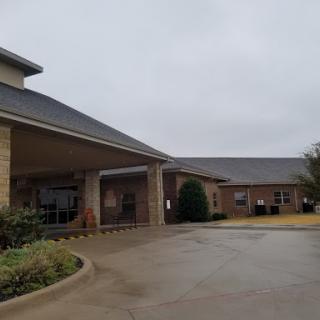
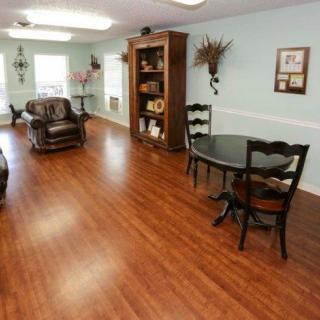
    Hendrick Skilled Nursing Facility in Abilene, TX is a premier assisted living community that offers a wide range of amenities and care services to ensure the comfort and wellbeing of its residents. The facility provides a homely atmosphere with fully furnished accommodations that feature cable or satellite TV, a kitchenette, and Wi-Fi/high-speed internet for entertainment and connectivity.

    Residents can enjoy delicious meals in the dining room with restaurant-style dining options that cater to special dietary restrictions. Housekeeping services are provided to maintain cleanliness and hygiene. In addition, residents have access to outdoor spaces such as gardens where they can relax and enjoy fresh air.

    To promote an active lifestyle, Hendrick Skilled Nursing Facility offers resident-run activities as well as scheduled daily activities to keep residents engaged and entertained. The small library provides opportunities for reading and intellectual stimulation.

    The community takes pride in providing personalized care services with 24-hour supervision. Trained staff members assist with activities of daily living including bathing, dressing, and transfers. Medication management is also available to ensure the proper administration of medications. For those with diabetes, a specialized diet is provided.

    Hendrick Skilled Nursing Facility also emphasizes mental wellness with a dedicated program designed to support the emotional wellbeing of residents. Additionally, move-in coordination is offered to make transitioning into the community seamless.

    Located in Abilene, TX, the facility benefits from its proximity to nearby amenities such as cafes, parks, pharmacies, physicians' offices, restaurants, transportation options, places of worship, theaters, and hospitals. This allows for easy access to various services and resources.

    Overall, Hendrick Skilled Nursing Facility provides a nurturing environment where residents receive the care they need while enjoying a comfortable and fulfilling lifestyle surrounded by convenient amenities and nearby attractions.

    Nearby Places of Interest

    Physicians

    • Abilene Oral And Maxillofacial Surgery (0 miles)
    • Hendrick Professional Building in the Basement (0 miles)
    • The Medspa At Hendrick (0.1 miles)
    • Abilene Kidney Clinic PA (0.1 miles)
    • West Texas Lung Clinic (0.1 miles)
    • Clinical Pathology Associates (0.1 miles)
    • Dr Shudde's Office (0.1 miles)

    Hospitals

    • Hendrick Medical Center (0 miles)
    • Continuecare Hospital At Hendrick Medical Center (0.1 miles)
    • Hendrick Medical Center Shelton Building (0.1 miles)
    • Anderson Outpatient Center (0.1 miles)
    • Hendrick Hospice Care (0.3 miles)
    • Abilene Imaging Center (0.3 miles)

    Pharmacies

    • Lawrence Bros Iga (0.2 miles)
    • United Supermarkets Pharmacy (0.2 miles)
    • Hendrick Pharmacy on Ambler (0.2 miles)
    • Walmart Pharmacy (0.4 miles)
    • Barnes & Williams Drug Center (1.1 miles)
    • Walgreens (1.8 miles)
    • CVS Pharmacy (1.8 miles)

    Restaurants

    • Little Italy Pizza and Pasta (0.4 miles)
    • Church's Chicken (0.7 miles)
    • Chicken Express (0.8 miles)
    • La Familia Restaurant (1 miles)
    • Beehive Restaurant (1.3 miles)
    • Denny's (1.5 miles)
    • Cypress Street Station (1.5 miles)

    Places of Worship

    • Hillcrest C of C (1.1 miles)
    • Munger Place Church of God (1.2 miles)

    Cafes

    • The Flour Shop (1.3 miles)
    • Grain Theory (1.5 miles)
    • The Front Porch Coffee (1.5 miles)
    • Starbucks (2.3 miles)
    • Mezamiz Coffee House (2.9 miles)

    Theaters

    • Cinemark Abilene And Xd (1.6 miles)

    Transportation

    • U-Haul Neighborhood Dealer (1.9 miles)

    Parks

    • Jane Long Elementary Playground (2.1 miles)
    • Grover Nelson Park (3.2 miles)

    Frequently Asked Questions

    Where is Hendrick Skilled Nursing Facility?

    Nearby Communities

    Related Resources

    • nursing home costsA Detailed Examination of Nursing Home Costs Across the U.S.

      Nursing home care costs in the U.S. vary significantly based on location, level of care, and amenities, with private room prices ranging from approximately $6,700 to over $30,000 monthly. Families need to explore various payment options and conduct thorough research to manage these expenses effectively.

    • non medical home careExploring Nonmedical Home Care: Understanding Services, Costs, and Financial Approaches

      Nonmedical home care provides assistance with daily activities and companionship for individuals wishing to maintain independence and quality of life at home, without medical intervention. Its growing popularity is driven by an aging population, the need for supportive environments for recovery, and the emotional benefits of caregiver companionship, while costs vary based on service frequency and location.

    • brain games for seniorsEngaging Brain Games and Innovative Apps to Keep Senior Minds Active

      Maintaining cognitive fitness through engaging in various brain games, both traditional and digital, is crucial for seniors as it enhances memory retention, problem-solving abilities, and emotional well-being while helping to protect against age-related decline. A holistic approach that includes diverse activities, physical exercise, a balanced diet, and social interaction further supports mental health and cognitive function.


    Get Pricing Ask A Question Schedule A Tour Contact Senior Advisor