For more information about senior living options: (866) 208-4318
3 from 51 reviews
5 stars
23
4 stars
1
3 stars
2
2 stars
2
1 stars
23
Coronado Nursing Center Costs & Pricing
Coronado Nursing Center offers competitive pricing for its services compared to the broader market in Taylor County and across Texas. The cost for a semi-private room at Coronado is set at $3,526 per month, which is slightly more affordable than the county average of $3,605 and significantly below the state average of $3,680. However, when it comes to private rooms, Coronado's rate of $6,014 stands out as considerably higher than both Taylor County's average of $4,655 and Texas's general average of $4,096. This pricing structure reflects the center's commitment to providing specialized care and amenities that cater to residents' needs, ensuring a quality living environment while also highlighting a range of options depending on individual care requirements.
Floor plans
Coronado Nursing Center
Taylor County
Texas
Semi-Private
$3,526
$3,605
$3,680
Private
$6,014
$4,655
$4,096
Skilled Nursing Facilities with a similar price nearby
Multiple residents and family members describe serious care failures and neglect.
Some reviewers say care was inadequate, including accounts of neglect, residents being left in bed, and injuries that they link to insufficient attention. Several reviews also describe communication barriers and delays that left families feeling unable to get answers or help, especially around transitions and needs like medications. A smaller set of comments describe the opposite experience, but the negative care reports show up often enough to be a major consideration.
common13 reviews mention this
Staff compassion is a high point
Many reviewers credit the staff for compassionate, respectful help.
A significant number of reviews describe staff members as caring, responsive, and respectful, with some saying residents were treated like family. Reviewers also mention staff being welcoming during visits, and describe positive daily interactions with nurses and CNAs. These firsthand accounts align with the fact that the community supports nursing care and daily assistance services.
caveat3 reviews mention this
Phone and follow-up concerns
Several families report trouble reaching the nursing team and getting follow-up.
Some reviews complain about calling and not getting timely responses, including accounts of calls being routed to voicemail without callbacks. Other comments describe situations where families did not receive explanations or updates, even when they believed outreach was needed. Together, these reports suggest communication can be inconsistent for some residents and families.
caveat6 reviews mention this
Cleaning and odor come up
Cleanliness feedback ranges from rooms being clean to areas being dirty.
Some reviewers say the environment and rooms were clean, and others mention daily cleaning attention. At the same time, several reviews describe dirty or poorly maintained areas and unpleasant odors. Because both positive and negative comments appear, it may be worth asking how the facility handles upkeep and day-to-day sanitation.
common2 reviews mention this
Therapy and wound care mentioned
Residents and families mention physical therapy and wound care.
Two reviews specifically call out physical therapy and wound care, framing them as part of what the community provides for recovery and care needs. Other comments also describe encouragement to participate in routines and activities, though not all of those mentions include the same clinical detail. If those services are important for you, these are the clearest recurring references in the reviews.
How we summarize
Counts show how many written reviews mention each theme; a review can touch several themes, and only frequently mentioned themes are displayed.
Features
Housing
188 resident community capacity
Types of Care
Memory Care
Skilled Nursing Facility
Amenities
Activities off-site
Activities on-site
Air-conditioning
Beautician on-site
Beauty salon
Cable or satellite TV
Computer center
Devotional services on-site
Dining room
Fitness room
Fully furnished
Gaming room
Garden
Housekeeping services
Indoor common areas
Kitchenette
Move-in coordination
Outdoor common areas
Outdoor space
Private
Private bathrooms
Respite or short term stays offered
Restaurant-style dining
Small library
Telephone
Wellness center
Wheelchair accessible showers
Wi-Fi/high-speed internet available
Transportation
Abilene Regional (5 miles away)
Community operated transportation
Transportation arrangement
Transportation arrangement (non-medical)
Transportation to doctors appointments
Care Services
12-16 hour nursing
24-hour call system
24-hour supervision
Activities of daily living assistance
Assistance with bathing
Assistance with dressing
Assistance with transfers
Diabetes diet
Diabetic care
High acuity care
Incontinence care
Meal preparation and service
Medication management
Mental wellness program
Special dietary restrictions
Dining
Diabetes diet
Meals provided
Special dietary restrictions
Vegetarian
Activities
Activities off-site
Activities on-site
Community-sponsored activities
Concierge services
Devotional activities on-site
Fitness programs
Planned day trips
Resident-run activities
Scheduled daily activities
Videos
Nearby Places of Interest
Restaurants
Church's Chicken (0.2 miles)
La Familia Restaurant (0.4 miles)
Chicken Express (0.7 miles)
Beehive Restaurant (0.9 miles)
Little Caesars Pizza (1 miles)
Little Italy Pizza and Pasta (1 miles)
Sonic Drive-In (1.1 miles)
Physicians
Daggubati Subbarao Dr Daggubati Sam Office Abilene (0.4 miles)
Premier Dermatology (0.4 miles)
Vera West Women’s Center (0.5 miles)
Professional Associati (0.5 miles)
Hickory Center (0.5 miles)
ENT Specialists (0.5 miles)
Violeta Baddour, MD (0.5 miles)
Hospitals
Hendrick Hospice Care (0.4 miles)
Anderson Outpatient Center (0.6 miles)
Continuecare Hospital At Hendrick Medical Center (0.7 miles)
Hendrick Medical Center (0.7 miles)
Hendrick Medical Center Shelton Building (0.7 miles)
Coronado Nursing Center offers competitive pricing for its services compared to the broader market in Taylor County and across Texas. The cost for a semi-private room at Coronado is set at $3,526 per month, which is slightly more affordable than the county average of $3,605 and significantly below the state average of $3,680. However, when it comes to private rooms, Coronado's rate of $6,014 stands out as considerably higher than both Taylor County's average of $4,655 and Texas's general average of $4,096. This pricing structure reflects the center's commitment to providing specialized care and amenities that cater to residents' needs, ensuring a quality living environment while also highlighting a range of options depending on individual care requirements.
The features offered by Coronado Nursing Center are specifically designed to meet the unique needs of residents with dementia or Alzheimer's disease, enhancing their quality of life and overall well-being. Assistance with dressing helps maintain dignity and independence, while medication management ensures that residents receive the correct dosages at the right times, minimizing confusion and health risks. Meal preparation and service cater to dietary needs and preferences, promoting nutrition and normalcy in daily routines. Activities of daily living assistance supports residents in maintaining essential self-care practices, while assistance with bathing preserves hygiene and comfort. Support during transfers aids mobility while ensuring safety, particularly for those who may struggle with balance or coordination. The provision of 24-hour supervision allows for immediate intervention when necessary, fostering a secure environment. Additionally, a mental wellness program engages residents cognitively and emotionally, helping to slow cognitive decline and enhance social interaction. Incontinence care addresses sensitive personal needs discreetly, promoting dignity and comfort throughout each day. Together, these services create a holistic approach that honors each resident's individuality while providing the necessary support for their specific challenges related to memory care.
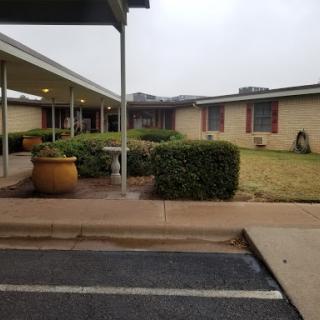
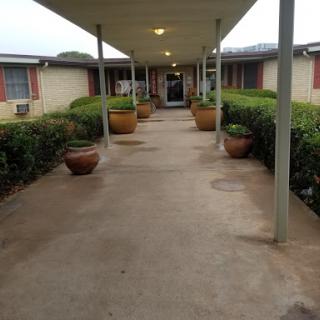
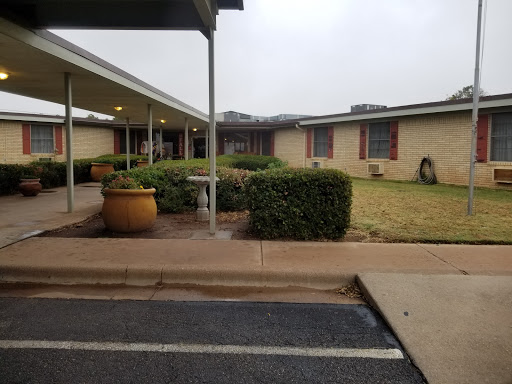
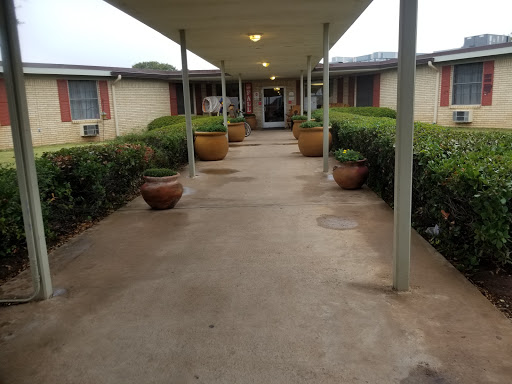
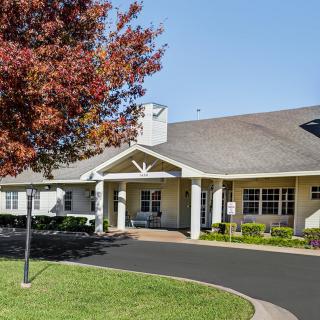
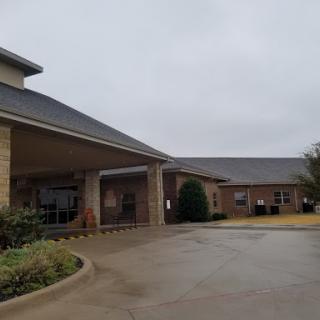
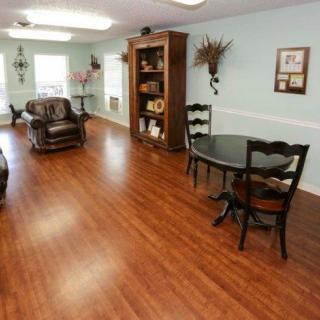
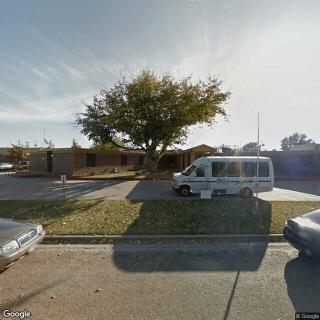
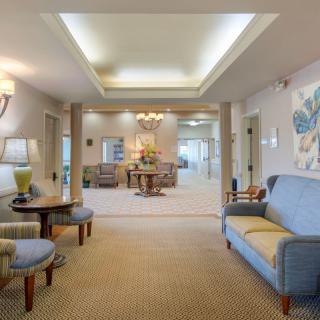
Coronado Nursing Center on seniors.fyi includes 5 photos including images showing building, landscaping, architecture, outdoor, exterior, garden, pathway, grass, and more.
Nearby Communities
Choices Residential Assisted Living
Abilene, TX
5 from 1 review
Fully furnished accommodations with personalized care, meals, daily activities, and a garden and outdoor space.
Hendrick Skilled Nursing Facility
Abilene, TX
2.6 from 119 reviews
Small, intimate facility with 24-hour supervision and personalized care.
Silver Spring
Abilene, TX
3.7 from 90 reviews
Friendly staff with engaging activities in a pleasant, well-kept facility.
Northern Oaks Living & Rehabilitation Center
Abilene, TX
4.9 from 109 reviews
$7,100 to $17,400 / month
Extensive amenities and comprehensive care options.
Highland Assisted Living
Abilene, TX
4.1 from 8 reviews
24/7 supervision with comprehensive ADL and medication support, plus on-site dining and furnished apartments.
The Oaks At Radford Hills Healthcare Center
Abilene, TX
3.4 from 67 reviews
Extensive amenities and comprehensive care services.
Morada Abilene
Abilene, TX
4.2 from 78 reviews
$2,695 to $2,795 / month
Caring staff in a warm, clean environment with engaging activities.
Lyndale Abilene Senior Living
Abilene, TX
4.7 from 66 reviews
$2,500 to $5,965 / month
Caring staff, clean environment, good meals, and a variety of activities with restaurant-style dining.
Mesa Springs Healthcare Center
Abilene, TX
4.4 from 42 reviews
Caring staff with strong therapy in a clean, spacious facility.
The article emphasizes the significance of establishing a power of attorney for elderly parents to enable an agent to make decisions on their behalf regarding health and finances, especially during cognitive or physical decline. It outlines various types of power of attorney, the importance of consulting legal professionals, and the responsibilities and challenges faced by agents, while also discussing alternatives and common misconceptions.
Caregiver support groups are crucial for providing emotional and practical assistance to those caring for loved ones, offering resources, coping strategies, and a sense of community through various organizations and platforms. These groups help alleviate isolation and burnout while addressing the unique challenges faced by caregivers of individuals with specific conditions.
The guide outlines the complexities of Medicaid coverage for assisted living, highlighting significant state-to-state variations, limited coverage often restricted to personal care services, and the existence of specialized waivers for certain needs like memory care. It advises families to consult local Medicaid offices for options while emphasizing the importance of understanding state-specific regulations and facility policies.
Get PricingAsk A QuestionSchedule A TourContact Senior Advisor
By clicking submit, you agree to our Partner's Terms of Use. You
also consent to receive calls and texts, which may be autodialed, from our Partner. Your consent is not a condition to
using our Partner's service. Please visit our Partner's Privacy Policy for information about their privacy practices.




 188 resident community capacity
 Memory Care
 Skilled Nursing Facility
 Activities off-site
 Air-conditioning
 Beautician on-site
 Cable or satellite TV
 Computer center
 Devotional services on-site
 Dining room
 Fitness room
 Fully furnished
 Gaming room
 Garden
 Housekeeping services
 Indoor common areas
 Kitchenette
 Move-in coordination
 Outdoor common areas
 Private
 Private bathrooms
 Respite or short term stays offered
 Restaurant-style dining
 Small library
 Telephone
 Wellness center
 Wheelchair accessible showers
 Wi-Fi/high-speed internet available
 Abilene Regional (5 miles away)
 Community operated transportation
 12-16 hour nursing
 24-hour call system
 Assistance with bathing
 Assistance with dressing
 Assistance with transfers
 Diabetes diet
 Diabetic care
 High acuity care
 Incontinence care
 Medication management
 Mental wellness program
 Special dietary restrictions
 Concierge services
 Planned day trips
 Fully furnished accommodations with personalized care, meals, daily activities, and a garden and outdoor space.


 Guiding Your Journey: Understanding Power of Attorney for Elderly Parents
 22 Remarkable Caregiver Support Groups Available Online and In-Person
 Understanding Medicaid Coverage for Assisted Living: A Comprehensive Guide