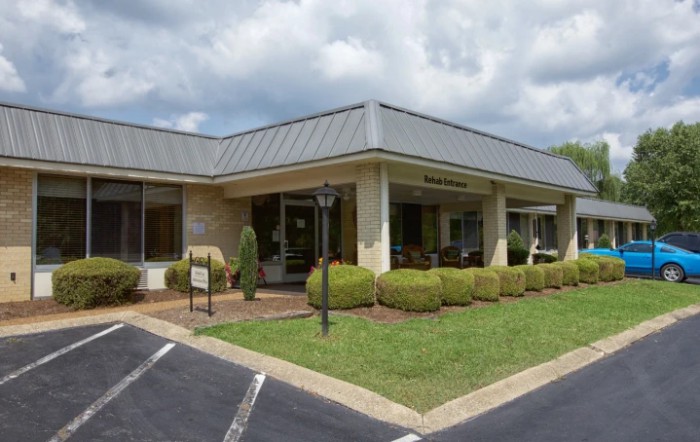
726 Kentucky Avenue, Parsons, TN 38363
For more information about senior living options: (866) 208-4318
Overall Review of AHC Decatur County
Pros
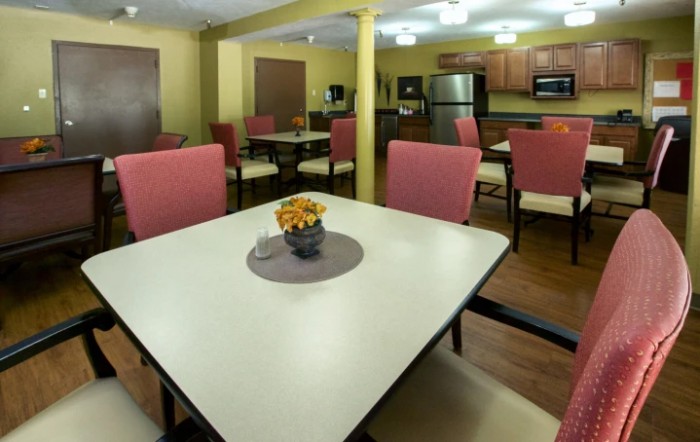
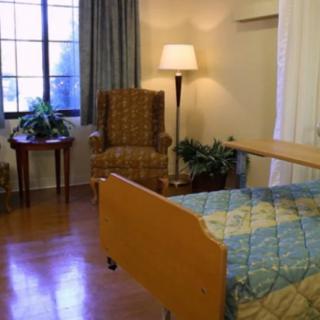
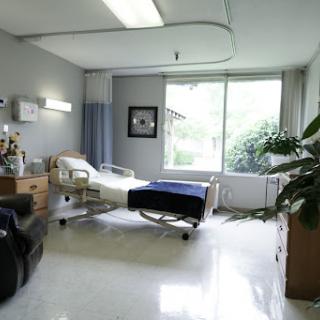
 The housekeeping staff, led by Mr. Bill, does a great job keeping the rooms and dining area clean.
- The laundry department does a great job washing, drying, and making the clothes available in a timely manner.
- CNAs work hard to care for residents, despite being short-staffed, and remain dedicated.
- The nurses work hard to administer medications, showing commitment even when understaffed.
- Terrie and the cooks do a good job with the food budget and provide balanced diets, while accommodating residents and guests.
- Keith maintains the facility well and is quick to respond to issues.
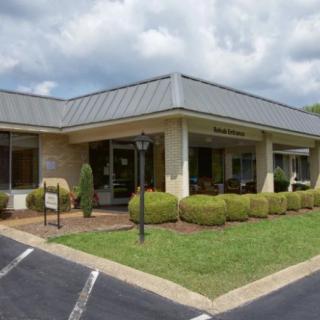
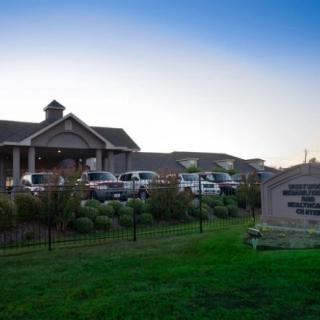
- The outside grounds, including grass, flowers and shrubs, are kept neat.
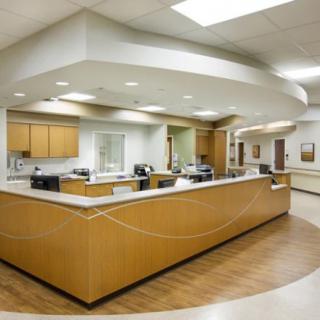
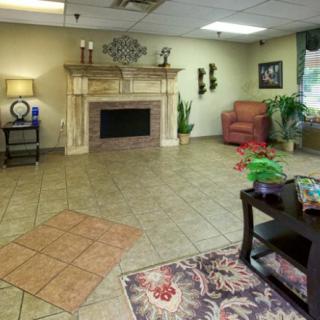
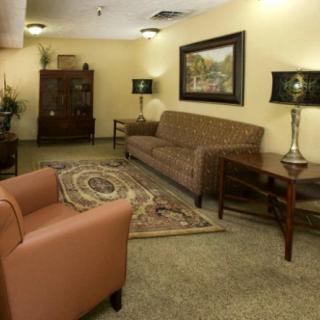
- The facility is clean and welcoming, with friendly, professional staff.
- The care here is excellent, and the staff take pride in their work.
Cons
 CNAs are often working short-staffed, making it impossible for them to do all that needs to be done.
- Nurses are often short-staffed, increasing the risk of mistakes that affect residents.
- Management is slow to respond to problems, and information about issues doesn’t reach someone capable of solving them.
- The price is too high for the service provided, and profit appears to be prioritized over care.
- The company pays staff low wages and shows little interest in improving their financial quality of life.
- Understaffing leads to meds being late and call lights not being answered.
- The weakest links among staff put residents at risk.
Review
This community is best suited for families that prize a clean, well-run environment with dependable daily services and solid rehabilitation options. The facility consistently earns praise for housekeeping, laundry, and general upkeep, and the dining program shows real attention to balanced meals and resident preferences. For families who want a welcoming, orderly setting where residents can move about a tidy campus, AHC Decatur County delivers. The rehab and therapy components also show promise, with staff described as professional and capable when workloads allow, and the physical plant is maintained with pride. In short, this is a practical home base for seniors who value reliability in the basics and can tolerate the realities of a busy skilled-nursing floor.
That said, some families may want to consider alternatives if the priority centers on rock-solid staffing and consistently predictable operations. The most important caveat here is staffing pressure. Multiple reviewers note that CNAs and nurses are frequently working short-staffed, which can slow response times, increase the likelihood of missed calls, and heighten the risk of medication errors. If a family cannot tolerate even occasional delays or the stress of overextended frontline caregivers, it’s prudent to explore facilities with stronger nurse-to-resident ratios and more robust contingency staffing. Additionally, for those watching total cost, the daily private-pay rate is high relative to the service level described by some residents and families, making cost-conscious comparisons essential.
On the strength side, housekeeping and laundry emerge as standout anchors. Clean rooms, well-maintained dining areas, and efficient laundry service create a reliable baseline for daily comfort. The people who manage these tasks, kitchen staff who balance budgets with care for resident needs, and housekeeping teams that keep common areas and rooms presentable, are consistently praised. Outside grounds are tended with care, and the facility itself shows pride in its upkeep. These operating rhythms translate into a sense of daily normalcy and dignity for residents, especially those who spend extended periods inside; a clean, orderly environment reduces anxiety and supports overall well-being.
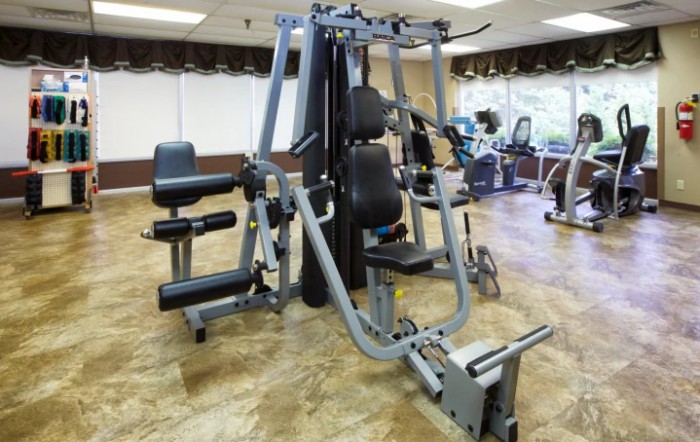
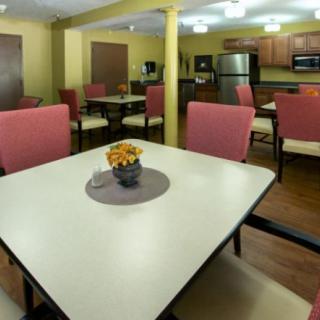
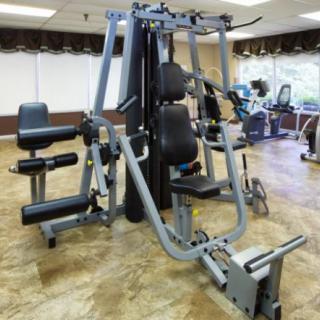
Food service and facility management also offer meaningful positives. The dining team, including cooks and dietary staff, is described as accommodating and mindful of dietary restrictions, which helps residents feel seen and nourished. Management is credited when problems are raised, with some reviewers noting timely resolutions and visible attention from leadership. The facility’s maintenance lead and therapy spaces are highlighted as practical, well-organized resources that support rehabilitation goals, including therapy rooms and a functional rehab program. When conditions are right, staff engaged, residents supported, and management responsive, the care experience can be genuinely commendable.
However, the main weaknesses cannot be ignored. Chronic understaffing drives a cascade of challenges: medication administration can slip, call bells may go unanswered, and the pressure on CNAs and nurses erodes morale and performance. The tension between keeping costs in check and ensuring adequate staffing creates a fault line that reviewers fear can compromise resident safety if not addressed. Some critics go further, contending that ownership’s emphasis on profit can inadvertently deprioritize frontline pay and staffing investments. While such accusations are part of a broader debate in skilled nursing, they land hard for families who need steadier, more predictable support from caregivers.
Ultimately, the balance tilts toward a careful, decision-focused verdict. The positives, the cleanliness, the responsive maintenance, the capable rehab personnel, and the overall dignity afforded to residents, create a credible foundation for care when staffing aligns with demand. Yet those strengths are not immune to the downsides: sporadic delays, potential medication-related risk during peaks, and a price point that may outpace what some families are willing to invest for the level of staffing illustrated in several reviews. The facility’s ability to convert good intentions into consistently reliable care hinges on stabilizing frontline staffing and tightening the communication loop between staff and administration.
For families moving forward, a practical plan is essential. If AHC Decatur County remains under consideration, request a live tour during a typical shift to observe call-light response and medication handling in real time. Ask for current staffing ratios on the floor, and probe how management tracks and closes problems, what changes occurred after prior concerns, and who is accountable for follow-through. Engage directly with CNAs, nurses, and therapists to gauge morale and consistency of care during busy periods. Finally, weigh the price against the demonstrated care quality and whether a contingency with supplemental private-pay options or external respite care could bridge any gaps. In environments where staffing pressures persist, a facility can still be a solid choice, with clear questions, deliberate oversight, and a plan to address the toughest realities of skilled nursing care.
 125 resident community capacity
 Skilled Nursing Facility
 Air-conditioning
 Beauty salon
 Cable or satellite TV
 Computer center
 Dining room
 Fitness room
 Fully furnished
 Gaming room
 Garden
 Housekeeping services
 Kitchenette
 Move-in coordination
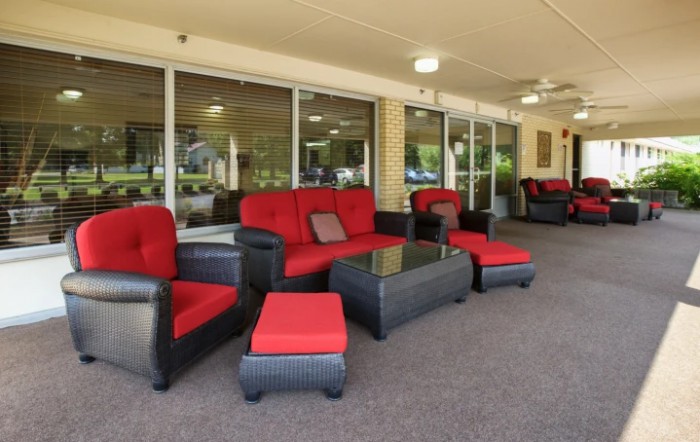
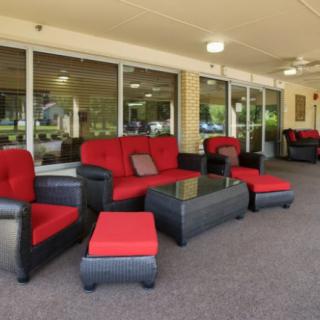
 Outdoor space
 Private bathrooms
 Restaurant-style dining
 Small library
 Telephone
 Wellness center
 Wi-Fi/high-speed internet available
 Community operated transportation
 12-16 hour nursing
 24-hour call system
 Activities of daily living assistance
 Assistance with bathing
 Assistance with dressing
 Assistance with transfers
 Diabetes diet
 Medication management
 Mental wellness program
 Special dietary restrictions
 Concierge services
 Planned day trips




 A Comprehensive Exploration of Common Misunderstandings about Powers of Attorney
 Senior Move Management: Understanding the Role, Value, and Associated Costs
 Weight Training for Seniors: Building Strength and Vitality