For more information about senior living options: (866) 208-4318
4 from 118 reviews
5 stars
84
4 stars
6
3 stars
1
2 stars
0
1 stars
27
Mt. Juliet Health Care Center Costs & Pricing
At Mt. Juliet Health Care Center, the monthly costs for care reflect a higher investment compared to both Wilson County and the broader state of Tennessee. For a semi-private room, residents can expect a fee of $4,050, which notably exceeds the county average of $3,373 and the state average of $3,162. Similarly, the cost for a private room at Mt. Juliet stands at $4,410, surpassing Wilson County's rate of $3,962 and Tennessee's average of $3,696. These pricing differences may suggest an elevated level of services or amenities provided at Mt. Juliet Health Care Center, catering to those seeking quality care in a supportive environment.
Floor plans
Mt. Juliet Health Care Center
Wilson County
Tennessee
Semi-Private
$4,050
$3,373
$3,162
Private
$4,410
$3,962
$3,696
Skilled Nursing Facilities with a similar price nearby
Residents specifically praise wound care nurses for thorough, hands-on help.
Two reviews highlight dedicated wound care nursing as a strong point, describing wound nurses as exceptionally thorough and caring during treatment. In both accounts, families or patients felt more confident because the nurse paid close attention and followed through on wound needs.
caveat2 reviews mention this
Call lights often take too long
Some residents report long delays after using the call light.
A couple of reviews describe call-light waits of about half an hour or longer before help arrived. One account also ties a delay to missed or incorrect meal delivery and requests for specific items, while another mentions being kept waiting for meds and basic assistance for hours.
caveat2 reviews mention this
After-hours access feels difficult
Several visitors struggle to get help entering or leaving after hours.
Two reviews complain about after-hours access, describing locked doors and difficulty getting someone to unlock them. One reviewer also reports confusion about whether door bells work, leading to long waits for staff to respond.
differentiator2 reviews mention this
Food quality gets consistent kudos
Dining earns positive notes, with food described as good and varied.
Residents mention the food positively, including a review that calls the meals very good with a nice variety. The community also offers restaurant-style dining and meal preparation and service, which aligns with the reviews that focus on food quality rather than cafeteria-style meals.
How we summarize
Counts show how many written reviews mention each theme; a review can touch several themes, and only frequently mentioned themes are displayed.
Features
Housing
106 resident community capacity
Types of Care
Skilled Nursing Facility
Amenities
Air-conditioning
Beauty salon
Cable or satellite TV
Computer center
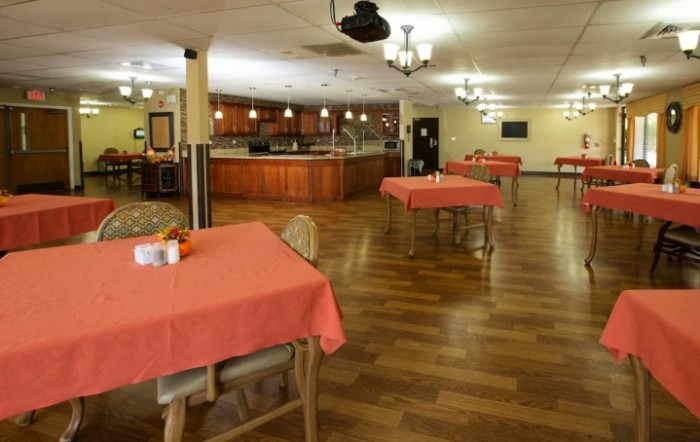
Dining room
Fitness room
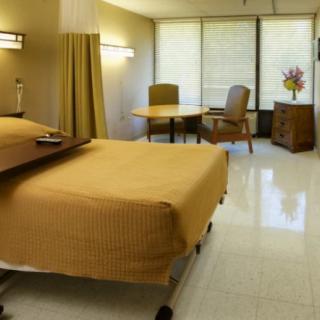
Fully furnished
Gaming room
Garden
Housekeeping services
Kitchenette
Move-in coordination
Outdoor space
Private
Private bathrooms
Restaurant-style dining
Small library
Telephone
Wellness center
Wi-Fi/high-speed internet available
Transportation
Nashville International (11 miles away)
Community operated transportation
Transportation arrangement
Transportation arrangement (non-medical)
Transportation to doctors appointments
Care Services
12-16 hour nursing
24-hour call system
24-hour supervision
Activities of daily living assistance
Assistance with bathing
Assistance with dressing
Assistance with transfers
Diabetes diet
Meal preparation and service
Medication management
Mental wellness program
Special dietary restrictions
Dining
Diabetes diet
Special dietary restrictions
Activities
Community-sponsored activities
Concierge services
Fitness programs
Planned day trips
Resident-run activities
Scheduled daily activities
Nearby Places of Interest
Physicians
Middle Tennessee Family Care - Katherine W Jones MD PLC (0.3 miles)
Elite Audiology & Hearing Care (2 miles)
SimplyCare (2.7 miles)
Witters & Guth Family Clinic: Guth Robert MD (4.5 miles)
Summit Primary Care (5.2 miles)
Tennessee Women's Care (5.3 miles)
Summit Eye Associates PC (5.3 miles)
Restaurants
Sonic Drive-In (1 miles)
Gourmet Donuts (1.3 miles)
Corner Pub Between The Lakes (1.5 miles)
Slim Chickens (1.5 miles)
McDonald's (1.7 miles)
Hardee's (1.7 miles)
Domino's Pizza (1.9 miles)
Parks
Charlie Daniels Park (1.2 miles)
Walnut Grove Park (3.2 miles)
Providence - Walk Bike Run Trail (3.3 miles)
South Mt. Juliet City Park (3.4 miles)
Pharmacies
Walgreens (1.7 miles)
CVS Pharmacy (2.8 miles)
Walgreens (3 miles)
Kroger Pharmacy (3 miles)
Walgreens (4 miles)
Kroger Pharmacy (4.8 miles)
CVS Pharmacy (4.8 miles)
Transportation
Enterprise Rent-A-Car (1.7 miles)
Music City Star (8.9 miles)
Cafes
Just Love Coffee Cafe - Mt. Juliet (2.7 miles)
Panera Bread (2.9 miles)
Starbucks (3.1 miles)
Starbucks (4.4 miles)
Starbucks (5.6 miles)
Dutch Bros Coffee (5.8 miles)
Lyncoya Cafe (8.6 miles)
Places of Worship
St Stephen's (3 miles)
Central Pike Church of Christ (4.2 miles)
Tulip Grove Baptist Church (4.8 miles)
Hermitage Church of Christ (5.8 miles)
First United Methodist Church (8.4 miles)
The Glade Church (8.8 miles)
The Movement Church (8.9 miles)
Hospitals
Allergy & Ent Associates Of Middle Tennessee Pc (5.3 miles)
At Mt. Juliet Health Care Center, the monthly costs for care reflect a higher investment compared to both Wilson County and the broader state of Tennessee. For a semi-private room, residents can expect a fee of $4,050, which notably exceeds the county average of $3,373 and the state average of $3,162. Similarly, the cost for a private room at Mt. Juliet stands at $4,410, surpassing Wilson County's rate of $3,962 and Tennessee's average of $3,696. These pricing differences may suggest an elevated level of services or amenities provided at Mt. Juliet Health Care Center, catering to those seeking quality care in a supportive environment.
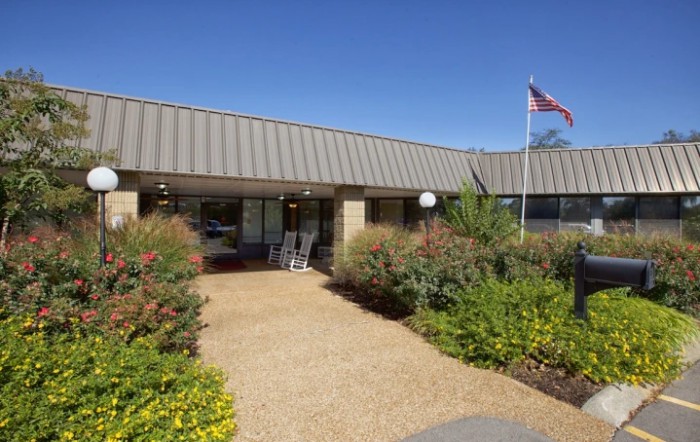
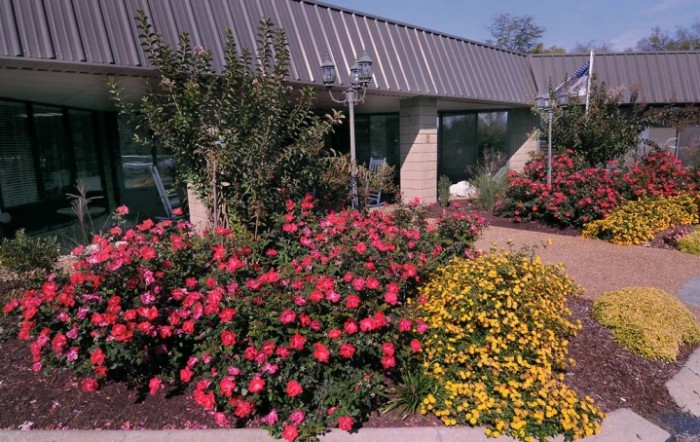
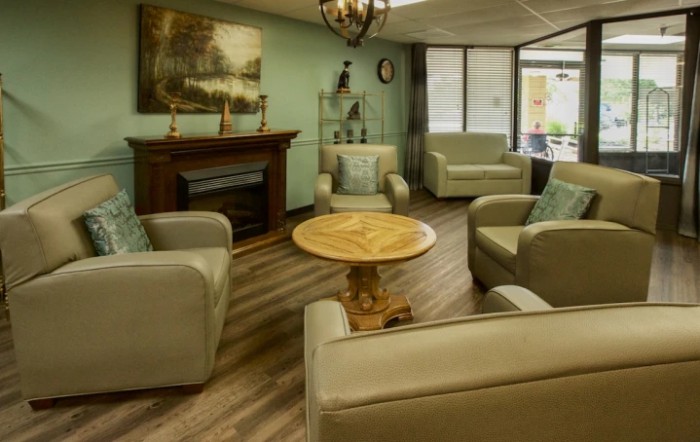
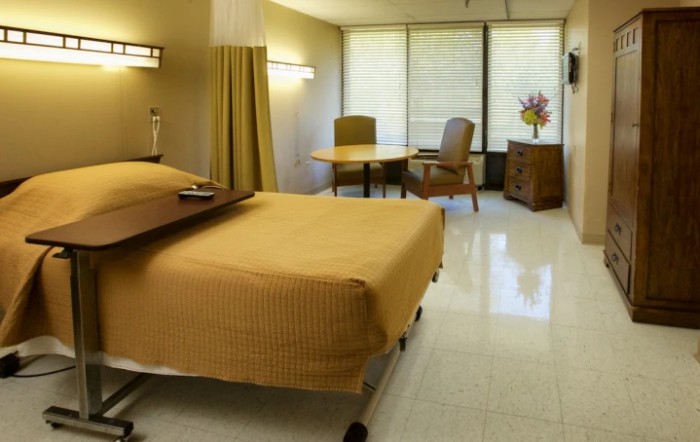
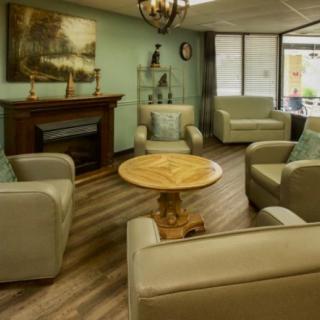
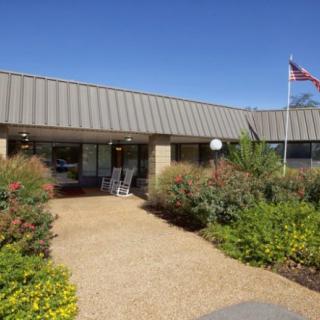
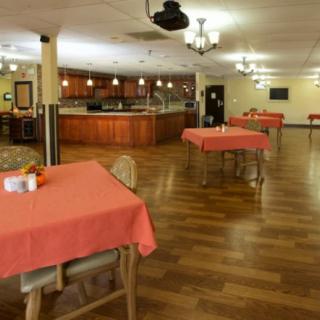
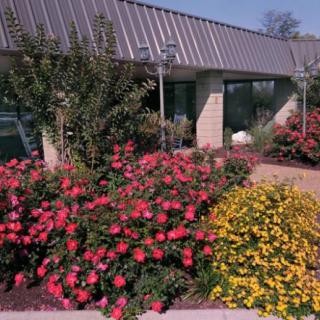
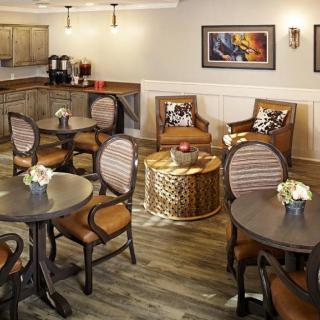
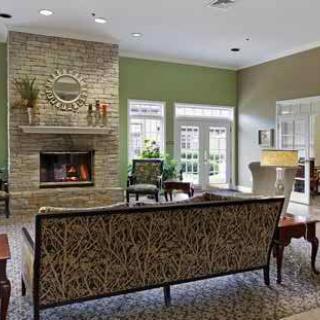
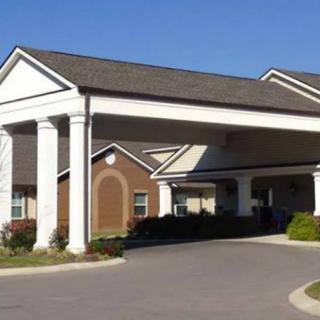
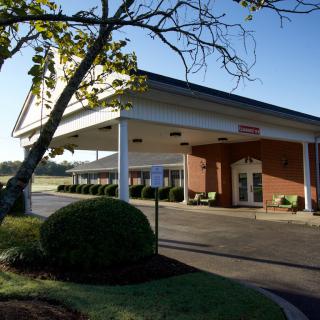
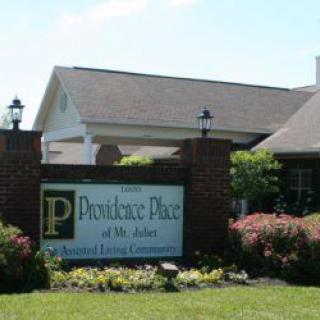
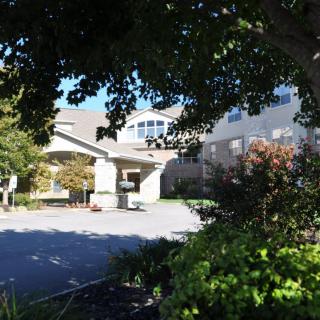
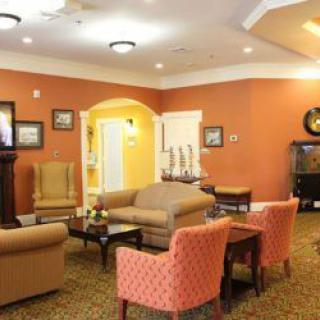
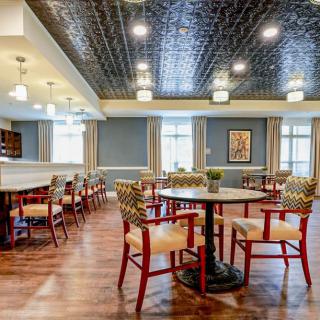
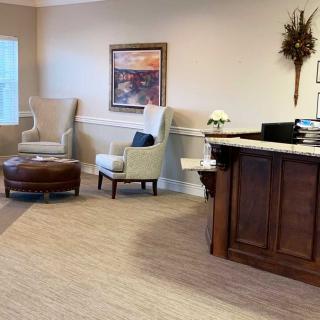
Mt. Juliet Health Care Center on seniors.fyi includes 7 photos including images showing interior, landscaping, dining, building, flag, garden, shrubs, outdoor, and more.
Nearby Communities
The Capstone At Mt. Juliet (Coming Late 2023)
Mt. Juliet, TN
4.5 from 62 reviews
Specialized memory care with 24/7 supervision and comprehensive ADL support, plus restaurant-style dining and on-site amenities.
Interim HealthCare of Hendersonville
Mount Juliet, TN
4.9 from 16 reviews
Excellent access to nearby dining, healthcare resources, parks, and transportation.
Harmony at Mt Juliet
Mount Juliet, TN
4.1 from 68 reviews
$2,995 to $5,545 / month
Friendly staff, engaging activities, and a clean, welcoming environment.
272 The Gardens At Providence Place
Mount Juliet, TN
4.2 from 26 reviews
$5,000 to $5,500 / month
Attentive staff delivering personalized care; clean and orderly environment.
Providence Place Of Mt. Juliet
Mount Juliet, TN
4.5 from 81 reviews
$3,610 to $6,745 / month
Clean, welcoming community with attentive staff and good dining.
Rutland Place
Mount Juliet, TN
4.8 from 187 reviews
$2,352 to $3,465 / month
Strong sense of community with friendly, attentive staff and well-maintained facilities.
Carrick Glen Senior Living
Mount Juliet, TN
4.2 from 64 reviews
$3,350 to $4,950 / month
Friendly, attentive staff in a well-maintained, engaging community.
Harmony At Mt. Juliet
Mt. Juliet, TN
4.1 from 48 reviews
Brand-new, hotel-like facility with attentive staff, quality dining, and ample on-site amenities.
Maristone Of Providence
Mt. Juliet, TN
4.4 from 85 reviews
$3,805 to $5,125 / month
Friendly staff, clean facilities, engaging activities, and a smaller, home-like setting.
The guide on blood pressure charts for older adults stresses the importance of understanding normal and high blood pressure readings influenced by age, genetics, and lifestyle, while emphasizing regular monitoring and lifestyle modifications to prevent serious health issues. It provides insights into blood pressure categories, dietary recommendations, medication considerations, and the role of caregivers in supporting healthy habits.
The article explores the complexities of using Social Security to finance long-term nursing home care in the U.S., detailing eligibility requirements and misconceptions, while emphasizing that these benefits often do not cover full costs and highlighting the need for strategic financial planning and professional guidance.
Pneumonia significantly affects older adults due to weakened immune systems and atypical symptoms that complicate diagnosis, necessitating early detection and tailored treatment. Risk factors include chronic diseases and cognitive impairments, with preventive measures like vaccinations and healthy lifestyles being crucial for reducing risk.
Get PricingAsk A QuestionSchedule A TourContact Senior Advisor
By clicking submit, you agree to our Partner's Terms of Use. You
also consent to receive calls and texts, which may be autodialed, from our Partner. Your consent is not a condition to
using our Partner's service. Please visit our Partner's Privacy Policy for information about their privacy practices.



 106 resident community capacity
 Skilled Nursing Facility
 Air-conditioning
 Beauty salon
 Cable or satellite TV
 Computer center
 Dining room
 Fitness room
 Fully furnished
 Gaming room
 Garden
 Housekeeping services
 Kitchenette
 Move-in coordination
 Outdoor space
 Private
 Private bathrooms
 Restaurant-style dining
 Small library
 Telephone
 Wellness center
 Wi-Fi/high-speed internet available
 Nashville International (11 miles away)
 Community operated transportation
 12-16 hour nursing
 24-hour call system
 Activities of daily living assistance
 Assistance with bathing
 Assistance with dressing
 Assistance with transfers
 Diabetes diet
 Medication management
 Mental wellness program
 Special dietary restrictions
 Concierge services
 Planned day trips
 Specialized memory care with 24/7 supervision and comprehensive ADL support, plus restaurant-style dining and on-site amenities.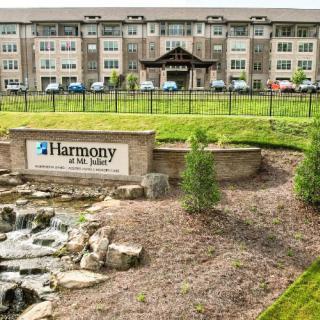
 Comprehensive Guide to Blood Pressure Charts for Older Adults: Understanding Normal and High Readings by Age
 Financing Long-Term Nursing Home Care Through Social Security: A Thorough Exploration
 Essential Knowledge on Pneumonia in Older Adults