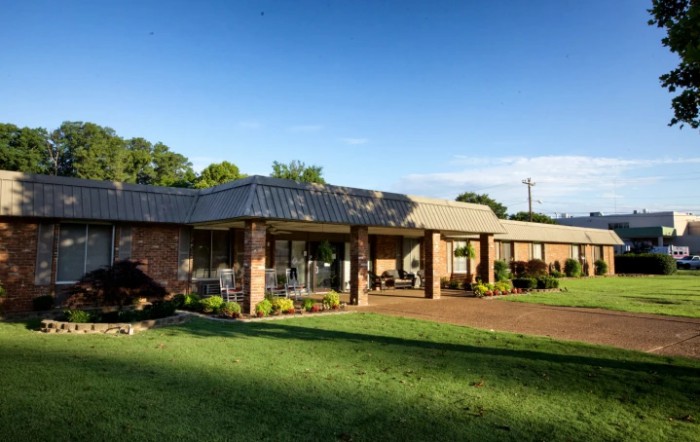
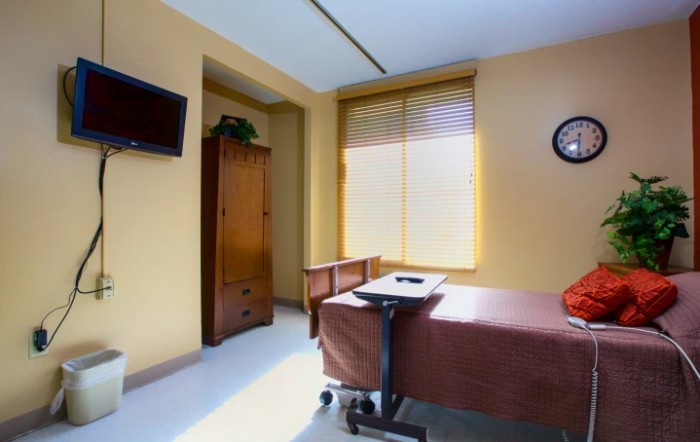
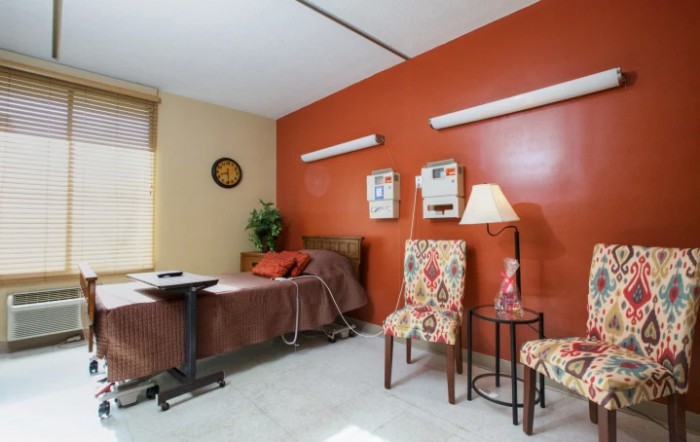
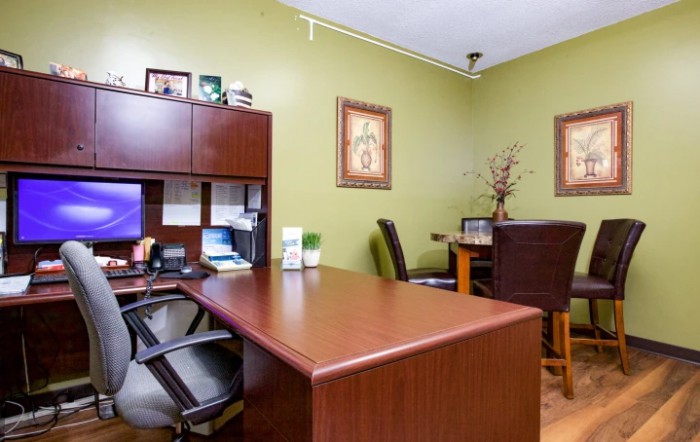
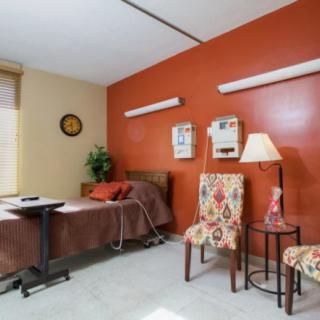

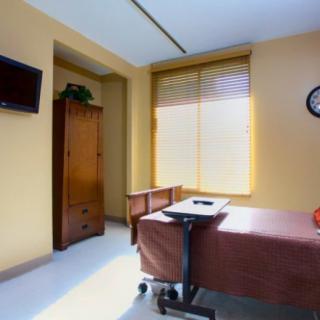


45 Forest Cove, Jackson, TN 38301
For more information about senior living options: (866) 208-4318
Overall Review of Forest Cove Nursing And Rehab Center
Pros
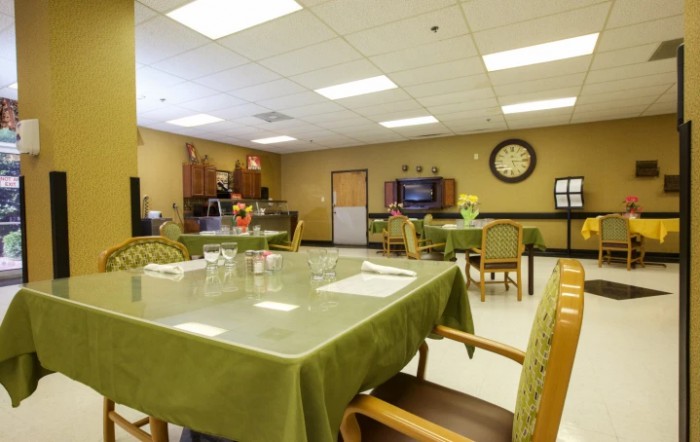
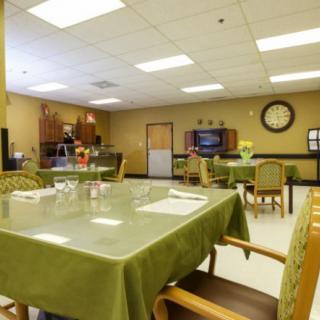
 The dining room setup is very nice.
- The food is OK.
Cons
 The facility did not have enough staff.
- The staff did not interact with the patients.
- There were not enough activities.
- The dietitian disobeyed the doctor's order and set the feeding at 40 ml instead of 50 ml.
- The patient lost weight, dropping to 84 pounds.
- The patient developed a pressure ulcer on the left hip.
- The patient was not turned every two hours.
- The patient said Forest Cove Manor is a business.
- The reviewer would not recommend Forest Cove Manor Nursing Rehabilitation Center.
Review
Forest Cove Nursing and Rehab Center in Jackson, Tennessee, is best suited for seniors who need routine, low-to-moderate care and want a dining environment that feels pleasant, with straightforward post-acute rehabilitation as a potential path. It is not a high-touch, medically complex facility. Families should enter with the understanding that staffing levels are lean and daily engagement may be limited, which makes it reasonable for residents with minimal supervision needs but risky for those requiring consistent monitoring or intensive therapy.
Alternatives should be strongly considered for residents with significant medical needs, cognitive or physical limitations, or for families who cannot tolerate variability in daily care. If a loved one requires frequent turning, wound care, feeding-tube management, or close oversight of nutrition and medications, other facilities with higher staff-to-resident ratios and dedicated clinical teams are likely to deliver more reliable protection. Those seeking a robust activities calendar and social programming may also want to compare centers with fuller activity offerings.
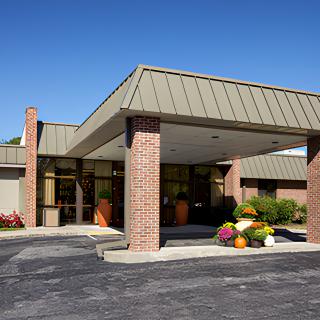
On the upside, Forest Cove's dining room is described as a strong physical feature and meals are generally acceptable. For residents who place value on a predictable dining environment and a calm, orderly setting, these elements can support daily quality of life even when clinical oversight isn't perfect. The rehab program exists as a baseline option, and some residents may experience adequate progress with minimal supervision when staff are on hand.
But the critical drawbacks are severe enough to overshadow those positives. The most persistent concern is staffing – not enough staff leads to limited patient interaction and insufficient supervision. The lack of meaningful activities compounds the risk of social isolation. In worst-case accounts, a resident with a trach, oxygen, feeding tube, and catheter suffered weight loss after a dietician reportedly overruled a doctor's order, leading to a pressure ulcer from not being turned frequently enough. Another resident's family described the facility as behaving like a business rather than a caring home, which erodes trust and signals that residents' needs may be deprioritized when margins are tight.
These red flags matter because they directly touch safety and outcomes. The same issues that undermine person-centered care, understaffing, inadequate routine turning, and limited monitoring, also undermine recovery, wound prevention, and nutrition management. While the pleasant dining room and standard rehab services are not worthless, they do not compensate for the risk profile presented by inconsistent staffing and questionable clinical follow-through. For families prioritizing peace of mind and predictable, attentive care, Forest Cove's current profile argues strongly for looking elsewhere.
To make a well-informed decision, prospective families should demand concrete answers before placing a loved one. Request current staff-to-resident ratios by shift, and insist on seeing the facility's wound-care protocols, feeding-therapy oversight, and turning schedules. Ask to speak with the director of nursing about how incidents are reviewed and what guarantees exist for nursing supervision after hours. Review state inspection reports and ask for recent resident satisfaction data. If choosing to stay, plan for regular family involvement and consider supplementary home-visit oversight. Otherwise, pursue options with higher staffing, stronger clinical teams, and a more expansive activity calendar to match the resident's needs.
 170 resident community capacity
 Skilled Nursing Facility
 Air-conditioning
 Beauty salon
 Cable or satellite TV
 Computer center
 Dining room
 Fitness room
 Fully furnished
 Gaming room
 Garden
 Housekeeping services
 Kitchenette
 Move-in coordination
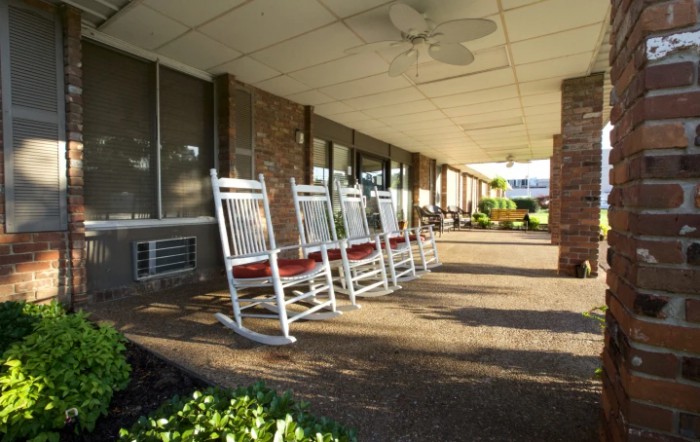
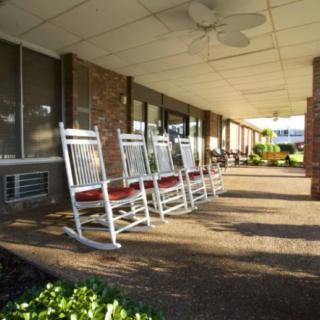
 Outdoor space
 Private bathrooms
 Restaurant-style dining
 Small library
 Telephone
 Wellness center
 Wi-Fi/high-speed internet available
 Community operated transportation
 12-16 hour nursing
 24-hour call system
 Activities of daily living assistance
 Assistance with bathing
 Assistance with dressing
 Assistance with transfers
 Diabetes diet
 Medication management
 Mental wellness program
 Special dietary restrictions
 Concierge services
 Planned day trips






 Fecal Incontinence in Older Adults: A Comprehensive Guide
 Recognizing the Journey: Understanding and Navigating Anticipatory Grief
 Encouraging Participation in Adult Day Care: A Guide to Supporting a Hesitant Parent