Lewis County Nursing And Rehabilitation Center in Hohenwald, TN
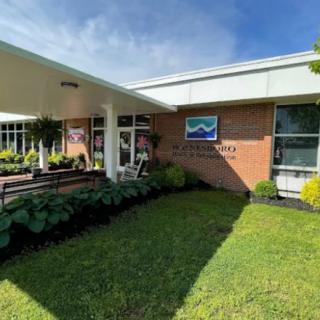
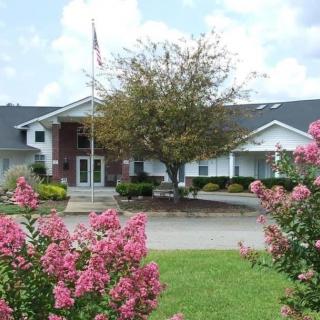
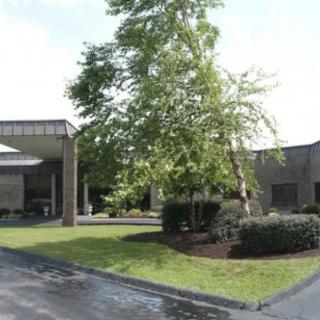
Lewis County Nursing And Rehabilitation Center is a nursing home community in Hohenwald, TN.
Information last verified:
119 Kittrell Street, Po Box 129, Hohenwald, TN 38462
For more information about senior living options: (866) 208-4318
3.6 from 46 reviews
5 stars
27
4 stars
2
3 stars
2
2 stars
3
1 stars
12
Overall Review of Lewis County Nursing And Rehabilitation Center
common5 reviews mention this
Activities keep residents engaged
Residents are described as staying engaged through planned daily activities.
Multiple reviewers highlight the variety and consistency of activities, including resident outings and daily programming. Several specifically praise the activity director for planning fun and getting residents out of their rooms. This lines up with the community’s listed activity offerings, including scheduled daily activities, planned day trips, and resident-run options.
common5 reviews mention this
Families appreciate regular updates
Families report getting timely updates about care changes.
Reviewers mention communication that helps families stay informed, including calls or messages when care changes happen. A few also describe staff contacting them quickly about concerns and even reaching out outside normal hours when needed. The community also emphasizes ongoing meal preparation and medication management needs, which is consistent with why families may be looking for status updates.
common13 reviews mention this
Caring, friendly staff stands out
Many residents and families describe the staff as kind and helpful.
Across the reviews, people frequently describe staff as polite, accommodating, and quick to respond to concerns. Several reviewers specifically say caregivers help loved ones feel comfortable and provide reassurance, and one visitor notes that administration and nursing answered questions with a friendly attitude. The community also lists day-to-day assistance services like bathing, dressing, transfers, and medication management that match the kind of care families are discussing.
common3 reviews mention this
Rehab and therapy support
Residents coming for rehab are described as receiving therapy support.
One reviewer describes a loved one transitioning from rehab to long-term care, and another points to a physical therapy department as a strong part of the experience. A separate review discusses pain management during recovery after surgery, reflecting expectations for rehab-style support. The community’s care services also include assistance with activities of daily living and meal preparation, which are commonly needed alongside therapy.
caveat6 reviews mention this
Staffing and response issues recur
Some residents and families report delays and trouble getting help.
Several critical reviews describe limited responsiveness when help is needed, including long waits and times when staff seemed hard to find. A few also mention issues with medication timing, call-button access, and overall understaffing, with knock-on effects like missed or limited care during recovery. These reports contrast with the positive staff responsiveness described by other reviewers.
caveat2 reviews mention this
Cleanliness and odor complaints appear
A subset of reviews mention dirty conditions or strong odors.
While some reviewers praise the facility as clean and updated, other residents and families complain about unpleasant smells and dirty conditions. One review ties this to understaffing and missed routine care like cleaning and feeding on time. Another critic notes persistent odor along with concerns about staffing and administration.
How we summarize
Counts show how many written reviews mention each theme; a review can touch several themes, and only frequently mentioned themes are displayed.
Features
Housing
131 resident community capacity
Types of Care
Skilled Nursing Facility
Amenities
Air-conditioning
Beauty salon
Cable or satellite TV
Computer center
Dining room
Fitness room
Fully furnished
Gaming room
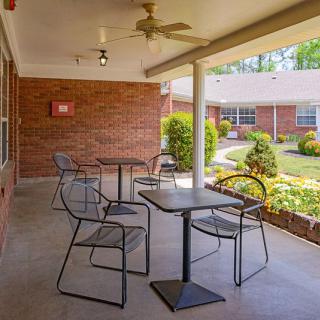
Garden
Housekeeping services
Kitchenette
Move-in coordination
Outdoor space
Private bathrooms
Restaurant-style dining
Small library
Telephone
Wellness center
Wi-Fi/high-speed internet available
Transportation
Community operated transportation
Transportation arrangement
Transportation arrangement (non-medical)
Transportation to doctors appointments
Care Services
12-16 hour nursing
24-hour call system
24-hour supervision
Activities of daily living assistance
Assistance with bathing
Assistance with dressing
Assistance with transfers
Diabetes diet
Meal preparation and service
Medication management
Mental wellness program
Special dietary restrictions
Dining
Diabetes diet
Special dietary restrictions
Activities
Community-sponsored activities
Concierge services
Fitness programs
Planned day trips
Resident-run activities
Scheduled daily activities
Nearby Places of Interest
Hospitals
Lewis County Manor (0 miles)
Hohenwald Medical Center (0.6 miles)
Saint Thomas Hickman Hospital (16.7 miles)
Hickman Community Hospital (16.7 miles)
Perry Community Hospital (17.2 miles)
Physicians
Lewis Ambulatory Care Center (0.1 miles)
Hensley Joey MD (0.2 miles)
Centennial Heart (0.2 miles)
Perry County Medical Center (16 miles)
Walk In Clinic (16 miles)
Perry County Health Council (16.1 miles)
Averett Medical Group (16.2 miles)
Parks
Lewis County Base Ball (0.5 miles)
Memorial Park (0.6 miles)
Meriwether Lewis National Monument (6.5 miles)
Von Warfenburg (16.5 miles)
Lewis State Forest (16.8 miles)
Places of Worship
Sweet Water House Of Prayer (0.5 miles)
Holy Trinity Catholic Church (0.6 miles)
The Dwelling Place (0.6 miles)
Whatever Endeavors (0.6 miles)
First United Methodist Chr Prsng (0.6 miles)
Hohenwald First United Methodist Church (0.6 miles)
Adult day care programs offer essential support and activities for older adults, yet many hesitate to participate due to concerns about independence and stigma. To alleviate these apprehensions, families should facilitate open discussions, explore financial resources, suggest trial visits, and collaborate with healthcare providers to highlight the benefits of such services for both the participants and their caregivers.
Living wills and advance directives are crucial legal documents that outline an individual's healthcare preferences when they cannot make decisions themselves, enhancing patient autonomy and alleviating family stress during medical crises. The article emphasizes the need for these documents to be personalized, legally valid, and regularly updated, while also encouraging communication about end-of-life wishes among family members and healthcare providers.
The article examines living wills and advance directives, highlighting their significance in expressing healthcare preferences for those unable to communicate due to illness or incapacity. It discusses their historical development, legal components, limitations, practical drafting advice, and the importance of clear communication among families and healthcare professionals regarding end-of-life decisions.
Get PricingAsk A QuestionSchedule A TourContact Senior Advisor
By clicking submit, you agree to our Partner's Terms of Use. You
also consent to receive calls and texts, which may be autodialed, from our Partner. Your consent is not a condition to
using our Partner's service. Please visit our Partner's Privacy Policy for information about their privacy practices.

 131 resident community capacity
 Skilled Nursing Facility
 Air-conditioning
 Beauty salon
 Cable or satellite TV
 Computer center
 Dining room
 Fitness room
 Fully furnished
 Gaming room
 Garden
 Housekeeping services
 Kitchenette
 Move-in coordination
 Outdoor space
 Private bathrooms
 Restaurant-style dining
 Small library
 Telephone
 Wellness center
 Wi-Fi/high-speed internet available
 Community operated transportation
 12-16 hour nursing
 24-hour call system
 Activities of daily living assistance
 Assistance with bathing
 Assistance with dressing
 Assistance with transfers
 Diabetes diet
 Medication management
 Mental wellness program
 Special dietary restrictions
 Concierge services
 Planned day trips
 Extensive on-site amenities and comprehensive care services.

 Encouraging Participation in Adult Day Care: A Guide to Supporting a Hesitant Parent
 Comprehensive Exploration of Living Wills and Other Advance Directives
 A Detailed Exploration of Living Wills and Advance Directives