


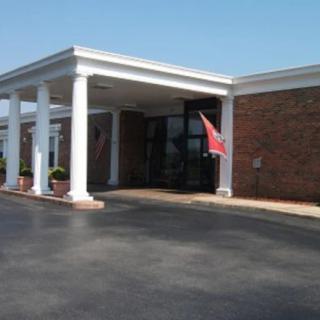
409 Grady Road, Po Box 957, Etowah, TN 37331
To contact a resident: (423) 263-1138
For more information about senior living options: (866) 208-4318
Overall Review of Etowah Health Care Center
Pros
 The nurses were sweet.
- They were very good and took great care of him.
- They helped her walk and eat, and she had a great few months of life.
- They take good care of her.
- The facility provides peace of mind that loved ones are well cared for when family cannot be present.
- The staff were kind and helpful and treated him very well.
- Etowah Health Care has a great reputation.
Cons
 The facility was the absolute worst in the area.
- She was not well taken care of, and her medication was changed without notice.
- They wouldn’t give her the medications she was supposed to have, despite pleas.
- By the end, she was unrecognizable to those around her.
- After she passed away, money in her personal account disappeared.
- The front office staff were extremely rude.
- There was not enough staff in the facility.
- The place was horrible and not recommended.
Review
Etowah Health Care Center is best suited for families seeking short-term rehab, wound care, or steady daily assistance in a small-town setting where staff relationships can translate into real progress and reliable bedside support. The facility earns praise when assistance is focused, therapy is accessible, and residents show tangible gains, neighbors who know the routine, therapists who push progress, and a sense that nearby hospital resources are within easy reach. For families prioritizing a concrete path to mobility, independent function, or a smooth transition back home, this center often delivers. The upside is clear: compassionate caregivers, accessible therapy teams, and a climate where residents are treated with warmth, not indifference. This makes Etowah a strong option for scenarios centered on rehabilitation milestones, personal reassurance, and continuity of care in a community-minded setting.
That said, potential residents and their loved ones should consider alternatives if the care needs include stringent medication governance, robust financial accountability, or a staffing model capable of full 24/7 oversight. Several reviews flag inconsistent medication handling and changes without notice, plus pockets of administrative friction and occasional rude front-office interactions. Not every problem surfaces in every shift, but the risk of medication missteps or unclear accountability matters for anyone counting on precise pharmacological management. Likewise, a pattern of “not enough staff” raises questions about consistent supervision, timely showers, and the capacity to address urgent needs outside scheduled routines. Families needing highly regulated care, strong memory-care oversight, or a facility with a rock-solid governance framework may want to look at options with more explicit policies and higher staffing ratios.
The strongest positives here are the evident moments when care staff align with resident goals: stories of regained mobility, improved eating and walking during rehab, and the gratitude of families who feel their loved ones are cherished when staff are kind and proactive. In several accounts, residents leave stronger or more capable than when they arrived, and families gain peace of mind from knowing a familiar, friendly team is guiding recovery. The proximity to hospital resources in a small town also reduces logistics stress for families during therapy and discharge planning. When these elements coincide, effective physical therapy, patient encouragement, and staff who remember preferences, the program can deliver meaningful, measurable improvements that make the investment worthwhile.
Yet the overall equation remains uneven. The same environment that fosters personal connections can also expose gaps in consistency and governance. The most consequential concerns, medication changes without proper notification, potential gaps in medication administration, and questions about where funds and private assets are held, can quickly erode trust and complicate family decision-making. Staffing patterns, flagged as not generous enough, threaten reliability and timely care during off-peak hours or on weekends. In situations where a loved one requires close medication oversight or a high degree of visible, daily accountability, these cons are not easily dismissed. In short, the pros can offset specific rehab goals, but they do not neutralize the risk profile for families prioritizing medication safety and operational transparency.
Families navigating this facility should approach with a plan that prioritizes clarity, accountability, and proactive communication. Before any move, demand a detailed, written care plan that outlines daily therapy schedules, medication reconciliation processes, and the physician’s reading of medical priorities. Insist on a clear medication-management protocol, including who approves changes, how family members are notified, and how discrepancies are tracked. Request a tour of the facility’s administrative workflow, ask for a copy of the grievance procedure, and confirm staffing ratios for day and night shifts. Bring a trusted advocate to questions about hygiene, shower frequency, and routine monitoring, and require straightforward documentation of any financial arrangements or personal funds held on behalf of the resident. Finally, consider an initial trial period with defined milestones to assess whether the balance of care and governance aligns with expectations.
The practical takeaway is balanced: Etowah Health Care Center can be a solid choice for rehab-focused stays and for families who value warm, approachable caregivers and proximity to medical care in a small-town frame. It rewards those who can insist on strict medication oversight and transparent administration, while it warns against relying on consistently flawless execution where staffing gaps and governance questions persist. For families weighing alternatives, look toward facilities with demonstrably higher staffing coverage and explicit medication-management safeguards, especially if the resident requires complex or change-prone regimens. When evaluating Etowah, anchor the decision in a clear care plan, confirm governance around finances, and set concrete expectations for therapy outcomes and daily support.
 120 resident community capacity
 Skilled Nursing Facility
 Air-conditioning
 Beauty salon
 Cable or satellite TV
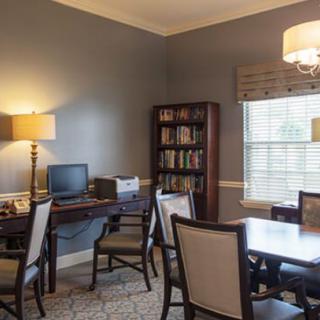
 Computer center
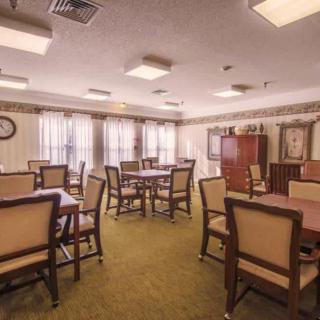
 Dining room
 Fitness room
 Fully furnished
 Gaming room
 Garden
 Housekeeping services
 Kitchenette
 Move-in coordination
 Outdoor space
 Private bathrooms
 Restaurant-style dining
 Small library
 Telephone
 Wellness center
 Wi-Fi/high-speed internet available
 Community operated transportation
 12-16 hour nursing
 24-hour call system
 Activities of daily living assistance
 Assistance with bathing
 Assistance with dressing
 Assistance with transfers
 Diabetes diet
 Medication management
 Mental wellness program
 Special dietary restrictions
 Concierge services
 Planned day trips
 Comprehensive Insights into Palliative Home Care: What It Is and What to Expect
 Skilled Nursing Facilities vs. Nursing Homes: Making Sense of the Differences
 A Detailed Examination of Nursing Home Costs Across the U.S.