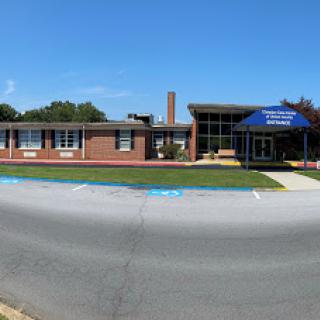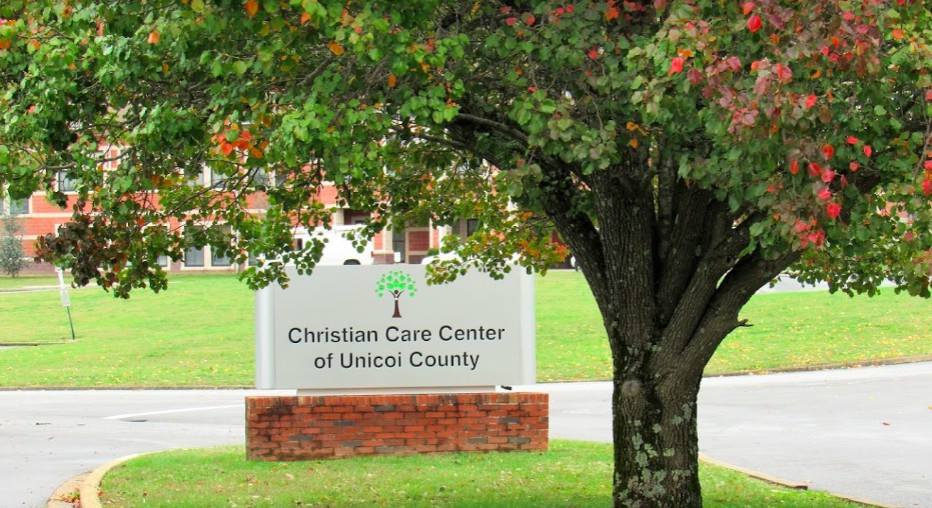
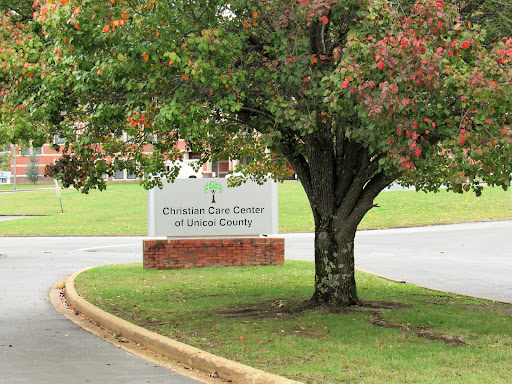
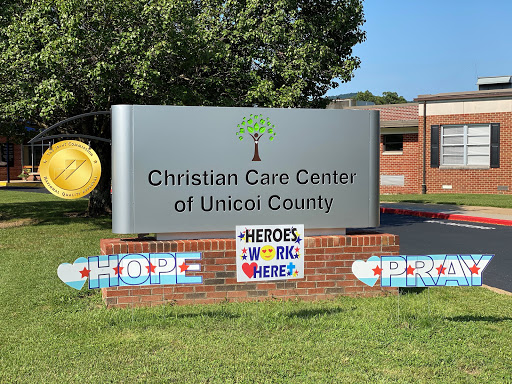
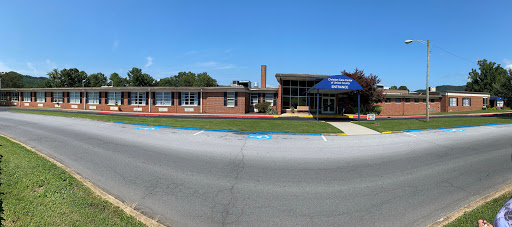
100 Greenway Circle, Erwin, TN 37650
For more information about senior living options: (866) 208-4318
Overall Review of Christian Care Center Of Unicoi County
Pros
 The staff were very caring and attentive.
- The staff treat the residents with total respect and caring.
- They are committed to outstanding care and continually put the residents first.
- The employees go above and beyond to make the residents happy, and the nursing and therapy staff give excellent care.
- The facility is great and has staff that truly care about the residents.
- The staff are among the most caring people.
- Residents now have private rooms.
- The facility has implemented improvements such as an updated HVAC system, new medication carts, security cameras and doors, and new furniture in the common areas.
Cons
 The experience at Christian Care was not healing nor pleasant.
- It was short-staffed (a CNA was also the cook) and the food choices were not diabetic or heart-healthy friendly.
- The dietary approach relied on high carbs, which is not healing for the immune-compromised.
- Communication from admission to discharge was severely lacking, with the mother’s pneumonia not verbally informed to the family.
- The round-table leaders did not listen to family members.
- There is a lack of advocacy for patients, especially the elderly, among the staff.
- Understaffing and management issues, including shortages of supplies and help, were evident.
Review
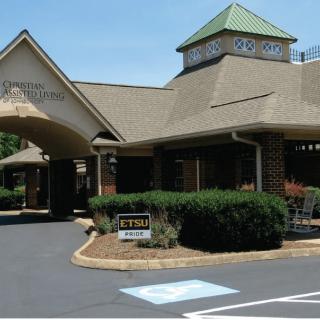
Christian Care Center Of Unicoi County in Erwin, TN is best suited for seniors who are recovering from an acute illness or injury and want a warm, patient-focused rehab environment where nurses, CNAs, and therapy staff demonstrate genuine care. The facility has shown strong results in post-hospital rehab, particularly for those who have suffered a fracture or cardiac event, with families noting that residents receive attentive, respectful treatment and that therapy teams push for meaningful recovery. For families prioritizing hands-on attention and a home-like atmosphere, this community delivers a compelling degree of warmth and practical support that can make a real difference in short-term recovery.
Those who should consider alternatives are primarily families who cannot tolerate persistent staffing gaps, inconsistent dietary controls, or opaque discharge communications. The most credible concerns among reviewers center on understaffing, sometimes with a CNA carrying multiple roles, and on menus that have not consistently aligned with diabetic or heart-healthy needs. Discharge planning has also been a notable friction point, with families reporting lapses in timely, direct communication about a resident’s status. If reliable, transparent communication and a stable, predictable care routine are non-negotiables, it is prudent to explore other options or to demand concrete assurances in writing before committing.
The strongest arguments in favor here revolve around the personnel and the recovery-oriented mindset. Comments repeatedly praise the staff for treating residents with kindness and respect, and for going “above and beyond” in ways that visibly affect daily life and morale. Therapists and nursing staff are cited as delivering solid rehab, helping residents regain function and independence after serious health events. Improvements in the facility itself, private rooms for residents, updated HVAC, new medication carts, security cameras, and refreshed common areas, signal a commitment to creating a safer, more comfortable environment. When a center backs care with tangible upgrades and a resident-first ethos, the positives can outweigh operational rough edges, especially in the short-to-mid term.
However, the observed cons are not trivial. Ongoing staffing pressures can translate into slower response times, less individualized attention, and administrative gaps that complicate care coordination. Mobility in the kitchen, with a CNA also covering food preparation, hints at workflow strains that can ripple into meal quality and consistency. The dietary gaps, especially for residents requiring heart-healthy or diabetic-friendly options, are a real risk for those with complex medical needs. Communication lapses around discharge can leave families feeling sidelined at moments when clear, proactive updates are essential for peace of mind and continuity of care. Management perceptions vary among reviewers, with some pointing to leadership turnover as a factor in the day-to-day experience.
For families evaluating a decision, several concrete steps should guide the process. Ask for current nurse-to-patient ratios and the availability of a dedicated dietitian or nutritionist, plus a review of the menu options that accommodate diabetes and heart health. Inquire about the exact discharge planning protocol: who is in the loop, how often families are updated, and what contingencies exist if a patient’s condition changes quickly. Request a face-to-face meeting with the clinical leadership team and a tour that emphasizes recent renovations and safety features. Finally, obtain a clear sense of who is responsible for care rounds and how family input is incorporated into the plan of care, especially for the days surrounding a transfer or discharge.
Overall, Christian Care Center Of Unicoi County stands out as a practical choice for families prioritizing genuine caregiver warmth and solid rehab outcomes within a modernized, ward-approved setting. The facility’s improvements and the evident dedication of many staff members create a compelling platform for recovery and daily life, particularly when short-term goals are the focus. Yet the decision should be tempered by a clear-eyed view of staffing stability and communication reliability. If those elements are addressed to the family’s satisfaction, this community can be a strong, value-driven option. If not, or if long-term custodial certainty and airtight, proactive family communication are non-negotiable, it makes sense to compare alternatives that offer more consistent staffing models and rock-solid discharge processes before committing.
 46 resident community capacity
 Skilled Nursing Facility
 Beauty salon
 Cable or satellite TV
 Dining room
 Fully furnished
 Garden
 Housekeeping services
 Kitchenette
 Move-in coordination
 Outdoor space
 Restaurant-style dining
 Small library
 Telephone
 Wi-Fi/high-speed internet available
 Tri-Cities Regional (24 miles away)
 24-hour call system
 Activities of daily living assistance
 Assistance with bathing
 Assistance with dressing
 Assistance with transfers
 Diabetes diet
 Medication management
 Mental wellness program
 Special dietary restrictions


 Urinary Tract Infections in Older Adults: Comprehensive Insights on Symptoms, Treatment, and Prevention
 California's Form 602A: An In-Depth Examination of Senior Care Assessment
 Comprehensive Look at Senior Blood Pressure Charts: Normal and Elevated Levels by Age