
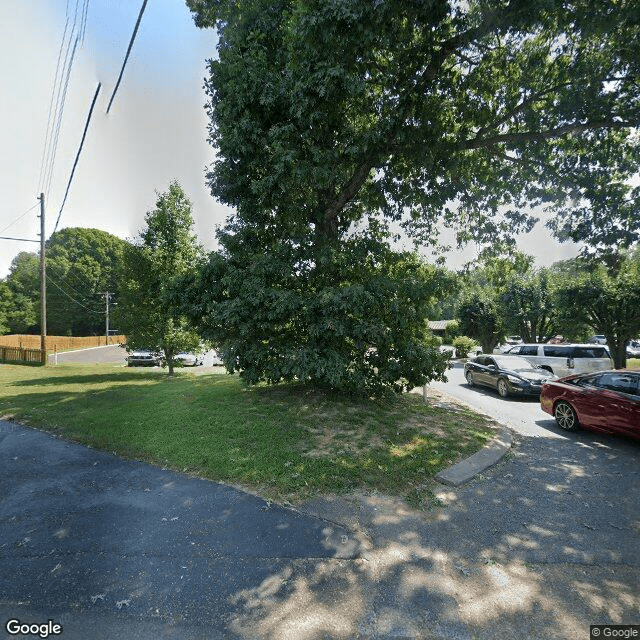
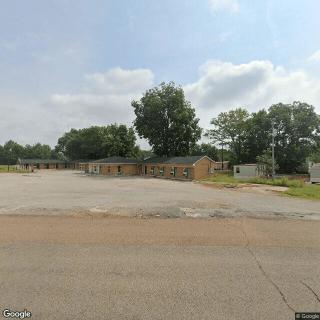
1900 Parr Ave, Dyersburg, TN 38024
To contact a resident: (901) 286-1221
For more information about senior living options: (866) 208-4318
Overall Review of Dyersburg Manor Nursing Ctr
Pros
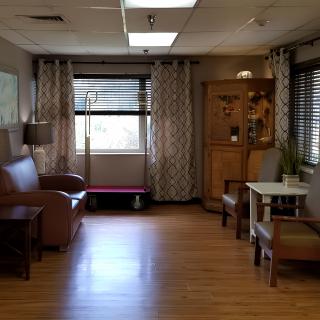
 The facility greets visitors with a smile.
- The nursing and therapy staff collaborate with patients and families to create a plan of care to help patients reach their goals.
- The facility features a secured memory care unit for residents living with dementia.
- The administrator Blaine has turned the facility around, and the staff are praised for their good work.
- The rehab department has great success, and the facility offers a memory care unit with the best staff.
- The care provided by the facility is exceptional, with staff who are dedicated and genuinely care for the residents.
- The facility is nice, and the service is pleasing.
Cons
 The staff are rude and bully residents, and visitors fear them.
- The staff rarely checks on residents and do not seem to care, visiting only every 6 to 8 hours.
- The facility has been renamed three times and remodeled, yet remains dirty; employees are lazy and nasty.
- A resident was found unresponsive in a hot room after the air conditioning had been unplugged, and staff did not help.
- The facility is described as horrible; staff are uncaring and the place is dirty; families are advised not to send their loved ones.
- The staff care little for residents; management cares only about their pay; the place is sad.
- The service is horrible with poor communication; leadership should be replaced; a resident contracted Covid during quarantine; updates on care are not provided; the focus seems to be on money.
- The reviewer would give the facility a minus 1000% and would not recommend it.
Review
Best suited for seniors who require rehabilitation after hospitalization and for residents who need memory care, Dyersburg Manor Nursing Ctr offers a focused clinical footprint. The rehab department is repeatedly highlighted as a strength, with residents guided toward functional goals and a memory-care unit designed to protect and engage individuals living with dementia. Families seeking care plans articulated around measurable outcomes and leadership that has shown visible efforts to improve operations will find clear alignment here. The combination of a structured rehabilitation pathway and a secured memory-care environment makes this community a practical option for those who want tangible therapy progress while long-term needs evolve on the same campus.
Alternatives should be considered for families prioritizing consistently warm, responsive care and a spotless, low‑stress environment. Several reviews describe rude staff, perceived neglect, and inconsistent rounds that leave some residents feeling unattended. When daily contact with families is unreliable and questions go unanswered, the risk of frustration and unsafe situations rises. If safety, prompt responsiveness, and a culture of respectful care are paramount, other facilities with steadier daytime coverage and stronger customer-service norms may be a better fit. In short, this community warrants comparison against options that demonstrate more consistent daily attentiveness.
Key pros, effective rehab services, a memory-care unit, and leadership efforts, can offset some concerns, but not all. The ability to deliver targeted therapy and maintain a dementia-informed environment offers concrete advantages for those whose primary goals are functional recovery and cognitive stability. When those clinical strengths are paired with improvements under new leadership, a family may feel confident about progress and oversight. Yet these positives are tested by reports of infrequent checks, poor communication, and alarming incidents suggesting gaps in daily supervision and staff accountability. The balance of benefits versus risks hinges on ongoing, verifiable consistency in care delivery.
Families evaluating this community should plan a rigorous on-site assessment. Request a tour during typical shift hours to observe how staff interact with residents and how quickly needs are addressed. Ask for staffing ratios by shift and request a sample care plan that outlines daily activities, therapy schedules, and safety precautions in memory care. Inquire about environmental controls, maintenance responsiveness, and how emergencies, medical and behavioral, are handled. Look for routine rounds, timely phone follow-ups, and transparent reporting to families. Check recent inspections or surveys and ask how leadership monitors quality and responds to concerns. These checks will reveal whether operations align with advertised strengths.
During conversations, press for specificity about memory-care protocols, wandering precautions, and crisis handling. Seek out current residents or families to verify consistency of care before committing. If potential risks feel elevated, prepare a practical decision framework: can rehab outcomes be reliably repeated, and can the memory-care unit sustain a compassionate, respectful climate? Determine what level of family involvement is manageable and whether the community can sustain the blend of therapy intensity with daily life that each resident requires. These clarifications separate a promising option from a riskier one and guide the final choice.
Bottom line: Dyersburg Manor Nursing Ctr can serve well for rehab-forward residents and those needing secure memory care, provided due diligence confirms daily reliability and respectful treatment. The facility’s clinical strengths and leadership-driven improvements lend credibility, but persistent concerns about staff responsiveness and safety incidents cannot be dismissed. If the next steps align with verified assurances, a tour and direct conversations should proceed; if not, alternatives with steadier daily operations and clearer communication should be pursued. The decisive move is to verify consistency in care delivery before committing a loved one to a long-term stay.
 Skilled Nursing Facility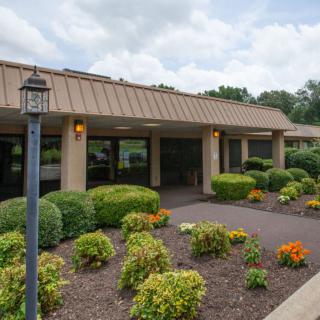


 Exploring the World of Home Health Nurses: Qualifications, Roles, and Hiring Tips
 Navigating Medicare Coverage for In-Home Care Services
 In-Home Care Costs in 2025: A Detailed State-by-State Exploration