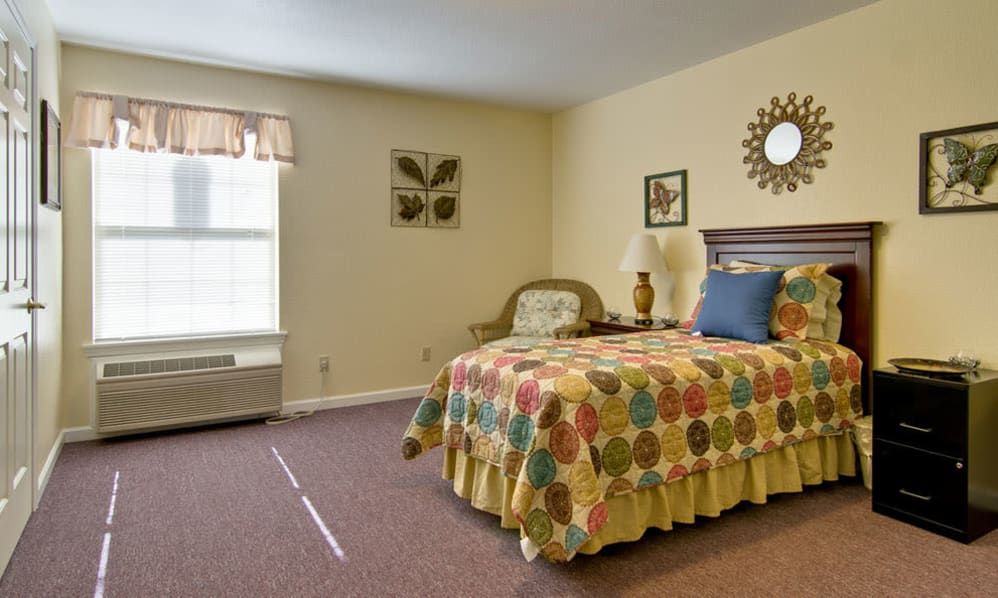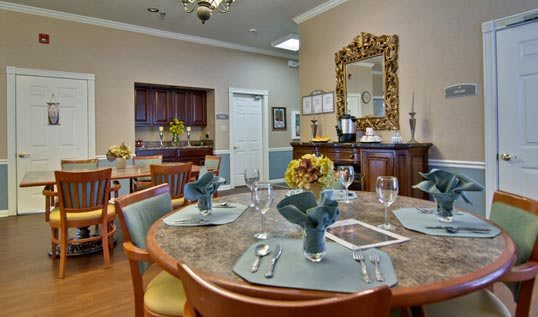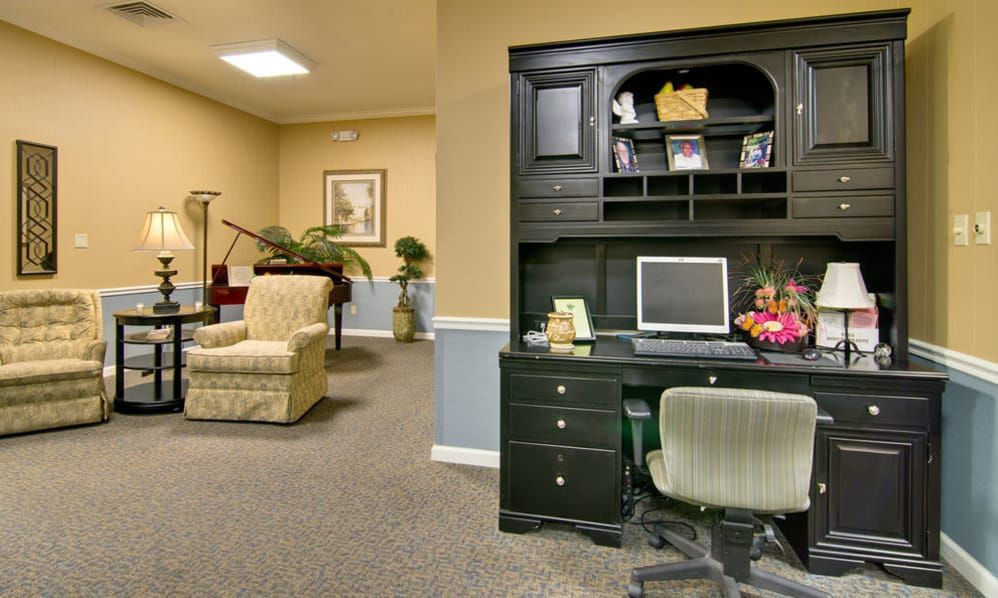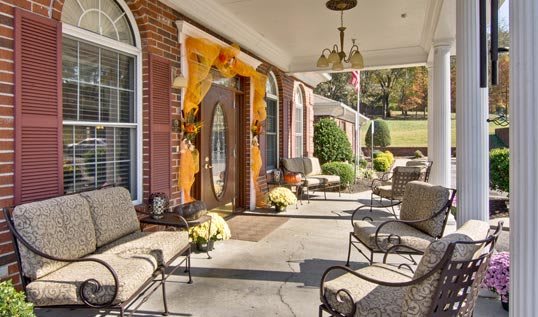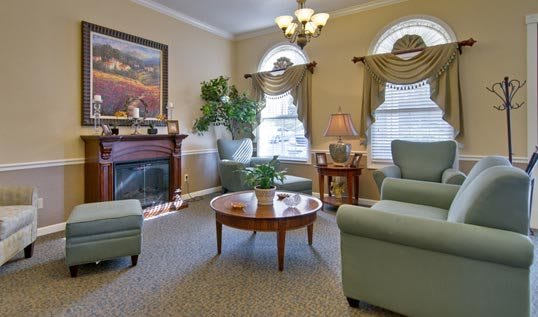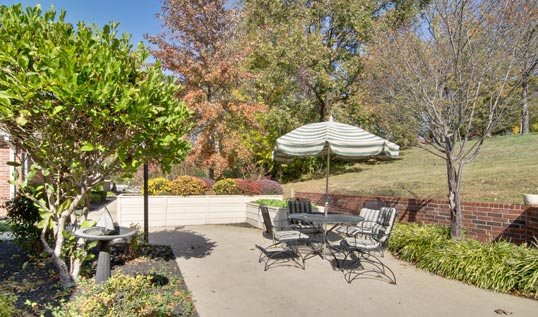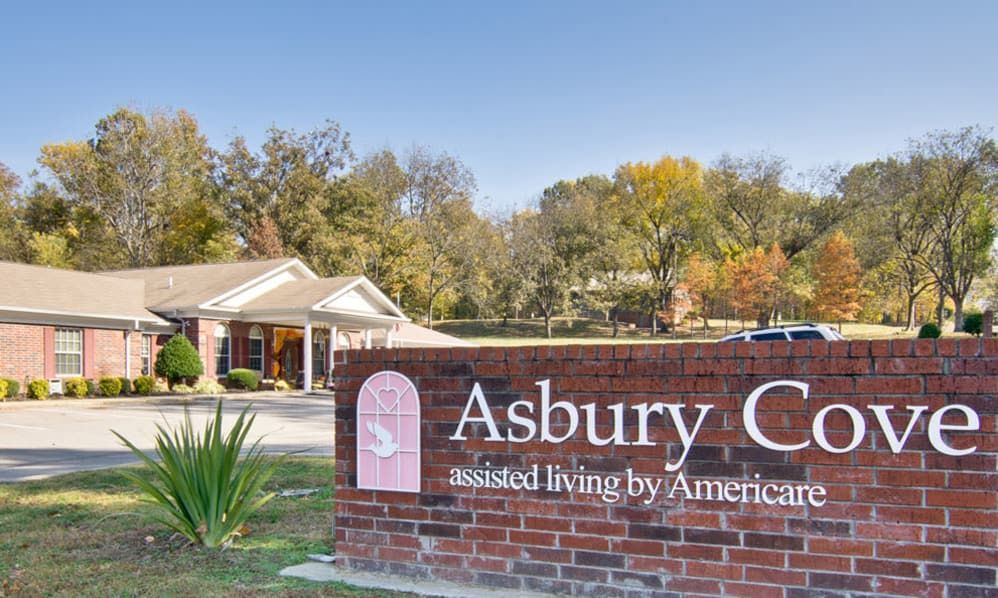
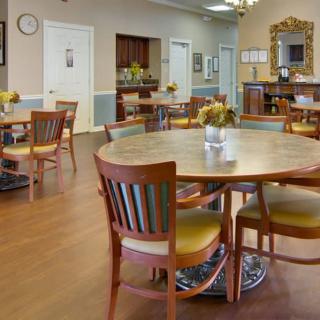
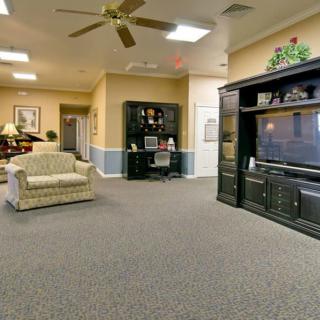
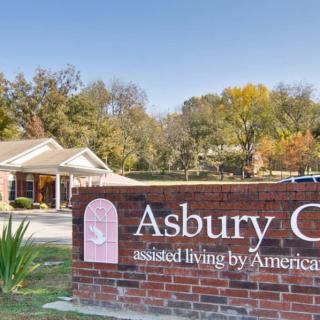
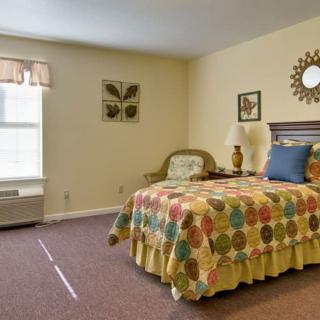
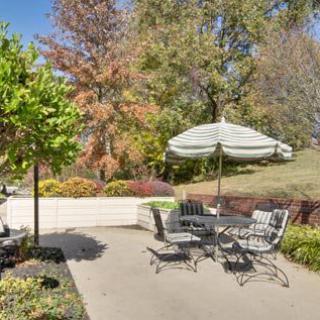
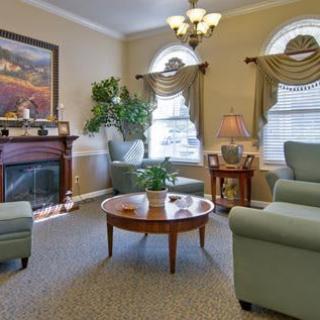
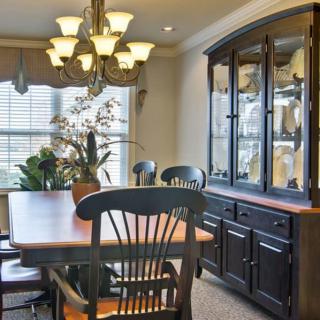
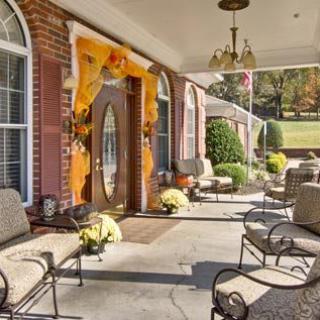
315 Asbury Avenue, Ripley, TN 38063
For more information about senior living options: (866) 208-4318
Asbury Cove Costs & Pricing
Asbury Cove offers competitive pricing for its accommodations, aligning closely with both Lauderdale County and the broader Tennessee market. For semi-private rooms, the monthly cost is set at $2,670, which matches the county's rate but is notably lower than the state average of $3,162. Studio apartments are priced at $3,720 - again consistent with local pricing while slightly surpassing the state average of $3,485. The 1-bedroom units are available for $4,050 per month, mirroring Lauderdale County's rate but higher than Tennessee's average of $3,592. Overall, Asbury Cove provides a range of options that cater to varying preferences and budgets while remaining competitive within its regional context.
| Floor plans | Asbury Cove | Lauderdale County | Tennessee |
|---|---|---|---|
| Semi-Private | $2,670 | $2,670 | $3,162 |
| Studio | $3,720 | $3,720 | $3,485 |
| 1 Bedroom | $4,050 | $4,050 | $3,592 |
Assisted Living communities with a similar price nearby
-
from -$435 / mo
StoneBridge of Blytheville - ALF Level II
$2,235 to $4,630 / month22.7 miles away -
from -$410 / mo
Canterbury Place
$2,260 / month22.0 miles away -
from +$310 / mo

Elmcroft of Blytheville
$2,980 to $4,350 / month23.3 miles away
Overall Review of Asbury Cove
Pros
 The staff have been very accommodating and communicative, ensuring residents are well taken care of.
- The mother is starting to adjust and enjoys the various activities.
- The facility is excellent, and the family is very happy to have them in a small town.
- They provide daily activities and expect to offer more as COVID restrictions ease.
- The food is very good.
- There are trained and experienced personnel to readily handle any medical issues.
- Caring staff are focused on making life easier for the residents.
- The mother wakes up to music and goes to bed with laughter.
Review
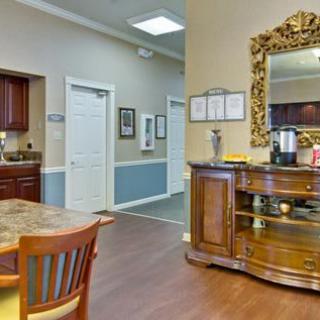
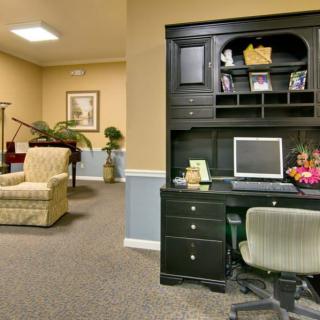
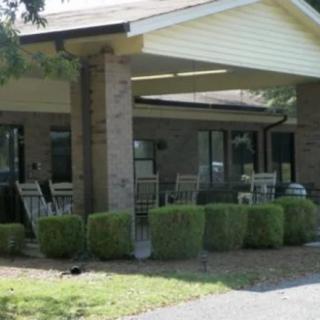
Asbury Cove in Ripley, Tennessee, is best suited for families seeking an intimate, resident-focused senior living option where dependable daily care meets a warm, socially active environment. This is the kind of community that resonates with residents who value a close-knit, personal relationship with staff, clear medication management, and predictable routines delivered in a small-town setting. It works well for seniors who want to stay connected through daily activities, maintain a sense of independence, and enjoy the reassurance that caregiving is attentive without feeling institutional or impersonal.
Those who may want to consider alternatives are families prioritizing extensive clinical specialization or memory-care expertise, or those seeking a larger campus with a broader spectrum of medical services. If a broader activity slate with frequent off-site outings, more diverse amenities, or highly specialized dementia programming is essential, a larger community may be a better fit. Likewise, residents needing intensive, around-the-clock clinical oversight or on-site specialists beyond what a smaller operation typically provides would likely arrive at the conclusion that another option offers a more comprehensive care footprint.
The strongest advantages here are the caregiving relationships and the daily rhythm of life. The staff is described as accommodating and communicative, with medication management handled reliably and medical issues addressed by trained personnel as they arise. This translates into real peace of mind for families, because the core duties, safety, nourishment, and timely care, appear consistently well managed. The social fabric is equally compelling: residents participate in daily activities, and the environment fosters genuine moments of joy, music, and laughter that shape a positive mood each day. In that sense, the pros effectively offset the limitations of size by delivering warmth, continuity, and a sense of belonging.
Equally meaningful are the qualitative benefits that come from a small-community ethos. Families repeatedly note that staff and residents feel like a family, with staff taking a vested interest in individual happiness and daily satisfaction. The quality meals, reliable supervision, and a visible commitment to making life easier for residents create a sense of security and consistency that is rare in more sprawling settings. This combination, personal attention, emotional nourishment, and dependable daily routines, produces a tangible quality of life that stands out, particularly for seniors who prioritize dignity and stable social contact over fireworks of programming.
Even so, the practical reality of a smaller operation means some trade-offs. While activity options are steady and meaningful, the calendar naturally leans toward an intimate, steady pace rather than a nonstop, expansive slate. For families seeking elaborate itineraries, frequent new programming, or on-site specialty services, the scale can feel limiting. It is also prudent to anticipate that access to highly specialized medical care may require coordination with external providers. In exchange, the tight-knit culture, consistent staff quality, and predictable daily life offer a level of reassurance that can be difficult to find in larger campuses.
For families evaluating Asbury Cove, the decision comes down to fit. Prospective residents who value dependable daily care, a community where staff feel like extended family, and a social environment that promotes genuine engagement will likely find this a standout choice in Ripley. Those who require advanced medical complexity, dementia-focused programming, or a highly expansive activity calendar should compare directly with larger facilities to ensure alignment with care needs and expectations. A visit should focus on meeting the caregiving team, observing interactions with residents, and confirming there is a clear plan for medications, meals, and daily routines that matches individual expectations. In the right matchup, Asbury Cove offers a practical, confident path to safe, satisfying senior living in a small-town setting.
 Assisted Living
 Cats allowed
 Dogs allowed
 Activities on-site
 Air-conditioning
 Beautician on-site
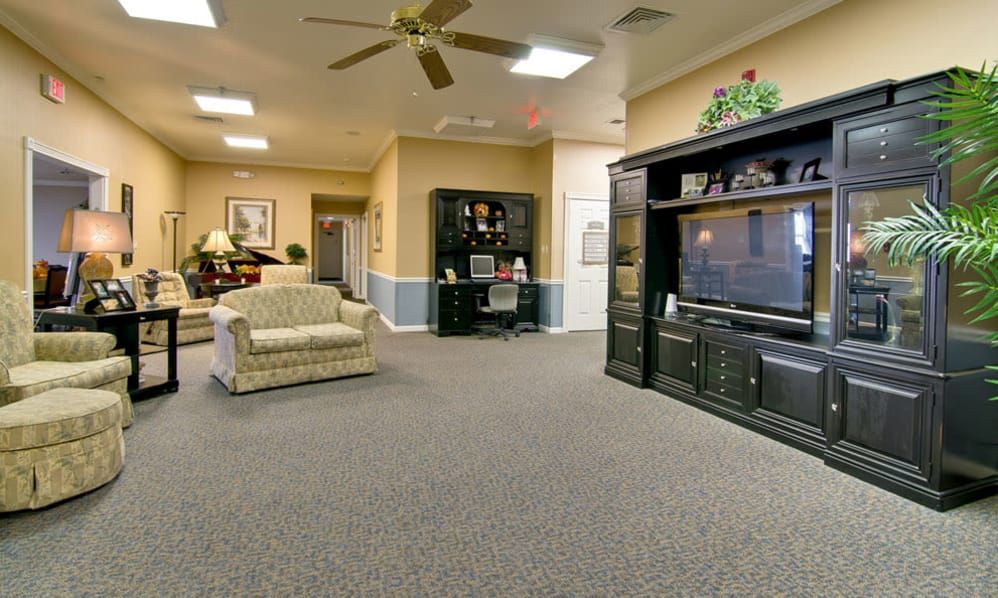
 Cable or satellite TV
 Computer center
 Devotional services off-site
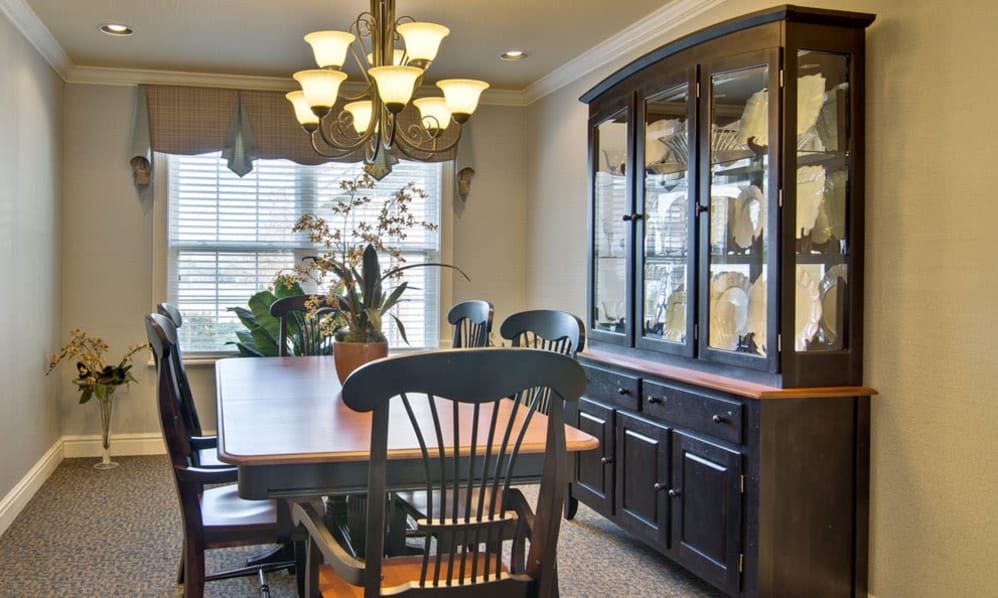
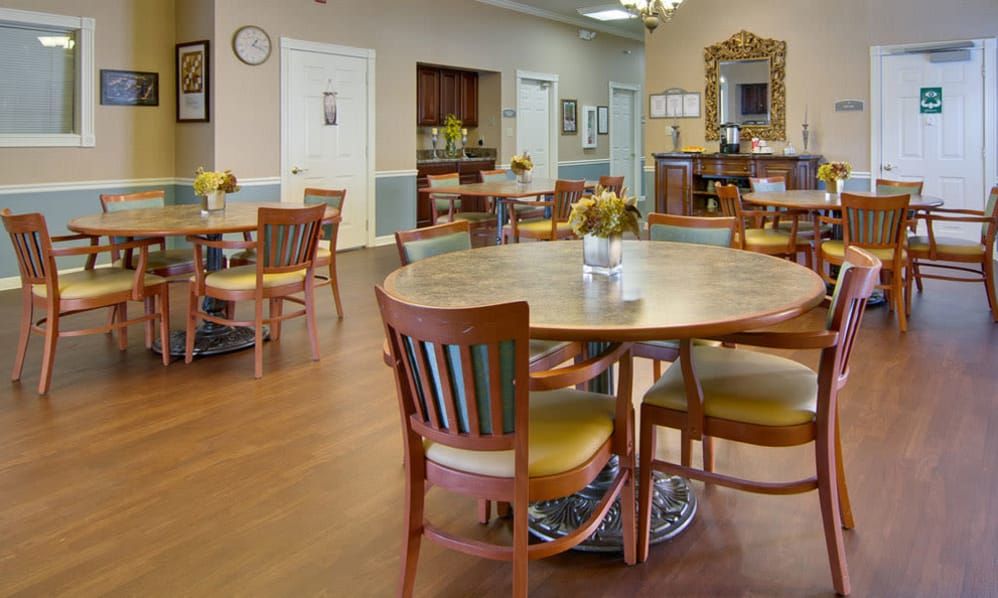
 Dining room
 Fitness room
 Fully furnished
 Gaming room
 Garden
 Ground floor units
 Handicap accessible
 Housekeeping services
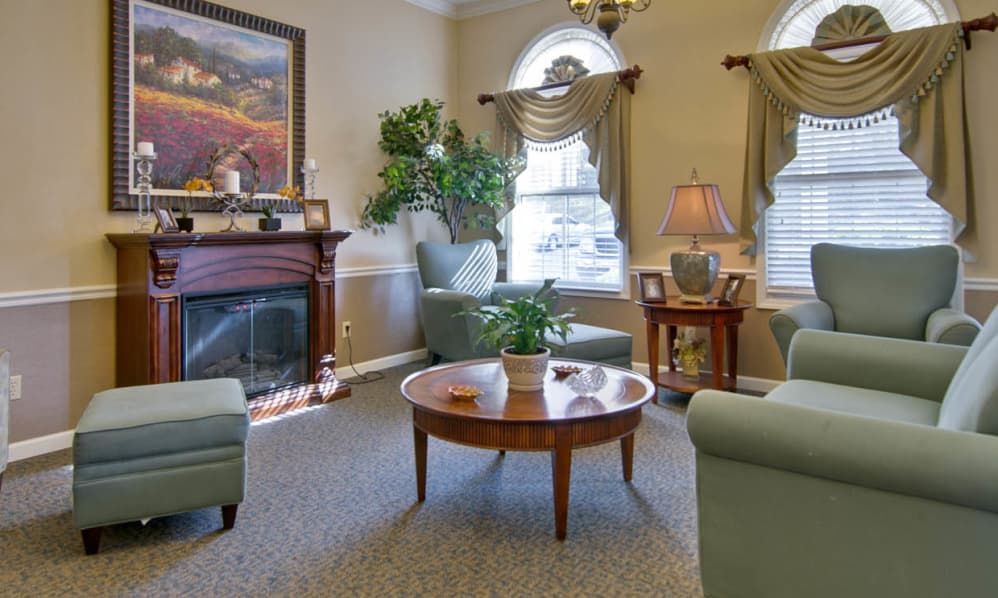
 Indoor common areas
 Kitchenette
 Move-in coordination
 Outdoor common areas
 Private bathrooms
 Resident parking
 Respite or short term stays offered
 Restaurant-style dining
 Small library
 Telephone
 Wellness center
 Wi-Fi/high-speed internet available
 Community operated transportation
 24-hour call system
 Ambulatory care
 Assistance with bathing
 Assistance with dressing
 Assistance with transfers
 Diabetes diet
 Diabetic care
 Incontinence care
 Medication management
 Mental wellness program
 Special dietary restrictions
 Transportation arrangement (medical)
 BBQs or picnics
 Birthday parties
 Concierge services
 Live musical performances
 Planned day trips
 Trivia games




 Exploring the Contrasts Between Assisted Living and Skilled Nursing
 8 Key Indicators That Suggest It May Be Time to Transition from Assisted Living to Skilled Nursing Care
 Vibrant Senior Living: A Comprehensive Guide for Active Older Adults