For more information about senior living options: (866) 208-4318
3.4 from 42 reviews
5 stars
23
4 stars
1
3 stars
1
2 stars
3
1 stars
14
Overall Review of Nhc-Maury Regional Transitional Care Center
differentiator6 reviews mention this
Therapy is a key part
Rehabilitation and therapy experiences vary widely by unit and timing.
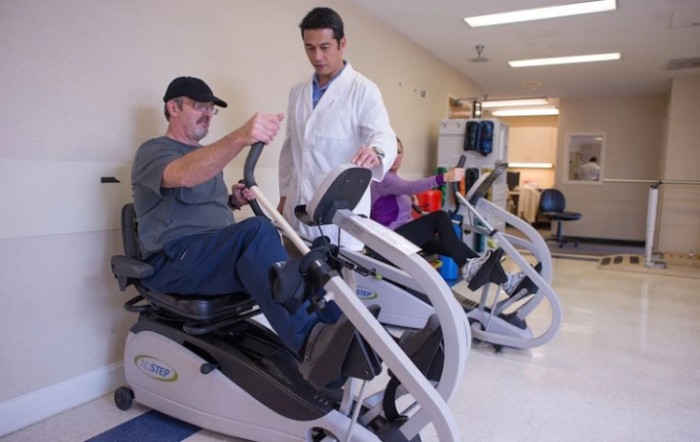
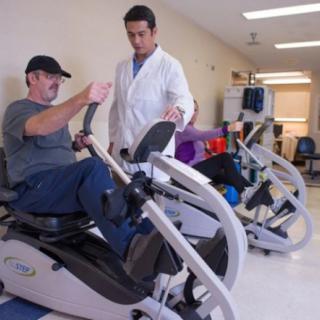
Many residents and families describe physical therapy that feels knowledgeable and supportive during recovery. Several reviews also mention specific therapy outcomes after events like knee replacement, stroke, Parkinson’s, and other rehab stays. At the same time, some reviewers report long gaps in therapy or no therapy during COVID-related interruptions. Overall, residents describe rehab as central, but not consistently delivered the same way for everyone.
common5 reviews mention this
Dining earns mixed reactions
Food quality is frequently mentioned, with both praise and complaints.
Some residents and families say the food is very good and well prepared. A few also mention that residents are eating well. Other reviews complain about dissatisfaction with meals and food service. The overall picture is that dining is a notable part of daily experience, but opinions are not uniform.
common6 reviews mention this
Cleanliness stands out to many
Clean rooms and an overall clean facility come up often.
Several reviews praise the facility’s cleanliness, including rooms being cleaned daily and the building looking well kept. Some reviewers also describe clean comfort in their loved ones’ rooms. But there are also negative reports that include soiled beds and concerns about not cleaning. Taken together, cleanliness is an area where residents notice both improvements and serious breakdowns.
caveat8 reviews mention this
Care depends on responsiveness
Several reviewers describe slow response when help is needed.
Some residents and families report positive care from staff, while others describe delays when calling for assistance. Complaints include waiting a long time for help via call lights, difficulty getting administrators or staff to respond, and beds or diapers not being addressed promptly. There are also reports of medication not being given on time or care interruptions requiring urgent follow-up. These accounts point to responsiveness as a recurring concern for certain stays.
common22 reviews mention this
Staff kindness is a repeated theme
Staff friendliness and caring attitudes are widely mentioned.
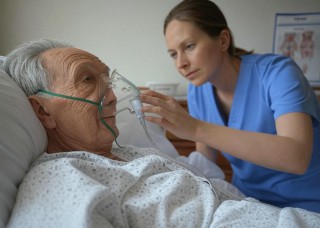
A large share of reviews describe staff as kind, professional, and supportive, including therapists and CNAs. Families often mention feeling at ease with their loved one’s care and credit staff with recovery progress. Some reviewers even thank specific roles by name. On the other hand, a smaller set of reviews describe the opposite experience, including missed concerns and negative treatment. Overall, staff demeanor is a major reason families either recommend or warn others.
How we summarize
Counts show how many written reviews mention each theme; a review can touch several themes, and only frequently mentioned themes are displayed.
Features
Housing
112 resident community capacity
Types of Care
Skilled Nursing Facility
Amenities
Air-conditioning
Beauty salon
Cable or satellite TV
Computer center
Dining room
Fitness room
Fully furnished
Gaming room
Garden
Housekeeping services
Kitchenette
Move-in coordination
Outdoor space
Private bathrooms
Restaurant-style dining
Small library
Telephone
Wellness center
Wi-Fi/high-speed internet available
Transportation
Community operated transportation
Transportation arrangement
Transportation arrangement (non-medical)
Transportation to doctors appointments
Care Services
12-16 hour nursing
24-hour call system
24-hour supervision
Activities of daily living assistance
Assistance with bathing
Assistance with dressing
Assistance with transfers
Diabetes diet
Meal preparation and service
Medication management
Mental wellness program
Special dietary restrictions
Dining
Diabetes diet
Special dietary restrictions
Activities
Community-sponsored activities
Concierge services
Fitness programs
Planned day trips
Resident-run activities
Scheduled daily activities
Nearby Places of Interest
Places of Worship
Pleasant Heights Baptist Church (0.9 miles)
Middle Tennessee Future Ministers Camp at Graymere (1.5 miles)
Liberty Baptist Church (1.9 miles)
Southern Baptist Convention (2.7 miles)
Journey Church Columbia (3.6 miles)
McCains Cumberland Presbyterian Church (5.6 miles)
Southern Baptist Convention (6.7 miles)
Parks
Ridley Park (1 miles)
Maury County Park (1.6 miles)
Yanahli Park (5.6 miles)
Nashville Zoo (6.3 miles)
Harvey Park (15.2 miles)
Physicians
Pain & Spine Consultants (1.1 miles)
Southern Radiology Associates (1.5 miles)
Columbia Orthopedic Clinic (1.8 miles)
Maury Regional Outpatient Imaging Center (2 miles)
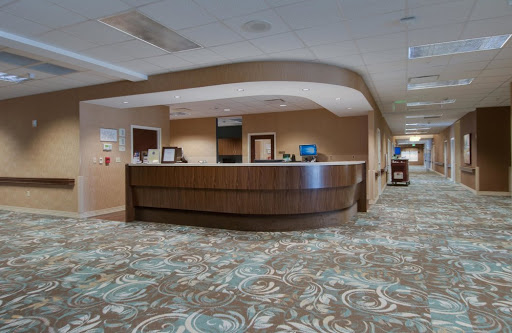
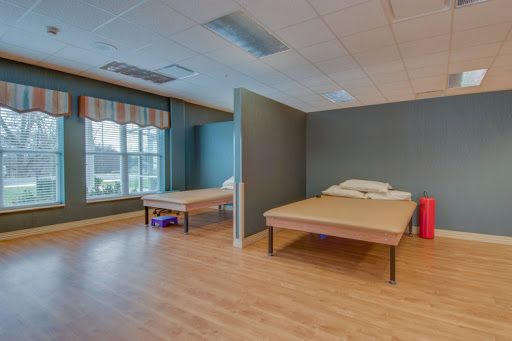
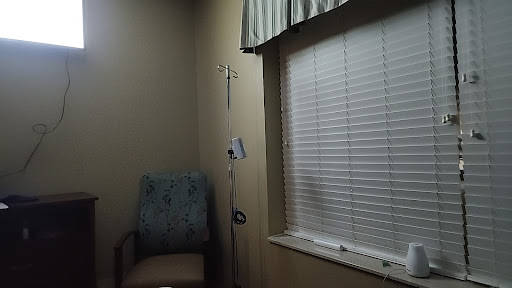
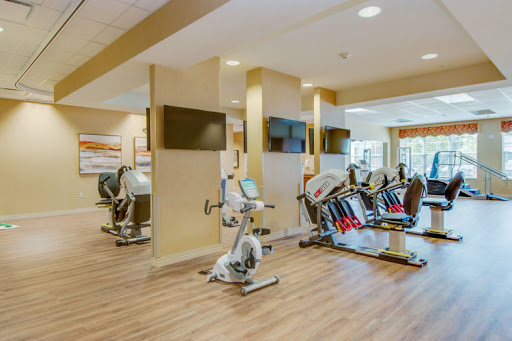
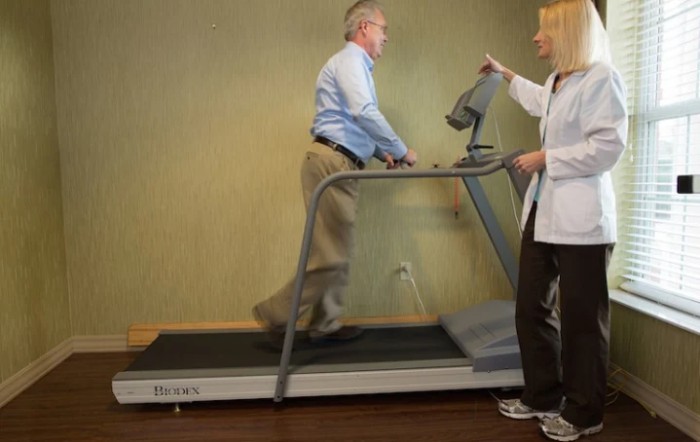
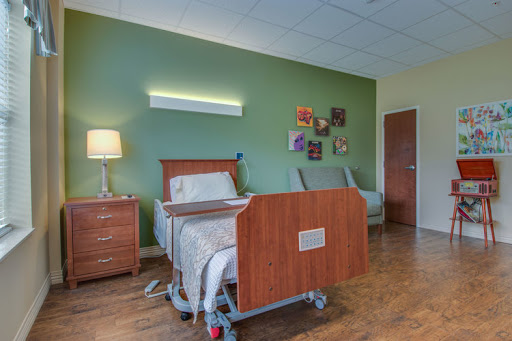
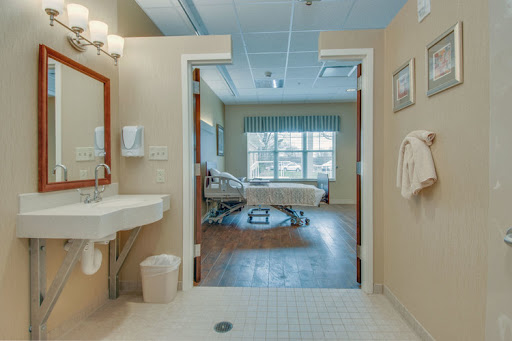
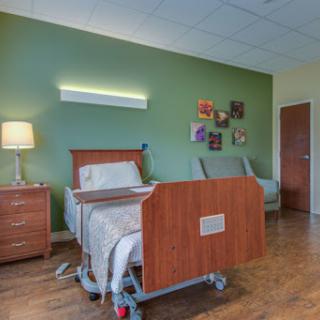
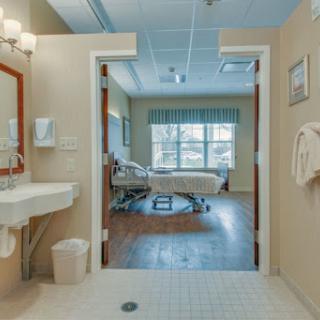
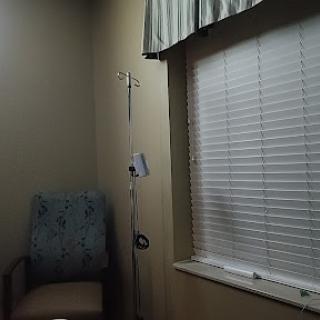
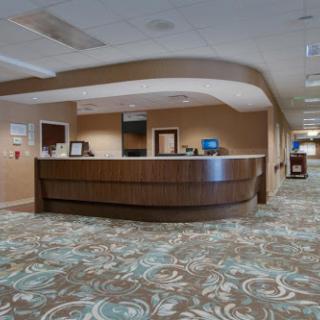
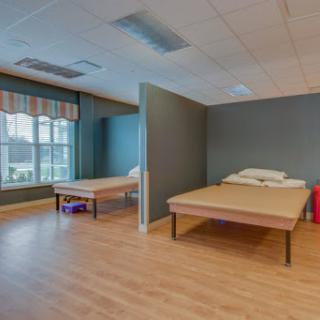
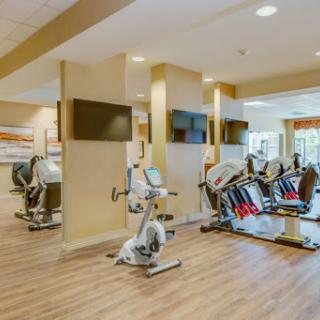
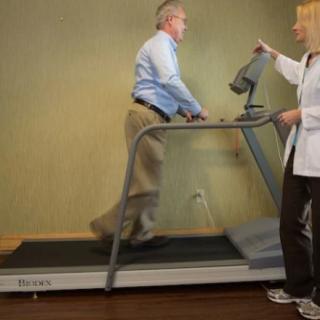
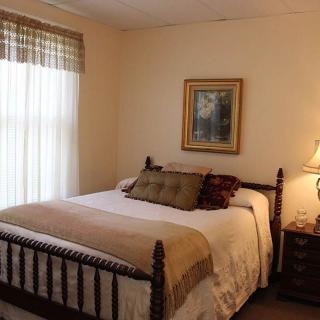
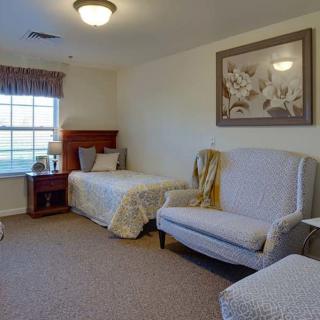
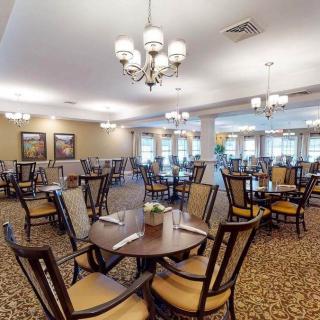
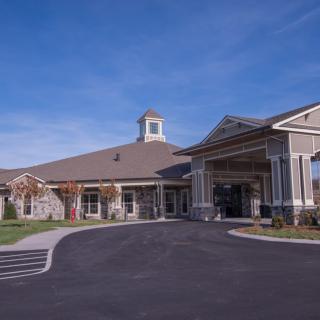
Nhc-Maury Regional Transitional Care Center on seniors.fyi includes 9 photos including images showing interior, bedroom, rehabilitation, healthcare, exercise equipment, treadmill, exercise, gym, and more.
Nearby Communities
Brookdale Columbia
Columbia, TN
4.5 from 72 reviews
$3,630 to $4,275 / month
Caring staff and engaging activities create a welcoming environment.
NHC Healthcare - Columbia
Columbia, TN
3.7 from 20 reviews
Friendly, attentive staff and a clean, welcoming environment.
Omni Visions Columbia
Columbia, TN
Diabetes-focused care with on-site activities and indoor social spaces.
Magnolia Healthcare And Rehabilitation Center
Columbia, TN
4 from 89 reviews
Extensive on-site amenities and 24/7 care services.
Morning Pointe Of Columbia
Columbia, TN
4.5 from 30 reviews
$3,245 to $3,915 / month
Caring, home-like staff with personalized care and engaging activities.
Poplar Estates Retirement Center
Columbia, TN
4.7 from 6 reviews
$1,700 to $2,600 / month
Compassionate, personalized care with memory-care options.
Willow Springs Senior Living
Spring Hill, TN
4.3 from 54 reviews
$3,400 to $5,100 / month
Caring staff with strong communication and all-inclusive services
The Goldton at Spring Hill
Spring Hill, TN
4.5 from 112 reviews
$2,800 to $5,500 / month
Friendly, caring staff in a clean, modern setting with engaging activities and strong dining.
Morning Pointe of Spring Hill
Spring Hill, TN
4.8 from 42 reviews
$2,995 to $4,095 / month
Engaging Main Street design with active activities and affordable pricing.
Home health care offers a range of clinical services provided in a patient's home, including nursing and therapy, tailored to individual needs, particularly for aging seniors with chronic conditions. This approach enhances patient independence, promotes better disease management, and utilizes technology for real-time monitoring while fostering collaboration among healthcare providers and family members.
Seniors benefit from ride-hailing services like Uber and Lyft, which provide convenient and accessible transportation options that promote independence and social engagement, while addressing mobility challenges. These platforms have adapted to meet senior needs with user-friendly features and safety measures, although costs can be a concern; community programs may help subsidize rides for older adults.
The guide outlines the eligibility criteria for home health care services, emphasizing clinical requirements, insurance options, and application processes. It distinguishes between Medicare's strict and Medicaid's flexible qualifications while addressing challenges families may face in securing necessary care at home.
Nhc-Maury Regional Transitional Care Center photos
×
Interior
Decor
Bedroom
Windows
Lobby
Natural Light
Exercise Equipment
Healthcare
Interior
Decor
Bedroom
Windows
Lobby, Office, and Reception
Exercise Equipment
Natural Light
Healthcare
Gym, Exercise Room, Fitness Center, and Excercise Equipment
Rehabilitation
Physical Therapy
Exercise and Treadmill
Get PricingAsk A QuestionSchedule A TourContact Senior Advisor
By clicking submit, you agree to our Partner's Terms of Use. You
also consent to receive calls and texts, which may be autodialed, from our Partner. Your consent is not a condition to
using our Partner's service. Please visit our Partner's Privacy Policy for information about their privacy practices.

 112 resident community capacity
 Skilled Nursing Facility
 Air-conditioning
 Beauty salon
 Cable or satellite TV
 Computer center
 Dining room
 Fitness room
 Fully furnished
 Gaming room
 Garden
 Housekeeping services
 Kitchenette
 Move-in coordination
 Outdoor space
 Private bathrooms
 Restaurant-style dining
 Small library
 Telephone
 Wellness center
 Wi-Fi/high-speed internet available
 Community operated transportation
 12-16 hour nursing
 24-hour call system
 Activities of daily living assistance
 Assistance with bathing
 Assistance with dressing
 Assistance with transfers
 Diabetes diet
 Medication management
 Mental wellness program
 Special dietary restrictions
 Concierge services
 Planned day trips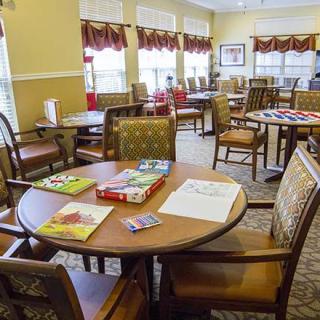
 Caring staff and engaging activities create a welcoming environment.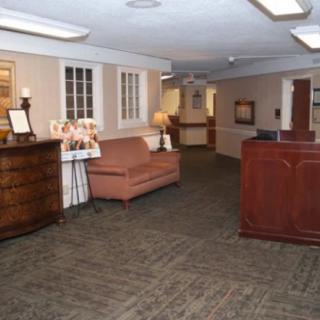

 Home Health Care Demystified: A Comprehensive Guide for Families and Caregivers
 Seniors and Modern Transportation: Exploring Uber, Lyft, and Other Ride-Hailing Options
 Comprehensive Guide to Qualifying for Home Health Care Services