Opus Post Acute Rehabilitation in West Columbia, SC

Save

  • Interior

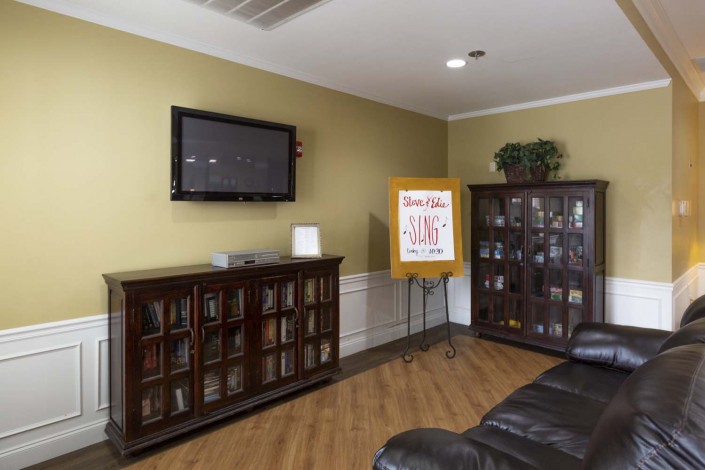
    A cozy living room with a TV mounted on the wall, bookshelves, and comfortable seating.
  • Outdoors

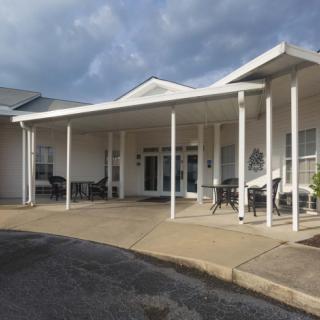
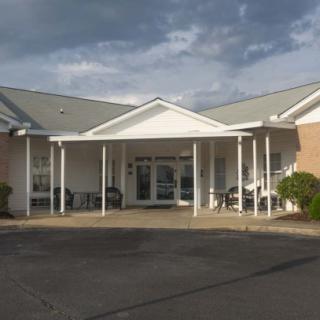
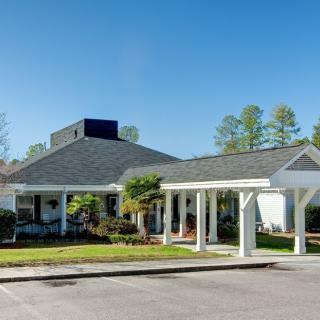
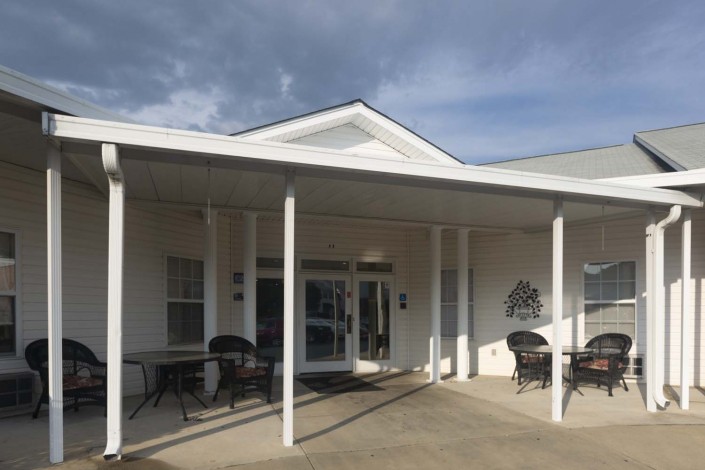
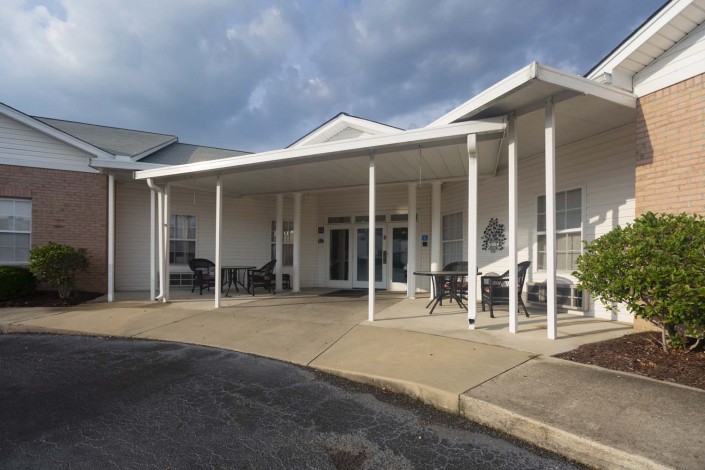
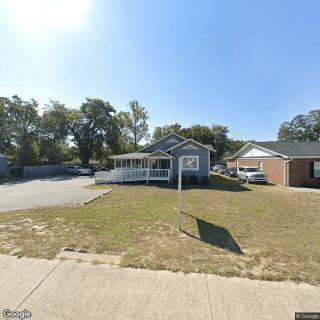
    A covered entrance of a building with pillars and outdoor seating.
  • Decor

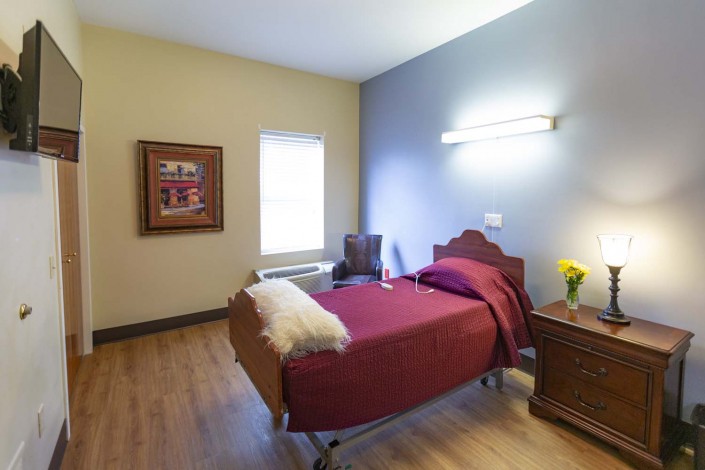
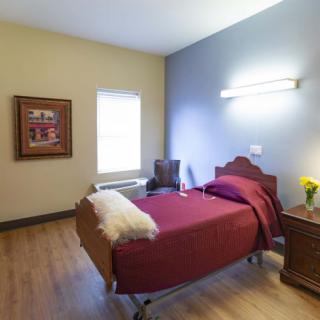
    A cozy bedroom with a single bed, a window, and warm decor including a painting and flowers on the nightstand.
  • Building

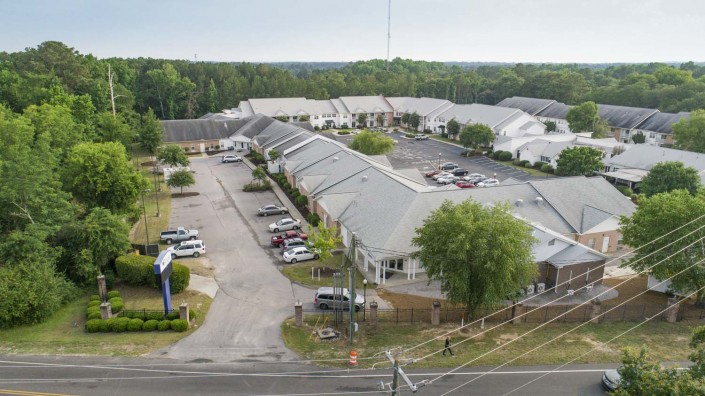
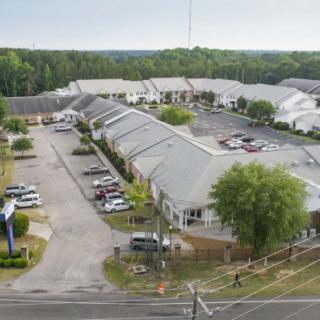
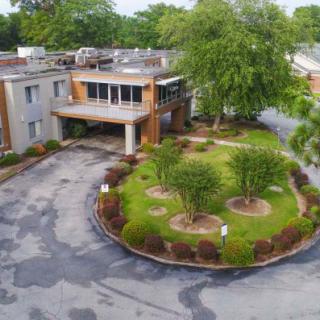
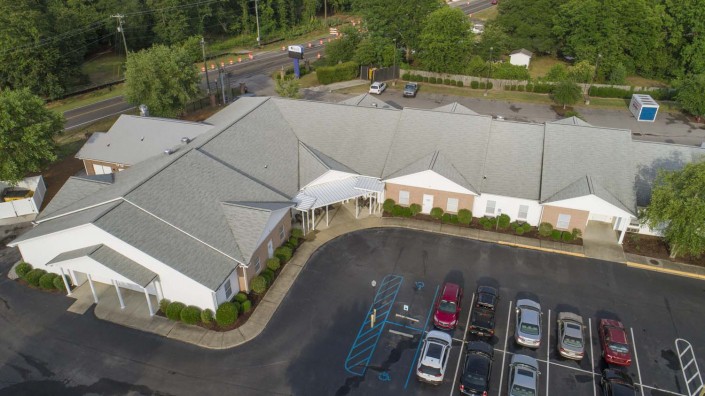
    Aerial view of a white-roofed building surrounded by a parking lot and trees.
  • Architecture

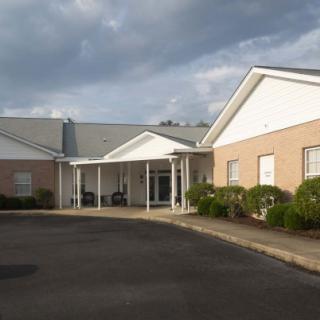
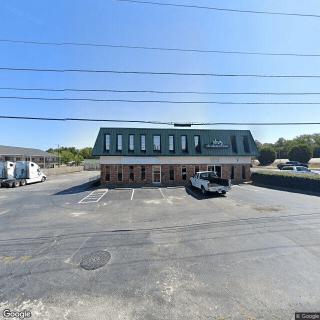
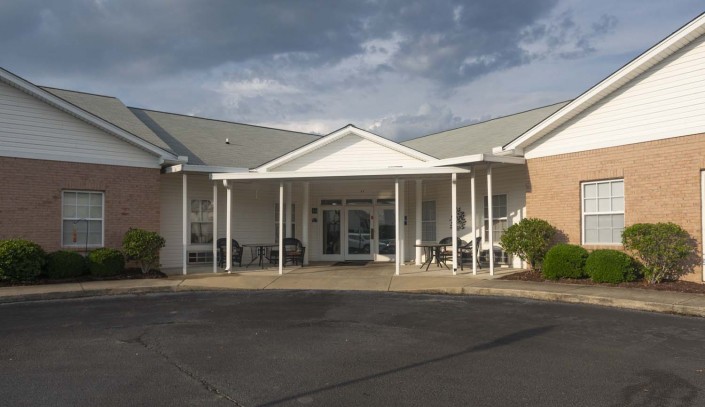
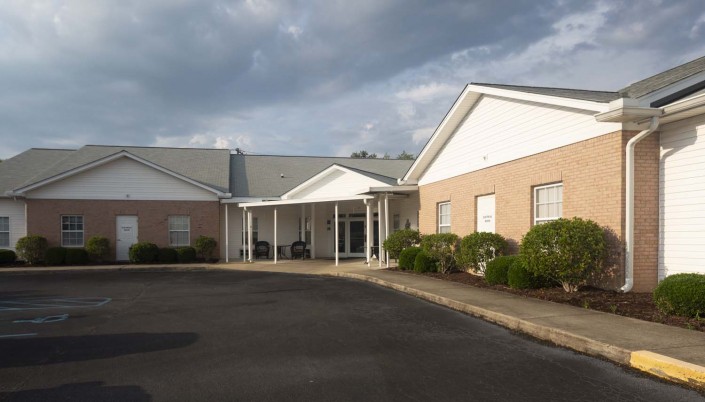
    A view of a building with a white entrance and cloudy skies above.
  • Trees

    Aerial view of a commercial area with buildings, a parking lot, and trees in the surroundings.
  • Windows

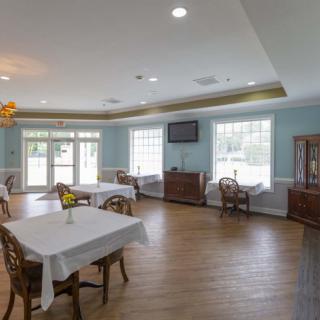
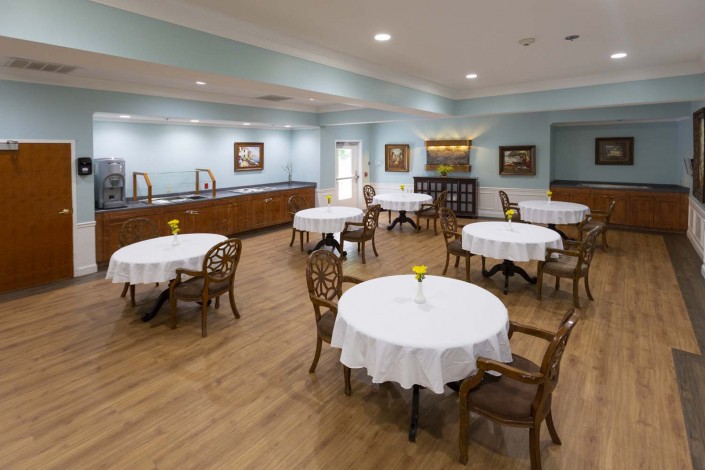
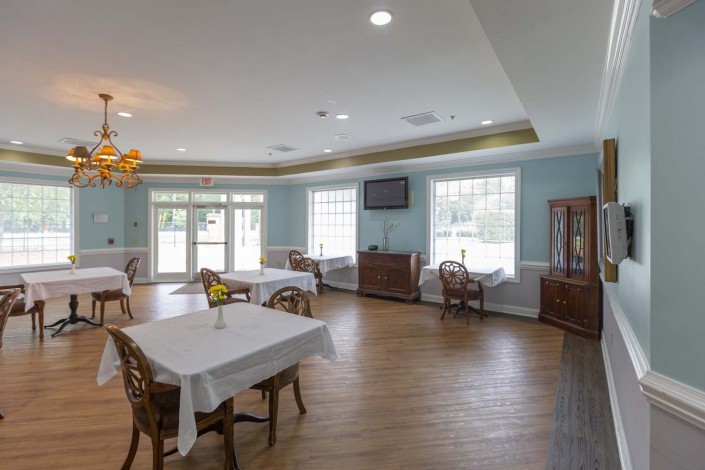
    A spacious and bright dining room with neatly arranged tables and chairs, featuring large windows and a wooden floor.
  • Dining

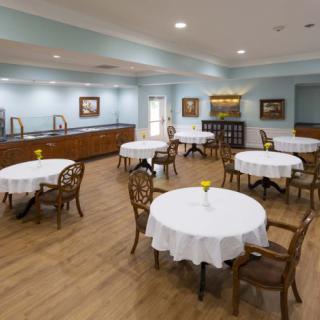
    A well-lit dining room with round tables and wooden chairs, featuring elegant decor.
  • Landscaping

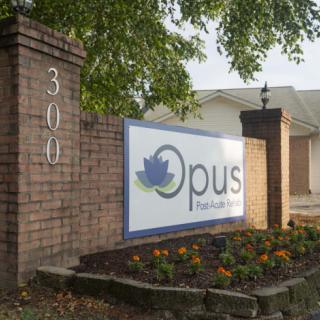
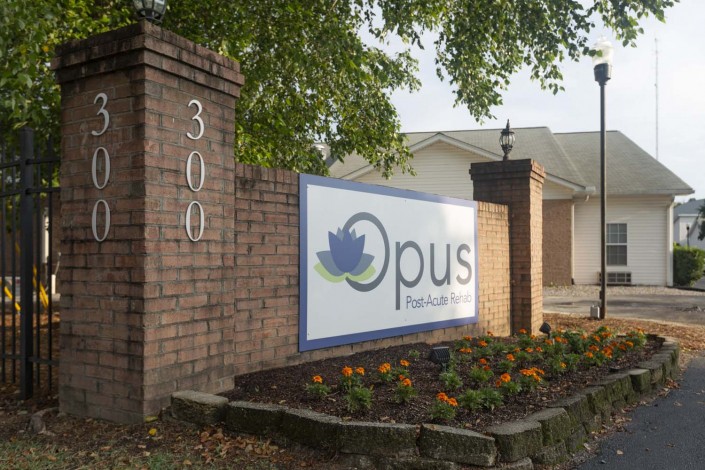
    A business sign for Opus displayed on a brick wall near the entrance of a building, surrounded by landscaping.
  • Garden

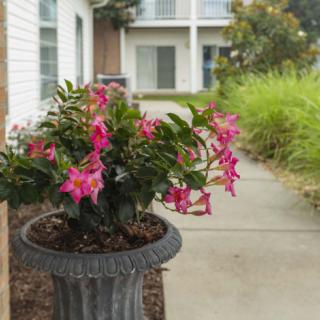
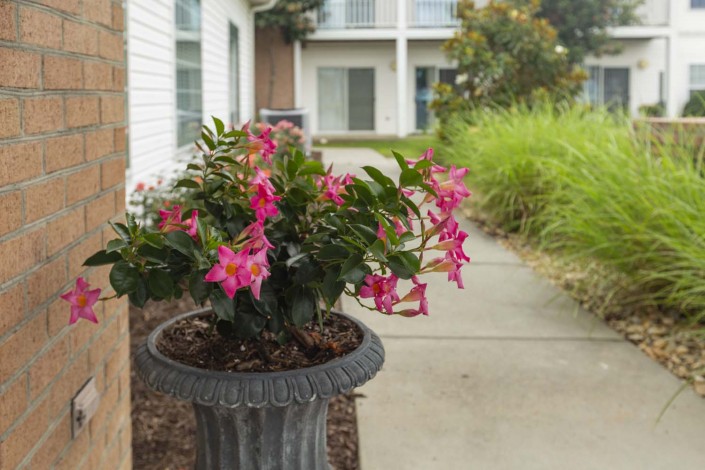
    A potted plant with vibrant pink flowers placed outside a building, beside a pathway.
  • Entrance

    A building with a covered entrance and white columns under a cloudy sky.
  • Lobby

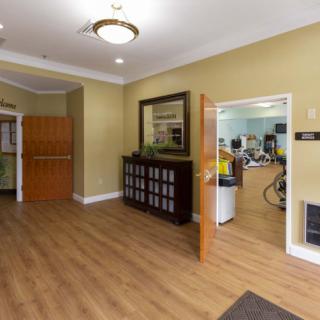
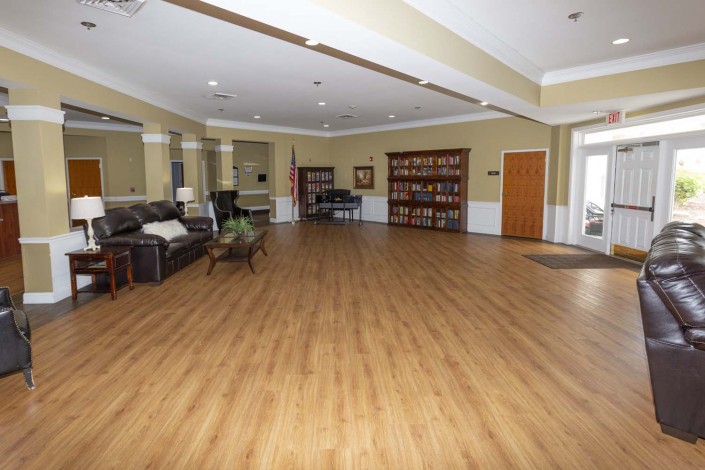
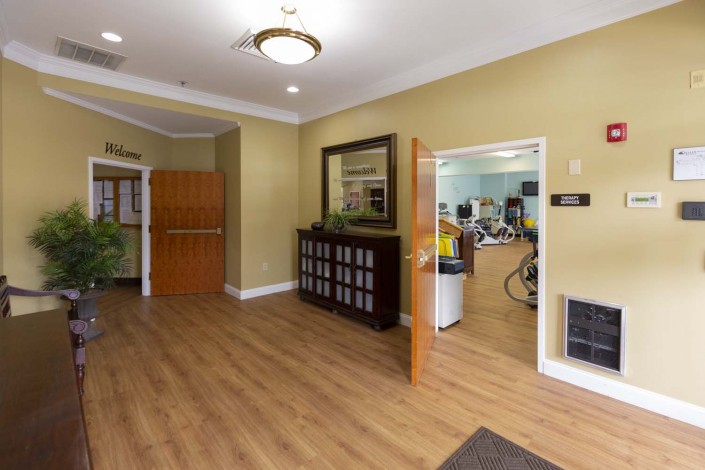
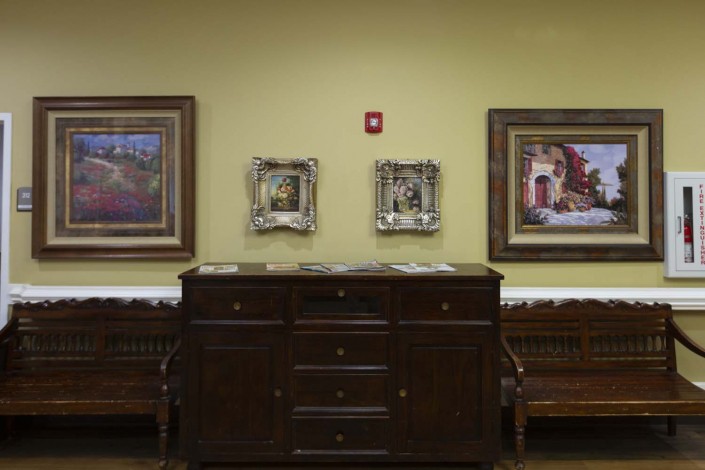
    A welcoming lobby area with wood flooring, a mirror on the wall, and an open door leading to another room.
  • Bookshelves

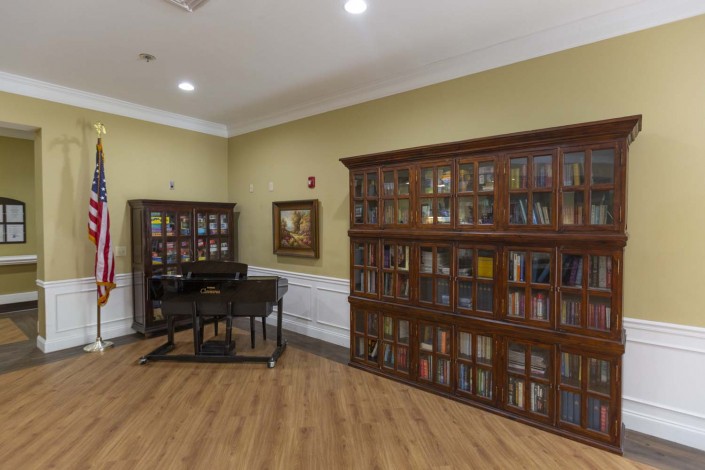
    A quiet reading room with wooden bookshelves filled with books and a desk.
  • Piano

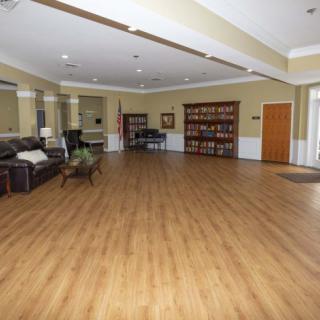
    A spacious room with wooden floors, featuring a sofa, a bookshelf, and a piano.

Opus Post Acute Rehabilitation in West Columbia, SC

300 Agape Drive, West Columbia, SC 29169

For more information about senior living options: (844) 490-3973

3 from 69 reviews
5 stars
30
4 stars
3
3 stars
3
2 stars
1
1 stars
32

Skilled Nursing Facility

Overall Review of Opus Post Acute Rehabilitation

Pros

  • pro The staff at Opus are amazing and consistently go above and beyond.
  • pro The clinical and rehabilitation teams are professional, friendly, and responsive to patients' needs.
  • pro Amanda, the director of nursing, is highly involved and helpful in resolving concerns.
  • pro Clean facilities and kind, caring staff create a welcoming environment.
  • pro The therapy team is enthusiastic, dedicated, and helps residents achieve their goals.
  • pro The dining services are excellent, with many residents noting great meals.
  • pro Administration staff are cheerful and extremely helpful, improving the visiting experience.
  • pro Families feel reassured and grateful for the compassionate care provided.

Cons

  • pro The facility smelled horrible and was not properly sanitized.
  • pro Residents were not bathed regularly and were left in soiled conditions.
  • pro Therapy services were inconsistent or abruptly stopped without clear communication.
  • pro The facility was severely understaffed, causing delays in call responses and daily care.
  • pro Personal belongings were stolen and the facility was poorly maintained.
  • pro Patients developed bedsores and UTIs due to neglect.
  • pro Some staff were rude, uncaring, or treated residents with disrespect.
  • pro The food was described as prison-like or inedible.

Review

Opus Post Acute Rehabilitation in West Columbia, South Carolina is best suited for families seeking aggressive rehabilitation and a homey, patient-centered feel when the facility is adequately staffed and engaged. For residents recovering from surgery, stroke, or other intensive rehab needs, the center can deliver meaningful progress through dedicated therapists and nursing teams who form trusting relationships with patients. When staffing is stable and attentive, Opus can feel like a supportive bridge back to independence, with residents experiencing tangible gains and family members feeling reassured by hands-on care.

That said, this community is not for every situation. Families should consider alternatives if guaranteed, consistent oversight is non-negotiable. The reviews tell a stark story of variability: some patients thrive under responsive, compassionate care, while others endure extended delays to call buttons, infrequent baths, and lapses in basic safety and sanitation. There are accounts of infections, bedsores, and even theft of personal belongings, accompanied by concerns about staffing shortages and inconsistent communication. For medically fragile individuals, dementia patients, or families who cannot closely monitor daily care, safer options with stronger staffing ratios and more uniform adherence to protocols may be preferable.

The strongest pros at Opus revolve around rehabilitation intensity and the personal warmth of many caregivers. Multiple accounts praise skilled nursing and therapy staff who are engaged, friendly, and focused on getting patients home. In the best scenarios, families note great progress in mobility, strength, and daily functioning, with therapists who push residents to achieve goals. In contrast, the cons that recur in a substantial subset of reviews - understaffing, slow response to call lights, sanitation concerns, and inconsistent therapy schedules - can dramatically blunt those gains. When therapy is reliably delivered and staff remain proactive, the positives can outweigh the negatives; when they are not, recovery stalls and frustration grows.

Therapy quality appears to be a pivotal differentiator. Several patients recount phenomenal or strongly positive rehab experiences, including intensive, goal-driven therapy and successful reentry into home life. Yet other families report therapy that is intermittent or halted without clear rationale, leaving families uncertain about progress and timelines. Nursing care follows a similar pattern: attentive, compassionate caregivers are repeatedly acknowledged, while gaps in daily attention - missed med passes, delayed assistance, and gaps in routine care - appear in many troubling reviews. The divide between these experiences is striking and directly relevant to a family's decision-making calculus.

Environment and administration also swing with staff stability. Some visitors describe clean, welcoming spaces, responsive administration, and a culture where staff genuinely seem to care about residents. Others recount odors, cleanliness lapses, dated equipment, and a leadership dynamic that appears misaligned with frontline needs. Personal belongings disappearing, inconsistent housekeeping, and reports of disrespectful or overwhelmed staff further color the landscape. In short, Opus's physical setting and leadership culture can either reinforce excellent care or amplify the risks of inconsistent service.

For families actively evaluating this facility, concrete steps matter. Schedule a careful tour that includes observed patient care moments, speak with the director of nursing, and request to meet therapy leads and front-line CNAs. Ask for a clear, written therapy plan with measurable milestones and a schedule that aligns with the patient's calendar of goals. Request recent quality indicators from state surveys and facility reports, and insist on a trial period with explicit exit criteria if care quality declines. If the answer to any red flags is uncertain or evasive, the prudent choice is to explore facilities with stronger, consistently enforced standards, especially for those with complex medical or cognitive needs.

In the end, Opus Post Acute Rehabilitation offers real upside for rehab-focused families who can contribute to oversight and who encounter steady, compassionate care on a daily basis. It is not the right fit for those who require unwavering consistency, rigorous infection control, and fail-safe response times. When those core concerns are met, Opus can deliver meaningful recovery and restore independence. When they are not, alternatives with steadier staffing, tighter safety nets, and higher transparency will likely produce a calmer, more predictable, and safer healing environment.

Features

Housing

  • 100 resident community capacity 100 resident community capacity

Types of Care

  • Skilled Nursing Facility Skilled Nursing FacilitySkilled Nursing Facilities are crucial for seniors as they provide round-the-clock medical care, rehabilitation services, and assistance with daily activities. These facilities ensure that seniors receive the specialized care they need to maintain their health and well-being as they age.

Amenities

  • Air-conditioning Air-conditioningAir conditioning is important for seniors as they are more vulnerable to heat-related illnesses and may have underlying health conditions that make it difficult for them to regulate their body temperature. It helps to keep them comfortable, safe, and healthy in hot weather.
  • Beauty salon Beauty salonBeauty salons are important for seniors because they provide a space for them to feel pampered, socialize, and maintain their personal grooming and hygiene. Regular visits to a beauty salon can help boost seniors' self-esteem and overall well-being.
  • Cable or satellite TV Cable or satellite TVCable or satellite TV is important for seniors because it provides entertainment, news, and companionship, helping to combat loneliness and boredom. It also offers a wide range of programming options tailored to different interests and preferences.
  • Computer center Computer centerA computer center is essential for seniors as it provides access to technology, communication tools, and resources that can enhance their daily lives. It allows them to stay connected with loved ones, engage in online activities, and learn new skills, ultimately promoting socialization and mental stimulation.
  • Dining room Dining roomDining rooms are important for seniors as they provide a space for socialization, connection, and nutritious meals. They offer opportunities for residents to bond over shared meals, foster a sense of community, and promote healthy eating habits. Dining rooms also ensure that seniors have access to well-balanced meals tailored to their dietary needs and preferences.
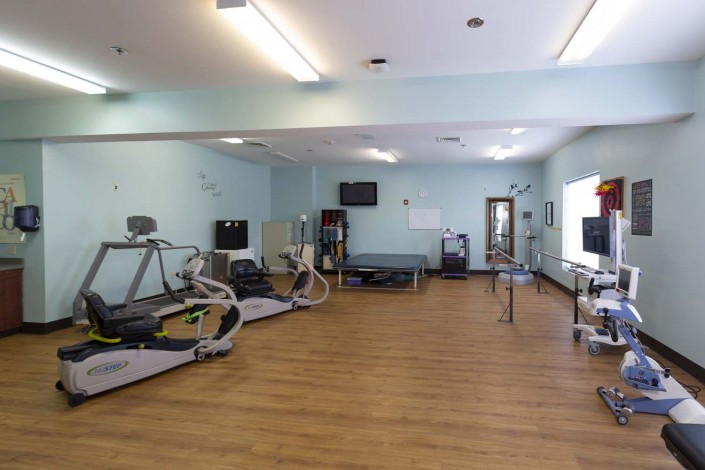
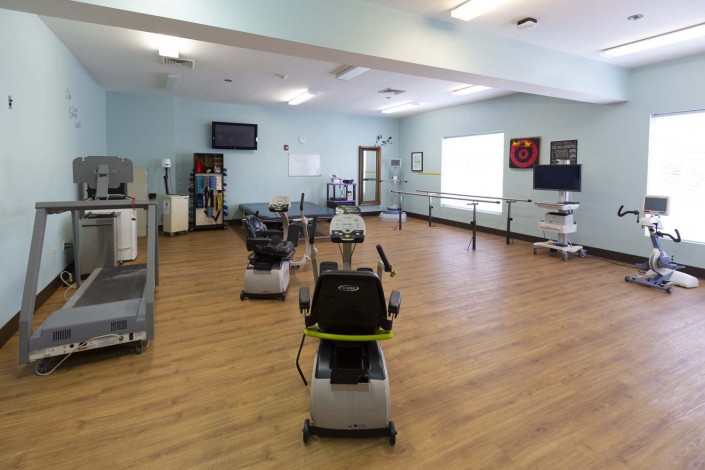
  • Fitness room Fitness roomHaving a fitness room in a senior living community is essential for seniors to stay active, maintain their physical health, and improve their overall well-being. Regular exercise can help prevent falls, reduce the risk of chronic diseases, and promote mental sharpness. It also provides social opportunities for residents to connect with others and enjoy a sense of community.
  • Fully furnished Fully furnishedFully furnished senior living communities are important for seniors because they provide convenience, comfort, and a hassle-free moving experience. Seniors can easily settle into their new living space without the stress of having to buy and move furniture. This allows them to focus on enjoying their new home and community.
  • Gaming room Gaming roomGaming rooms are important for seniors as they provide a fun and engaging environment for socializing, cognitive stimulation, and physical activity. Games can improve memory, problem-solving skills, and overall mental well-being while fostering friendships and reducing feelings of isolation.
  • Garden GardenGardens are important for seniors as they provide a peaceful and therapeutic environment for relaxation, physical activity, and socialization. Being in nature has been shown to reduce stress, improve mood, and promote overall well-being. Gardens also offer opportunities for seniors to engage in gardening activities, which can improve mobility, flexibility, and cognitive function. Additionally, gardens create a sense of community and connection with others who share a passion for plants and outdoor spaces.
  • Housekeeping services Housekeeping servicesHousekeeping services are important for seniors because they help maintain a clean and safe living environment, promote independence, and reduce the risk of accidents or illnesses. Additionally, having assistance with household chores can alleviate physical strain and allow seniors to focus on other aspects of their well-being.
  • Kitchenette KitchenetteKitchenettes are important for seniors living in senior living communities because they provide the convenience and independence of being able to prepare simple meals and snacks in the comfort of their own living space. This can help promote a sense of autonomy and well-being for seniors, allowing them to maintain some level of control over their dietary choices and daily routines.
  • Move-in coordination Move-in coordinationMove-in coordination is important for seniors because it helps ease the transition into their new living environment. It ensures that all logistics, such as packing, organizing movers, and setting up utilities are taken care of, allowing seniors to focus on settling in and adjusting to their new home. Having a smooth move-in process can alleviate stress and anxiety, making the transition smoother and more enjoyable for seniors.
  • Outdoor space Outdoor spaceOutdoor spaces are important for seniors as they provide opportunities for physical activity, social interaction, exposure to natural light and fresh air, and a sense of connection to nature. Having access to outdoor spaces can improve overall well-being and quality of life for older adults living in senior communities.
  • Private bathrooms Private bathroomsPrivate bathrooms are important for seniors in senior living communities because they provide independence, dignity, and comfort. Having a private bathroom allows seniors to maintain their personal hygiene routines without the need for assistance, promoting a sense of autonomy and privacy. Additionally, private bathrooms help prevent the spread of infections and provide a safe and clean environment for seniors to navigate safely.
  • Restaurant-style dining Restaurant-style diningRestaurant-style dining is important for seniors because it allows them to enjoy delicious, nutritious meals in a social and upscale setting. This enhances their dining experience, promotes healthy eating habits, and fosters socialization with fellow residents, ultimately contributing to their overall well-being and quality of life.
  • Small library Small librarySmall libraries are important for seniors as they provide access to a variety of reading materials, including books, newspapers, and magazines. This can help stimulate their minds, keep them engaged, and provide a sense of community through book clubs and other social activities. Additionally, reading has been shown to improve cognitive function and overall mental well-being in older adults.
  • Telephone TelephoneTelephones are important for seniors as they provide a lifeline for communication with loved ones, emergency services, and healthcare providers. They offer a sense of security and independence, enabling seniors to stay connected and access assistance when needed.
  • Wellness center Wellness centerWellness centers are important for seniors because they offer a variety of programs and services that promote physical, mental, and emotional well-being. These centers provide opportunities for exercise, socialization, education, and relaxation, helping seniors maintain their overall health and quality of life.
  • Wi-Fi/high-speed internet available Wi-Fi/high-speed internet availableWi-Fi/high-speed internet is important for seniors to stay connected with loved ones, access online resources, and participate in virtual activities to combat feelings of loneliness and isolation. It also allows them to easily manage healthcare needs, access entertainment, and engage in lifelong learning opportunities.

Transportation

  • Columbia Metropolitan (4 miles away) Columbia Metropolitan (4 miles away)
  • Community operated transportation Community operated transportationCommunity operated transportation is crucial for seniors as it provides them with the means to access essential services, social activities, and medical appointments. It allows seniors to maintain their independence and quality of life by ensuring they can participate in activities outside of their homes. Additionally, community-operated transportation services offer a safe and reliable way for seniors to travel without having to rely on family or friends for assistance.
  • Transportation arrangement Transportation arrangementTransportation arrangements are crucial for seniors as they may face challenges with driving, mobility, or access to public transportation. Having reliable transportation services ensures that seniors can easily attend appointments, social activities, and maintain their independence and quality of life.
  • Transportation arrangement (non-medical) Transportation arrangement (non-medical)Transportation arrangements are essential for seniors as they provide access to essential services, activities, and social interactions outside the home. This service helps maintain independence, mobility, and overall well-being for seniors who may have limited transportation options.
  • Transportation to doctors appointments Transportation to doctors appointmentsTransportation to doctors appointments is crucial for seniors as it ensures they have access to necessary medical care and support, promoting their health and well-being. It allows them to receive timely treatment, monitor existing conditions, and address any new health concerns efficiently. Additionally, transportation services can help seniors maintain their independence and quality of life by enabling them to stay connected with their healthcare providers.

Care Services

  • 12-16 hour nursing 12-16 hour nursing12-16 hour nursing care is crucial for seniors in order to ensure around-the-clock monitoring, timely medication administration, and prompt response to any health concerns or emergencies. This level of care helps to promote the overall well-being and safety of seniors living in senior living communities.
  • 24-hour call system 24-hour call system24-hour call systems are important for seniors because they provide peace of mind and immediate assistance in case of emergencies. This technology ensures that help is always available, promoting safety and security for elderly individuals living alone or in assisted living facilities.
  • 24-hour supervision 24-hour supervision24-hour supervision is important for seniors to ensure their safety, well-being, and access to immediate assistance in case of emergencies or health issues. This constant support provides peace of mind for both seniors and their loved ones, allowing them to age in place with dignity and security.
  • Activities of daily living assistance Activities of daily living assistanceActivities of daily living assistance are important for seniors because they provide essential support with tasks such as eating, bathing, dressing, and mobility. This assistance helps seniors maintain their independence, dignity, and overall quality of life as they age.
  • Assistance with bathing Assistance with bathingAssistance with bathing is crucial for seniors as it helps maintain personal hygiene, prevents infections, and ensures their overall well-being and comfort. It also provides a sense of dignity and independence for seniors who may struggle with this task on their own.
  • Assistance with dressing Assistance with dressingAssistance with dressing is important for seniors because it helps maintain their independence, promotes personal hygiene, prevents accidents and injuries, and improves overall quality of life. This service ensures that seniors can continue to dress comfortably and confidently, despite any physical limitations they may have.
  • Assistance with transfers Assistance with transfersAssistance with transfers is crucial for seniors as it helps prevent falls and injuries, maintains their independence, and ensures they can safely navigate their living environment. It also provides peace of mind for both seniors and their loved ones.
  • Diabetes diet Diabetes dietA diabetes diet is crucial for seniors as it helps manage blood sugar levels, reduce risks of complications, and improve overall health and well-being. By following a balanced and nutritious diet tailored to their specific needs, seniors can better control their diabetes and enhance their quality of life.
  • Meal preparation and service Meal preparation and serviceMeal preparation and service are crucial for seniors as they may have limited mobility or energy to cook nutritious meals. Having access to healthy and convenient food options can ensure they are getting the proper nutrition needed to maintain their overall health and well-being.
  • Medication management Medication managementMedication management is crucial for seniors to ensure they are taking the right medications at the correct dosages and times. This helps prevent adverse drug interactions, reduces the risk of medication errors, and promotes overall health and well-being. Proactive management also allows for adjustments as needed based on changing health conditions or new prescriptions.
  • Mental wellness program Mental wellness programMental wellness programs are essential for seniors as they promote cognitive stimulation, emotional support, and social engagement. These programs help prevent isolation, depression, and cognitive decline, ultimately enhancing the overall quality of life for older adults.
  • Special dietary restrictions Special dietary restrictionsSpecial dietary restrictions are important for seniors because age-related changes in metabolism and health conditions can make it difficult for their bodies to process certain foods. By following a diet tailored to their specific needs, seniors can maintain their overall health and well-being, manage chronic conditions, and reduce the risk of complications such as malnutrition or food interactions with medications.
  • Transportation to doctors appointments Transportation to doctors appointmentsTransportation to doctors appointments is crucial for seniors as it ensures they have access to necessary medical care and support, promoting their health and well-being. It allows them to receive timely treatment, monitor existing conditions, and address any new health concerns efficiently. Additionally, transportation services can help seniors maintain their independence and quality of life by enabling them to stay connected with their healthcare providers.

Dining

  • Diabetes diet Diabetes dietA diabetes diet is crucial for seniors as it helps manage blood sugar levels, reduce risks of complications, and improve overall health and well-being. By following a balanced and nutritious diet tailored to their specific needs, seniors can better control their diabetes and enhance their quality of life.
  • Special dietary restrictions Special dietary restrictionsSpecial dietary restrictions are important for seniors because age-related changes in metabolism and health conditions can make it difficult for their bodies to process certain foods. By following a diet tailored to their specific needs, seniors can maintain their overall health and well-being, manage chronic conditions, and reduce the risk of complications such as malnutrition or food interactions with medications.

Activities

  • Community-sponsored activities Community-sponsored activitiesCommunity-sponsored activities are important for seniors as they provide opportunities for social interaction, mental stimulation, and physical activity. These activities can help improve overall well-being, combat loneliness and isolation, and promote a sense of belonging and purpose among older adults.
  • Concierge services Concierge servicesConcierge services are essential for seniors as they provide assistance with daily tasks and errands, enhance their quality of life by offering convenience and personalized care, and promote a sense of safety and security.
  • Fitness programs Fitness programsFitness programs are crucial for seniors as they help improve strength, flexibility, balance, and overall well-being. Staying active can reduce the risk of chronic diseases, improve mental health, and enhance quality of life in older adults.
  • Planned day trips Planned day tripsPlanned day trips are important for seniors because they offer opportunities for socialization, mental stimulation, and physical activity. They provide a change of scenery and help seniors stay engaged and connected to their community, promoting overall well-being and quality of life.
  • Resident-run activities Resident-run activitiesResident-run activities are important for seniors as they encourage social interaction, creativity, and a sense of autonomy. These activities empower seniors to stay engaged and active in their community while fostering meaningful connections with their peers.
  • Scheduled daily activities Scheduled daily activitiesScheduled daily activities are important for seniors because they provide structure, socialization, mental stimulation, and physical activity. Engaging in regular activities can improve overall well-being and quality of life for seniors living in a community setting.

Description

Opus Post Acute Rehabilitation in West Columbia, SC is a vibrant and modern assisted living community that offers a wide range of amenities and care services to meet the needs of its residents. The community is equipped with a beauty salon, allowing residents to maintain their personal grooming and style. Cable or satellite TV is available for entertainment purposes, and there is also access to a computer center for those who wish to stay connected digitally.

Residents can enjoy delicious meals in the dining room, which offers restaurant-style dining. For those who prefer to prepare their own meals, there is a kitchenette available. Housekeeping services ensure that the living spaces are kept clean and tidy.

Opus Post Acute Rehabilitation also places an emphasis on promoting wellness and fitness through its fitness room and wellness center. There are various activities planned throughout the day, including resident-run activities and scheduled daily activities. Concierge services are available to assist with any special requests or arrangements.

For outdoor enthusiasts, there is a garden and outdoor space where residents can relax and enjoy nature. There is also a small library for those who love reading.

Transportation needs are well taken care of at Opus Post Acute Rehabilitation. Community-operated transportation as well as transportation arrangements (non-medical) are available, ensuring that residents have access to nearby amenities such as cafes, parks, pharmacies, physicians' offices, restaurants, hospitals, and more.

In terms of care services, the community provides 24-hour supervision and assistance with activities of daily living including bathing, dressing, transfers etc. Medication management assistance is also provided along with diabetes diet support and special dietary restrictions.

Opus Post Acute Rehabilitation aims to provide an inclusive environment where residents feel comfortable and supported in their daily lives.

Nearby Places of Interest

Pharmacies

  • Agape Pharmacy (0 miles)
  • CVS Pharmacy (0.9 miles)
  • Walgreens (0.9 miles)
  • Intramed Plus (1.8 miles)
  • Medicine Mart Pharmacy (1.9 miles)
  • CVS Pharmacy (2.2 miles)
  • Alcohol & Drug Abuse (3.1 miles)

Physicians

  • Three Rivers Pain Management (0.9 miles)
  • Advanced Fertility (1 miles)
  • Advanced Wound Care (1.2 miles)
  • Lexington Orthopaedics (1.2 miles)
  • Emmons Ellen M - Lexington Ent (1.2 miles)
  • Riverside Surgical Group (1.3 miles)
  • Aopi (1.3 miles)

Restaurants

  • McDonald's (0.9 miles)
  • Rush's (1 miles)
  • Chick-Fil-A (1 miles)
  • Freddy's Frozen Custard & Steakburgers (1.2 miles)
  • Waffle House (2.2 miles)
  • McDonald's (2.3 miles)
  • Waffle House (2.7 miles)

Hospitals

  • Lexington Medical Center (1.2 miles)
  • Lexington Medical Center Emergency Room (1.2 miles)

Parks

  • Saluda Riverwalk (2.3 miles)
  • West Columbia Riverwalk (3.3 miles)
  • Columbia Canal & Riverfront Park (3.6 miles)

Transportation

  • National Car Rental (3.1 miles)
  • USO Columbia Airport (3.1 miles)
  • Columbia Metropolitan Airport (CAE) (3.5 miles)
  • Enterprise Rent-A-Car (4.4 miles)

Cafes

  • Piecewise Coffee (3.5 miles)
  • Sweetwaters Coffee & Tea Park St (4.4 miles)
  • The Corner Blend (4.6 miles)
  • Starbucks (4.8 miles)

Frequently Asked Questions

Where is Opus Post Acute Rehabilitation?
What photos are available for Opus Post Acute Rehabilitation in West Columbia, South Carolina?

Nearby Communities

  • Carolina Gardens At West Columbia

    Carolina Gardens At West Columbia

    West Columbia, SC

    2.8 from 75 reviews
    $1,760 to $4,650 / month

    pro Friendly staff, good food, and a variety of resident activities.

  • FirstLight Home Care - West Columbia,  SC

    FirstLight Home Care - West Columbia, SC

    West Columbia, SC

    4.7 from 24 reviews
    $7,500 / month

    pro Excellent office staff and caring caregivers.

  • Colonial Gardens Transitional Assisted Living and Memory Care

    Colonial Gardens Transitional Assisted Living and Memory Care

    West Columbia, SC

    4.3 from 32 reviews
    $4,400 to $6,200 / month

    pro Friendly, attentive staff with memory-care-focused programming and a clean, welcoming environment.

  • Koger Home Care

    Koger Home Care

    West Columbia, SC

    4.2 from 10 reviews
     

    pro Family-like, compassionate care led by Ms. Doretha (Ms. Ree).

  • Caring Hands and Hearts,  LLC

    Caring Hands and Hearts, LLC

    West Columbia, SC


    pro Excellent access to healthcare, dining, and transportation nearby.

  • Jenni-Lynn

    Jenni-Lynn

    West Columbia, SC

    4.3 from 53 reviews
    $2,194 to $2,700 / month

    pro Quiet location, affordable pricing, and devoted staff with engaging activities.

  • Millennium Post Acute Rehabilitation

    Millennium Post Acute Rehabilitation

    W Columbia, SC


    pro Extensive on-site amenities and 24/7 care options (restaurant-style dining, beauty salon, fitness room, transportation).

  • Asbury Arms Apartments

    Asbury Arms Apartments

    West Columbia, SC


    pro Excellent location with abundant nearby dining, parks, and healthcare options.

  • Pines Columbia

    Pines Columbia

    West Columbia, SC

    4.2 from 56 reviews
    $2,600 / month

    pro Friendly, attentive staff; improved family communication; clean, updated facility with spacious rooms and good dining options.

Related Resources

  • what happens when medicare stops paying for nursing home careManaging Nursing Home Expenses After Medicare Coverage Ends

    Medicare provides limited coverage for skilled nursing home care, covering full benefits for the first 20 days and partial benefits up to 100 days under certain conditions, after which families must explore alternative funding options like Medicaid or long-term care insurance to manage potentially high costs. Proactive planning is essential to navigate the complexities of financing ongoing care once Medicare coverage ends.

  • geriatric care managerIs a Geriatric Care Manager the Right Choice for Your Family?

    Geriatric care managers create personalized care plans for older adults, addressing their medical, social, financial, and psychological needs while coordinating services and advocating for their well-being. They help families navigate caregiving challenges but may be hindered by high costs and a shortage of qualified professionals.

  • what to say to someone who is grievingCompassionate Conversations: How to Comfort Someone Who Is Grieving
    The article highlights the importance of empathy and open communication when comforting someone who is grieving, noting that grief is unique to each individual and emphasizing the need for sincere expressions of condolence, active listening, and ongoing support. It also addresses cultural differences in mourning practices and encourages tailored approaches to provide effective comfort.