
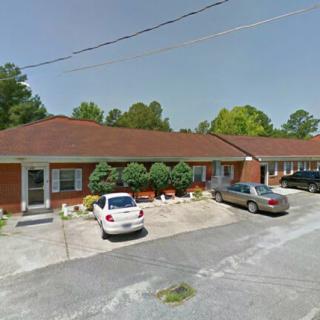
1150 State Road, Cheraw, SC 29520
For more information about senior living options: (866) 208-4318
Overall Review of Chesterfield Convalescent Center
Pros
 The entire staff has played a huge part in Chris's recovery.
- Chris is walking again and is physically and mentally improved.
- Visitors are welcomed warmly and the facility is clean, with charming residents.
- The nursing staff and care teams provide attentive, compassionate care.
- The upkeep of the building and the engagement of residents show a well-run facility.
- The care observed by visitors is exceptional.
Cons
 The staff in January 2023 were very rude and created problems between our family members by gossiping.
- This place has lied and told my mother would loose her health care if I took her home, and the social worker would not release her medications to my family.
- There has been a CNA who had been abusive towards my mother, yet is still allowed in her room.
- The staff member told my sister that I was using that as an authority.
- They did not check on her as they should have.
- Unscrupulous deceit for grieving families just to make money.
- He died from malnourishment within 3 weeks.
Review
Chesterfield Convalescent Center in Cheraw, SC is best suited for families seeking an inpatient rehab-focused option where the central goal is regaining mobility through intensive physical therapy after an acute event. It can work for someone who needs daily rehabilitative support and a hands-on care approach delivered by a team that includes nurses, therapists, and aides who are seen as personally invested in a patient’s progress. However, it is not a universal solution for long-term custodial care, and those prioritizing seamless communication, consistently high safety standards, and a transparent governance culture should weigh alternatives more heavily before committing.
On the plus side, the facility has produced tangible rehab progress in at least one high-profile case, with a family crediting the PT team and broader staff for restoring walking ability after a serious car crash. Several reviews highlight a clean environment, a capable nursing presence, and staff who engage with residents, make introductions to visitors, and keep the building reasonably tidy for an older facility. In practice, when the focus is rehabilitation, some families find the atmosphere supportive and the staff capable of delivering meaningful gains, supported by an administrator and director of nursing who appear to be actively involved in coordinating care.
Yet the negative experiences cited across multiple reviews are hard to overlook and dominate the decision calculus for many families. Allegations of neglect and miscommunication recur, including accounts of inadequate response to a dying loved one, rude interactions at front desks, and family members feeling marginalized or judged by staff. Complaints of gossip, internal friction, and staff who appear to “take issues personally” with family inquiries echo a governance culture that undermines trust. These reports, along with assertions of inconsistent care and insufficient attention to daily comfort needs, raise serious red flags for anyone relying on dependable, empathetic caregiving over time.
When weighing pros against cons, the evidence suggests cautious optimism in the rehab realm, counterbalanced by significant safety and reliability concerns. The strongest offset to the major drawbacks would be a proven, consistent rehab track record paired with robust, transparent communication channels, ideally reinforced by verifiable state inspection histories and on-site meetings with the director of nursing and a dedicated case manager. Without that level of transparency and steadiness, the risk of disengagement or delayed response can erode the potential rehab gains and threaten peace of mind for families.
For those evaluating alternatives, the message is clear: if the primary need is sustained long-term care with predictable staffing and fewer interpersonal conflicts, other facilities with stronger reputations for reliability and resident advocacy may be wiser choices. Families should also consider exploring in-home rehab options or other local SNFs with documented compliance histories and fewer red flags around safety and communication. If Chesterfield is on the short list, insist on a candid preadmission tour, demand a detailed rehab plan with a posted schedule, request weekly progress notes, and arrange frequent family updates to guard against the gaps evident in the reviews.
Ultimately, Chesterfield Convalescent Center offers a real rehab pathway for those who can leverage a strong PT program and who can tolerate a facility where interpersonal dynamics and accountability have reportedly been inconsistent. It is not a default recommendation for anyone seeking dependable long-term care, nor is it a place to gamble with a loved one’s safety. Families weighing this option should move decisively: verify current staffing stability, demand clear care management practices, and compare alternative communities with similar rehab capabilities to ensure a truly informed, risk-adjusted choice.
 104 resident community capacity
 Skilled Nursing Facility
 Air-conditioning
 Beauty salon
 Cable or satellite TV
 Computer center
 Dining room
 Fitness room
 Fully furnished
 Gaming room
 Garden
 Housekeeping services
 Kitchenette
 Move-in coordination
 Outdoor space
 Private bathrooms
 Restaurant-style dining
 Small library
 Telephone
 Wellness center
 Wi-Fi/high-speed internet available
 Community operated transportation
 12-16 hour nursing
 24-hour call system
 Activities of daily living assistance
 Assistance with bathing
 Assistance with dressing
 Assistance with transfers
 Diabetes diet
 Medication management
 Mental wellness program
 Special dietary restrictions
 Concierge services
 Planned day trips





 Understanding the Nuances of Palliative Care and Hospice: A Comprehensive Exploration
 Fecal Incontinence in Older Adults: A Comprehensive Guide
 Nurturing Well-Being Through Gardening: A Detailed Guide for Senior Enthusiasts