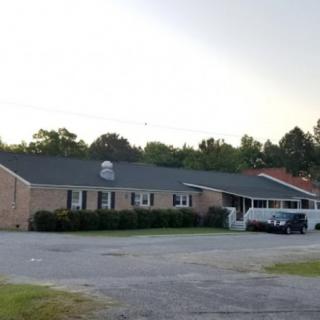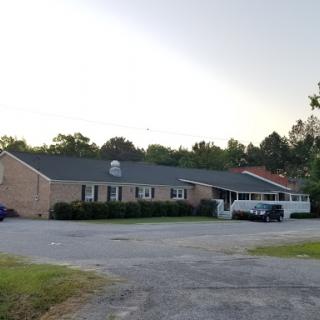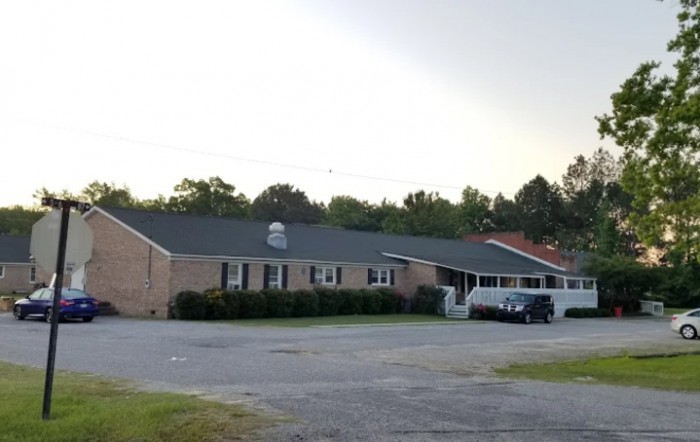
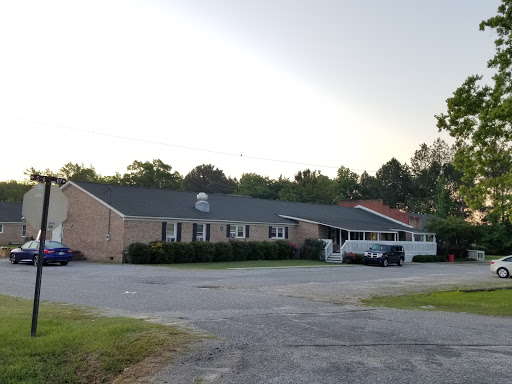
1612 Jones Bridge Road, Blackville, SC 29817
For more information about senior living options: (866) 208-4318
Overall Review of Laurel Baye Healthcare Blackville
Pros
 The staff are a pleasure to work with and they do amazing work with the residents.
- The people are wonderful and the staff are dedicated.
- Blackville is a wonderful facility with amazing staff.
- They have a great rehab team that works hard to restore function in daily life.
- Blackville Healthcare has amazing people who go above and beyond for their residents.
- The team is very caring and engaged, and they consistently go above and beyond to help.
- The facility is clean, well-maintained, and run by great people.
- The staff are professional and caring, including office staff and nurses.
Cons
 The workers are nasty and disrespectful and the place is very unsettling and nasty.
- They have roaches and bugs everywhere and they don’t care about the people they help.
- Employees are rude and are rough with patient.
- The staff are rude and disrespectful if you make a complaint.
- The hospital was appalled at the condition he was in.
- He was malnourished, he was septic, and his catheter had not been changed.
- This place needs to be investigated.
Review
Laurel Baye Healthcare Blackville is best suited for seniors who need post-acute rehabilitation and ongoing skilled nursing care, and for families willing to engage actively in oversight to ensure that care standards are consistently met. The facility has a recognizable emphasis on rehabilitation, and several reviews highlight a compassionate, family-like staff culture that can support recovery and daily living when the system runs smoothly. For residents who respond well to a close-knit, hands-on care approach and whose families can maintain regular checks, visits, conversations with frontline staff, and clear care-plan follow-up, this community can feel like a capable, approachable option.
Those who should consider alternatives are those for whom absolute safety, predictable professionalism, and flawless hygiene are non-negotiable. The reviews reveal a troubling inconsistency in daily experience: indications of rude or disrespectful staff, pest problems, and severe conditions of care in some cases. When a facility’s environment includes, in multiple reports, meals served cold, insufficient portions, and lapses in fundamental care such as hygiene and routine medical tasks, the risk profile rises sharply. Families facing complex medical needs or limited capacity to supervise care may want to weigh other options where safety and reliability are more consistently documented.
On the upside, the standout positives center on devoted staff, a robust rehab orientation, and a sense of “family” within the home. Several reviews praise staff for dedication, warmth, and meaningful engagement with residents, and describe administrative personnel and nurses as professional and approachable. The rehab team is repeatedly cited as a core strength, with caregivers who strive to restore function and support daily living. For families seeking a facility where the caregiving team feels invested and where the culture emphasizes care as a family responsibility, these positives can meaningfully influence recovery and day-to-day comfort.
Yet the most serious red flags in other accounts cannot be dismissed. Reports describe harsh attitudes from some workers, unsettled environments, and pest infestations, which undermine a sense of safety and well-being. Even more alarming are accounts of malnutrition, neglect of medical tasks, and acute deterioration that led to hospitalizations, including instances where a patient was found septic and care lapses were alleged. Such extreme discrepancies between the “nice people doing their jobs” narrative and the failures in basic care create a bifurcated picture: one path leads to recovery under attentive supervision, the other to real danger if oversight weakens.
How the pros offset, or fail to offset, the cons hinges on consistency. When rehabilitation is the primary aim and staff members are genuinely engaged, the community’s strengths can drive meaningful improvements in function and mood, and the family-like atmosphere can ease anxiety for residents and families alike. However, the weight of the negative reports cannot be ignored: irregular conduct, hygiene problems, and critical care gaps erode confidence and threaten safety. The presence of compassionate staff in some shifts does not guarantee uniform quality, especially for residents who require vigilant, 24/7 attention or rapid escalation of medical concerns. Leadership that is responsive in some reviews is encouraging, but it must translate into dependable everyday care across all shifts.
For families considering Laurel Baye Blackville, the recommended approach is twofold: conduct an in-person, unannounced inspection with a concrete checklist and talk extensively with frontline caregivers, current residents, and a trusted family member who understands daily routines. Request current care plans, review recent state inspection findings, and quantify staffing levels and response times during different shifts. Set explicit expectations for nutrition, hygiene, and medication administration, and insist on a formal oversight plan with regular updates. If these checks reveal a persistent culture of safety and consistency, the facility can be a viable, rehabilitative home. If not, there are alternative communities with stronger, more uniform safety records that better align with risk-averse priorities. Laurel Baye Blackville can work for a determined, rehab-focused path, but only when due diligence confirms reliable care and a consistently respectful, safe environment.
 85 resident community capacity
 Skilled Nursing Facility
 Air-conditioning
 Beauty salon
 Cable or satellite TV
 Computer center
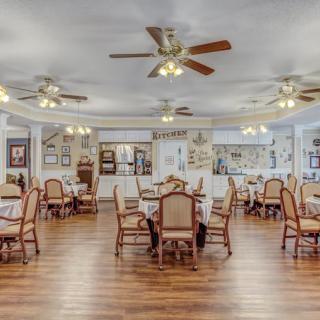
 Dining room
 Fitness room
 Fully furnished
 Gaming room
 Garden
 Housekeeping services
 Kitchenette
 Move-in coordination
 Outdoor space
 Private bathrooms
 Restaurant-style dining
 Small library
 Telephone
 Wellness center
 Wi-Fi/high-speed internet available
 Community operated transportation
 12-16 hour nursing
 24-hour call system
 Activities of daily living assistance
 Assistance with bathing
 Assistance with dressing
 Assistance with transfers
 Diabetes diet
 Medication management
 Mental wellness program
 Special dietary restrictions
 Concierge services
 Planned day trips




 Compassionate Conversations: How to Comfort Someone Who Is Grieving
 Home Health Care Aides: Understanding Their Role and Supporting Your Family
 Urinary Tract Infections in Older Adults: Comprehensive Insights on Symptoms, Treatment, and Prevention