
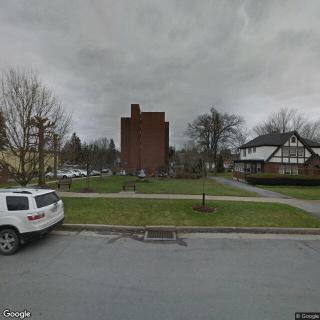
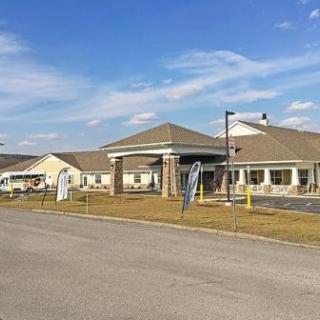
763 Johnsonburg Road, St Marys, PA 15857
For more information about senior living options: (866) 208-4318
Overall Review of Pinecrest Manor - St Marys
Pros
 The staff is caring and compassionate.
- The facility is clean and well maintained.
- Megan, the administrator, has created an outstanding environment for residents, families, and staff.
- The staff is very helpful, kind, and professional in caring for residents.
- The personnel are great, friendly, and respectful of each family.
Cons
 The aides are understaffed and overworked.
- The employees are underpaid and too often distracted by talking with each other and taking cigarette breaks.
- The staff do not respond when residents call for help.
- Residents need more interaction from the staff.
- The care being provided to residents is not satisfactory.
Review
Pinecrest Manor in St. Marys, PA is best suited for seniors who want a warm, well-kept, home-like environment and appreciate hands-on leadership from the top. The community tends to attract families who want an administrator-driven facility where staff kindness and resident engagement are visible daily, and who can be actively involved in care planning and oversight. This is not a place to hide in the shadows; it rewards families that show up, ask questions, and partner with the team. Those who require highly predictable, nurse-led care around the clock with minimal wait times may want to consider alternatives with deeper clinical depth. The right match balances comfort with attentiveness, and Pinecrest leans toward that balance when staffing holds steady.
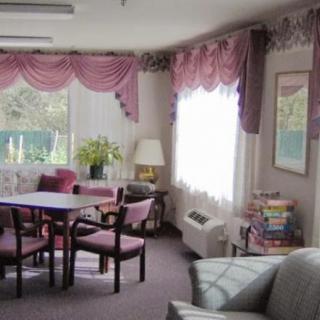
On the positive side, the environment feels compassionate and clean. Residents encounter staff who are described as caring, helpful, and professional, and the facility itself is well maintained. The administrator, Megan, receives frequent praise for creating a constructive culture for residents and families alike. Cleanliness and upkeep help reduce anxiety for families and support daily routines, exercise, meals, and social activities. When care needs are modest and the resident responds well to routine, this combination of warmth and order can translate into a reliable daily rhythm that keeps independence intact while providing necessary support.
Yet serious caveats surface in the form of staffing pressures. Reviewers repeatedly flag understaffing and overworked aides, a situation that arouses concerns about burnout and reduced face-to-face time with residents. Pay appears low, which critics say drives turnover or distraction as staff micro-breaks and socializing cut into care time. In one troubling account, a family reports that a great-grandmother’s nurses did not answer a daily request for help, leaving her to do what she could herself. Other stories describe nurses who do not promptly respond to calls. Taken together, these points raise real concerns about consistency, safety, and the level of individualized attention residents can expect, especially during peak hours or emergencies.
Those core strengths, the caring staff, the clean, orderly environment, and the leadership from Megan, absorb some of the risk posed by staffing gaps. When aides are present and engaged, families note respectful, kind interactions, and residents seem to benefit from predictable routines and meaningful social contact. The administrator’s active involvement can help resolve issues, reinforce standards, and maintain a positive mood across the community. However, the weight of understaffing and inconsistent clinical response remains a meaningful drag. The difference between a decent day and a stressful one can hinge on whether a nurse is immediately available or a caregiver has the time to sit with a resident and address a concern.
For families making a decision, Pinecrest works best when the resident’s needs are moderate and the family can participate in ongoing oversight. If the person requires steady, rapid nursing attention, or has significant cognitive or behavioral challenges, alternatives with higher nurse-to-resident ratios may offer greater reassurance. Prospective residents should request transparent data, nurse call response times by shift, current staffing levels, and any patterns of delays, and plan to visit at different times to gauge consistency. Consider walking through a typical day: how quickly meals are served, how activities are structured, and how often aides are available for help with ADLs. These practical checks often reveal gaps that aren’t evident in marketing materials.
In the balance, Pinecrest Manor presents a solid option for families who want a clean, welcoming setting with a human-centered staff and proactive leadership. The key decision rests on tolerance for staffing variability and the importance placed on near-immediate clinical responsiveness. If a resident can thrive with dependable routines and engaged, friendly care, and a family prepared to advocate and monitor care, this community can deliver warmth and dignity in daily life. If not, it is wise to explore alternatives before committing, ensuring the chosen path aligns with the resident’s needs for safety, pace, and clinical oversight.
 138 resident community capacity
 Skilled Nursing Facility
 Air-conditioning
 Beauty salon
 Cable or satellite TV
 Computer center
 Dining room
 Fitness room
 Fully furnished
 Gaming room
 Garden
 Housekeeping services
 Kitchenette
 Move-in coordination
 Outdoor space
 Private bathrooms
 Restaurant-style dining
 Small library
 Telephone
 Wellness center
 Wi-Fi/high-speed internet available
 Community operated transportation
 12-16 hour nursing
 24-hour call system
 Activities of daily living assistance
 Assistance with bathing
 Assistance with dressing
 Assistance with transfers
 Diabetes diet
 Medication management
 Mental wellness program
 Special dietary restrictions
 Concierge services
 Planned day trips




 Fecal Incontinence in Older Adults: A Comprehensive Guide
 Recognizing the Journey: Understanding and Navigating Anticipatory Grief
 Encouraging Participation in Adult Day Care: A Guide to Supporting a Hesitant Parent