
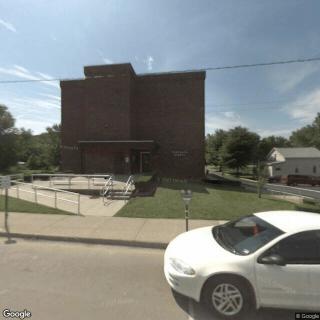
Po Box 680, 156 Snyder Memorial Road, Marienville, PA 16239
For more information about senior living options: (866) 208-4318
Overall Review of Snyder Memorial Health Care Center
Pros
 The head chef Dennis is absolutely amazing and genuinely cares about residents' well-being.
- He consistently goes the extra mile to ensure residents are okay and their quality of life is prioritized.
- The team works together to meet and exceed resident care.
- Administrator Matt is always out visiting with residents and staff, bringing treats and showing appreciation.
Cons
 They called and got nowhere.
 - They were told the resident was too high maintenance and would require significant equipment and support.
- They were told the facility only takes people with behaviors that need medication.
- It sounded more like a mental hospital than a nursing home.
Review
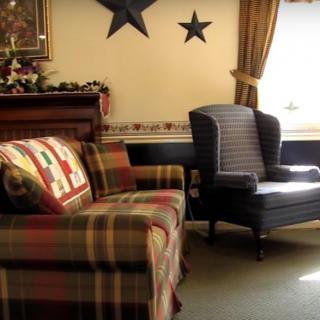
Snyder Memorial Health Care Center in Marienville, PA is best suited for families seeking a compact, neighborly facility where daily warmth from staff translates into reliable, visible care. The community feels like a homey setting rather than a sprawling campus, with caregivers who know residents by name and adjust routines to individual rhythms. The practical upside is evident: residents receive steady attention, with a culture that prioritizes quality of life and personal connection over impersonal throughput. This makes it a strong fit for seniors who need help with daily activities and crave genuine human contact from a team that treats them as individuals rather than tasks to be completed.
That said, the center is less appropriate for residents with high-maintenance medical needs or complex equipment requirements. Tours and conversations reveal a clear boundary around what can be supported on site. For example, cases requiring half-bed rails, a Mickey button for tube feeding, or assistive devices like a stand-up lift pose admission and ongoing-care questions that the facility appears not equipped to handle readily. One prospective admittee reported being told the center would not accept someone who needed those supports, which signals a potential misalignment for families dealing with intensive medical routines. Families considering Snyder Memorial should prepare for a candid discussion about exact capabilities and admission criteria before assuming fit.
The strongest assets are tangible in the people who deliver daily care. A notable consensus across conversations centers on the head chef, Dennis, who is described as genuinely caring about residents’ well-being and willing to go the extra mile to ensure comfort and safety. The kitchen team earns praise for quality and consistency, contributing to better daily living experiences. Equally compelling is the presence of an administrator who is seen out among residents and staff, Matt emerges as an approachable, appreciative leader who reinforces a culture of recognition and teamwork. When care teams operate with this level of cohesion, residents experience reliable routines, timely meals, and responsive oversight that can offset the facility’s limitations in other areas.
However, several practical drawbacks temper the overall appeal. Reports of inconsistent responsiveness, such as difficulty reaching the right person by phone or getting clear guidance on next steps, highlight a snag in day-to-day navigation for families navigating moments of concern. More troubling is feedback about admissions and handling of complex needs, including claims that high-maintenance residents are effectively turned away, sometimes with language suggesting a mismatch with what is perceived as a hospital-like environment. These threads suggest that while the staff can deliver good day-to-day care for many, the admit-and-care model may not be robust enough for residents who require intensive medical management or specialized equipment on a long-term basis.
In weighing pros and cons, Snyder Memorial presents a practical value proposition for households prioritizing warmth, personalization, and a stable daily routine over scalability and medical breadth. The devoted culinary and administrative leadership can meaningfully elevate the resident experience, translating to better mood, engagement, and perceived safety. Yet the same strengths illuminate the critical gaps: admission flexibility and ongoing capability to support high-acuity needs remain unsettled questions. For families whose loved ones require consistent, high-touch medical oversight, expect to encounter better fits elsewhere. For those who prize a community feel, strong daily care, and staff-driven warmth, this center deserves careful consideration and a direct, in-depth conversation about individual care plans.
To move from consideration to a confident choice, pursue a structured evaluation. Schedule a tour and request time with the administrator to discuss admission criteria and the facility’s exact capabilities for equipment, wound care, medication management, and behavior supports. Meet the head chef to understand food plans, mealtime routines, and how culinary leadership contributes to resident well-being. Bring a current care plan and insist on a candid response regarding the ability to support your loved one’s specific needs, including any assistive devices, feeding methods, and transfer aids. Ask about a clear care plan, a written service agreement, and potential trial stays or respite options to gauge fit without long-term commitment. In the end, Snyder Memorial is a commendable option for households prioritizing a close-knit, attentive culture; for high-acuity cases, however, it is prudent to compare alternatives that offer broader medical capabilities and admission flexibility.
 100 resident community capacity
 Skilled Nursing Facility
 Air-conditioning
 Beauty salon
 Cable or satellite TV
 Computer center
 Dining room
 Fitness room
 Fully furnished
 Gaming room
 Garden
 Housekeeping services
 Kitchenette
 Move-in coordination
 Outdoor space
 Private bathrooms
 Restaurant-style dining
 Small library
 Telephone
 Wellness center
 Wi-Fi/high-speed internet available
 Community operated transportation
 12-16 hour nursing
 24-hour call system
 Activities of daily living assistance
 Assistance with bathing
 Assistance with dressing
 Assistance with transfers
 Diabetes diet
 Medication management
 Mental wellness program
 Special dietary restrictions
 Concierge services
 Planned day trips



 Comprehensive Look at Senior Blood Pressure Charts: Normal and Elevated Levels by Age
 Top Canine Companions for Older Adults
 Comprehensive Guide to Blood Pressure Charts for Older Adults: Understanding Normal and High Readings by Age