For more information about senior living options: (866) 208-4318
3.2 from 128 reviews
5 stars
57
4 stars
14
3 stars
5
2 stars
6
1 stars
46
Lancashire Hall Costs & Pricing
Lancashire Hall presents a competitive pricing structure for its accommodations, particularly when compared to the broader market in Lancaster County and the state of Pennsylvania. For those opting for semi-private rooms, the monthly fee at Lancashire Hall is $6,300, significantly higher than the county average of $3,844 and the state benchmark of $3,542. Similarly, private room rates are set at $7,440, which again surpasses both local and state averages - $4,840 and $4,890 respectively. These figures suggest that while Lancashire Hall may offer enhanced amenities or specialized care services justifying the higher costs, prospective residents should weigh these benefits against more affordable options available within the region.
Floor plans
Lancashire Hall
Lancaster County
Pennsylvania
Semi-Private
$6,300
$3,844
$3,542
Private
$7,440
$4,840
$4,890
Skilled Nursing Facilities with a similar price nearby
from -$900 / mo
Hamilton Arms Center
4.4 from 118 reviews
$5,400 to $5,850 / month
5.0 miles away
from -$1170 / mo
Linden Village A ProMedica Senior Living Community
Residents and families describe long waits for help and care.
Several reviews describe delays after using the call bell or requesting staff help, including waits measured in tens of minutes. A few families also describe basic needs not being met promptly, such as help with meals, water, or getting residents cleaned after being left in soiled or uncomfortable conditions. At the same time, some reviews say the staff they encountered were responsive and helpful, which suggests experiences may vary by shift or situation.
caveat15 reviews mention this
Cleanliness and odors are recurring complaints
Reviews repeatedly mention dirty conditions and strong unpleasant odors.
Many reviewers describe rooms and shared areas as dirty or outdated, with issues such as sticky floors, dust buildup, and poorly maintained bathrooms. Multiple reviews mention urine-like smells throughout the building. Some families also point to concerns about cleanliness and safety details, which amplifies their overall worry about the environment.
caveat15 reviews mention this
Food quality and meal timing vary
Residents are described receiving meals late, cold, or not as expected.
Food shows up in both positive and negative ways, but the concerns are frequent: reviews describe meals arriving late, being cold or unappetizing, and sometimes not arriving at all. Some families also describe dietary needs not being followed, including diabetic-related concerns and requests not being respected. A smaller number of reviews say the food was better or good, including one that specifically praised variety.
common5 reviews mention this
Activities and outings bring some joy
Many reviews mention engaging activities and social time.
Several reviewers say there were lots of activities and that residents seemed to enjoy outings and events. A few descriptions point to special moments like celebrations and music at mealtimes, which suggests there is an effort to keep days from feeling the same. Not every review addresses activities, but the ones that do tend to be positive.
How we summarize
Counts show how many written reviews mention each theme; a review can touch several themes, and only frequently mentioned themes are displayed.
Features
Housing
240 resident community capacity
Types of Care
Skilled Nursing Facility
Amenities
Air-conditioning
Beautician on-site
Beauty salon
Cable or satellite TV
Computer center
Dining room
Financial aid
Financing advice
Fitness room
Fully furnished
Gaming room
Garden
Guasts at mealtime
Guest parking
Housekeeping services
Kitchenette
Laundry
Move-in coordination
Outdoor space
Party space
Private
Private bathrooms
Restaurant-style dining
Small library
TV room
Telephone
VA Benefits Consultation
Wellness center
Wi-Fi/high-speed internet available
Transportation
Community operated transportation
Transportation & parking
Transportation arrangement
Transportation arrangement (non-medical)
Transportation to doctors appointments
Care Services
12-16 hour nursing
24-hour call system
24-hour supervision
Activities of daily living assistance
Assistance with bathing
Assistance with dressing
Assistance with transfers
Diabetes diet
Hospice care
Meal preparation and service
Medication management
Mental wellness program
Physical therapy
Psychiatric care
Special dietary restrictions
Dining
Diabetes diet
Room service
Special dietary restrictions
Activities
Activities off-site
Arts and crafts
Book club
Community-sponsored activities
Concierge services
Educational speakers / life long learning
Fitness programs
Games
Live musical performances
Planned day trips
Religious services
Resident-run activities
Scheduled daily activities
Stories
Nearby Places of Interest
Located in Lancaster, Pennsylvania, this area offers a variety of amenities that cater to senior living. With several parks nearby such as Manheim Township Community Park and Stoner Park, residents can enjoy outdoor activities and relaxation. There are also numerous dining options including Knight And Day Diner and Fiorentino's Italian Restaurant for convenient meals. Medical care is easily accessible with physicians like Willow Spring Internal Medicine and Lancaster Otolaryngology in close proximity, along with pharmacies like CVS Pharmacy and Olde Hickory Pharmacy for medication needs. For entertainment, Penn Cinema and Reel Cinemas Lancaster offer movie showings, while cafes like Piccadilly Coffee & Tea House provide a cozy atmosphere for socializing. With hospitals like UPMC Pinnacle Lititz and Lancaster General Health nearby, residents can rest assured knowing that quality healthcare is readily available. Additionally, places of worship such as Calvary Church cater to spiritual needs within the community. Overall, this area provides a well-rounded environment for seniors looking to settle down in a vibrant neighborhood with plenty of amenities at their doorstep.
Parks
Manheim Township Community Park (0.4 miles)
Stoner Park (2.3 miles)
Long's Park (3.3 miles)
Lititz Springs Park (3.7 miles)
Restaurants
Knight And Day Diner (0.7 miles)
Fiorentino's Italian Restaurant (1 miles)
Maize Mexican Cantina (1.6 miles)
S. Clyde Weaver (2.5 miles)
Burger King (2.5 miles)
Mad Chef Craft Brewing (2.6 miles)
Chick-Fil-A (2.6 miles)
Physicians
Willow Spring Internal Medicin (0.8 miles)
Kissel Hill Family Care (0.9 miles)
Physician Support Systems (1 miles)
Lancaster Otolaryngology (1.6 miles)
Eye Health Physicians of Lancaster (1.6 miles)
Sallavanti & Cotter Family Medicine (1.6 miles)
Simons David Pain Specialists Of Lancaster Lititz (1.8 miles)
Lancashire Hall presents a competitive pricing structure for its accommodations, particularly when compared to the broader market in Lancaster County and the state of Pennsylvania. For those opting for semi-private rooms, the monthly fee at Lancashire Hall is $6,300, significantly higher than the county average of $3,844 and the state benchmark of $3,542. Similarly, private room rates are set at $7,440, which again surpasses both local and state averages - $4,840 and $4,890 respectively. These figures suggest that while Lancashire Hall may offer enhanced amenities or specialized care services justifying the higher costs, prospective residents should weigh these benefits against more affordable options available within the region.
Living wills and advance directives are crucial legal documents that outline an individual's healthcare preferences when they cannot make decisions themselves, enhancing patient autonomy and alleviating family stress during medical crises. The article emphasizes the need for these documents to be personalized, legally valid, and regularly updated, while also encouraging communication about end-of-life wishes among family members and healthcare providers.
The article examines living wills and advance directives, highlighting their significance in expressing healthcare preferences for those unable to communicate due to illness or incapacity. It discusses their historical development, legal components, limitations, practical drafting advice, and the importance of clear communication among families and healthcare professionals regarding end-of-life decisions.
Hospice care focuses on providing comfort and support for individuals nearing the end of life, with Medicare Part A covering services like nursing care and counseling for patients with a terminal illness and a life expectancy of six months or less. While most hospice services are low-cost for eligible patients, families should be aware that certain expenses, such as room and board, may not be covered.
Get PricingAsk A QuestionSchedule A TourContact Senior Advisor
By clicking submit, you agree to our Partner's Terms of Use. You
also consent to receive calls and texts, which may be autodialed, from our Partner. Your consent is not a condition to
using our Partner's service. Please visit our Partner's Privacy Policy for information about their privacy practices.




 240 resident community capacity
 Skilled Nursing Facility
 Air-conditioning
 Beautician on-site
 Cable or satellite TV
 Computer center
 Dining room
 Financial aid
 Fitness room
 Fully furnished
 Gaming room
 Garden
 Guest parking
 Housekeeping services
 Kitchenette
 Laundry
 Move-in coordination
 Outdoor space
 Party space
 Private
 Private bathrooms
 Restaurant-style dining
 Small library
 Telephone
 Wellness center
 Wi-Fi/high-speed internet available
 Community operated transportation
 12-16 hour nursing
 24-hour call system
 Activities of daily living assistance
 Assistance with bathing
 Assistance with dressing
 Assistance with transfers
 Diabetes diet
 Hospice care
 Medication management
 Mental wellness program
 Physical therapy
 Psychiatric care
 Special dietary restrictions
 Arts and crafts
 Book club
 Concierge services
 Educational speakers / life long learning
 Games
Games Live musical performances
 Planned day trips
 Religious services
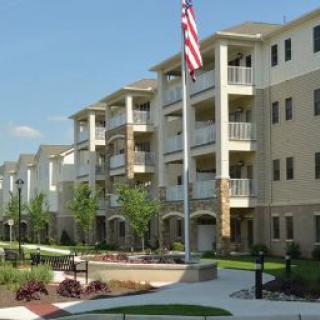
 Friendly staff in a well-maintained, active community with high-quality dining.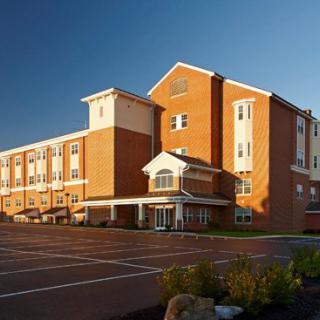

 Comprehensive Exploration of Living Wills and Other Advance Directives
 A Detailed Exploration of Living Wills and Advance Directives
 Comprehensive Guide to Medicare Coverage for Hospice Care