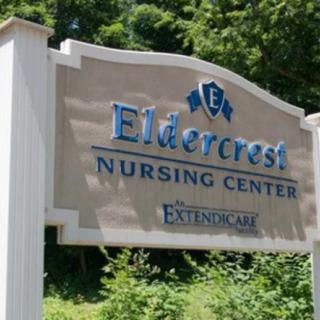
Eldercrest Healthcare And Rehabilitation Center in Munhall, PA

Save

Eldercrest Healthcare And Rehabilitation Center in Munhall, PA

Information last verified:

2600 West Run Road, Munhall, PA 15120

For more information about senior living options: (844) 490-3973

3.1 from 57 reviews
5 stars
25
4 stars
5
3 stars
1
2 stars
2
1 stars
24

Overall Review of Eldercrest Healthcare And Rehabilitation Center

Pros

  • pro The Eldercrest staff were wonderful, courteous, and accommodating.
  • pro Residents were happily engaged in activities and therapy.
  • pro The therapists were motivating and shared progress with families.
  • pro The admissions process was easy, with administrative staff being attentive and accommodating.
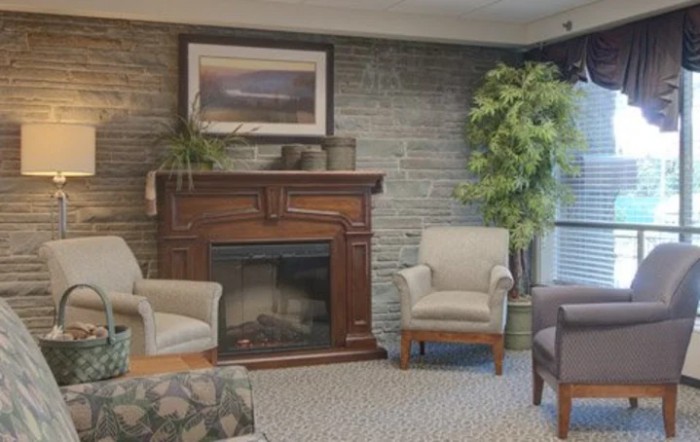
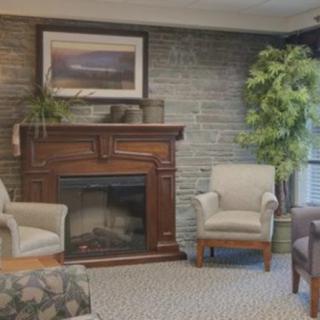
  • pro The facility was clean, organized, and had a welcoming, family-like atmosphere.
  • pro Nurses and aides were friendly, attentive, and genuinely caring.
  • pro The dietary staff tailored meals to individual preferences and dietary needs.
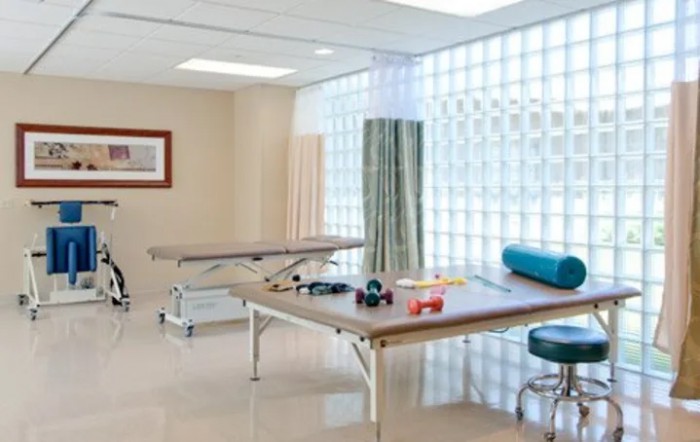
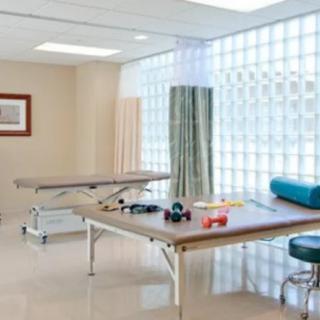
  • pro The rehab program, including the well-equipped PT/OT rooms, supported recovery and discharge home.
  • pro Overall, families would highly recommend Eldercrest for short-term rehab.

Cons

  • pro The facility is dirty, smells strongly of urine, and appears understaffed.
  • pro The night staff is absolutely awful and some are downright mean to residents.
  • pro Residents are left in soiled diapers for hours and meals are not properly attended to.
  • pro The facility often responds slowly to call buttons, leaving residents waiting 35–40 minutes.
  • pro There are serious concerns about infection control; staff rarely wash their hands entering or leaving rooms.
  • pro Wounds and infections are not treated properly, leading to deteriorating health.
  • pro Patients are discharged without proper PT/OT, hospital beds, wheelchair access, or medications arranged.
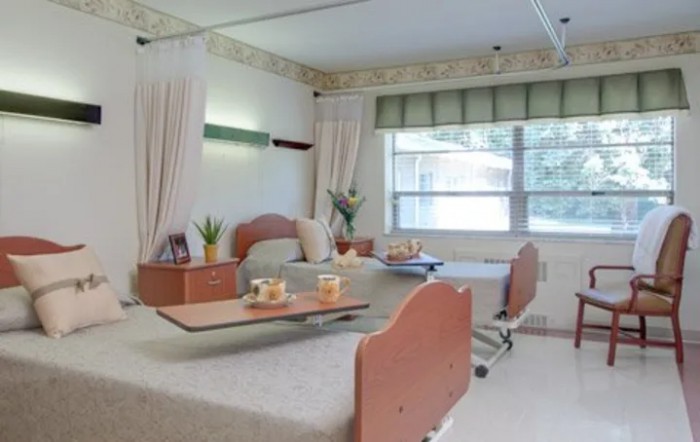
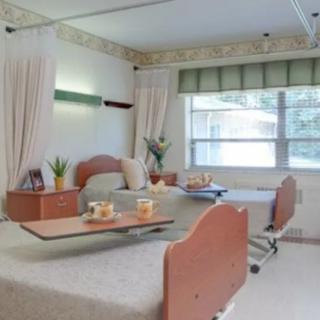
  • pro Rooms are small with too many residents, and cleanliness is inconsistent, especially on weekends.
  • pro Personal belongings are sometimes stolen or mislaid, with poor accountability.
  • pro Some staff are unprofessional, unskilled, or uncaring, impacting the quality of care.
  • pro Several reviews state they would not recommend the facility due to overall poor care.
  • pro There is a pattern of neglect and substandard care across multiple staff groups (nurses, aides, dietary, housekeeping).

Review

Eldercrest Healthcare and Rehabilitation Center in Munhall is best suited for families seeking a small, hands-on rehab and post-hospital care setting where a personal, almost familial atmosphere can help a loved one settle in quickly. The strongest alignment is for short-term rehabilitation or transition care where therapy intensity, daily engagement, and a tight-knit staff approach can feel reassuring. When the resident’s needs center on solid PT/OT programs, a responsive admissions process, and a facility that emphasizes daily activity and social connection, Eldercrest often delivers. The tight-knit feel, with long-tenured staff members and a lower-volume environment, can translate into genuine attentiveness and visible effort from caregivers, nurses, and therapists who know residents by name.

At the same time, several reviews point decisively to why alternatives may be preferable for certain families. Those who require robust, around-the-clock staffing with consistent, professional care across shifts will want to look elsewhere, as staffing gaps and weekend gaps have been cited repeatedly. Families navigating advanced dementia, high fall risk, or complex wound care may find Eldercrest’s capabilities unevenly matched to the level of supervision and specialized oversight those conditions demand. Cleanliness and odor issues, uneven responsiveness to call bells, and reports of inconsistent care at night or on weekends are red flags that will prompt a careful comparison with other facilities that emphasize continuous staffing and stricter infection-control practices.

The facility’s promises are apparent in the positives many experiences share. The rehab portion is frequently described as strong, with therapists who push patients toward meaningful progress and discharge planning that emphasizes returning home. Nursing staff and aides are repeatedly credited as caring, personable, and patient, often forming a team that residents come to trust. The environment can feel small and homelike, which helps families feel connected to daily routines, meals, and activities. The dining and dietary teams are praised for accommodating preferences and adjusting menus, sometimes enabling residents to continue enjoying preferred foods. In several accounts, admissions and coordination with families are handled smoothly, with staff guiding discharge planning and continuing care after departure.

Yet the strongest positives do not fully neutralize the most troubling downsides. When concerns are raised, they frequently center on cleanliness and odor, inconsistent housekeeping, and a sense that some shifts operate with too few hands on deck. Reports of delayed assistance with basic needs, missed or rushed care during critical moments, and occasional lapses in hygiene or wound care undermine confidence in reliability. Discharge guidance can be inconsistent, with families left to fill gaps in instruction about medications, follow-up therapy, or adaptive equipment. Instances of miscommunication at the administrative level, where social workers or nursing leadership seem hard to reach, compound worries about ongoing risk management once a resident leaves Eldercrest.

Pros offset cons in a few crucial ways for the right resident. For families prioritizing short-term rehab, the facility’s therapy intensity and the ability to observe tangible progress can outweigh concerns about occasional service gaps. The small scale and the sense of a family-like culture can be especially valuable for residents who respond to personalized attention and who benefit from frequent, direct contact with therapists, nurses, and activity staff. The internet of care around meals and daily activities, where staff members check on preferences, coordinate outside meals, and keep residents engaged, creates a backbone of everyday life that can be comforting during a difficult recovery period. In these contexts, Eldercrest can be a competent, practical choice that supports discharge planning with a visible, empathetic staff.

For families evaluating Eldercrest, the practical move is to interview thoroughly and visit with a critical lens. Inspect room cleanliness, odor control, and the general state of the building during different times of day. Ask to meet the director of nursing, the social worker, and the head of the therapy team to assess responsiveness and problem-solving styles. Probe the specifics of how care plans are developed and updated, how medication management is monitored, and how night-shift staffing is organized. Demand a clear, written discharge checklist that covers PT/OT goals, home-health needs, equipment, and follow-up appointments. And, crucially, talk to current residents and family members about transitions, what happened when plans changed, and whether communication remained steady as discharge approached.

Ultimately, Eldercrest offers a candidly mixed package: sincere, capable rehab and genuinely caring staff in a small, home-like setting, tempered by concerns about consistency, cleanliness, and 24/7 supervision. It can be an excellent fit for those who value a personal, engaged rehabilitation experience and can tolerate some variability in non-therapy services. It is less suited for families whose priorities include unwavering cleanliness, uninterrupted support through every shift, or specialized dementia care without compromise. In the decision-making process, eligibility hinges on aligning a loved one’s rehab goals and medical complexity with the facility’s demonstrated strengths and its acknowledged gaps. If a higher degree of staffing reliability and sharper infection-control practices are non-negotiable, exploring other nearby options is a prudent, proactive step.

Features

Housing

  • 48 resident community capacity 48 resident community capacity

Types of Care

  • Skilled Nursing Facility Skilled Nursing FacilitySkilled Nursing Facilities are crucial for seniors as they provide round-the-clock medical care, rehabilitation services, and assistance with daily activities. These facilities ensure that seniors receive the specialized care they need to maintain their health and well-being as they age.

Amenities

  • Beauty salon Beauty salonBeauty salons are important for seniors because they provide a space for them to feel pampered, socialize, and maintain their personal grooming and hygiene. Regular visits to a beauty salon can help boost seniors' self-esteem and overall well-being.
  • Cable or satellite TV Cable or satellite TVCable or satellite TV is important for seniors because it provides entertainment, news, and companionship, helping to combat loneliness and boredom. It also offers a wide range of programming options tailored to different interests and preferences.
  • Dining room Dining roomDining rooms are important for seniors as they provide a space for socialization, connection, and nutritious meals. They offer opportunities for residents to bond over shared meals, foster a sense of community, and promote healthy eating habits. Dining rooms also ensure that seniors have access to well-balanced meals tailored to their dietary needs and preferences.
  • Fully furnished Fully furnishedFully furnished senior living communities are important for seniors because they provide convenience, comfort, and a hassle-free moving experience. Seniors can easily settle into their new living space without the stress of having to buy and move furniture. This allows them to focus on enjoying their new home and community.
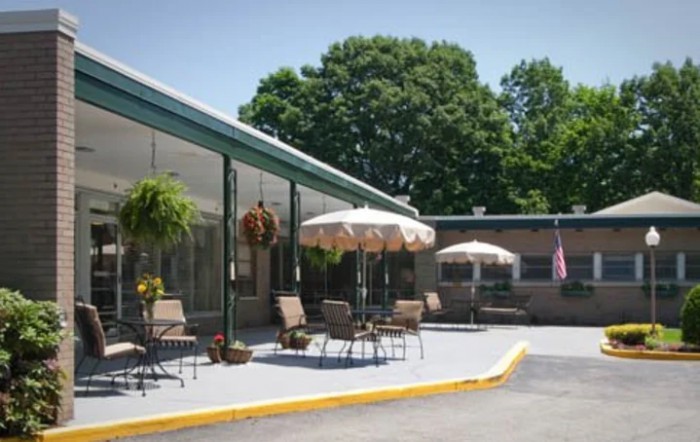
  • Garden GardenGardens are important for seniors as they provide a peaceful and therapeutic environment for relaxation, physical activity, and socialization. Being in nature has been shown to reduce stress, improve mood, and promote overall well-being. Gardens also offer opportunities for seniors to engage in gardening activities, which can improve mobility, flexibility, and cognitive function. Additionally, gardens create a sense of community and connection with others who share a passion for plants and outdoor spaces.
  • Housekeeping services Housekeeping servicesHousekeeping services are important for seniors because they help maintain a clean and safe living environment, promote independence, and reduce the risk of accidents or illnesses. Additionally, having assistance with household chores can alleviate physical strain and allow seniors to focus on other aspects of their well-being.
  • Kitchenette KitchenetteKitchenettes are important for seniors living in senior living communities because they provide the convenience and independence of being able to prepare simple meals and snacks in the comfort of their own living space. This can help promote a sense of autonomy and well-being for seniors, allowing them to maintain some level of control over their dietary choices and daily routines.
  • Move-in coordination Move-in coordinationMove-in coordination is important for seniors because it helps ease the transition into their new living environment. It ensures that all logistics, such as packing, organizing movers, and setting up utilities are taken care of, allowing seniors to focus on settling in and adjusting to their new home. Having a smooth move-in process can alleviate stress and anxiety, making the transition smoother and more enjoyable for seniors.
  • Outdoor space Outdoor spaceOutdoor spaces are important for seniors as they provide opportunities for physical activity, social interaction, exposure to natural light and fresh air, and a sense of connection to nature. Having access to outdoor spaces can improve overall well-being and quality of life for older adults living in senior communities.
  • Restaurant-style dining Restaurant-style diningRestaurant-style dining is important for seniors because it allows them to enjoy delicious, nutritious meals in a social and upscale setting. This enhances their dining experience, promotes healthy eating habits, and fosters socialization with fellow residents, ultimately contributing to their overall well-being and quality of life.
  • Small library Small librarySmall libraries are important for seniors as they provide access to a variety of reading materials, including books, newspapers, and magazines. This can help stimulate their minds, keep them engaged, and provide a sense of community through book clubs and other social activities. Additionally, reading has been shown to improve cognitive function and overall mental well-being in older adults.
  • Telephone TelephoneTelephones are important for seniors as they provide a lifeline for communication with loved ones, emergency services, and healthcare providers. They offer a sense of security and independence, enabling seniors to stay connected and access assistance when needed.
  • Wi-Fi/high-speed internet available Wi-Fi/high-speed internet availableWi-Fi/high-speed internet is important for seniors to stay connected with loved ones, access online resources, and participate in virtual activities to combat feelings of loneliness and isolation. It also allows them to easily manage healthcare needs, access entertainment, and engage in lifelong learning opportunities.

Transportation

  • Pittsburgh International (19 miles away) Pittsburgh International (19 miles away)

Care Services

  • 24-hour call system 24-hour call system24-hour call systems are important for seniors because they provide peace of mind and immediate assistance in case of emergencies. This technology ensures that help is always available, promoting safety and security for elderly individuals living alone or in assisted living facilities.
  • 24-hour supervision 24-hour supervision24-hour supervision is important for seniors to ensure their safety, well-being, and access to immediate assistance in case of emergencies or health issues. This constant support provides peace of mind for both seniors and their loved ones, allowing them to age in place with dignity and security.
  • Activities of daily living assistance Activities of daily living assistanceActivities of daily living assistance are important for seniors because they provide essential support with tasks such as eating, bathing, dressing, and mobility. This assistance helps seniors maintain their independence, dignity, and overall quality of life as they age.
  • Assistance with bathing Assistance with bathingAssistance with bathing is crucial for seniors as it helps maintain personal hygiene, prevents infections, and ensures their overall well-being and comfort. It also provides a sense of dignity and independence for seniors who may struggle with this task on their own.
  • Assistance with dressing Assistance with dressingAssistance with dressing is important for seniors because it helps maintain their independence, promotes personal hygiene, prevents accidents and injuries, and improves overall quality of life. This service ensures that seniors can continue to dress comfortably and confidently, despite any physical limitations they may have.
  • Assistance with transfers Assistance with transfersAssistance with transfers is crucial for seniors as it helps prevent falls and injuries, maintains their independence, and ensures they can safely navigate their living environment. It also provides peace of mind for both seniors and their loved ones.
  • Diabetes diet Diabetes dietA diabetes diet is crucial for seniors as it helps manage blood sugar levels, reduce risks of complications, and improve overall health and well-being. By following a balanced and nutritious diet tailored to their specific needs, seniors can better control their diabetes and enhance their quality of life.
  • Meal preparation and service Meal preparation and serviceMeal preparation and service are crucial for seniors as they may have limited mobility or energy to cook nutritious meals. Having access to healthy and convenient food options can ensure they are getting the proper nutrition needed to maintain their overall health and well-being.
  • Medication management Medication managementMedication management is crucial for seniors to ensure they are taking the right medications at the correct dosages and times. This helps prevent adverse drug interactions, reduces the risk of medication errors, and promotes overall health and well-being. Proactive management also allows for adjustments as needed based on changing health conditions or new prescriptions.
  • Mental wellness program Mental wellness programMental wellness programs are essential for seniors as they promote cognitive stimulation, emotional support, and social engagement. These programs help prevent isolation, depression, and cognitive decline, ultimately enhancing the overall quality of life for older adults.
  • Special dietary restrictions Special dietary restrictionsSpecial dietary restrictions are important for seniors because age-related changes in metabolism and health conditions can make it difficult for their bodies to process certain foods. By following a diet tailored to their specific needs, seniors can maintain their overall health and well-being, manage chronic conditions, and reduce the risk of complications such as malnutrition or food interactions with medications.
Dining

  • Diabetes diet Diabetes dietA diabetes diet is crucial for seniors as it helps manage blood sugar levels, reduce risks of complications, and improve overall health and well-being. By following a balanced and nutritious diet tailored to their specific needs, seniors can better control their diabetes and enhance their quality of life.
  • Special dietary restrictions Special dietary restrictionsSpecial dietary restrictions are important for seniors because age-related changes in metabolism and health conditions can make it difficult for their bodies to process certain foods. By following a diet tailored to their specific needs, seniors can maintain their overall health and well-being, manage chronic conditions, and reduce the risk of complications such as malnutrition or food interactions with medications.

Activities

  • Community-sponsored activities Community-sponsored activitiesCommunity-sponsored activities are important for seniors as they provide opportunities for social interaction, mental stimulation, and physical activity. These activities can help improve overall well-being, combat loneliness and isolation, and promote a sense of belonging and purpose among older adults.
  • Resident-run activities Resident-run activitiesResident-run activities are important for seniors as they encourage social interaction, creativity, and a sense of autonomy. These activities empower seniors to stay engaged and active in their community while fostering meaningful connections with their peers.
  • Scheduled daily activities Scheduled daily activitiesScheduled daily activities are important for seniors because they provide structure, socialization, mental stimulation, and physical activity. Engaging in regular activities can improve overall well-being and quality of life for seniors living in a community setting.

Description

Eldercrest Healthcare And Rehabilitation Center in Munhall, PA is a premier assisted living community that offers a wide range of amenities and care services to ensure the comfort and well-being of its residents. The community is fully furnished and provides cable or satellite TV, Wi-Fi/high-speed internet, and telephone services for residents to stay connected with their loved ones.

The dining room at Eldercrest Healthcare And Rehabilitation Center offers restaurant-style dining, where residents can enjoy delicious meals prepared by professional chefs while adhering to special dietary restrictions if required. Additionally, the community has a small library where residents can indulge in their favorite books.

Care services provided include 24-hour supervision to ensure round-the-clock assistance and safety for residents. Trained staff members are available to assist with activities of daily living such as bathing, dressing, and transfers. Medication management is also offered to ensure proper administration and adherence to prescribed medications.

Eldercrest Healthcare And Rehabilitation Center promotes mental wellness through its dedicated program, offering support and resources for residents' emotional well-being. Special dietary restrictions are accommodated, including diabetes diets, ensuring that each resident's unique needs are met.

Residents can engage in resident-run activities as well as scheduled daily activities that cater to their interests and preferences. Nearby, there are various cafes, parks, pharmacies, physicians' offices, restaurants, transportation options, places of worship, theaters, and hospitals accessible for convenience and ease of access for the residents.

With its comprehensive amenities and care services along with its convenient location near various facilities and amenities in Munhall, PA., Eldercrest Healthcare And Rehabilitation Center provides a comfortable and nurturing environment for seniors seeking assisted living services.

Nearby Places of Interest

Restaurants

  • Duke's Upper Deck Cafe (1.1 miles)
  • Voodoo Brewery (1.1 miles)
  • Burgatory (1.3 miles)
  • Rock Bottom Restaurant & Brewery (1.4 miles)
  • Chick-Fil-A (1.5 miles)
  • The Potato Patch (2 miles)
  • McDonald's (2.2 miles)

Pharmacies

  • Walgreens (1.1 miles)
  • Rite Aid (1.3 miles)
  • CVS Pharmacy (1.9 miles)
  • CVS Pharmacy (2.2 miles)
  • Rite Aid (3.3 miles)
  • Rite Aid (3.4 miles)
  • Rite Aid (3.6 miles)

Theaters

  • AMC Waterfront 22 (1.3 miles)

Cafes

  • Starbucks (1.3 miles)
  • Parkside Cafe (2.1 miles)
  • Big Dog Coffee (4.1 miles)
  • Panera Bread (4.2 miles)
  • Starbucks (4.5 miles)
  • Bakery Square (4.6 miles)
  • Arriviste Coffee Bar (4.7 miles)

Physicians

  • Community Family Practice (2.3 miles)
  • Bellissimo Plastic Surgery & Medi Spa (4.3 miles)
  • Kaufmann Medical Building (4.5 miles)
  • Plastic and Reconstructive Surgery (4.5 miles)
  • Western Psychiatric Institute and Clinic of UPMC (4.7 miles)
  • Aiken Medical Building (4.7 miles)
  • Jefferson Internal Medicine (5.3 miles)

Parks

  • Filmet Park (2.6 miles)
  • Frick Park Blue Slide Playground (2.7 miles)
  • Frick Park (3.1 miles)
  • Schenley Park (3.6 miles)
  • Renziehausen Park (5.5 miles)

Places of Worship

  • First Presbyterian Church of Edgewood (3.1 miles)
  • Kingdom Hall Of Jehovahs Witnesses (4.1 miles)
  • Calvary Episcopal Church (4.6 miles)
  • Saint Patrick Church (5.3 miles)

Hospitals

  • UPMC McKeesport (4 miles)
  • Magee-Women's Hospital of UPMC (4.4 miles)
  • Sleep Laboratory at UPMC Montefiore (4.6 miles)
  • University of Pittsburgh Medical Center (4.6 miles)
  • UPMC Presbyterian (4.6 miles)
  • Hillman Cancer Center (4.9 miles)
  • VA Pittsburgh Healthcare System (4.9 miles)

Transportation

  • U-Haul Moving & Storage of Pleasant Hills (4.7 miles)

Frequently Asked Questions

Where is Eldercrest Healthcare And Rehabilitation Center?
What photos are available for Eldercrest Healthcare And Rehabilitation Center in Munhall, Pennsylvania?

Nearby Communities

  • Mercy Behavioral Health Munhall Manor

    Mercy Behavioral Health Munhall Manor

    Munhall, PA

    5 from 1 review
     

    pro Peaceful, home-like setting with convenient access to healthcare and nearby amenities.

  • Munhall Manor

    Munhall Manor

    Homestead, PA


    pro Comprehensive 24/7 care (ADL assistance, medication management, diabetes-friendly meals, transportation) in a fully furnished setting.

  • Freeman's Quality Home Care

    Freeman's Quality Home Care

    Munhall, PA

    5 from 1 review
     

    pro Excellent access to health services and nearby amenities.

  • Riverside Nursing Center

    Riverside Nursing Center

    McKeesport, PA

    3.3 from 32 reviews
     

    pro Vibrant location with abundant nearby amenities (dining, parks, healthcare, theater, worship).

  • Munhall Retirement Residence

    Munhall Retirement Residence

    Munhall, PA

    5 from 1 review
    $542 to $5,000 / month

    pro Affordable studio and 1-bedroom pricing compared to county/state averages.

  • Homestead Apartments

    Homestead Apartments

    Homestead, PA

    4 from 13 reviews
     

    pro Extensive nearby amenities and healthcare options.

  • Locust Grove

    Locust Grove

    West Mifflin, PA

    4.5 from 101 reviews
    $4,094 to $5,400 / month

    pro Compassionate staff in a welcoming, activity-rich community.

  • Squirrel Hill Wellness And Rehabilitation Center

    Squirrel Hill Wellness And Rehabilitation Center

    Pittsburgh, PA

    2.7 from 107 reviews
     

    pro Attractive facility with some attentive staff (e.g., speech therapy) and a broad range of amenities.

  • Juniper Village at Forest Hills

    Juniper Village at Forest Hills

    Pittsburgh, PA

    4.7 from 103 reviews
    $3,705 to $7,360 / month

    pro Responsive staff and engaging activities in a clean, welcoming setting.

Related Resources

  • caring for elderly parentsNurturing Our Elders: Linda's Journey of Supporting Her Mother

    Linda's caregiving journey for her elderly mother, Joan, is marked by deep love and challenges as she navigates health changes, emotional support, and practical arrangements while learning to prioritize self-care and utilize community resources. Their evolving relationship highlights resilience and the universal themes of empathy and preparedness in caregiver experiences.

  • obtaining power of attorney without consentA Comprehensive Exploration of Common Misunderstandings about Powers of Attorney

    The article clarifies common misconceptions about Powers of Attorney (POA), highlighting the necessity of the principal's consent, the limitations on an agent's authority, and the importance of mental capacity when signing. It also distinguishes between various types of POAs, addresses concerns about potential abuse, and emphasizes the need for legal consultation to ensure valid and up-to-date documents.

  • senior move managementSenior Move Management: Understanding the Role, Value, and Associated Costs
    Senior move management provides specialized support for older adults relocating by assisting with logistics, emotional challenges, and downsizing decisions to ensure a smooth transition to new living environments. These services address the unique needs of seniors and have become increasingly important as baby boomers retire and seek to downsize.