For more information about senior living options: (866) 208-4318
3.7 from 138 reviews
5 stars
66
4 stars
27
3 stars
11
2 stars
7
1 stars
27
Overall Review of Spring Creek Rehabilitation And Nursing Center
common
Staff kindness and responsiveness stand out
Residents and families frequently describe kind, attentive staff who listen and help.
Across many reviews, residents and visitors describe staff as friendly, supportive, and willing to accommodate concerns. Families often mention being heard when they ask questions or raise issues, and they describe staff who are polite at the front desk and on the floors. Some reviews also highlight clear help when care needs come up quickly, including during therapy and day-to-day support.
differentiator
Care includes active medical support
Residents describe hands-on medical and therapy support as part of daily care.
Several reviews describe comprehensive care teams that include nursing and multiple therapy services, with progress and frequent check-ins mentioned. One review also describes coordination with many types of providers and regular specialty visits, including PT and OT. While experiences vary, the recurring theme is that care is delivered with ongoing medical attention rather than only custodial support.
caveat
Cleanliness ranges by room and floor
Cleanliness is inconsistent, with both well-kept rooms and strong odor concerns.
A number of reviews praise the facility as clean and well maintained, including noticing improvements in how rooms are kept. At the same time, other reviews report dirty rooms, unpleasant odors, and laundry or housekeeping lapses, including mentions of soiling and lingering smells. A few reviewers connect these differences to how care is handled by specific staff or areas, rather than as a uniform standard.
caveat
Food is a frequent point of disagreement
Dining quality and meal fulfillment are commonly criticized in reviews.
Some reviews describe meals as acceptable or even praised, while others call the food poor, cold, or unappetizing. There are also comments about meal orders not being correct and dissatisfaction with diabetic meal options. Several reviewers tie these issues to residents not eating well or being hungry, making dining one of the most discussed day-to-day topics.
caveat
Communication can be hard to reach
Multiple reviews describe difficulty getting timely responses and direct contact.
Some families say questions are answered and concerns are addressed promptly, but other reviews report slow or limited response times. There are accounts of trouble contacting staff by phone, limited access to discuss a loved one’s status, and delayed follow-through. A few reviews specifically suggest the need for stronger coordination when discharge, doctors, or ancillary services are involved.
How we summarize
We summarize when many written reviews mention each theme; a review can touch several themes, and only frequently mentioned themes are displayed.
Features
Housing
404 resident community capacity
Types of Care
Skilled Nursing Facility
Amenities
Air-conditioning
Beauty salon
Cable or satellite TV
Computer center
Dining room
Fitness room
Fully furnished
Gaming room
Garden
Housekeeping services
Kitchenette
Move-in coordination
Outdoor space
Private bathrooms
Restaurant-style dining
Small library
Telephone
Wellness center
Wi-Fi/high-speed internet available
Transportation
Harrisburg International (6 miles away)
Community operated transportation
Transportation arrangement
Transportation arrangement (non-medical)
Transportation to doctors appointments
Care Services
12-16 hour nursing
24-hour call system
24-hour supervision
Activities of daily living assistance
Assistance with bathing
Assistance with dressing
Assistance with transfers
Diabetes diet
Meal preparation and service
Medication management
Mental wellness program
Special dietary restrictions
Dining
Diabetes diet
Special dietary restrictions
Activities
Community-sponsored activities
Concierge services
Fitness programs
Planned day trips
Resident-run activities
Scheduled daily activities
Nearby Places of Interest
This part of Harrisburg, Pennsylvania offers a variety of amenities for seniors looking to settle in the area. With several restaurants nearby offering diverse cuisine options, as well as cafes for socializing and enjoying a cup of coffee, residents have plenty of dining choices. There are also places of worship within a short distance for those seeking spiritual fulfillment. In terms of healthcare, there are numerous physicians' offices and pharmacies close by, ensuring easy access to medical services. Hospitals in the area provide quality healthcare, including specialized services like labor and delivery. Additionally, parks and theaters offer opportunities for leisure activities and entertainment. Overall, this neighborhood provides a well-rounded environment for senior living with convenient access to essential services and recreational facilities.
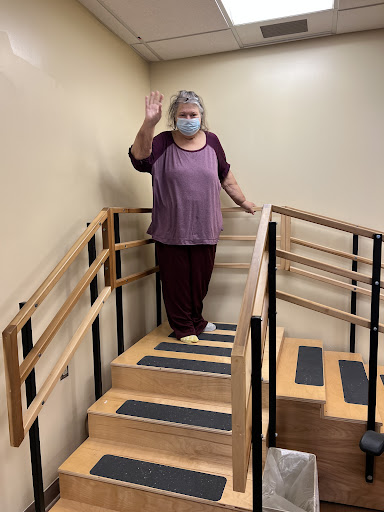
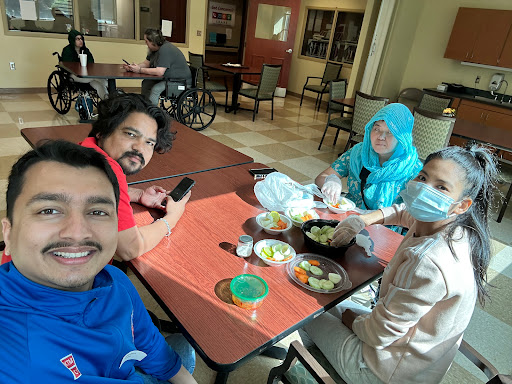
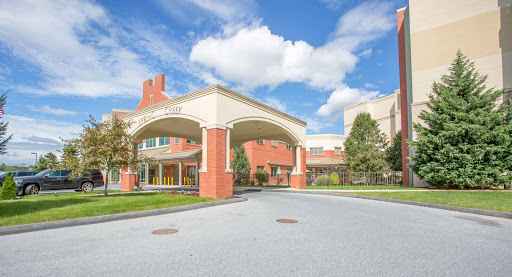
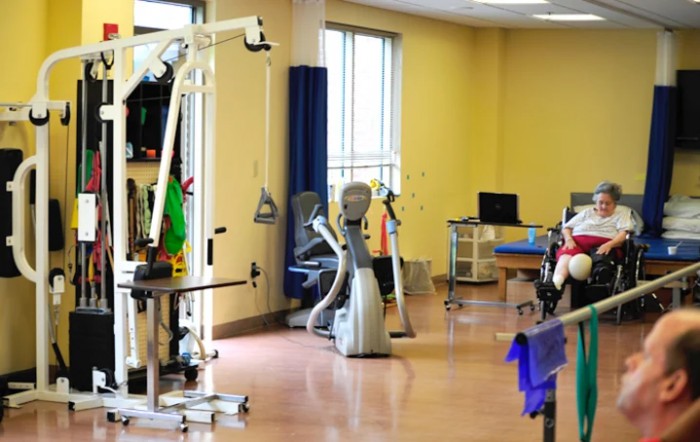
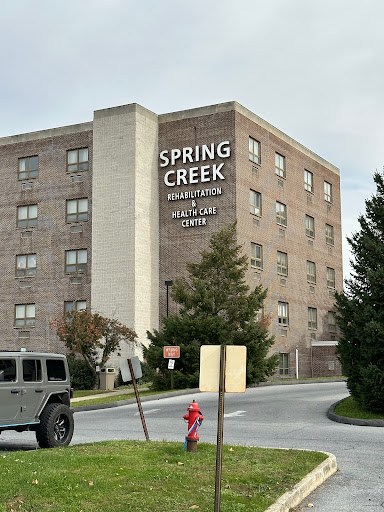
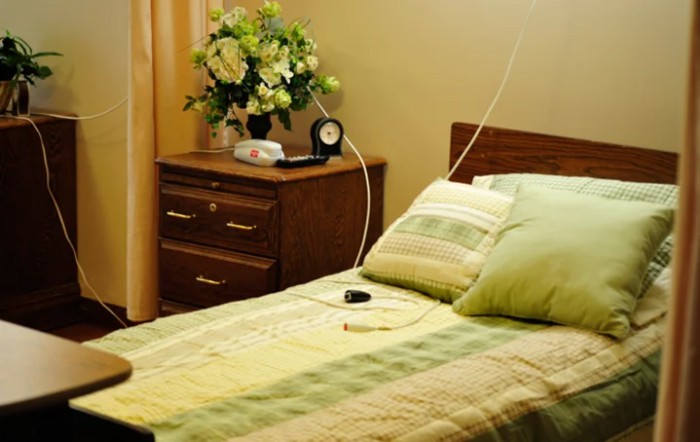
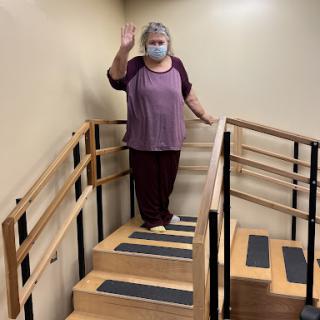
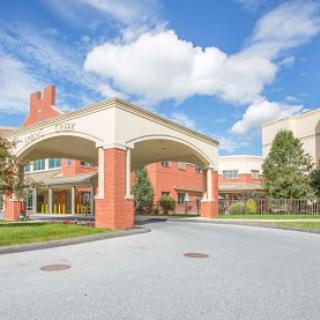
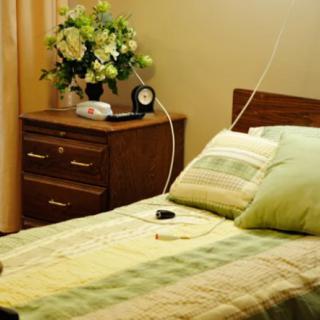
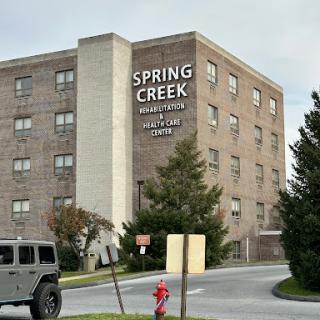
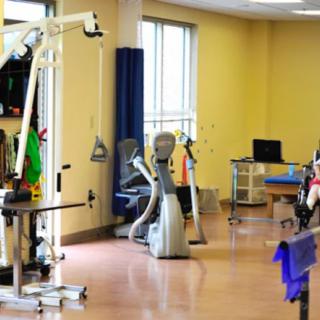
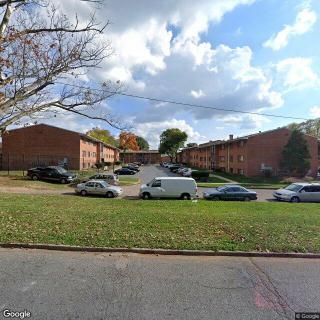
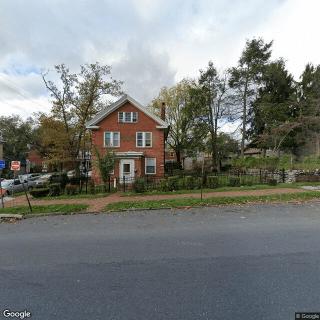
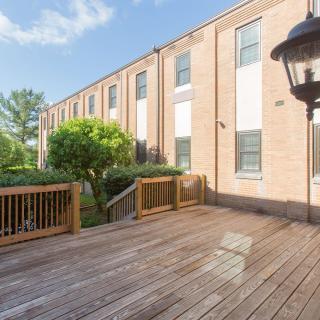
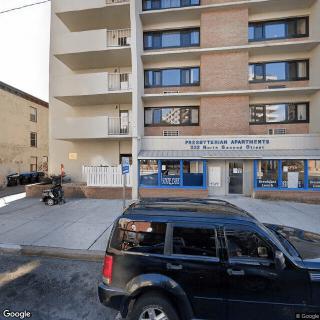
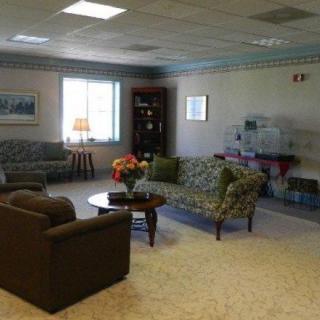
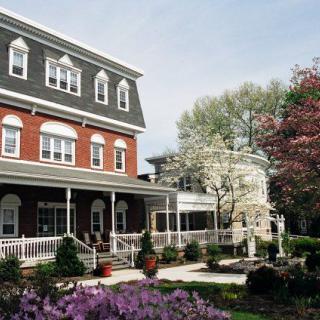
Spring Creek Rehabilitation And Nursing Center on seniors.fyi includes 7 photos including images showing dining, building, bedroom, architecture, exterior, entrance, clouds, landscaping, and more.
Nearby Communities
Paxton Street Home Inc
Harrisburg, PA
4.6 from 49 reviews
Specialized diabetic care
Paxton Ministries
Harrisburg, PA
4.7 from 48 reviews
Extensive on-site amenities and services (dining, beauty salon, transportation, fitness, activities) with 24-hour supervision and comprehensive care (ADLs, diabetes management, medication administration).
Hall Manor
Harrisburg, PA
3.3 from 102 reviews
Excellent access to nearby amenities and healthcare.
Prominence Home Health Care Agency
Harrisburg, PA
4 from 4 reviews
Convenient access to amenities, healthcare, dining, worship, and entertainment.
Edison Village
Harrisburg, PA
1.2 from 5 reviews
$3,413 to $4,436 / month
Diabetes-focused care in a warm, active community.
Butler Street Senior Living
Harrisburg, PA
4.4 from 29 reviews
$3,195 to $5,200 / month
Friendly staff with engaging activities; recently remodeled and reasonably priced; on-site medical support and a strong community near hospitals.
Presbyterian Apartments Inc
Harrisburg, PA
5 from 1 review
Diabetes care with on-site activities and strong nearby amenities (pharmacies, physicians, hospitals).
Viva Senior Living At Harrisburg
Harrisburg, PA
4.4 from 82 reviews
$2,604 to $3,190 / month
Friendly, attentive staff with spacious private rooms and engaging activities.
Homeland Center
Harrisburg, PA
3 from 18 reviews
Positive experiences in other sections; some areas described as lovely.
Dogs can greatly improve the lives of older adults by offering emotional support and encouraging physical activity, with factors such as size, temperament, and grooming needs being crucial in selecting a suitable breed. Senior dogs often make ideal companions for this demographic, promoting social connections and requiring care routines that align with seniors' capabilities.
The guide on blood pressure charts for older adults stresses the importance of understanding normal and high blood pressure readings influenced by age, genetics, and lifestyle, while emphasizing regular monitoring and lifestyle modifications to prevent serious health issues. It provides insights into blood pressure categories, dietary recommendations, medication considerations, and the role of caregivers in supporting healthy habits.
The article explores the complexities of using Social Security to finance long-term nursing home care in the U.S., detailing eligibility requirements and misconceptions, while emphasizing that these benefits often do not cover full costs and highlighting the need for strategic financial planning and professional guidance.
Spring Creek Rehabilitation And Nursing Center photos
×
Interior
Building
Architecture
Bedroom
Dining
Exterior
Healthcare
Interior and Stairs
Bedroom
Dining
Landscaping, Outdoor, Entrance, and Clouds
Building
Architecture
Trees
Exterior
Healthcare, Rehabilitation, and Physical Therapy
Urban
Get PricingAsk A QuestionSchedule A TourContact Senior Advisor
By clicking submit, you agree to our Partner's Terms of Use. You
also consent to receive calls and texts, which may be autodialed, from our Partner. Your consent is not a condition to
using our Partner's service. Please visit our Partner's Privacy Policy for information about their privacy practices.




 404 resident community capacity
 Skilled Nursing Facility
 Air-conditioning
 Beauty salon
 Cable or satellite TV
 Computer center
 Dining room
 Fitness room
 Fully furnished
 Gaming room
 Garden
 Housekeeping services
 Kitchenette
 Move-in coordination
 Outdoor space
 Private bathrooms
 Restaurant-style dining
 Small library
 Telephone
 Wellness center
 Wi-Fi/high-speed internet available
 Harrisburg International (6 miles away)
 Community operated transportation
 12-16 hour nursing
 24-hour call system
 Activities of daily living assistance
 Assistance with bathing
 Assistance with dressing
 Assistance with transfers
 Diabetes diet
 Medication management
 Mental wellness program
 Special dietary restrictions
 Concierge services
 Planned day trips
 Specialized diabetic care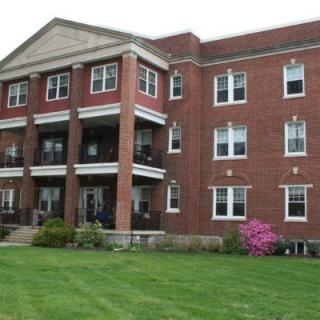

 Top Canine Companions for Older Adults
 Comprehensive Guide to Blood Pressure Charts for Older Adults: Understanding Normal and High Readings by Age
 Financing Long-Term Nursing Home Care Through Social Security: A Thorough Exploration