
1521 West 54th Street, Erie, PA 16509
To contact a resident: (814) 864-0671
For more information about senior living options: (866) 208-4318
Golden LivingCenter - Western Reserve Costs & Pricing
At Golden LivingCenter - Western Reserve, the monthly costs for care reflect a commitment to quality services in an environment that prioritizes residents' needs. The facility charges $6,090 for a semi-private room, which is notably higher than the average cost of $4,766 in Erie County and $3,542 throughout Pennsylvania. For those seeking more privacy, the private rooms come at a price of $6,930 - again above both county and state averages of $6,301 and $4,890 respectively. These figures suggest that while Golden LivingCenter offers competitive amenities and personalized care that may justify the higher costs, families should carefully consider their budgetary constraints when evaluating options in the region.
| Floor plans | Golden LivingCenter - Western Reserve | Erie County | Pennsylvania |
|---|---|---|---|
| Semi-Private | $6,090 | $4,766 | $3,542 |
| Private | $6,930 | $6,301 | $4,890 |
Skilled Nursing Facilities with a similar price nearby
-
from +$410 / mo
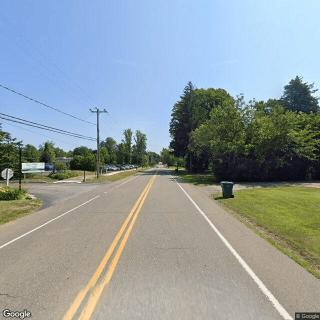
Conrad House At Brevillier Vlg
$6,500 / month8.3 miles away -
About the same

Cambridge Springs Rehabilitation and Nursing
$5,934 to $6,564 / month19.1 miles away -
from +$723 / mo
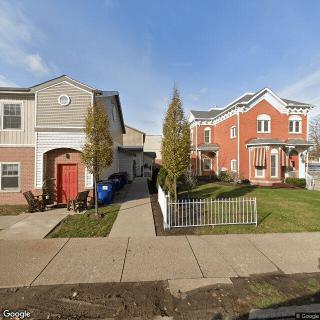
Golden LivingCenter - Erie
$6,813 to $7,317 / month2.4 miles away
Overall Review of Golden LivingCenter - Western Reserve
Pros
 The facility is very clean and updated.
- The staff are attentive and efficient.
- Residents receive great care.
- The building is brand new and beautiful.
- The staff are very good.
- The food is very good.
- The environment feels like a hotel and is welcoming.
- There are common areas for visiting with family and other residents.
Cons
 The reviewer described the stay as the worst experience of their life.
- They lost 18 pounds in 20 days due to awful food and very small portions.
- The meals were so inadequate that they suggested caloric guidelines were being followed or even reduced.
- They had only two showers in 20 days and saw the doctor twice, indicating very limited medical attention.
- They felt they would have received better care at home and would not want to return to such a place.
- The roommate refused to open curtains and staff would ignore the bell, creating a disruptive and isolating environment.
- Overall, the 20 days were described as a nightmare the reviewer hopes to never repeat.
Review
Golden LivingCenter - Western Reserve is best suited for families seeking a polished, modern setting where rehab needs can be met without sacrificing a hospitable, hotel-like atmosphere. The campus cleanly separates rehab on one side and assisted living on the other, which makes it practical for short-term post-acute stays and for longer-term living when comfort and ambiance matter as much as care. It rewards families who value visible cleanliness, attentive service, and a welcoming environment that feels upscale rather than clinical. For households where cost is a secondary factor and the priority is a refined experience paired with solid support, this community is a strong contender.
The strongest positives are hard to ignore. The facility reads as very clean and updated, with a fresh, well-maintained feel that conveys professionalism. The staff are described as attentive and efficient, and the care delivered in many reviews suggests residents are being looked after thoughtfully. The dual-wing design, rehab separate from assisted living, offers practical advantages, reducing confusion about routines and enabling more targeted therapy and activity schedules. Dining and common areas are presented as inviting, with real attention paid to hospitality, which helps families feel confident about a loved one’s daily quality of life. In short, for families prioritizing a bright, well-run environment and dependable service, the positives align well with their expectations.
Yet the picture is not without a blemish that cannot be ignored. One firsthand account casts a long shadow over the overall impression: a 20-day stay during which serious medical concerns and a troubling pattern of care gaps occurred. The report describes significant weight loss tied to poor meal quality and portion sizes, limited access to fresh fruit, only a couple of showers, and very limited physician contact. The emotional impact of feeling unseen, doors closed, bells ignored, and a neighbor’s curtains never drawn, paints a stark contrast to the otherwise positive narratives. This single experience raises legitimate questions about consistency of care, especially for residents with medical complexity or who rely on timely medical oversight.
Those mixed signals matter because the platform of strengths is real and valuable, but the potential downsides are decisive in planning. The upbeat elements, new construction, clean surroundings, friendly staff, and a robust rehab pathway, offer genuine leverage for recovery and comfort. They can offset common concerns about logistics, privacy, and social engagement, particularly for families who prize a hotel-like backdrop and reliable therapy services. However, the negative episode underscores that environment and service shine only when medical responsiveness, nutrition, and daily caregiving routines meet a minimum standard across all shifts and days. In other words, the pros set a high baseline, but the cons reveal a real risk if care culture and oversight falter.
Families who must protect against variability in clinical oversight should consider alternatives. Those who are highly cost-sensitive, or who require guaranteed, frequent physician follow-up, may find stronger reassurance elsewhere. Prospective residents who crave consistent doctor access, thorough daily hygiene routines, and nutritionally robust, varied meals may want to compare menus, speak with current residents, and request detailed staffing patterns and turnover data. A practical approach is to request a candid tour focused on therapy scheduling, nurse-to-resident ratios during rehab, and the process for addressing alarms and patient requests. If a facility demonstrates steady physician visibility, attentive day-to-day care, and dependable nutrition, it will stand out as the right match; if not, exploration beyond Golden LivingCenter - Western Reserve is prudent.
In the end, Golden LivingCenter - Western Reserve presents a compelling option for families prioritizing a modern, aesthetically pleasing setting with solid rehabilitative services and a hospitable atmosphere. The key is disciplined due diligence: verify current staffing levels, request to observe mealtime service, review menus, and probe licensing records and resident feedback beyond the most vocal accounts. When care consistency is confirmed, the combination of elegance, efficiency, and effective rehab can deliver real value for both short-term recovery goals and longer-term comfort. If red flags reappear during visits, delayed medical responses, insufficient nutrition, or inadequate daily care, the prudent step is to pivot to alternatives with demonstrated, unwavering clinical oversight.
 Skilled Nursing Facility
 Activities on-site
 Beautician on-site
 Devotional services on-site
 Indoor common areas
 Outdoor common areas
 Private
 Respite or short term stays offered
 Wheelchair accessible showers
 Erie International (4 miles away)
 High acuity care
 Incontinence care
 Meals provided


 Skilled Nursing Facilities vs. Nursing Homes: Making Sense of the Differences
 A Detailed Examination of Nursing Home Costs Across the U.S.
 Exploring Nonmedical Home Care: Understanding Services, Costs, and Financial Approaches