
5416 E Lake Rd, Erie, PA 16511
To contact a resident: (814) 899-8600
For more information about senior living options: (866) 208-4318
Overall Review of Brevillier Village Retirement
Pros
 The facility provides excellent care by attentive and loving staff.
- The staff are compassionate and caring.
- Families feel their loved ones are in loving hands at the facility.
- It is a wonderful place to live and to work.
- The staff treat residents with dignity and respect.
- The facility is well maintained with good staff.
- Residents receive excellent care and the care is consistently high.
- The facility offers excellent care to residents and provides an exceptional work experience for employees.
Cons
 They are extremely understaffed and experience wait times of up to two hours.
- The aides neglected their mother when she needed help and gave her a medication she should never have received.
- The staff are unprofessional and did not care much for residents' concerns.
- They found the facility to be below standards in cleanliness.
- Their neglect and medication errors contributed to their mother’s passing.
- They would not recommend Brevillier Village to loved ones and would give a zero rating if possible.
- There have been several complaints to the state regarding this facility.
Review
Brevillier Village Retirement is best suited for families that prize a long-standing, home-like environment where staff know residents by name and care feels deeply personal. It fits seniors who value continuity, stable leadership, and a community with deep local roots. Those who prefer reliable daily routines, meaningful social ties, and a sense of belonging will find this campus compelling. If immediacy of help and unwavering, proactive oversight are non-negotiable, alternatives deserve careful comparison. The setting works best for families seeking comfort and continuity over flash, with the expectation that care will feel familial and consistent over time.
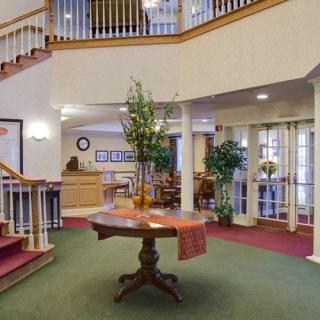
Positive attributes are repeatedly cited: compassionate, attentive staff across care, dining, and housekeeping; a facility that feels well maintained and welcoming; good meals; and a strong sense of community where families are made to feel at home. Many families report excellent care for their loved ones over years, suggesting real consistency in daily routines and relationships. The campus supports both independent living and escalating care needs within the same environment, reducing stressful transitions. For those who value a nurturing culture and steady, long-term engagement, these strengths provide meaningful daily value.
However, serious concerns recur in a portion of reviews. Understaffing, long wait times for help, and questions about accountability appear as recurring themes. Instances of medication errors and cleanliness complaints raise safety flags, and some accounts reference reliance on agency staff, which can erode consistency. There are mentions of state complaints, underscoring that the risk is not nonexistent. While not universal, these reports create a legitimate caution for families who depend on prompt, precise, around-the-clock care.
Those strengths can offset risk only to a point. The warmth and familiarity from caregiving staff can deliver emotional security and daily reassurance, especially during challenging health moments. A well-kept environment and solid dining contribute to quality of life and satisfaction. Yet ongoing staffing gaps and concerns about medication safety disrupt reliability for higher-need residents. Rehabilitation experiences appear mixed, with outcomes tied to the on-duty team, making it essential to verify rehab strengths on the specific unit and shift. In short, the culture and care can be meaningful, but consistency remains the critical variable.
Given those dynamics, alternatives should be considered for families prioritizing unwavering staffing and transparent accountability. Facilities with higher caregiver-to-resident ratios, stronger oversight, and proven rehab performance may better serve higher-need seniors. Prospective residents should review state inspection histories, recent corrective actions, and feedback from similar care scenarios. If independence is starting to show strain, a plan to transition to a campus with deeper clinical resources should be clarified upfront. The right choice balances warmth and continuity with dependable, timely care when it matters most.
During visits, seek concrete indicators of reliability: staffing on each shift, average response times, and the medication administration process. Ask about any reported incidents, how they were resolved, and what safeguards were added. Inspect cleanliness, room turnover, and how maintenance requests are handled. Probe family communication practices, including daily updates and access to care plans. Request conversations with current residents or their families about rehab outcomes and daily routines, and review the latest state inspection findings. With clear answers and a transparent culture, the decision becomes straightforward for those who need consistent, compassionate care and a trustworthy environment.
 Independent Living
 Skilled Nursing Facility
 Erie International (11 miles away)
 High acuity care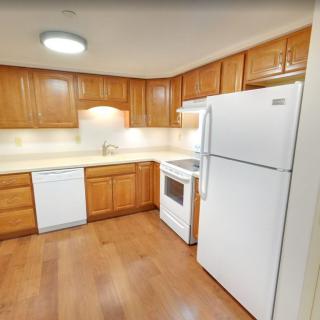


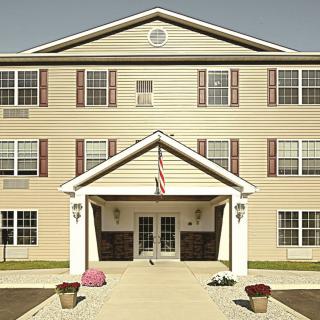

 Comprehensive Guide to Blood Pressure Charts for Older Adults: Understanding Normal and High Readings by Age
 Financing Long-Term Nursing Home Care Through Social Security: A Thorough Exploration
 Essential Knowledge on Pneumonia in Older Adults