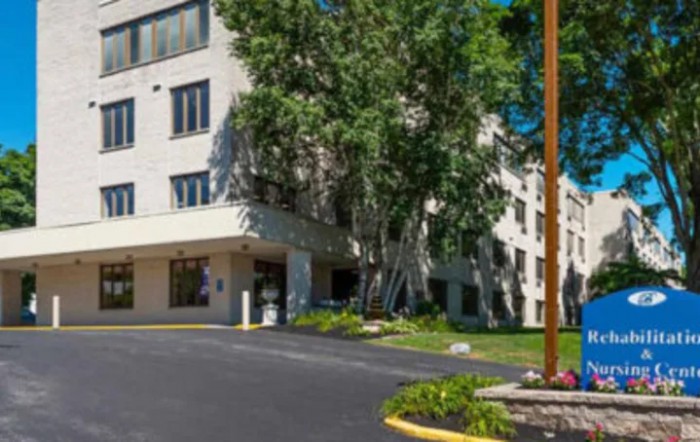


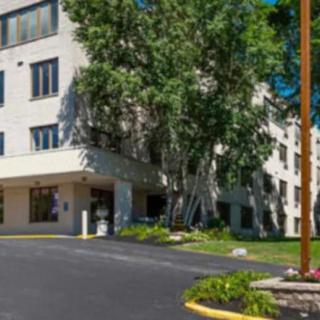
50 North Malin Road, Broomall, PA 19008
For more information about senior living options: (866) 208-4318
Overall Review of Broomall Rehabilitation And Nursing Center
Pros
 The staff interactions are top notch and consistently positive with residents and their families.
- The staff go out of their way to assist residents' needs.
- The facility and rooms are cleaned daily, and meals are healthy and served on time.
- Hygiene needs are attended to daily.
- Tabitha Walton is attentive and goes above and beyond without being asked.
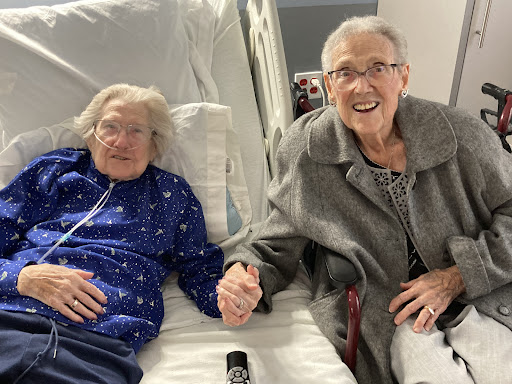
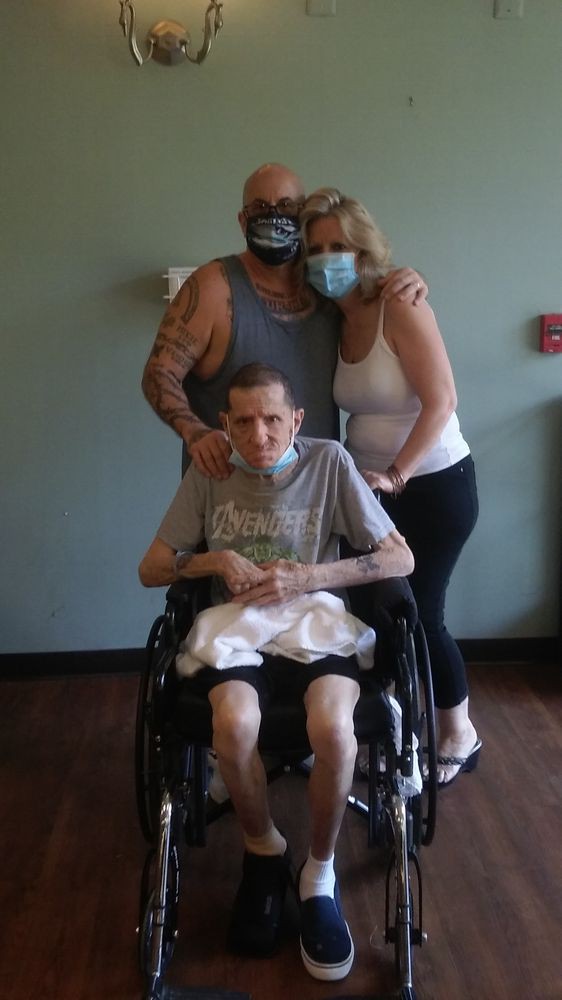
- The loving care provided gives families peace of mind.
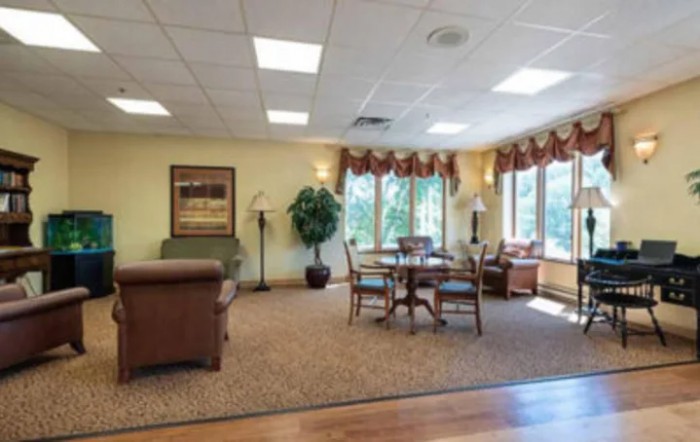
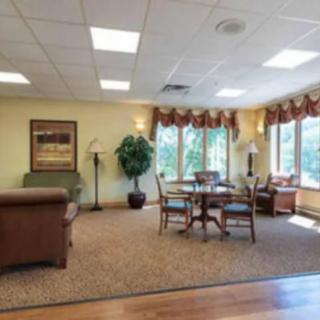
- The facility is clean, well-maintained, and offers engaging activities and a pleasant dining environment.
Cons
 The sister receives only one shower per week when staff are busy, though she should be receiving two.
- She fell from a wheelchair.
- She has UTIs from being wet because there is no pull‑up of her size available.
- Hair trimming has been on the list for two months and still not done.
- She hasn’t seen a doctor since becoming a resident.
- Food is always cold and tasteless.
- The smoke alarm is laying on a table with no batteries.
- Medication was not given on time or at all.
- Nurses were texting on their phones and did not respond to patient calls or assist with bathroom needs for a long period.
- The facility is poorly managed with a very high COVID‑19 infection rate and death rate.
- A resident laid in bed for three days with a fracture because no X‑ray was performed promptly.
- Flowers sent to a patient were left dead on the windowsill for what appeared to be a week.
Review
Broomall Rehabilitation and Nursing Center is best suited for families seeking a care setting where warmth, personal attention, and meaningful daily interaction with staff are genuine strengths. The community appears to shine for residents who need post-acute rehabilitation, stroke recovery, or ongoing support in an environment that emphasizes relational care. Families that want hands-on engagement from aides, nurses, and therapy teams, along with regular updates and visible care during visits, will find the culture here reassuring. The facility also suits those who value a comfortable, home-like atmosphere, clean rooms, and an active schedule that includes music, outside time, and organized activities. In short, this is a practical match for residents who measure care by the daily presence and compassion of the caregiving team.
On the upside, numerous reviews highlight staff who interact positively with residents and families, with aides and nurses described as attentive and dependable. The everyday routines, clean rooms, timely meals, and consistent hygiene support, are cited as reliable, not merely performative. Families repeatedly note that caregivers go beyond the minimum to address needs, and that the care team builds trust through steady, hopeful communication. Therapists and activity staff contribute to meaningful progress and social engagement, while the overall atmosphere often feels welcoming and respectful. For families navigating the transition after a hospitalization or stroke, these relational strengths can translate into tangible peace of mind and a smoother return to home life when possible.
Yet, a pattern of significant concerns emerges in several reviews that cannot be ignored. Some residents experience delays or omissions in basic care, including infrequent showers, delayed doctor visits, and medications not administered as scheduled. Communication gaps surface in multiple accounts, with families frustrated by slow or incomplete updates and responses to patient needs. Resource limitations are also flagged, shortages of certain supplies, delays in routine tasks like foot care or hair trimming, and equipment issues such as alarms or alarms-related safety items. A number of reviewers report concerns about safety and oversight, including outbreaks or lapses that leave families worried about the overall risk environment.
These contrasting experiences create a nuanced balance: the strongest positives, authentic, compassionate bedside care, and a lively, resident-centered atmosphere, offer real value for families prioritizing human connection and daily attentiveness. The benefits in rehabilitation momentum, activity engagement, and end-of-life warmth can offset many smaller irritants, especially when a care team communicates openly about goals and progress. However, the gravity of the cons in several accounts, missed meds, delayed medical assessments, and gaps in daily operations, can overwhelm the positives for residents who require tight clinical control, consistent physician oversight, and prompt, reliable responsiveness to urgent needs. The decision hinges on which of these factors matters most for a given resident’s health trajectory and family expectations.
From a practical standpoint, prospective families should approach a visit with precise questions and watchful observation. Inquire about staff ratios on each shift, the process for med administration, and the cadence of physician rounds. Request to see current care plans for rehab patients and to observe how staff respond to a call bell during peak hours. Assess meal quality and service, sanitary conditions throughout private and shared spaces, and the availability of supplies like incontinence products and basic toiletries. Explore dementia or memory-care accommodations if relevant, and ask about falls prevention, pain management, and rapid response protocols. The best use of a tour is to hear how staff communicate with families and how readily they document and follow up on concerns.
Ultimately, this community offers a compelling value for families who prize personal warmth and consistent caregiver engagement, especially in rehabilitation or long-term settings where daily interaction matters. The clear caveat is that workable medical oversight and reliable daily operations must be verified and sustained, because lapses documented by several reviewers can erode confidence quickly. For those who can tolerate occasional operational frictions in exchange for an empathetic, resident-centered environment, Broomall Rehabilitation and Nursing Center remains a viable, even commendable, option. For families with stringent expectations around medical responsiveness, safety, and uninterrupted clinical oversight, exploring other facilities may be prudent to avoid potential gaps in essential care.
 298 resident community capacity
 Skilled Nursing Facility
 Air-conditioning
 Beauty salon
 Cable or satellite TV
 Computer center
 Dining room
 Fitness room
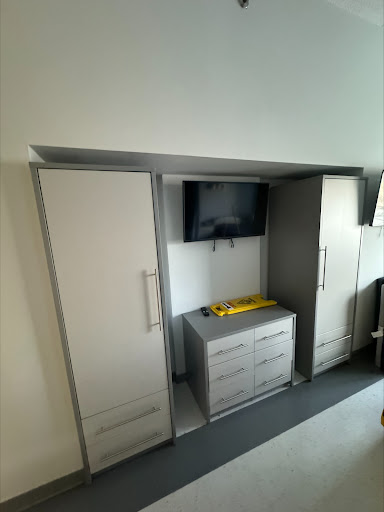
 Fully furnished
 Gaming room
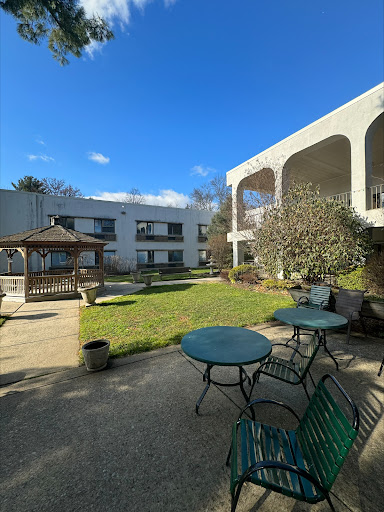
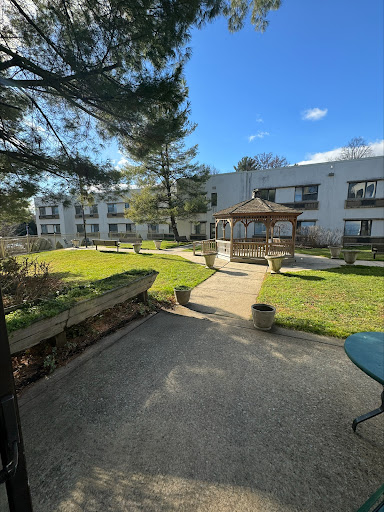
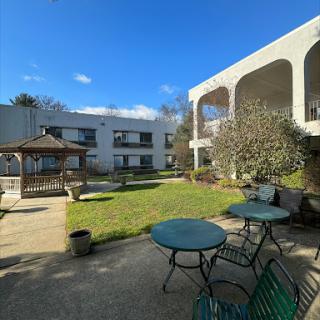
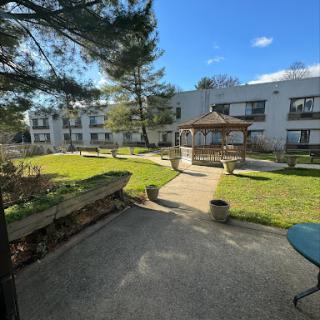
 Garden
 Housekeeping services
 Kitchenette
 Move-in coordination
 Outdoor space
 Private bathrooms
 Restaurant-style dining
 Small library
 Telephone
 Wellness center
 Wi-Fi/high-speed internet available
 Philadelphia International (10 miles away)
 Community operated transportation
 12-16 hour nursing
 24-hour call system
 Activities of daily living assistance
 Assistance with bathing
 Assistance with dressing
 Assistance with transfers
 Diabetes diet
 Medication management
 Mental wellness program
 Special dietary restrictions
 Concierge services
 Planned day trips



 Fecal Incontinence in Older Adults: A Comprehensive Guide
 Recognizing the Journey: Understanding and Navigating Anticipatory Grief
 Encouraging Participation in Adult Day Care: A Guide to Supporting a Hesitant Parent