
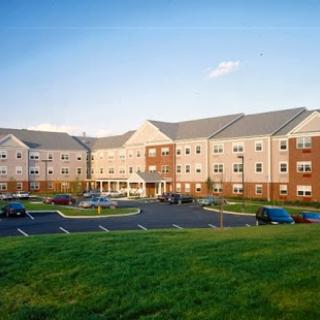
2855 Schoenersville Road, Bethlehem, PA 18017
For more information about senior living options: (866) 208-4318
Overall Review of Good Shepherd Home-Bethlehem
Cons
 They treat him like a child here, despite him being in his mid-30s.
- They don't let him have sharp things.
- There is a web filter for kids that applies to everyone, which is very disappointing.
Review
Good Shepherd Home-Bethlehem is best suited for residents who tolerate strict supervision and a highly structured day. The reviews imply an environment built around clear boundaries, with staff actively directing activities and enforcing rules. For adults who desire autonomy and age-appropriate treatment, this setting is likely to feel constraining. It may fit families prioritizing safety and oversight over independence, especially when a resident’s needs require routine, constant monitoring, or a guardian-style approach. In short, the community seems designed for a safety-first model rather than for residents who want to manage their own schedule, decorate their space as they wish, or exercise personal choice.
Those who should consider alternatives are individuals who prize privacy, dignity, and adult-to-adult interactions. The core critique in the available reviews centers on infantilization, being treated like a child even by someone in their 30s, and on policies that curtail independent living. Anyone seeking an environment where residents are trusted to make reasonable choices should look elsewhere. Families planning a long-term arrangement should weigh whether a culture of overt supervision aligns with the resident’s personality, goals, and sense of autonomy. If empowerment and purposeful engagement are priorities, alternatives with person-centered care will be more appropriate.
On paper, the reviews offer almost no documented advantages to balance the downsides. There is mention of a single five-star rating, but no specifics about what that resident valued. Without concrete positives to point to, the negative signals predominate. The primary benefits one would expect from a structured setting, predictable routines, safety assurances, and around-the-clock oversight, are exactly the factors criticized when they feel excessive or demeaning. Consequently, the limited positive signal does little to offset the impact of being treated as a child and living under strict restrictions that feel out of step with adult life. This dynamic tends to erode satisfaction quickly for adults seeking respect and autonomy.
Among the clearest cons are the pervasive infantilization and the restrictive policies. Residents report being prevented from having sharp objects or engaging freely in activities that could be construed as hazardous, which sends a message that personal judgment cannot be trusted. A web filter described as a tool for kids further reinforces the sense that adult residents are treated like minors, eroding dignity and privacy. The combination of these controls with a resident population that includes non-geriatric adults magnifies the mismatch between expectations and reality. Such an environment can be emotionally exhausting, leading to frustration, resentment, and a sense that daily life is more about enforcement than empowerment.
Families evaluating options should use a sharp, policy-focused checklist. Seek explicit statements about resident rights, autonomy, choice, and the process for appealing restrictive decisions. Ask current residents or staff about daily routines, meaningful activities, and opportunities for independent decision-making. Compare with other Bethlehem-area communities that emphasize person-centered care, resident dignity, and tailored support rather than universal restrictions. If a trial period or facility tour is available, observe how staff interact with adults who push boundaries and how quickly independence is restored when safe. In short, push for clarity on how independence is balanced with safety, and prefer places where adults are treated with respect.
Overall, Good Shepherd Home-Bethlehem emerges as a cautionary fit for independence-minded families. The most compelling takeaway is that the community’s structure may be compatible with a safety-first priority, but at the cost of autonomy and adult respect. For residents who value control, routine, and visible oversight, the setting can function as a protective environment. For anyone who wants an adult-centric atmosphere, where decisions, privacy, and dignity are honored, alternatives will deliver more alignment. The prudent path is to visit multiple options, insist on candid conversations about rights and autonomy, and select a community whose culture matches the resident’s expectations for treatment and independence.
 60 resident community capacity
 Skilled Nursing Facility
 Air-conditioning
 Beauty salon
 Cable or satellite TV
 Computer center
 Dining room
 Fitness room
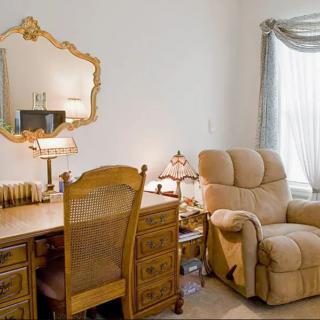
 Fully furnished
 Gaming room
 Garden
 Housekeeping services
 Kitchenette
 Move-in coordination
 Outdoor space
 Private bathrooms
 Restaurant-style dining
 Small library
 Telephone
 Wellness center
 Wi-Fi/high-speed internet available
 Lehigh Valley International (2 miles away)
 Community operated transportation
 12-16 hour nursing
 24-hour call system
 Activities of daily living assistance
 Assistance with bathing
 Assistance with dressing
 Assistance with transfers
 Diabetes diet
 Medication management
 Mental wellness program
 Special dietary restrictions
 Concierge services
 Planned day trips
 Friendly, attentive staff in a clean, home-like environment with engaging activities.




 Understanding Hospice Care at Home: Comprehensive Services, Key Benefits, and Eligibility
 Understanding the Full Cost of 24/7 In-Home Care: A Detailed Overview
 Exploring the World of Home Health Nurses: Qualifications, Roles, and Hiring Tips