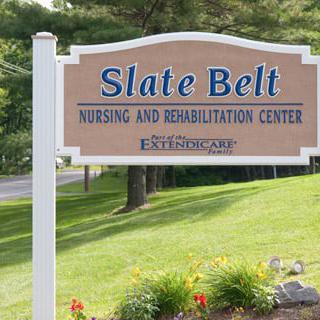
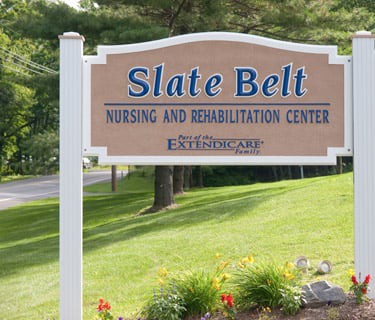
Slate Belt Nursing Home in Bangor, PA
Save701 Slate Belt Blvd, Bangor, PA 18013
For more information about senior living options: (844) 490-3973
Slate Belt Nursing Home in Bangor, PA is best suited for families seeking a facility with genuinely compassionate front-line care and a credible rehab track for a short-term or transitional stay, provided there is tolerance for an aging building and uneven staffing. Across many accounts, when staff engage with residents in a warm, attentive manner, the care feels personal and reliable. Therapists are praised for progress-oriented work, and several reviewers note rooms and common areas can appear clean and welcoming. For families who prioritize everyday kindness and a tangible rehab focus, this community can deliver meaningful results, especially where the right nurse aides and therapists are present and consistently engaged.
Nevertheless, clear caveats push families toward alternatives. The most persistent concerns center on staffing shortages and inconsistent coverage, which translate into delayed assistance, long bell times, and uneven attention from shift to shift. Rude or overwhelmed staff, limited responsiveness to phone calls, and fragmented communication about care plans recur in multiple reviews. There are more alarming allegations about heavy sedation without explicit consent and miscommunication surrounding therapy, as well as impressions that management may place cost considerations ahead of resident well?being. The aging infrastructure - odor issues, dated furnishings, and elevators repeatedly reported as problematic - adds practical friction to daily living and care delivery.
Where the favorable experiences appear, they can meaningfully offset the downsides for certain residents. When CNAs are steady, respectful, and proactive, families report higher trust and smoother routines. Open-minded therapists who tailor strength or mobility programs to individual goals can noticeably accelerate recovery, particularly for rehab stays. In those cases, the combination of a supportive care staff and a structured therapy plan creates tangible momentum, even if other shifts carry higher stress or less warmth. The tension between moments of exemplary care and episodes of inconsistency remains central; yet with the right unit and day-to-day staffing, improvement is possible.
The cons, however, are persistent enough to be a deciding factor for many. Short-staffing translates into residents waiting for help and families feeling uncertain about daily care plans. Reports of rude interactions, communication gaps, and inconsistent medication management seed distrust and complicate decision-making during a stressful period. Some reviews describe management or ownership shifts that appear to deprioritize resident experience, amplifying fears about persistently stretched resources. The building itself compounds frustrations: smells in hallways, aging fixtures, and malfunctioning elevators create daily friction and can undermine even well-intentioned care. These patterns tend to erode confidence unless a robust, transparent response is demonstrated.
For families weighing Slate Belt, a disciplined, information-rich evaluation is essential. Plan multiple on-site tours and conversations with frontline staff, supervisors, and therapy teams to gauge consistency and accessibility. Seek concrete data on staffing ratios, real-time communication protocols, and a clearly outlined rehabilitation plan with measurable milestones. Scrutinize medication management workflows, sedation policies, and escalation procedures for concerns. Request an independent review of dietary quality and environmental cleanliness, and personally inspect rooms, corridors, and common areas for odor and upkeep. If ongoing maintenance and facility upgrades are anticipated, demand a transparent schedule and budget framework for keeping the property from deteriorating further.
In practical terms, Slate Belt functions best for families willing to tolerate trade-offs in exchange for genuine, compassionate care and a credible rehab pathway. For those whose nonnegotiables include immaculate facilities, uninterrupted staffing, and flawless communication, alternatives are likely safer. The strongest guidance is to verify current staffing stability, set precise care expectations, and insist on transparent, timely updates around medical decisions and therapy plans. When those assurances are in place and the right care team is consistently present, Slate Belt can support meaningful recovery and steady daily life; if not, the risk-to-benefit balance clearly tips toward other options.
Slate Belt Nursing Home is an assisted living community located in the peaceful town of Bangor, PA. Surrounded by beautiful parks, residents can enjoy the serene atmosphere and take leisurely walks in nature. Additionally, the community is conveniently situated close to four pharmacies, ensuring that residents have easy access to their medications and healthcare needs.
The well-being and health of residents are a top priority at Slate Belt Nursing Home. With two nearby physicians, residents have access to quality medical care whenever necessary. This proximity provides peace of mind to both residents and their families.
For those who appreciate dining out or simply want a change of scenery from their home-cooked meals, Slate Belt Nursing Home offers convenience with its two nearby restaurants. Residents can enjoy delicious cuisine and socialize with friends or family members in a comfortable setting.
Overall, Slate Belt Nursing Home offers a desirable location for seniors seeking assisted living options in Bangor, PA. With its close proximity to parks, pharmacies, physicians, and restaurants, it provides a convenient and enriching lifestyle for its residents.
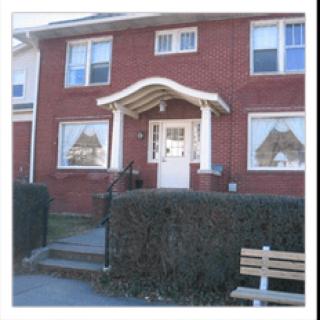
Slate Belt Nursing Home is located at 701 Slate Belt Blvd, Bangor, PA 18013 in Northampton County, Pennsylvania
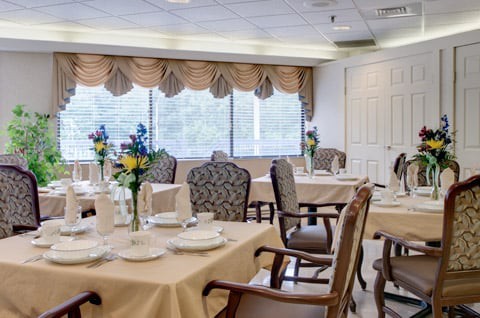
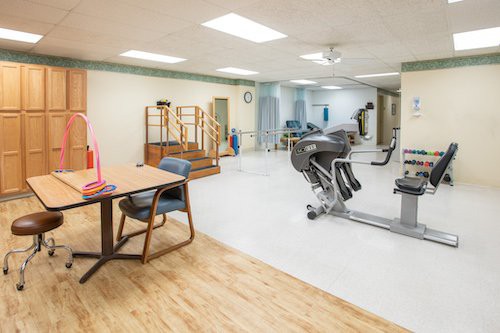
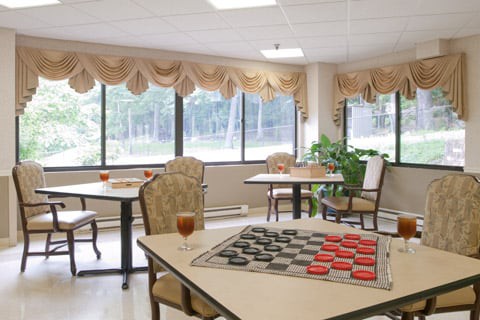
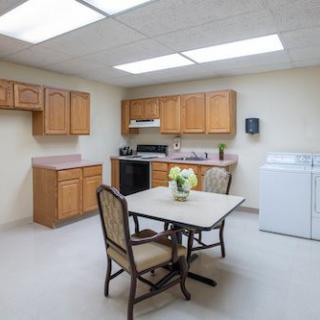
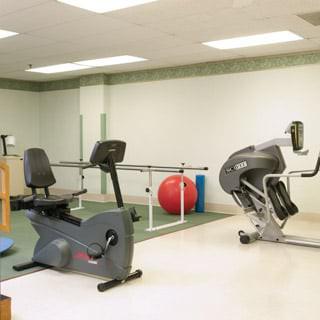
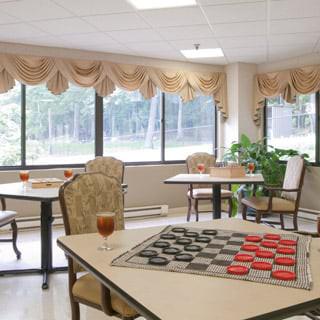
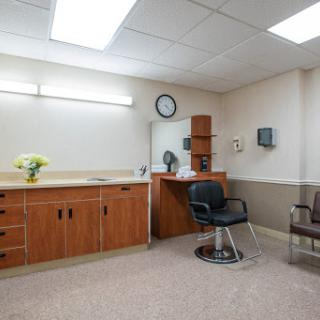
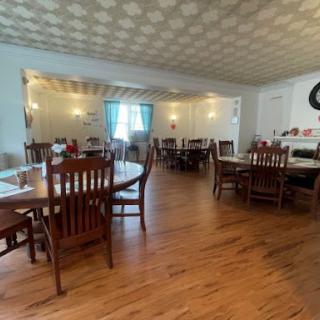
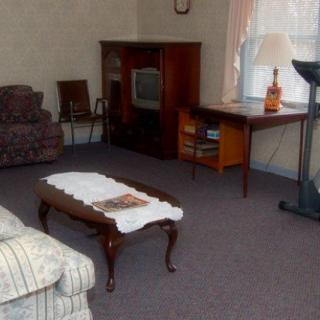
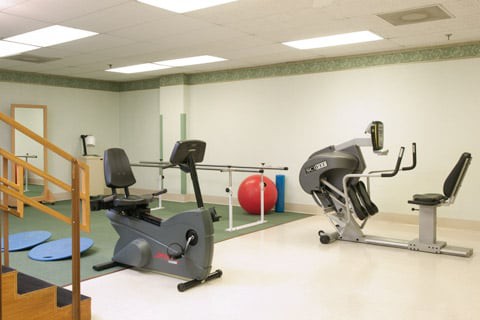
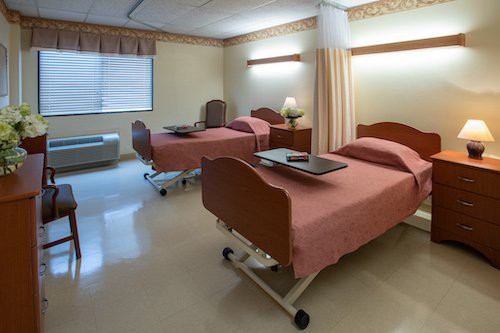
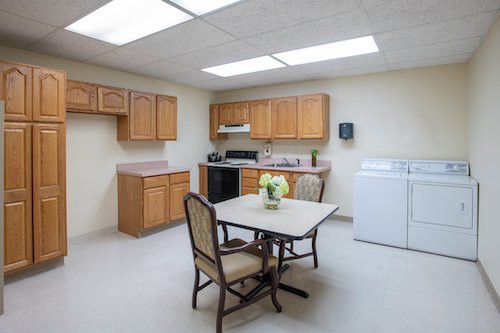
Slate Belt Nursing Home on seniors.fyi includes 11 photos including images showing interior, healthcare, exercise equipment, rehabilitation, therapy room, living room, dining, windows, and more.
Recognizing the Journey: Understanding and Navigating Anticipatory Grief

Anticipatory grief is an emotional response to the impending loss of a loved one, characterized by complex emotions such as sadness and anger, and involves navigating stages similar to those identified by Kübler-Ross. Coping strategies are vital for managing this process, emphasizing compassionate communication, self-care, and support groups while recognizing the cultural influences on grieving.
Encouraging Participation in Adult Day Care: A Guide to Supporting a Hesitant Parent
Adult day care programs offer essential support and activities for older adults, yet many hesitate to participate due to concerns about independence and stigma. To alleviate these apprehensions, families should facilitate open discussions, explore financial resources, suggest trial visits, and collaborate with healthcare providers to highlight the benefits of such services for both the participants and their caregivers.
Comprehensive Exploration of Living Wills and Other Advance Directives
Living wills and advance directives are crucial legal documents that outline an individual's healthcare preferences when they cannot make decisions themselves, enhancing patient autonomy and alleviating family stress during medical crises. The article emphasizes the need for these documents to be personalized, legally valid, and regularly updated, while also encouraging communication about end-of-life wishes among family members and healthcare providers.