
701 Slate Belt Boulevard, Road 3, Bangor, PA 18013
For more information about senior living options: (866) 208-4318
Overall Review of Slate Belt Health & Rehabilitation Center
Pros
 The facility is amazing and the staff are great.
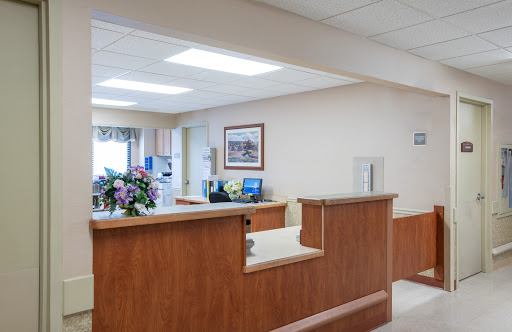
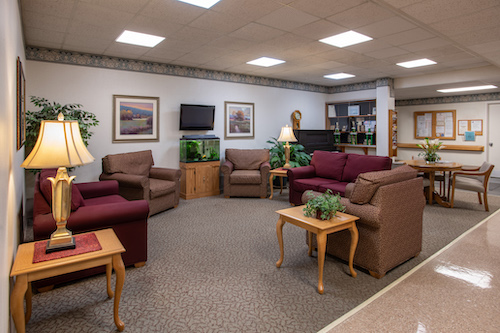
- Slate Belt is a clean, organized and welcoming facility; the staff are friendly and genuinely care for their patients.
- The staff are courteous, knowledgeable and caring, and the facility feels like an answer to prayers.
- Each room is meticulously cleaned daily, the facility is very clean, and the food is good with friendly, personable staff.
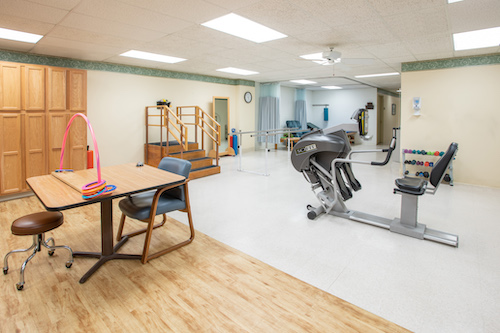
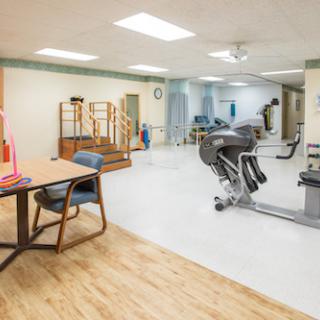
- The therapists are open and willing to work with patients to determine their needs and goals.
- The staff treat residents like a king—kind, caring, hardworking and respectful.
Cons
 The facility is an absolutely HORRIBLE place.
- Some of the staff are very rude and disrespectful.
- The facility shows zero respect or care for residents.
- There is not enough staff, leaving residents unattended and care neglected.
- Residents were heavily sedated against their will.
- Family requests were dismissed and concerns about patient care were ignored.
- The walls were dirty and residents lay in beds in the hallway with no staff.
- There is a strong smell of feces and urine in the hall.
- The food was disgusting and sometimes inedible.
- Elevators are still being worked on after eight months, and staffing is shorter.
Review
Slate Belt Health & Rehabilitation Center in Bangor, PA is best suited for families seeking a warm, person-centered rehab option where staff can deliver attentive, compassionate care and where the overall environment feels clean, orderly, and welcoming. The strongest case comes from residents and families who prize approachable, friendly staff and therapists who partner on mobility and strength goals. It works for those who want a manageable, home-like setting where caregivers seem to know residents by name and are willing to answer questions. The caveat is that this is not a uniform experience: the quality of care appears to vary with staffing levels and leadership, so those placing a loved one should be prepared for fluctuations and plan to stay actively involved.
Careful consideration is warranted for families who require consistent staffing, dependable communication, and up-to-date facilities. Several reviews flag ongoing issues with staffing shortfalls and uneven responsiveness, including rounds of unanswered calls and delayed assistance. For residents with more complex medical needs, or families who rely on timely updates and rigorous oversight, alternatives with higher nurse-to-resident ratios or stronger centralized management may be advisable. The facility’s long-term stability and capital improvements have been questioned by some families, particularly after ownership transitions, making a thorough in-person evaluation essential before deciding.
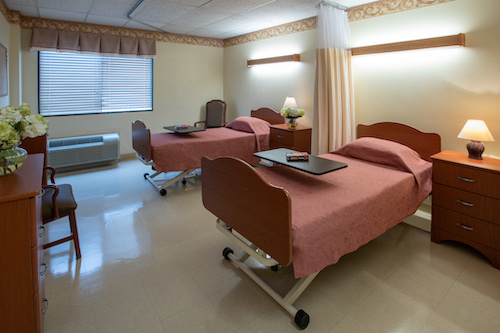
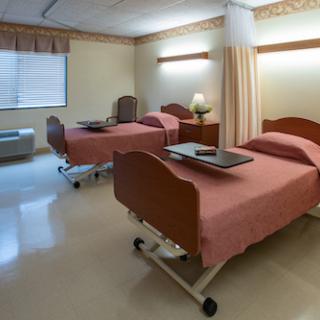
The strongest pros, when they align with the right shift and leadership, can meaningfully offset the main cons. Positive accounts highlight courteous, caring staff and a culture of respect, plus a generally clean, organized atmosphere and a supportive rehab environment. Food quality is occasionally praised, and several reviewers note meaningful progress through therapy and a collaborative approach to goal setting. For families who can connect with a stable care team, these elements translate into real comfort: a resident who looks forward to daily interactions, a therapist who adapts plans to progress, and a roommate dynamic that contributes to morale. In such cases, the absence of perfect staffing becomes a tolerable trade-off for a facility that otherwise delivers decent care and a hopeful rehab trajectory.
Nevertheless, the gaps are not trivial. Persistently short staffing can translate to longer wait times, occasional inattentiveness, and limited one-on-one attention on the floor. Communications gaps, whether via phone, scheduling, or therapy coordination, pose real risk for families trying to stay informed about a loved one’s status, progress, and needs. There are troubling anecdotes about medication management and patient autonomy, including reports of heavy sedation or delays in addressing concerns raised by families. Protracted maintenance and modernization issues, such as aging infrastructure and out-of-service elevators in some accounts, further complicate the day-to-day experience. These factors collectively tilt risk toward those who demand rigorous consistency and transparent, rapid communication.
From a decision-making standpoint, several practical steps will help separate fit from misfit. Prioritize a live tour and face-to-face conversations with the director of admissions, therapy leads, and the nurse manager. Inquire about current staffing ratios by shift, specific turnover in the last six months, and how aftercare planning is handled. Ask for recent quality metrics, incident reports, and a clear outline of how personalization is achieved for rehab goals. Verify the status of facility updates and equipment, including elevator reliability, to understand how physical space will support daily living and safety. Finally, request direct references from families who recently transitioned their loved ones in and out, to hear how care looked in practice beyond promotional materials.
In summary, Slate Belt offers a workable, patient-focused rehab environment where genuine acts of kindness and solid therapy can produce meaningful improvements for many residents. It rewards families who actively participate, verify details, and align expectations with the realities of staffing variability and older infrastructure. For those who prioritize flawless staffing consistency, immediate responsiveness, and modern, turnkey facilities, alternatives may deliver greater peace of mind. The prudent path is to treat Slate Belt as a solid option to investigate, but to couple the visit with robust due diligence and compare against others to ensure the chosen setting matches the loved one’s medical needs, communication preferences, and desired day-to-day experience.
 126 resident community capacity
 Skilled Nursing Facility
 Air-conditioning
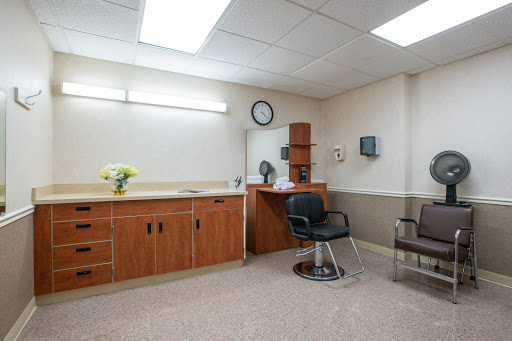
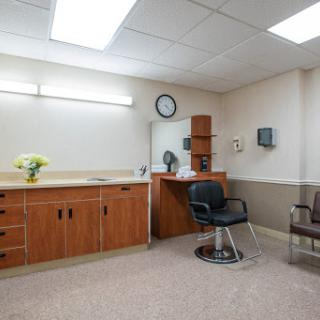
 Beauty salon
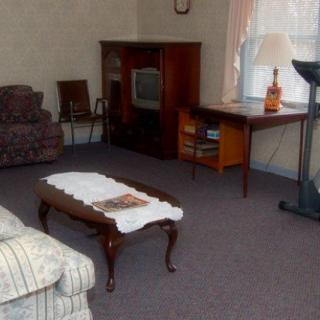
 Cable or satellite TV
 Computer center
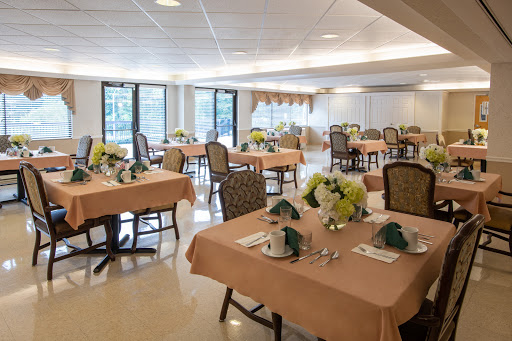
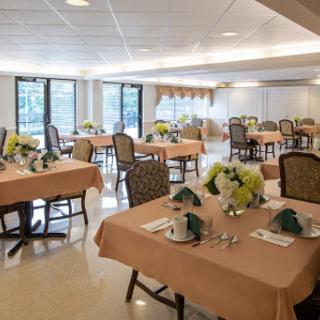
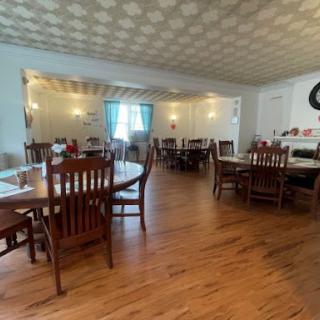
 Dining room
 Fitness room
 Fully furnished
 Gaming room
 Garden
 Housekeeping services
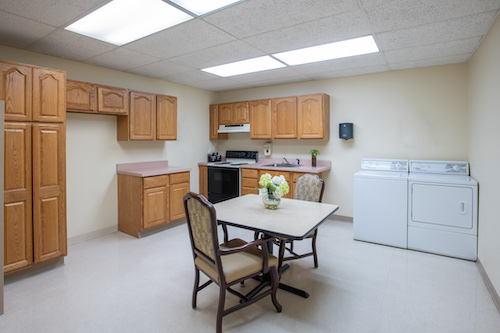
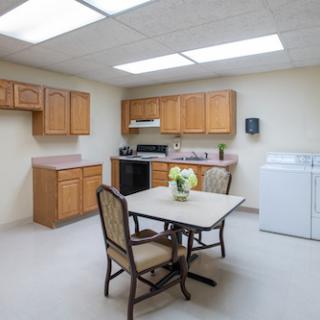
 Kitchenette
 Move-in coordination
 Outdoor space
 Private bathrooms
 Restaurant-style dining
 Small library
 Telephone
 Wellness center
 Wi-Fi/high-speed internet available
 Lehigh Valley International (19 miles away)
 Community operated transportation
 12-16 hour nursing
 24-hour call system
 Activities of daily living assistance
 Assistance with bathing
 Assistance with dressing
 Assistance with transfers
 Diabetes diet
 Medication management
 Mental wellness program
 Special dietary restrictions
 Concierge services
 Planned day trips




 In-Depth Look at the VA Aid and Attendance Program
 Nurturing Our Loved Ones: A Daughter's Journey in Caring for Her Mother
 Nurturing Our Elders: Linda's Journey of Supporting Her Mother