For more information about senior living options: (866) 208-4318
4.1 from 28 reviews
5 stars
19
4 stars
3
3 stars
0
2 stars
2
1 stars
4
Overall Review of The Dalles Health And Rehabilitation Center
common26 reviews mention this
Staff care is a clear theme
Residents and families consistently describe staff who care and respond to needs.
Across the reviews, people repeatedly talk about staff being attentive, kind, and supportive, including nurses, CNAs, and the broader team. Several reviewers say administrators and care teams addressed medical issues and helped with recovery, while others emphasize being treated with respect. A few reviews are sharply negative about leadership or specific interactions, but even those contrast experiences of staff not meeting expectations. Overall, the staff experience shows up as the most consistent takeaway in both positive and negative comments.
differentiator7 reviews mention this
Rehab and therapy stand out
Rehabilitation and therapy are frequently described as effective and supportive.
Many reviewers describe rehab stays tied to strokes, hip replacements, or falls, with improvements they attribute to physical therapy and occupational therapy. Families mention teams working with residents on mobility and recovery goals, and several say the staff maintained a compassionate approach during challenging situations. One positive review specifically credits therapy progress with being able to walk and return home. Reviews also describe therapy as part of a broader care effort that includes daily engagement and support.
common3 reviews mention this
Dining quality gets mixed reviews
Dining receives both praise and complaints in reviews.
Dining comes up as a mixed point: some reviewers describe the food positively, while at least one review calls it the worst. Another comment says the facility’s food is good, even alongside other concerns. The overall pattern suggests dining quality can vary by experience, which may matter if food is a priority for your household.
common4 reviews mention this
Grounds and views are highlighted
The setting and grounds are often mentioned, especially the views.
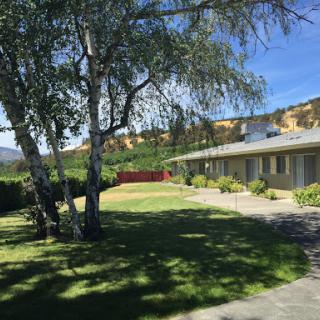
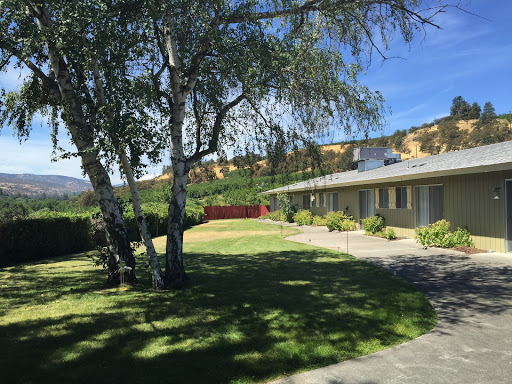
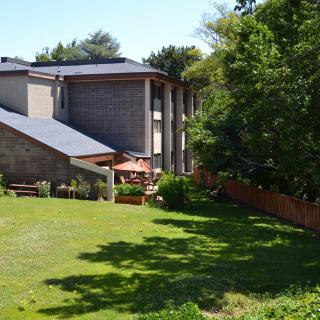
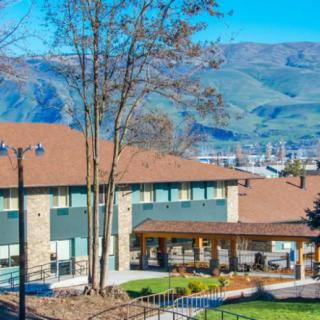
Several reviews mention the hillside location and views, including a large view of surrounding terrain and manicured grounds near an orchard. Others point to the convenience of the location and call it nicely located. One review counters that it can be hard to find and that it’s far from the area, which could be a concern for families traveling in winter. Taken together, reviews suggest the setting is a strong point when it’s about scenery, with drawbacks when it’s about accessibility.
caveat7 reviews mention this
Cleanliness and upkeep appear inconsistent
Cleanliness and maintenance get mixed mentions from reviewers.
Some reviewers describe cleanliness and a well-kept facility, including rooms that feel clean and comfortable. Others say the facility looked gloomy, needed upgrades, or was in horrible condition with housekeeping not keeping up. A positive review also mentions a clean and healthy environment as part of the quality of care experience. With both strong praise and specific complaints about upkeep, cleanliness may be worth validating during a visit.
caveat2 reviews mention this
Staffing coverage concerns surface
Some residents and families say staffing coverage can be insufficient.
A couple of reviews mention issues with staffing levels or coverage, including comments about workers seeming like they were not the right number or needing more hands on deck to cover patient needs quickly. These concerns appear alongside otherwise positive praise for staff in other parts of the review set. If you’re evaluating care fit, these comments suggest it’s important to ask how staffing is handled during higher-need periods.
How we summarize
Counts show how many written reviews mention each theme; a review can touch several themes, and only frequently mentioned themes are displayed.
Features
Housing
83 resident community capacity
Types of Care
Skilled Nursing Facility
Amenities
Air-conditioning
Beauty salon
Cable or satellite TV
Computer center
Dining room
Fitness room
Fully furnished
Gaming room
Garden
Housekeeping services
Kitchenette
Move-in coordination
Outdoor space
Private bathrooms
Restaurant-style dining
Small library
Telephone
Wellness center
Wi-Fi/high-speed internet available
Transportation
Community operated transportation
Transportation arrangement
Transportation arrangement (non-medical)
Transportation to doctors appointments
Care Services
12-16 hour nursing
24-hour call system
24-hour supervision
Activities of daily living assistance
Assistance with bathing
Assistance with dressing
Assistance with transfers
Diabetes diet
Meal preparation and service
Medication management
Mental wellness program
Special dietary restrictions
Dining
Diabetes diet
Special dietary restrictions
Activities
Community-sponsored activities
Concierge services
Fitness programs
Planned day trips
Resident-run activities
Scheduled daily activities
Nearby Places of Interest
Parks
Sorosis Park (0.8 miles)
Tree Top Play Park (0.8 miles)
Northern Wasco County Parks (1.3 miles)
Northern Wasco County Parks (1.3 miles)
Northern Wasco County Parks & Recreation District (1.4 miles)
Riverfront Park (1.4 miles)
Lewis and Clark Festival Park (1.5 miles)
Hospitals
Columbia Gorge Surgery Center (0.9 miles)
Physicians
Mid-Columbia Center For Living (0.9 miles)
Cascade Eye - The Dall (1.2 miles)
James Edmund Macmillan (1.4 miles)
Columbia Hills Family Medicine (2.1 miles)
Mid-Columbia Medical Center Family Medicine (2.1 miles)
Mid Columbia Medical Center Occupational Services (2.1 miles)
Cascade Orthopedics & Sports Medicine Center, PC (2.1 miles)
Restaurants
Beachwood Eatery (0.9 miles)
Ixtapa Mexican Restaurant (0.9 miles)
Taco Time (0.9 miles)
Momma Jane's Pancake House (1 miles)
The Barbecue (1 miles)
MOD Pizza (1 miles)
McDonald's (1 miles)
Places of Worship
Seventh-Day Adventist Church (0.9 miles)
First United Methodist Church (1.1 miles)
The Dalles Full Gospel Center (1.1 miles)
Episcopal Diocese of Eastern Oregon (1.2 miles)
United Church of Christ Congregational (1.3 miles)
Child Evangelism Fellowship (1.7 miles)
Heritage Bible Baptist Church (2 miles)
Cafes
Starbucks (0.9 miles)
Dutch Bros Coffee (1 miles)
Starbucks (1 miles)
Starbucks (1.1 miles)
The Riv Cafe (1.2 miles)
The Cottage Cafe (1.4 miles)
Kainos Coffee (1.5 miles)
Pharmacies
Rite Aid (1 miles)
Walgreens (1 miles)
Safeway Food & Drug (1.1 miles)
Hi-School Pharmacy (16.7 miles)
Transportation
Enterprise Rent-A-Car (1.4 miles)
Columbia Gorge Regional-The Dalles Municipal Airport (DLS) (2.5 miles)
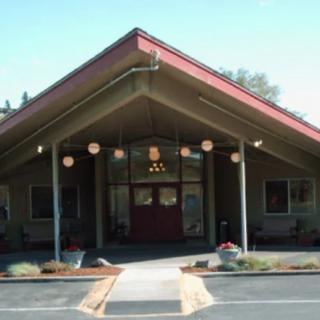
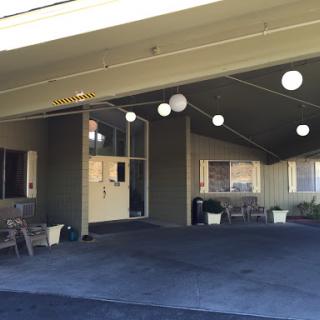
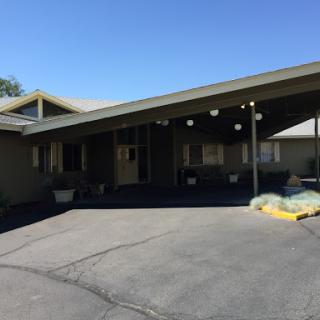
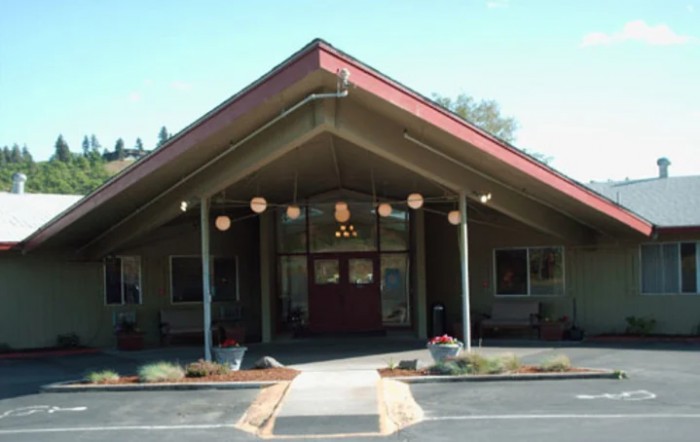
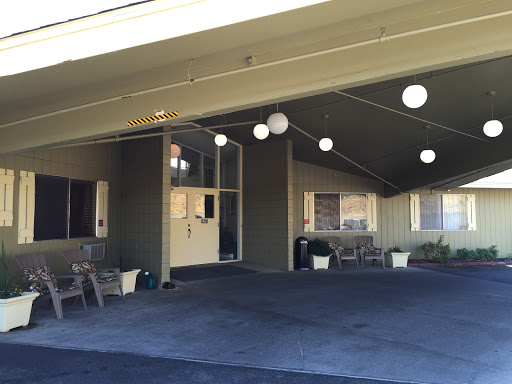
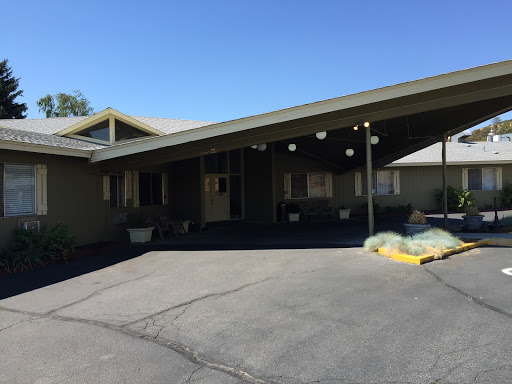
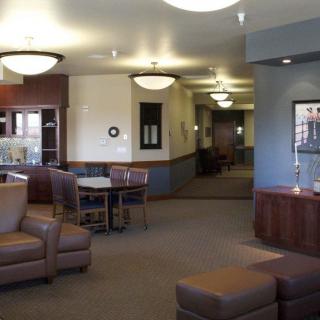
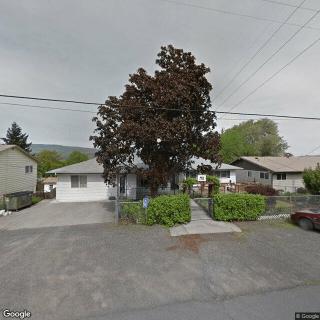
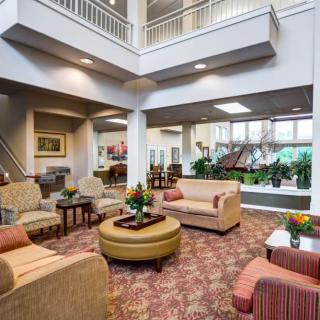
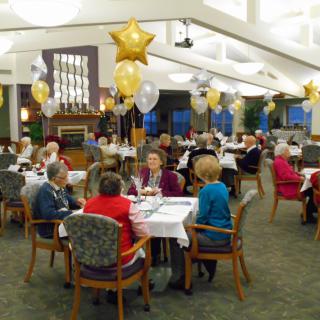
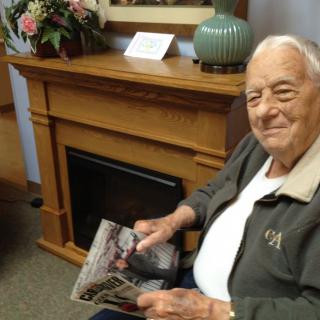
The Dalles Health And Rehabilitation Center on seniors.fyi includes 4 photos including images showing architecture, landscaping, outdoor, building, entrance, outdoors, trees, parking, and more.
Nearby Communities
Senior Class AFC
The Dalles, OR
4.8 from 75 reviews
Prime location with easy access to shops, parks, and healthcare nearby.
Footsteps At Mill Creek
The Dalles, OR
4.5 from 8 reviews
Specialized memory care programming with 24-hour supervision and furnished apartments.
The Springs at Mill Creek
The Dalles, OR
4.1 from 22 reviews
$3,200 to $5,500 / month
Friendly, attentive staff with engaging activities and strong safety protocols.
Cherry Heights Living
The Dalles, OR
4.9 from 25 reviews
$1,945 to $2,695 / month
Excellent dining, friendly staff, and engaging activities at an affordable price.
Carolyn's Adult Care
The Dalles, OR
Strong access to healthcare, dining, parks, and transportation nearby.
Columbia Basin Care Facility
The Dalles, OR
Comprehensive care with extensive amenities: furnished rooms, private baths, restaurant-style dining, wellness center, activities, and transportation services.
Hawks Ridge
Hood River, OR
4.6 from 109 reviews
$4,645 to $6,320 / month
Clean, home-like environment with caring staff, quality dining, and engaging activities.
Down Manor
Hood River, OR
4.5 from 11 reviews
$1,480 to $2,730 / month
Caring, responsive staff and a strong sense of community with diverse on-site activities.
Brookside Manor
Hood River, OR
4 from 10 reviews
$3,335 to $5,095 / month
Caring staff with engaging activities in a clean, well-maintained community.
The article highlights the importance of empathy and open communication when comforting someone who is grieving, noting that grief is unique to each individual and emphasizing the need for sincere expressions of condolence, active listening, and ongoing support. It also addresses cultural differences in mourning practices and encourages tailored approaches to provide effective comfort.
Home health care aides provide vital medical and non-medical support to individuals at home, assisting with daily living activities and promoting emotional well-being, while the demand for these services increases due to an aging population. Families benefit from in-home care's flexibility and cost-effectiveness but face challenges like scheduling consistency and caregiver turnover.
Older adults with urinary tract infections (UTIs) often present atypical symptoms, complicating diagnosis due to factors like incomplete bladder emptying and chronic health conditions that increase their susceptibility. Effective management involves prompt treatment with antibiotics, hydration, and preventive strategies while minimizing antibiotic resistance and focusing on holistic care approaches.
The Dalles Health And Rehabilitation Center photos
×
Outdoors
Building
Architecture
Trees
Landscaping
Building and Entrance
Architecture
Trees
Outdoor
Outdoors
Parking and Lights
Get PricingAsk A QuestionSchedule A TourContact Senior Advisor
By clicking submit, you agree to our Partner's Terms of Use. You
also consent to receive calls and texts, which may be autodialed, from our Partner. Your consent is not a condition to
using our Partner's service. Please visit our Partner's Privacy Policy for information about their privacy practices.

 83 resident community capacity
 Skilled Nursing Facility
 Air-conditioning
 Beauty salon
 Cable or satellite TV
 Computer center
 Dining room
 Fitness room
 Fully furnished
 Gaming room
 Garden
 Housekeeping services
 Kitchenette
 Move-in coordination
 Outdoor space
 Private bathrooms
 Restaurant-style dining
 Small library
 Telephone
 Wellness center
 Wi-Fi/high-speed internet available
 Community operated transportation
 12-16 hour nursing
 24-hour call system
 Activities of daily living assistance
 Assistance with bathing
 Assistance with dressing
 Assistance with transfers
 Diabetes diet
 Medication management
 Mental wellness program
 Special dietary restrictions
 Concierge services
 Planned day trips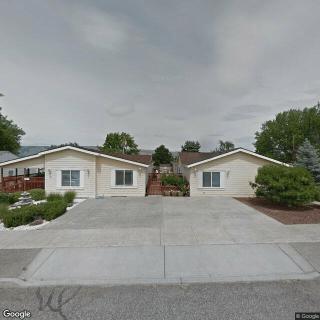
 Prime location with easy access to shops, parks, and healthcare nearby.
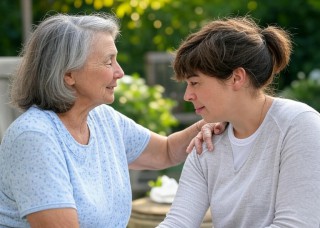 Compassionate Conversations: How to Comfort Someone Who Is Grieving
 Home Health Care Aides: Understanding Their Role and Supporting Your Family
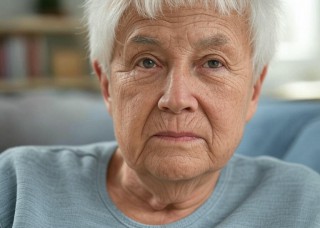 Urinary Tract Infections in Older Adults: Comprehensive Insights on Symptoms, Treatment, and Prevention