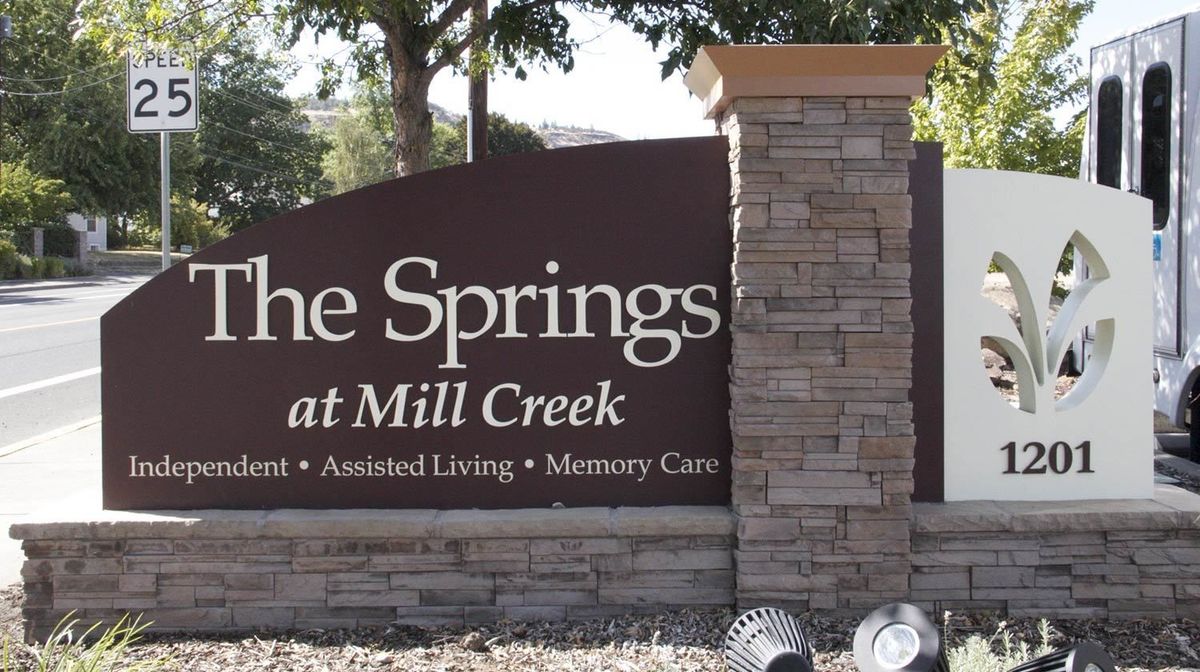





1201 West 10th Street, The Dalles, OR 97058
For more information about senior living options: (866) 208-4318
The Springs at Mill Creek Costs & Pricing
The Springs at Mill Creek offers a range of monthly rent options that reflect its commitment to providing quality living accommodations. For a one-bedroom unit, residents can expect to pay $3,200, which is slightly above the average for Wasco County at $2,930 but below the Oregon state average of $3,904. Two-bedroom apartments are available at $3,500, closely aligning with Wasco County's rate of $3,450 while remaining more economical than the statewide average of $4,436. Studio units are priced at $3,900; this falls just short of Wasco County's average of $3,468 but remains competitive compared to the state rate of $3,815. The cost for semi-private rooms ranges between $4,500 and $4,800 and is positioned within the higher spectrum when compared to Wasco County's average of $5,033 and Oregon's average of $4,457. Lastly, private rooms at The Springs command a premium price of $5,500 but offer comparative value against Wasco County's rate of $3,750 and Oregon's lower average of $3,424. Overall, The Springs at Mill Creek presents an attractive option for those seeking quality accommodations in a desirable location.
| Floor plans | The Springs at Mill Creek | Wasco County | Oregon |
|---|---|---|---|
| 1 Bedroom | $3,200 | $2,930 | $3,904 |
| 2 Bedrooms | $3,500 | $3,450 | $4,436 |
| Studio | $3,900 | $3,468 | $3,815 |
| Semi-Private | $4,500 to $4,800 | $5,033 | $4,457 |
| Private | $5,500 | $3,750 | $3,424 |
Memory care communities with a similar price nearby
-
from +$135 / mo

Brookside Manor
$3,335 to $5,095 / month16.9 miles away -
from -$600 / mo

The Atrium At Flagstone
$2,600 to $5,800 / month3.4 miles away
Overall Review of The Springs at Mill Creek
Pros
 The in-laws are in a good place and receive the quality care they were seeking.
- The staff are wonderful, caring, kind, and compassionate.
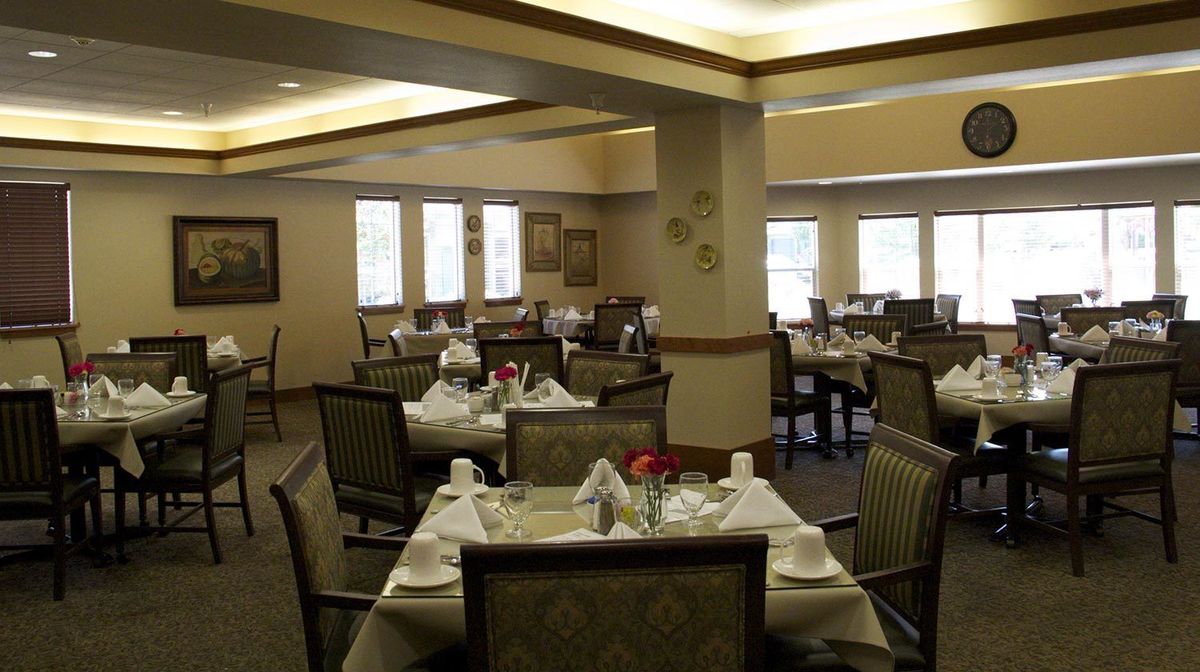
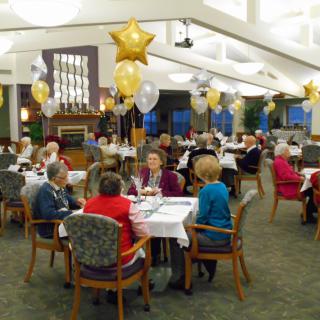
- Residents receive three meals a day and the food is good.
- Families are very happy with this facility.
- The community offers gorgeous senior living with amazing staff.
- The staff are always helpful and kind when visitors come.
- The Springs at Mill Creek provides wonderful care and excellent Covid-19 safety protocols.
- The community is nice, clean, and well kept.
Cons
 In the dementia wing, the rooms were adequate but it reeked of urine, and the reviewer wouldn’t want to live there.
- There was no one available to give a tour on arrival, and the 20-minute lobby wait plus an unfriendly receptionist left the reviewer with a negative first impression.
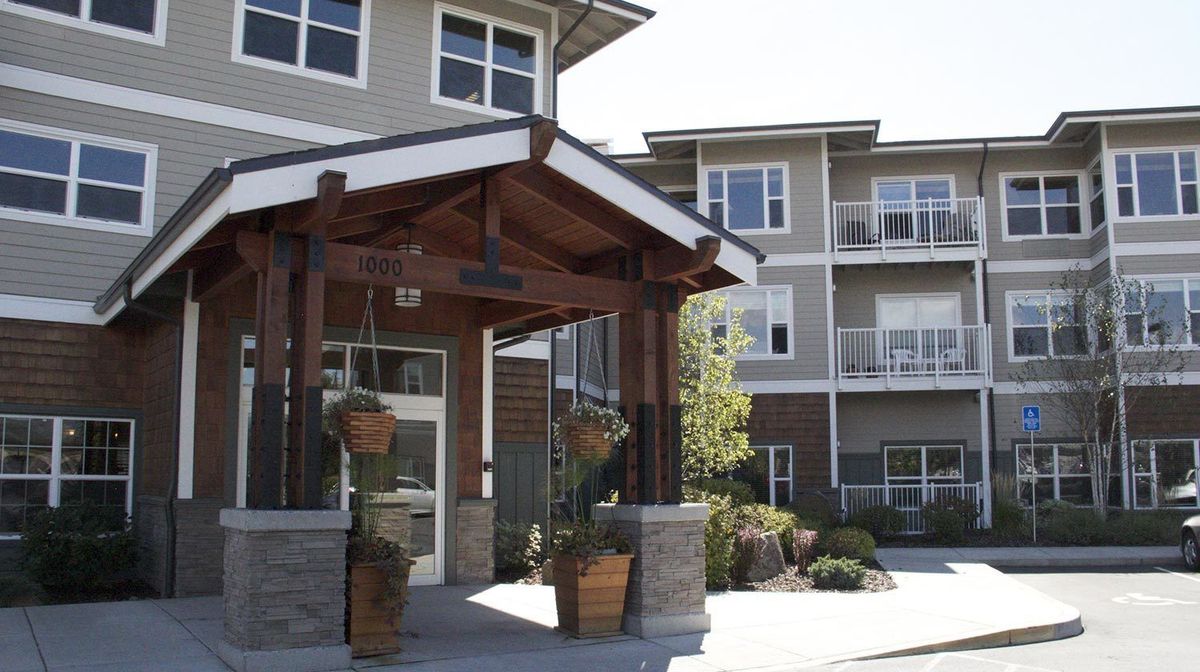
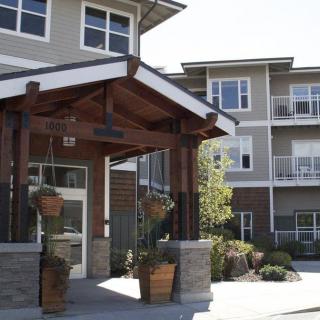
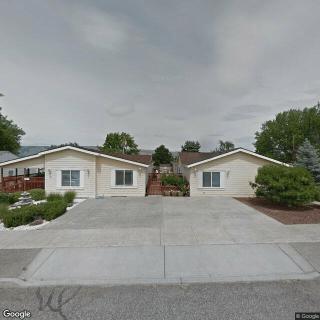
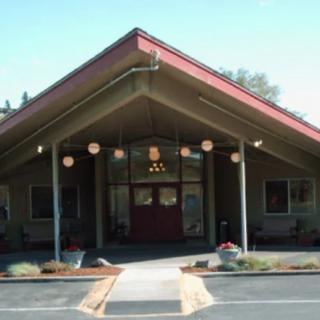
- The front exterior of the facility is not well tended and is uninviting.
- A repair requested by a resident’s family member had apparently not been completed.
- The receptionist was not friendly with the reviewer or the resident who approached her.
- The Medicaid policy requiring paying two years upfront before acceptance was viewed unfavorably.
- The reviewer felt that only a one-star rating would be accurate based on the brief 20-minute lobby impression.
Review
The Springs at Mill Creek in The Dalles, Oregon is best suited for families seeking a warm, activity-rich assisted living where staff truly care for residents and aging in place feels practical. Across multiple accounts, families emphasize a consistently kind, attentive caregiving team, with residents receiving three meals a day and a menu that supports healthful choices. The setting fits seniors who want to stay engaged through meaningful programming and for relatives who want visible, compassionate support rather than abstract assurances. In short, this community earns its keep by delivering dependable daily care backed by a lively social life.
Those who should seriously consider alternatives are families with especially strict cleanliness standards or who prioritize a flawless first impression. A recurrent concern in the feedback is a noticeable urine odor in the dementia wing, which can unsettle visitors even when staff are doing their best. Prospective movers often report mixed experiences around tours, times when no one was available, wait times, or reception that felt tepid, and exterior upkeep that can feel uninviting. Given these dynamics, some families will prefer communities with more consistently polished onboarding and a dementia environment that meets tighter odor-and-cleanliness expectations.
Despite these challenges, the strongest aspects tend to offset the drawbacks for decision-makers prioritizing caregiving quality and daily life. The staff’s warmth shows in real, tangible ways, with caregivers described as attentive, compassionate, and genuinely engaged with residents. Meal quality and variety receive steady praise, with residents noting healthy options and a real sense that meals are thoughtfully planned. The ability to age in place, knowing support scales with evolving needs, provides practical reassurance for families planning long-term arrangements. A robust schedule of activities and events creates meaningful engagement, helping residents maintain routine, social connection, and a sense of belonging.
The negatives still matter, and they cannot be dismissed. The dementia unit’s odor is more than a nuisance; it highlights a disconnect between care quality and environmental upkeep that future residents will notice. Front-desk responsiveness and maintenance reliability also color overall impressions, with reports of delayed tours, unreturned inquiries, and pending repairs signaling a potential friction point for families seeking a seamless transition. Exterior presentation matters to families visiting for the first time; when the campus entrance feels neglected, it can raise questions about overall stewardship, even if personal experiences inside prove warmer.
For families weighing this option, a practical decision framework helps. Schedule a dementia-unit visit to observe odor management and cleanliness directly, and ask for a candid explanation of cleaning protocols and any remediation plans. Verify current Medicaid acceptance and the timeline for obligations, reviews show variability, so obtain precise guidance before making commitments. Plan visits at different times to test staff responsiveness, and sample the dining room experience with a few mealtime observations. Probe the calendar and ask current residents about day-to-day life, the consistency of care, and how staffing feels during peak hours. If these checks align with expectations, the Springs becomes a strong match for a long-term aging-in-place strategy.
Overall, The Springs at Mill Creek delivers a solid, people-centered base of care with a vibrant activities calendar and dependable daily meals, making it a compelling choice for households prioritizing caregiver warmth and social connection. It is less ideal for families unable to tolerate any odor concerns in the memory-care corridor or for those who demand flawless front-desk performance and a uniformly pristine campus from the first visit. When due diligence is done on operational questions and odor and maintenance issues are addressed to the family’s standards, this community can provide reliable, compassionate support that aligns well with a thoughtful, long-range care plan.
 75 resident community capacity
 Assisted Living
 Independent Living
 Memory Care
 Respite Care
 Cats allowed
 Dogs allowed
 Activities on-site
 Air-conditioning
 Bath tubs
 Beautician on-site
 Cable or satellite TV
 Computer center
 Devotional services off-site
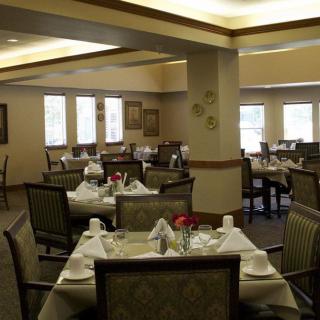
 Dining room
 Fireplaces
 Fitness room
 Fully furnished
 Gaming room
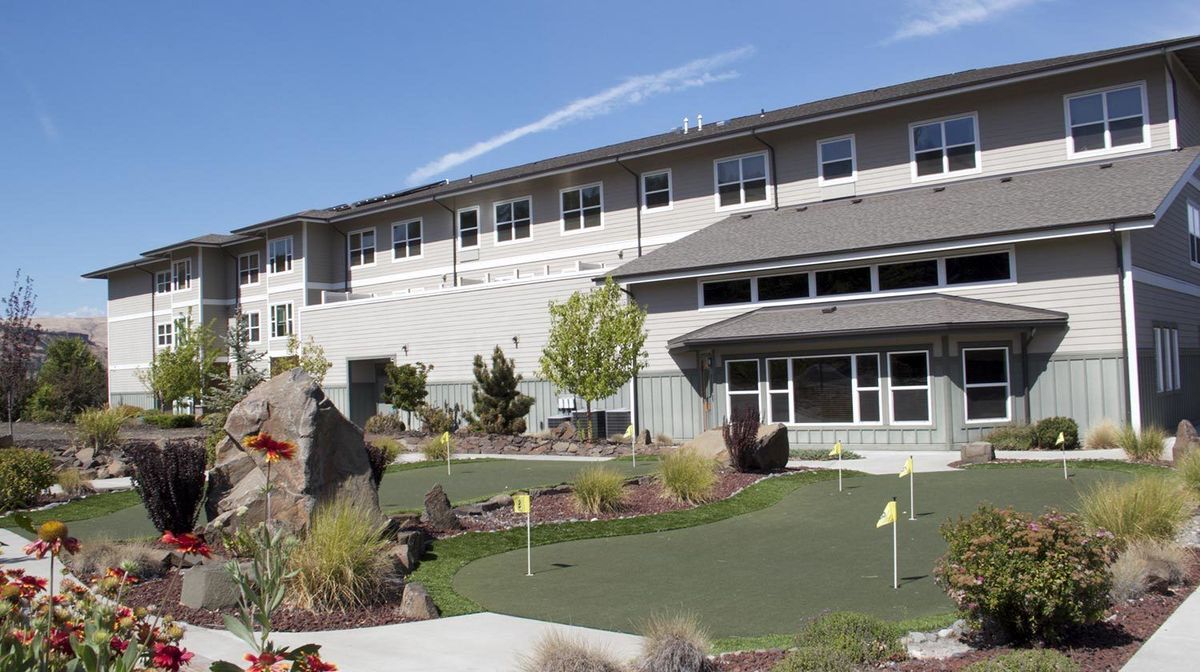
 Garden
 Housekeeping services
 Indoor common areas
 Kitchenette
 Move-in coordination
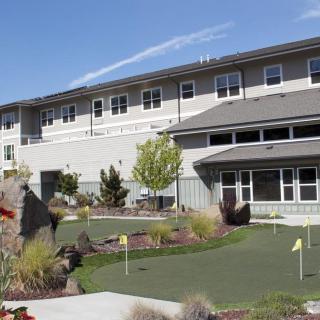
 Outdoor common areas
 Private bathrooms
 Restaurant-style dining
 Small library
 Telephone
 Wellness center
 Wi-Fi/high-speed internet available
 Community operated transportation
 12-16 hour nursing
 24-hour call system
 Ambulatory care
 Assistance with bathing
 Assistance with dressing
 Assistance with transfers
 Diabetes diet
 Diabetic care
 Hospice waiver
 Incontinence care
 Medication management
 Mental wellness program
 Special dietary restrictions
 Transportation arrangement (medical)
 Catholic services
 Concierge services
 Day trips and outings
 Educational speakers / life long learning
 Happy hour
 Live dance or theater performances
 Live musical performances
 Wine tasting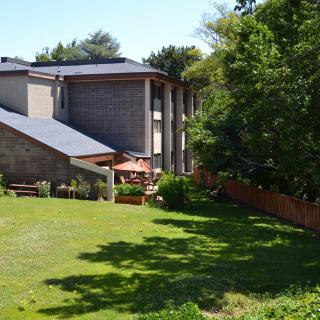



 Understanding the Distinctions: Assisted Living and Memory Care Explained
 How to Communicate with a Loved One Living with Dementia: 10 Supportive Strategies
 Comprehensive Guide to VA Nursing Homes: A Crucial Long-Term Care Resource for Veterans