Lebanon Veterans Home

Save

  • Interior

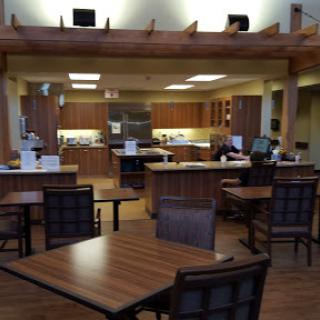
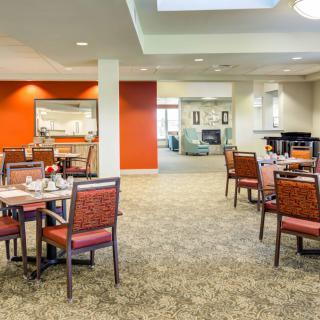
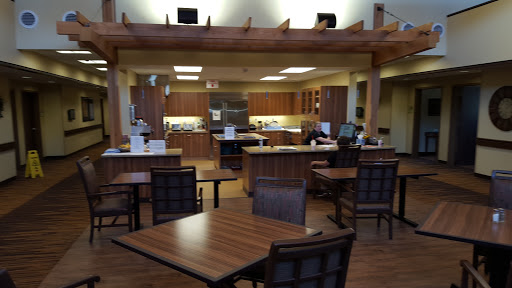
    A spacious dining area featuring wooden furniture and a modern kitchen setup.
  • Outdoors

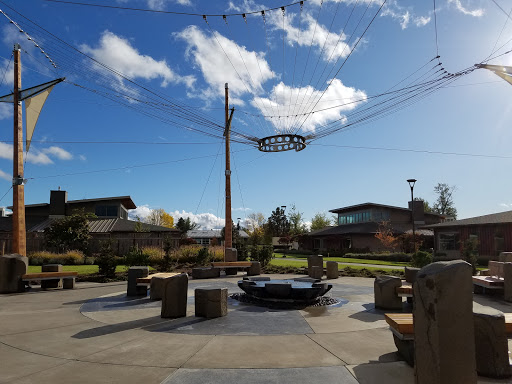
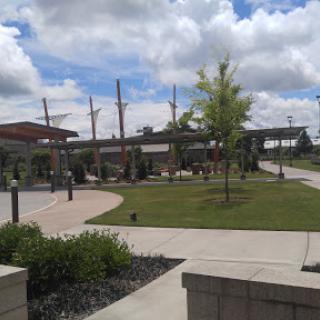
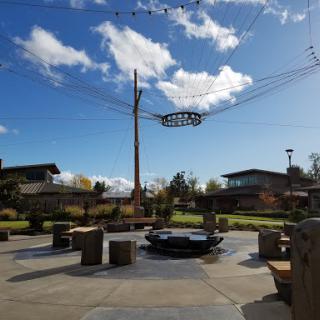
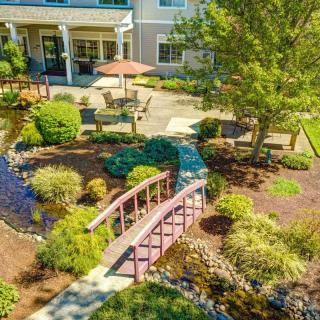
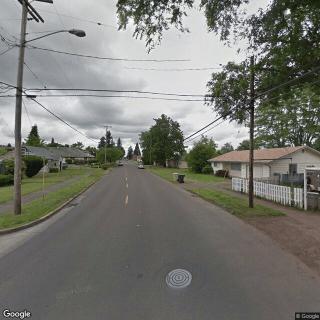
    A serene park scene featuring pathways, greenery, and architectural elements under a cloudy sky.
  • Decor

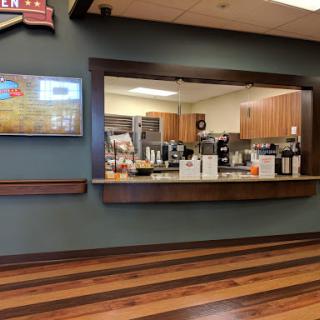
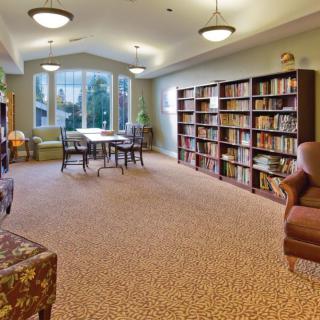
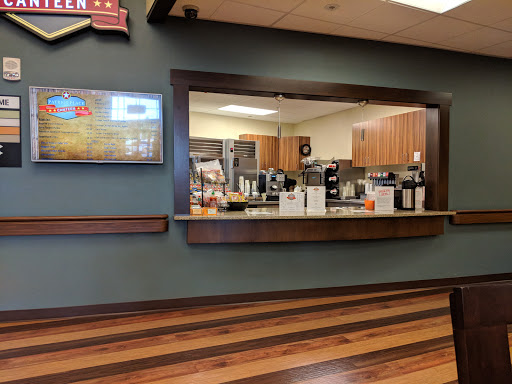
    A cozy cafe interior showcasing a well-equipped kitchen with wooden flooring and modern decor.
  • Building

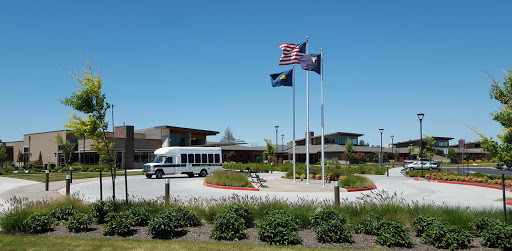
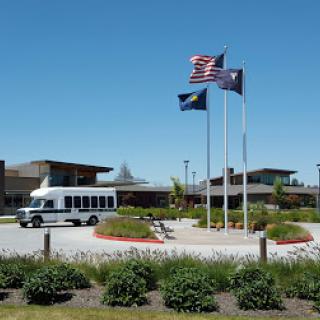
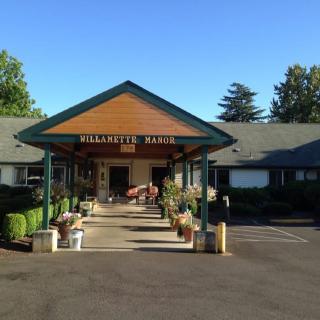
    A serene exterior view featuring a bus, multiple flags flying, and landscaped grounds under a clear blue sky.
  • Architecture

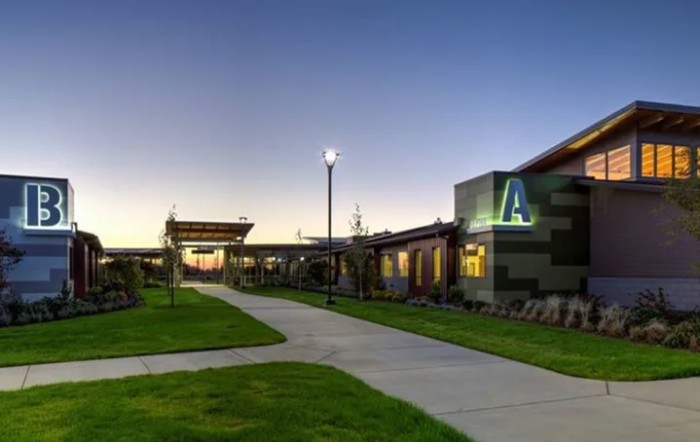
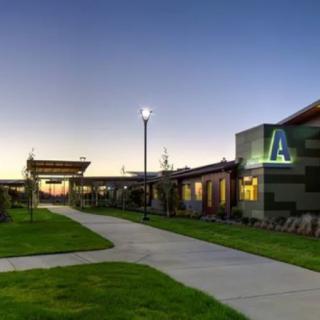
    Modern building exterior illuminated at nighttime.
  • Bedroom

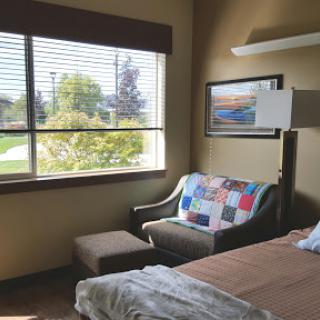
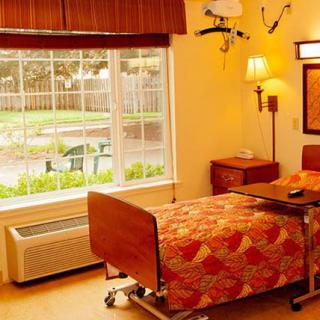
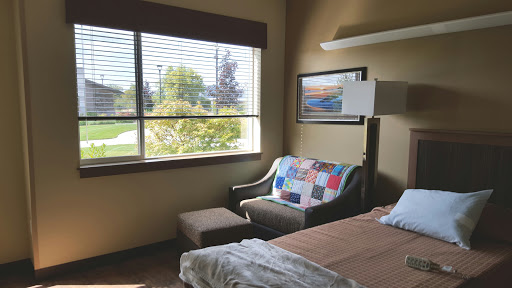
    A cozy room featuring a bed, colorful couch, and large window allowing natural light to fill the space.
  • Landscaping

    A modern building with a well-lit pathway and neatly maintained lawns during evening time.
  • Garden

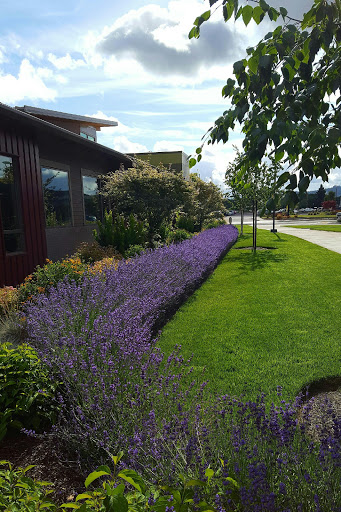
    A vibrant garden featuring blooming lavender alongside lush green grass.
  • Outdoor

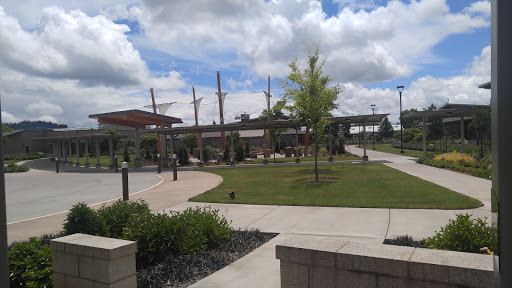
    A serene outdoor recreational area with clear skies and a modern design.
  • Nature

    A vibrant rainbow stretches across a cloudy sky, reflecting off the surface of a building.
  • Flag

    A beautiful sunset with flags silhouetted against the colorful sky.

Lebanon Veterans Home

600 North 5Th Street, Lebanon, OR 97355

For more information about senior living options: (844) 490-3973

4.2 from 27 reviews
5 stars
19
4 stars
2
3 stars
1
2 stars
2
1 stars
3

Skilled Nursing Facility

Overall Review of Lebanon Veterans Home

Pros

  • pro The facility is described as top notch with excellent nurses and staff.
  • pro Staff across administration to caregivers are caring and communicate well with families.
  • pro They go above and beyond for residents' benefit.
  • pro The facility works with families to coordinate events and travel, showing strong support.
  • pro Meals are good and freshly cooked; there is an on-site coffee shop with tasty options.
  • pro The facility is clean, lovely, and staffed by friendly, attentive personnel.
  • pro Veterans receive outstanding care, and the ODVA team is praised as world-class.
  • pro The facility comes highly recommended for those considering elderly care.

Cons

  • pro A CNA named Samantha White is described as rude and yelling at staff and residents.
  • pro Upper management is described as confused and not helpful.
  • pro Leadership meetings are cut short and interrupted, preventing full discussion.
  • pro The facility has an inadequate nurse-to-floor ratio (about 1 nurse for 2 floors) with 20?30 patients per floor and no reliable med techs.
  • pro Aides are sometimes asked to cook without a legally required food handlers card, and the facility won't pay for the card.
  • pro Residents can wander outside the facility due to staffing shortages, requiring police involvement.
  • pro Some aides refuse basic tasks and yell at RNs, causing travelers to perform vitals.
  • pro The facility is not traveler-friendly and has high turnover, making renewal undesirable for travelers.

Review

The collection of comments about this facility reveals a striking divide in lived experiences, ranging from glowing praise to sharp, cautionary criticism. On one end, veterans and family members consistently describe a place that feels well-appointed, clean, and genuinely caring in many moments. On the other end, there are multiple accounts from traveling nurses and CNAs who paint a picture of chronic staffing shortages, limited support, and serious concerns about management and day-to-day safety. Taken together, the narratives suggest a complex environment where quality of care can seem to hinge on factors like unit, shift, and leadership in the moment.

From the perspective of a traveling RN who spent 13 weeks there, the facility presented acute professional challenges. The traveler reports that CNAs often did not assist as expected, with a particular employee named Samantha White described as consistently rude and prone to yelling at staff and residents. The traveler also recalls encounters with upper management that felt similarly out of touch or unhelpful, including a frustrating experience when trying to determine a patient-to-nurse ratio in a memory-care unit. According to the traveler, the leadership response was slow and evasive, prompting the remark that she would consider contacting the Oregon Board of Nursing if she were in a leadership position herself. The overall impression from this account is one of high stress, poor morale among frontline staff, and a culture in which basic patient care and communication could be undermined by a lack of stable leadership.

Another recurrent complaint centers on staffing levels and role designation. The traveler describes a ratio that effectively equates to one nurse for two floors, with each floor caring for 20?30 patients in a memory-care setting. The absence of certified med techs is noted as a real problem, with claims that the facility "might say they do" have med techs but that this isn't reflected in reality due to staffing shortages. The same account notes a blurring of job boundaries - aides are expected to perform cooking and other tasks that would require different certifications - without adequate support or proper compensation, such as the lack of reimbursement for a required food-handler card. The result, from this view, is a disjointed and unsafe work environment where vital signs might be taken by travelers rather than dedicated staff, and where even basic tasks like assisting with socks or delivering a lab sample could be refused by regular aides when a traveler nurse attempted to delegate.

Safety concerns in the memory-care unit are also prominent in this traveler's narration. The facility is described as vulnerable to residents wandering outside due to insufficient supervision, with police occasionally called to locate missing residents. The implication is a memory-care unit that struggles to maintain safety in the context of staffing gaps and high patient needs. There are additional troubling anecdotes about privacy and respect: a CNAs named "Samantha White" allegedly took pictures of residents and the traveler on social media without consent, and ? according to the traveler ? upper management was notified but she was not written up. A related claim hints at possible racial bias in discipline, noting that disciplinary action might be influenced by the employee's race. These are significant, sensitive allegations that color the reviewer's overall impression of the work culture and accountability at the facility.

The traveler who is also an army combat veteran reports further frustration with trying to volunteer or engage with leadership. Multiple voicemails left to offer help went unanswered, reinforcing a perception that the facility is not friendly to outsiders or itinerant staff. In this account, the negative experiences are balanced by an explicit sense of disconnection between leadership and staff, as well as a cautionary tale for other traveling nurses and agencies who might be considering assignments there. The consistent thread is a sense of instability: frequent turnover, inconsistent management, and a workplace where the traveler felt she had to continually defend herself and advocate for basic standards of care.

Against these critical voices, a substantial stream of other reviews paints a markedly different picture. Several posts from families and veterans frame the facility as "top notch" and "world class," praising the staff - from administration to direct-care workers - for their warmth, attentiveness, and genuine regard for residents. In these accounts, communication with families is frequent and transparent, with nurses and staff working to keep loved ones informed and involved. There are stories of meaningful, person-centered touches: special dinners for anniversaries, assistance with traveling to family events (such as a grandson's wedding), and even memorial services held on campus to honor loved ones when families could not attend elsewhere. The facility's care for veterans is highlighted repeatedly, with posters describing respectful treatment, clean facilities, and an environment that makes families feel like part of a larger community.

Some reviewers emphasize the facility's responsiveness during difficult times. One account notes that even during COVID lockdowns, care remained robust, with staff delivering meals and checking in regularly, and with hospice involvement that was supportive for families. Others recount that their loved ones received attentive, dignified care in the last days, with nurses who provided updates and letters that conveyed care and concern. The praise often extends to the daily living experience: fresh, well-prepared meals, a pleasant atmosphere, and a sense that the facility honors residents' dignity through consistent and compassionate caregiving. The advocates frequently describe the place as a standard by which other care homes should be measured, underscoring a strong belief in high-quality care, effective communication, and a respectful environment for residents and families alike.

Yet, not all experiences align with the glowing portrayals. There are family members who recount moments of perceived indifference or administrative missteps surrounding the passing of a loved one. One reviewer describes an experience where staff did not seem to offer condolences or practical assistance during a death in the family, leaving the family to navigate boxes and logistics on their own. This viewpoint is starkly different from the more triumphant narratives and suggests that even within a facility that is lauded by many, care experiences can diverge dramatically depending on who is involved and when.

Taken together, the reviews reveal a facility with a broad spectrum of asker experiences. For some, it's a premier choice for veterans and their families, marked by attentive staff, strong administration, and a welcoming, well-maintained environment. For others - particularly those who come in as travelers or who encounter certain shifts or departments - the story is far more concerning: chronic staffing shortages, questions of accountability, and safety risks that can have real consequences for residents. The common thread is a call for vigilance: prospective travelers and agency staff should verify staffing realities, policies, and leadership responsiveness, and families should seek ongoing, clear communication about care plans, safety measures, and the handling of difficult situations. The facility's reputation among veterans and their families remains exceptionally positive in many accounts, but the traveler's warnings and the negative incidents described by some staff cannot be ignored when evaluating the overall quality and safety of care.

Features

Housing

  • 154 resident community capacity 154 resident community capacity

Types of Care

  • Skilled Nursing Facility Skilled Nursing FacilitySkilled Nursing Facilities are crucial for seniors as they provide round-the-clock medical care, rehabilitation services, and assistance with daily activities. These facilities ensure that seniors receive the specialized care they need to maintain their health and well-being as they age.

Amenities

  • Air-conditioning Air-conditioningAir conditioning is important for seniors as they are more vulnerable to heat-related illnesses and may have underlying health conditions that make it difficult for them to regulate their body temperature. It helps to keep them comfortable, safe, and healthy in hot weather.
  • Beauty salon Beauty salonBeauty salons are important for seniors because they provide a space for them to feel pampered, socialize, and maintain their personal grooming and hygiene. Regular visits to a beauty salon can help boost seniors' self-esteem and overall well-being.
  • Cable or satellite TV Cable or satellite TVCable or satellite TV is important for seniors because it provides entertainment, news, and companionship, helping to combat loneliness and boredom. It also offers a wide range of programming options tailored to different interests and preferences.
  • Computer center Computer centerA computer center is essential for seniors as it provides access to technology, communication tools, and resources that can enhance their daily lives. It allows them to stay connected with loved ones, engage in online activities, and learn new skills, ultimately promoting socialization and mental stimulation.
  • Dining room Dining roomDining rooms are important for seniors as they provide a space for socialization, connection, and nutritious meals. They offer opportunities for residents to bond over shared meals, foster a sense of community, and promote healthy eating habits. Dining rooms also ensure that seniors have access to well-balanced meals tailored to their dietary needs and preferences.
  • Fitness room Fitness roomHaving a fitness room in a senior living community is essential for seniors to stay active, maintain their physical health, and improve their overall well-being. Regular exercise can help prevent falls, reduce the risk of chronic diseases, and promote mental sharpness. It also provides social opportunities for residents to connect with others and enjoy a sense of community.
  • Fully furnished Fully furnishedFully furnished senior living communities are important for seniors because they provide convenience, comfort, and a hassle-free moving experience. Seniors can easily settle into their new living space without the stress of having to buy and move furniture. This allows them to focus on enjoying their new home and community.
  • Gaming room Gaming roomGaming rooms are important for seniors as they provide a fun and engaging environment for socializing, cognitive stimulation, and physical activity. Games can improve memory, problem-solving skills, and overall mental well-being while fostering friendships and reducing feelings of isolation.
  • Garden GardenGardens are important for seniors as they provide a peaceful and therapeutic environment for relaxation, physical activity, and socialization. Being in nature has been shown to reduce stress, improve mood, and promote overall well-being. Gardens also offer opportunities for seniors to engage in gardening activities, which can improve mobility, flexibility, and cognitive function. Additionally, gardens create a sense of community and connection with others who share a passion for plants and outdoor spaces.
  • Housekeeping services Housekeeping servicesHousekeeping services are important for seniors because they help maintain a clean and safe living environment, promote independence, and reduce the risk of accidents or illnesses. Additionally, having assistance with household chores can alleviate physical strain and allow seniors to focus on other aspects of their well-being.
  • Kitchenette KitchenetteKitchenettes are important for seniors living in senior living communities because they provide the convenience and independence of being able to prepare simple meals and snacks in the comfort of their own living space. This can help promote a sense of autonomy and well-being for seniors, allowing them to maintain some level of control over their dietary choices and daily routines.
  • Move-in coordination Move-in coordinationMove-in coordination is important for seniors because it helps ease the transition into their new living environment. It ensures that all logistics, such as packing, organizing movers, and setting up utilities are taken care of, allowing seniors to focus on settling in and adjusting to their new home. Having a smooth move-in process can alleviate stress and anxiety, making the transition smoother and more enjoyable for seniors.
  • Outdoor space Outdoor spaceOutdoor spaces are important for seniors as they provide opportunities for physical activity, social interaction, exposure to natural light and fresh air, and a sense of connection to nature. Having access to outdoor spaces can improve overall well-being and quality of life for older adults living in senior communities.
  • Private bathrooms Private bathroomsPrivate bathrooms are important for seniors in senior living communities because they provide independence, dignity, and comfort. Having a private bathroom allows seniors to maintain their personal hygiene routines without the need for assistance, promoting a sense of autonomy and privacy. Additionally, private bathrooms help prevent the spread of infections and provide a safe and clean environment for seniors to navigate safely.
  • Restaurant-style dining Restaurant-style diningRestaurant-style dining is important for seniors because it allows them to enjoy delicious, nutritious meals in a social and upscale setting. This enhances their dining experience, promotes healthy eating habits, and fosters socialization with fellow residents, ultimately contributing to their overall well-being and quality of life.
  • Small library Small librarySmall libraries are important for seniors as they provide access to a variety of reading materials, including books, newspapers, and magazines. This can help stimulate their minds, keep them engaged, and provide a sense of community through book clubs and other social activities. Additionally, reading has been shown to improve cognitive function and overall mental well-being in older adults.
  • Telephone TelephoneTelephones are important for seniors as they provide a lifeline for communication with loved ones, emergency services, and healthcare providers. They offer a sense of security and independence, enabling seniors to stay connected and access assistance when needed.
  • Wellness center Wellness centerWellness centers are important for seniors because they offer a variety of programs and services that promote physical, mental, and emotional well-being. These centers provide opportunities for exercise, socialization, education, and relaxation, helping seniors maintain their overall health and quality of life.
  • Wi-Fi/high-speed internet available Wi-Fi/high-speed internet availableWi-Fi/high-speed internet is important for seniors to stay connected with loved ones, access online resources, and participate in virtual activities to combat feelings of loneliness and isolation. It also allows them to easily manage healthcare needs, access entertainment, and engage in lifelong learning opportunities.

Transportation

  • Community operated transportation Community operated transportationCommunity operated transportation is crucial for seniors as it provides them with the means to access essential services, social activities, and medical appointments. It allows seniors to maintain their independence and quality of life by ensuring they can participate in activities outside of their homes. Additionally, community-operated transportation services offer a safe and reliable way for seniors to travel without having to rely on family or friends for assistance.
  • Transportation arrangement Transportation arrangementTransportation arrangements are crucial for seniors as they may face challenges with driving, mobility, or access to public transportation. Having reliable transportation services ensures that seniors can easily attend appointments, social activities, and maintain their independence and quality of life.
  • Transportation arrangement (non-medical) Transportation arrangement (non-medical)Transportation arrangements are essential for seniors as they provide access to essential services, activities, and social interactions outside the home. This service helps maintain independence, mobility, and overall well-being for seniors who may have limited transportation options.
  • Transportation to doctors appointments Transportation to doctors appointmentsTransportation to doctors appointments is crucial for seniors as it ensures they have access to necessary medical care and support, promoting their health and well-being. It allows them to receive timely treatment, monitor existing conditions, and address any new health concerns efficiently. Additionally, transportation services can help seniors maintain their independence and quality of life by enabling them to stay connected with their healthcare providers.

Care Services

  • 12-16 hour nursing 12-16 hour nursing12-16 hour nursing care is crucial for seniors in order to ensure around-the-clock monitoring, timely medication administration, and prompt response to any health concerns or emergencies. This level of care helps to promote the overall well-being and safety of seniors living in senior living communities.
  • 24-hour call system 24-hour call system24-hour call systems are important for seniors because they provide peace of mind and immediate assistance in case of emergencies. This technology ensures that help is always available, promoting safety and security for elderly individuals living alone or in assisted living facilities.
  • 24-hour supervision 24-hour supervision24-hour supervision is important for seniors to ensure their safety, well-being, and access to immediate assistance in case of emergencies or health issues. This constant support provides peace of mind for both seniors and their loved ones, allowing them to age in place with dignity and security.
  • Activities of daily living assistance Activities of daily living assistanceActivities of daily living assistance are important for seniors because they provide essential support with tasks such as eating, bathing, dressing, and mobility. This assistance helps seniors maintain their independence, dignity, and overall quality of life as they age.
  • Assistance with bathing Assistance with bathingAssistance with bathing is crucial for seniors as it helps maintain personal hygiene, prevents infections, and ensures their overall well-being and comfort. It also provides a sense of dignity and independence for seniors who may struggle with this task on their own.
  • Assistance with dressing Assistance with dressingAssistance with dressing is important for seniors because it helps maintain their independence, promotes personal hygiene, prevents accidents and injuries, and improves overall quality of life. This service ensures that seniors can continue to dress comfortably and confidently, despite any physical limitations they may have.
  • Assistance with transfers Assistance with transfersAssistance with transfers is crucial for seniors as it helps prevent falls and injuries, maintains their independence, and ensures they can safely navigate their living environment. It also provides peace of mind for both seniors and their loved ones.
  • Diabetes diet Diabetes dietA diabetes diet is crucial for seniors as it helps manage blood sugar levels, reduce risks of complications, and improve overall health and well-being. By following a balanced and nutritious diet tailored to their specific needs, seniors can better control their diabetes and enhance their quality of life.
  • Meal preparation and service Meal preparation and serviceMeal preparation and service are crucial for seniors as they may have limited mobility or energy to cook nutritious meals. Having access to healthy and convenient food options can ensure they are getting the proper nutrition needed to maintain their overall health and well-being.
  • Medication management Medication managementMedication management is crucial for seniors to ensure they are taking the right medications at the correct dosages and times. This helps prevent adverse drug interactions, reduces the risk of medication errors, and promotes overall health and well-being. Proactive management also allows for adjustments as needed based on changing health conditions or new prescriptions.
  • Mental wellness program Mental wellness programMental wellness programs are essential for seniors as they promote cognitive stimulation, emotional support, and social engagement. These programs help prevent isolation, depression, and cognitive decline, ultimately enhancing the overall quality of life for older adults.
  • Special dietary restrictions Special dietary restrictionsSpecial dietary restrictions are important for seniors because age-related changes in metabolism and health conditions can make it difficult for their bodies to process certain foods. By following a diet tailored to their specific needs, seniors can maintain their overall health and well-being, manage chronic conditions, and reduce the risk of complications such as malnutrition or food interactions with medications.

Dining

  • Diabetes diet Diabetes dietA diabetes diet is crucial for seniors as it helps manage blood sugar levels, reduce risks of complications, and improve overall health and well-being. By following a balanced and nutritious diet tailored to their specific needs, seniors can better control their diabetes and enhance their quality of life.
  • Special dietary restrictions Special dietary restrictionsSpecial dietary restrictions are important for seniors because age-related changes in metabolism and health conditions can make it difficult for their bodies to process certain foods. By following a diet tailored to their specific needs, seniors can maintain their overall health and well-being, manage chronic conditions, and reduce the risk of complications such as malnutrition or food interactions with medications.

Activities

  • Community-sponsored activities Community-sponsored activitiesCommunity-sponsored activities are important for seniors as they provide opportunities for social interaction, mental stimulation, and physical activity. These activities can help improve overall well-being, combat loneliness and isolation, and promote a sense of belonging and purpose among older adults.
  • Concierge services Concierge servicesConcierge services are essential for seniors as they provide assistance with daily tasks and errands, enhance their quality of life by offering convenience and personalized care, and promote a sense of safety and security.
  • Fitness programs Fitness programsFitness programs are crucial for seniors as they help improve strength, flexibility, balance, and overall well-being. Staying active can reduce the risk of chronic diseases, improve mental health, and enhance quality of life in older adults.
  • Planned day trips Planned day tripsPlanned day trips are important for seniors because they offer opportunities for socialization, mental stimulation, and physical activity. They provide a change of scenery and help seniors stay engaged and connected to their community, promoting overall well-being and quality of life.
  • Resident-run activities Resident-run activitiesResident-run activities are important for seniors as they encourage social interaction, creativity, and a sense of autonomy. These activities empower seniors to stay engaged and active in their community while fostering meaningful connections with their peers.
  • Scheduled daily activities Scheduled daily activitiesScheduled daily activities are important for seniors because they provide structure, socialization, mental stimulation, and physical activity. Engaging in regular activities can improve overall well-being and quality of life for seniors living in a community setting.

Description

The Lebanon Veterans Home in Lebanon, OR is a welcoming and comfortable assisted living community tailored specifically for veterans. It offers a wide range of amenities to ensure residents can live comfortably and enjoy their time at the home.

Residents will find a variety of amenities to meet their everyday needs and interests. They can enjoy the convenience of a beauty salon, cable or satellite TV, community-operated transportation for outings and appointments, and access to a computer center. The dining room provides delicious restaurant-style meals, while the fitness room encourages physical activity. The fully furnished living spaces include private bathrooms and kitchenettes for added convenience. For relaxation, there is an outdoor garden space as well as a gaming room and small library.

Care services are available round-the-clock to provide assistance with daily tasks such as bathing, dressing, transfers, and medication management. The staff also ensures that residents adhere to special dietary restrictions like diabetes diets and other dietary requirements.

The community goes above and beyond to cater to the needs of its residents by offering additional services such as move-in coordination, housekeeping services, Wi-Fi/high-speed internet access, transportation arrangement for non-medical purposes, transportation to doctor's appointments, wellness center facilities, and mental wellness programs.

In addition to these amenities and care services, residents can also benefit from various nearby amenities in the surrounding area. There are two cafes nearby where residents can socialize or grab a cup of coffee. Three parks offer opportunities for outdoor activities and relaxation. Four pharmacies ensure easy accessibility to medications while seven physicians provide medical care with proximity to the home. Moreover, six restaurants nearby allow residents to explore different cuisines should they desire a change from the on-site dining experience. Lastly, nine places of worship ensure that individuals can maintain their religious practices conveniently.

Overall, the Lebanon Veterans Home offers a warm environment with comprehensive care services and an abundance of amenities designed specifically for veterans' unique needs. Residents here can live comfortably while enjoying a range of activities and services both within the home and in the surrounding community.

Nearby Places of Interest

Physicians

  • Richardson, Robin Samaritan Lebanon Health Center Pediatrics (0.2 miles)
  • Mid-Valley Gastroenterology (0.4 miles)
  • Mid-Valley Healthcare (0.4 miles)
  • Mid-Valley Medical Plaza (0.4 miles)
  • Main Street Family Medicine (0.5 miles)
  • Grace Dermatology & Micrographic Surgery (2.1 miles)
  • Lifetime Vision Source Of Lebanon (2.4 miles)

Hospitals

  • Lebanon Community Hospital (0.4 miles)
  • Samaritan Lebanon Community Hospital (0.4 miles)

Places of Worship

  • St John's Lutheran Church (0.5 miles)
  • St Edwards Catholic Church (0.7 miles)
  • Church of Christ Non Instrumental (0.9 miles)
  • Lord's Storehouse (1.1 miles)
  • Edwards Catholic Church St (1.1 miles)
  • Lebanon Foursquare Church (1.2 miles)
  • Free Methodist Church of Lebanon (1.5 miles)

Restaurants

  • Ixtapa Mexican Restaurant (0.6 miles)
  • Bigfoot Grille (0.9 miles)
  • McDonald's (2 miles)
  • 1847 Bar & Grill (2 miles)
  • Green Burrito (2.7 miles)
  • KFC (2.7 miles)
  • Lum-Yuen (8.8 miles)

Pharmacies

  • Pill Box Health Center (0.7 miles)
  • Lebanon Pill Box (0.7 miles)
  • Rite Aid (1.2 miles)
  • Walgreens (2.6 miles)
  • Rite Aid (9.4 miles)
  • Medicap Pharmacy (9.6 miles)
  • Safeway Food & Drug (9.6 miles)

Parks

  • River Park (1.5 miles)
  • Christopher Columbus Park (2.4 miles)
  • Bob Smith Memorial Park (2.4 miles)
  • Sodaville Springs State Park (5.2 miles)
  • Waterloo County Park (6 miles)
  • Timber Linn Park (9 miles)
  • Waverly Park (9.7 miles)

Cafes

  • Dutch Bros Coffee (2.4 miles)
  • Courtyard Cafe (2.4 miles)
  • Dutch Bros Coffee (9.4 miles)
  • Starbucks (9.6 miles)
  • Coffee Spot (9.7 miles)
  • Dutch Brothers (9.9 miles)
  • Dutch Bros Coffee (10.3 miles)

Transportation

  • U-Haul Neighborhood Dealer (8.2 miles)
  • U-Haul Neighborhood Dealer (10.5 miles)
  • Allegiant Airlines (10.9 miles)

Theaters

  • Regal Albany Cinemas (9.5 miles)

Frequently Asked Questions

Where is Lebanon Veterans Home?
What photos are available for Lebanon Veterans Home in Lebanon, Oregon?

Nearby Communities

Related Resources

  • elderly blood pressure chartComprehensive Guide to Blood Pressure Charts for Older Adults: Understanding Normal and High Readings by Age

    The guide on blood pressure charts for older adults stresses the importance of understanding normal and high blood pressure readings influenced by age, genetics, and lifestyle, while emphasizing regular monitoring and lifestyle modifications to prevent serious health issues. It provides insights into blood pressure categories, dietary recommendations, medication considerations, and the role of caregivers in supporting healthy habits.

  • how to pay for nursing home care with social securityFinancing Long-Term Nursing Home Care Through Social Security: A Thorough Exploration

    The article explores the complexities of using Social Security to finance long-term nursing home care in the U.S., detailing eligibility requirements and misconceptions, while emphasizing that these benefits often do not cover full costs and highlighting the need for strategic financial planning and professional guidance.

  • pneumonia in elderlyEssential Knowledge on Pneumonia in Older Adults
    Pneumonia significantly affects older adults due to weakened immune systems and atypical symptoms that complicate diagnosis, necessitating early detection and tailored treatment. Risk factors include chronic diseases and cognitive impairments, with preventive measures like vaccinations and healthy lifestyles being crucial for reducing risk.