135 Maple Street, Ashland, OR 97520
For more information about senior living options: (866) 208-4318
Overall Review of Linda Vista Nursing And Rehab Center
Pros
 The staff at Linda Vista are knowledgeable and very helpful.
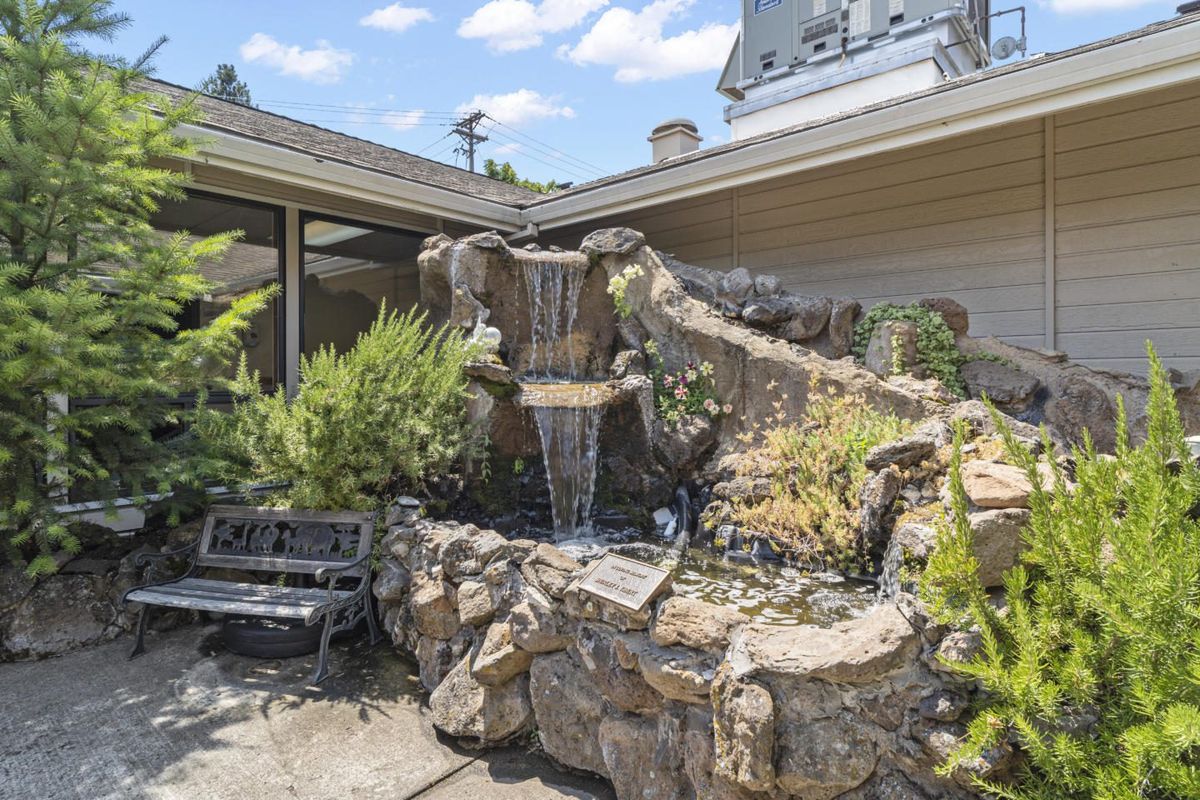
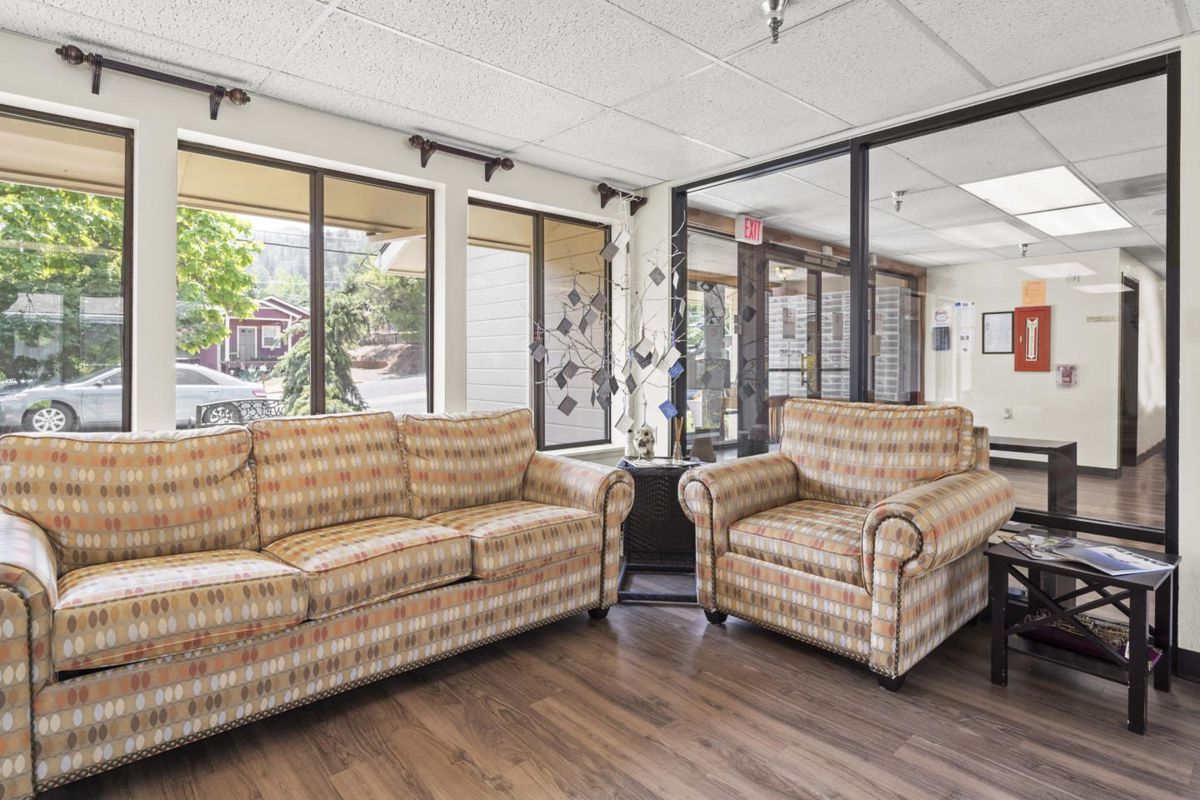
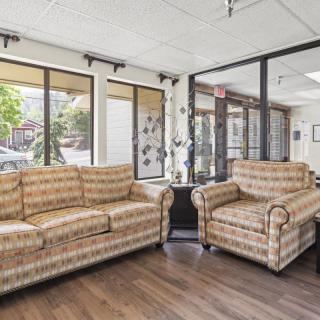
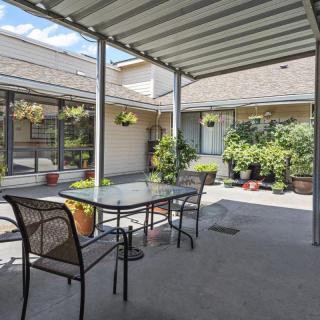
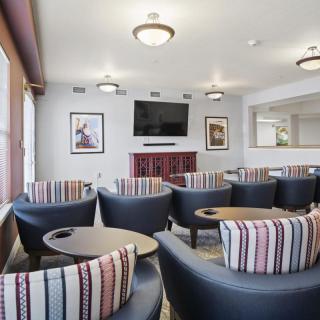
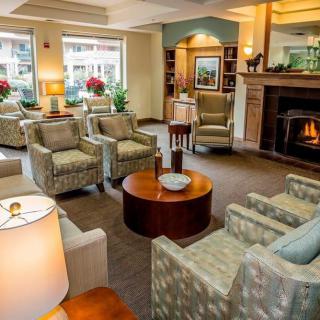
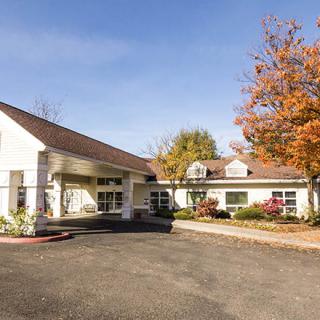
- The facility is nice, comfortable, and nicely kept despite its age.
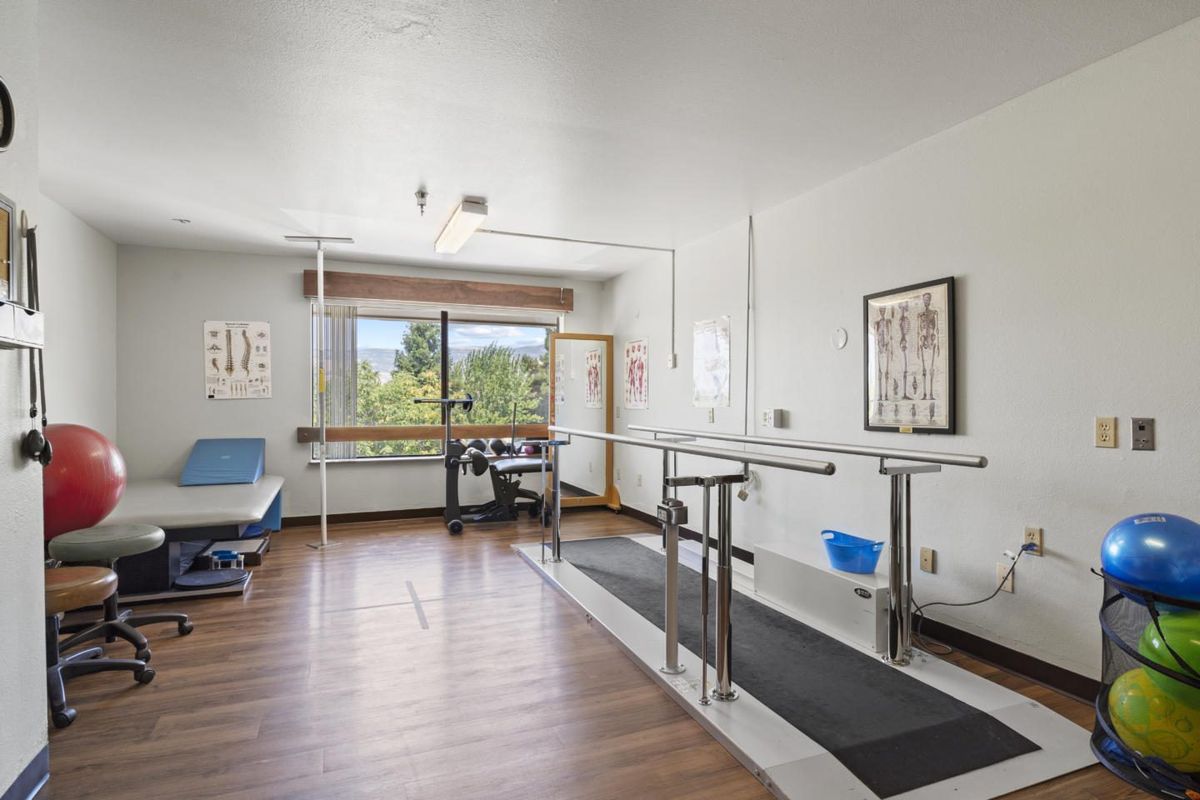
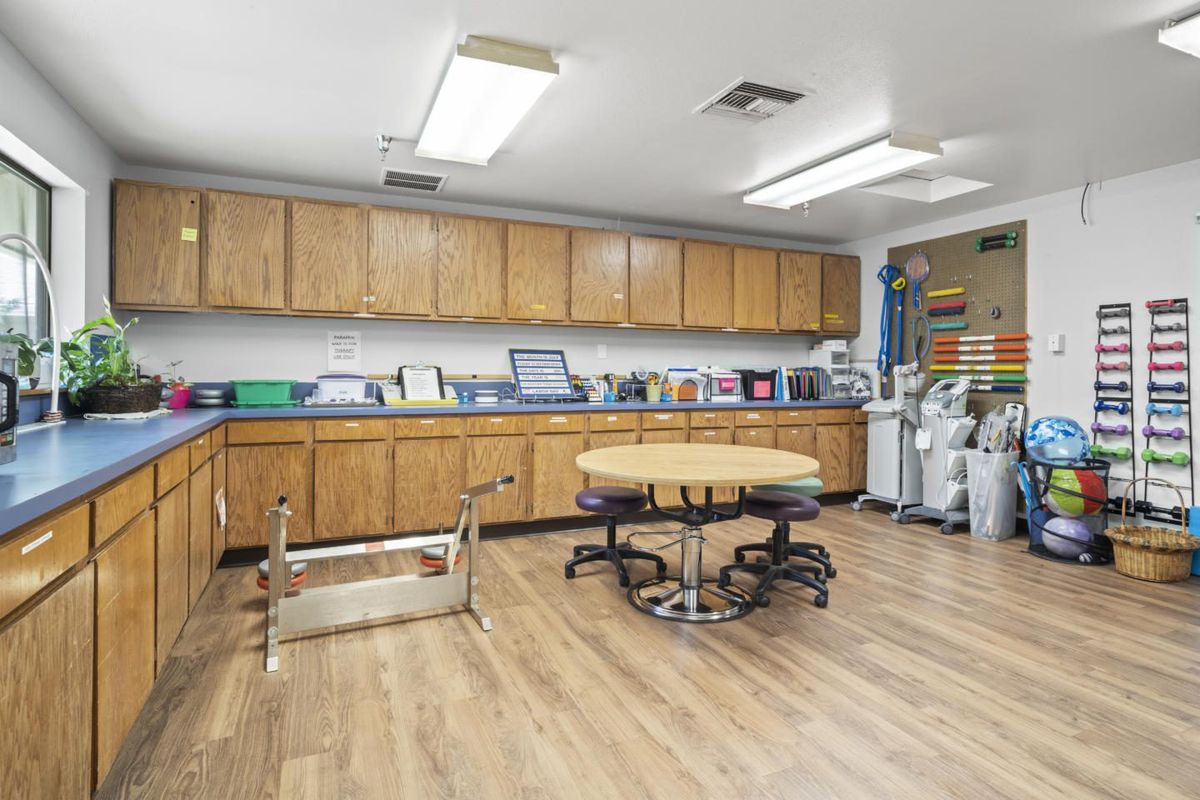
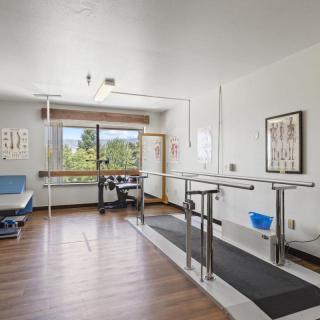
- They provide 24/7 nursing care along with physical therapy and occupational therapy.
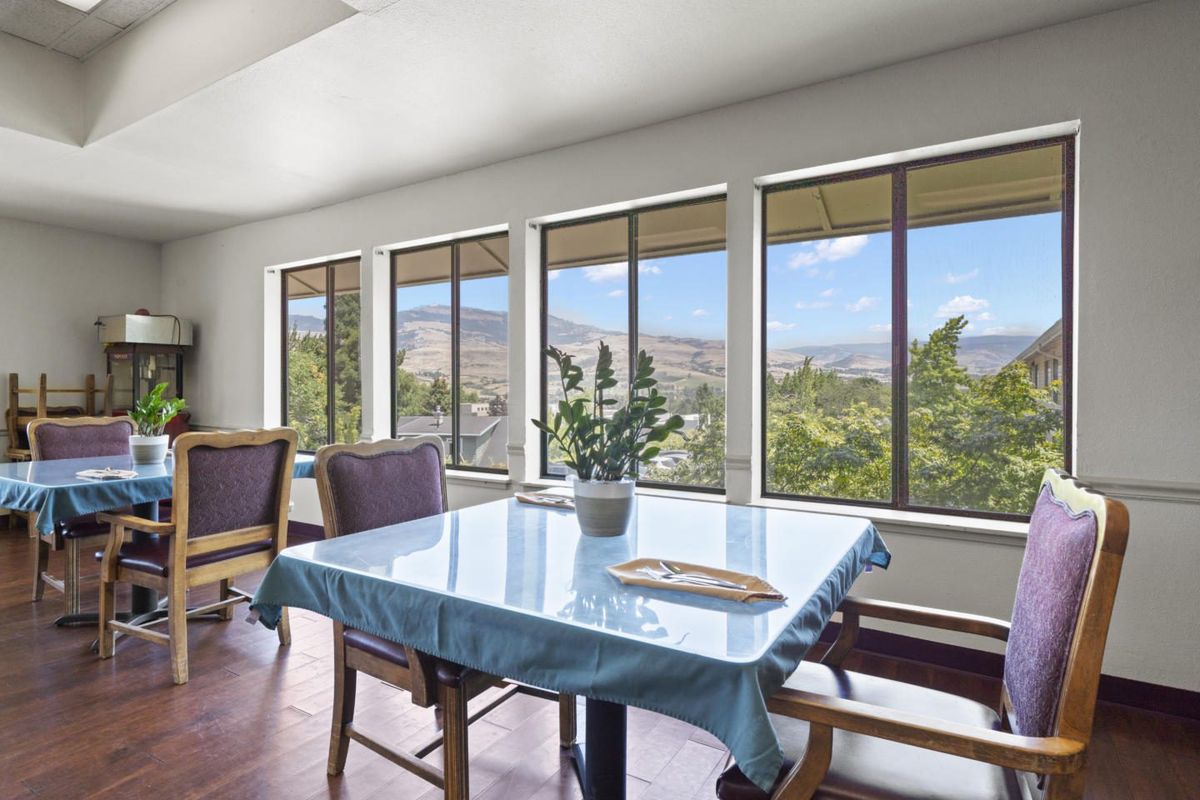
- The meals are served on time.
- The location is a big plus, convenient for transfers and for families to visit.
- The facility is clean.
- The staff are hardworking and caring.
- The physical therapists are well trained.
Cons
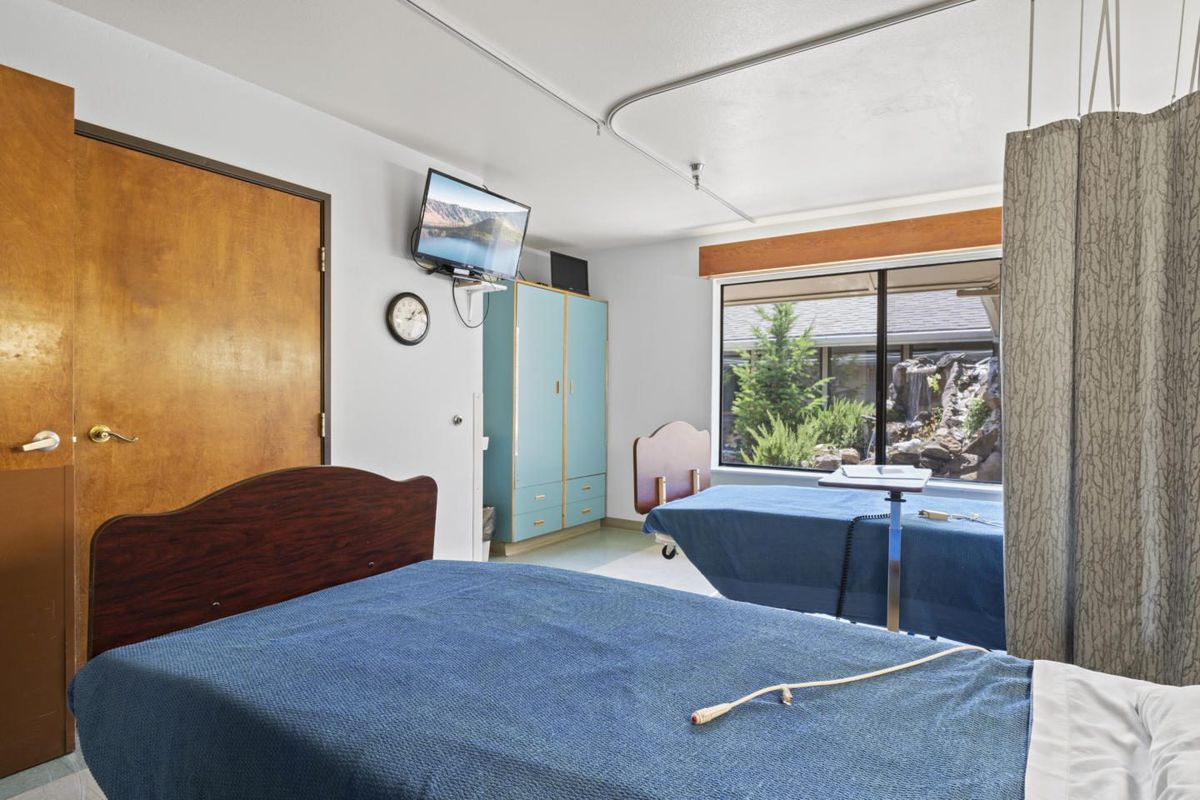
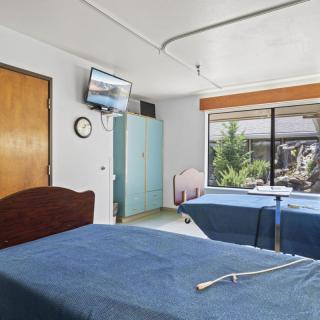
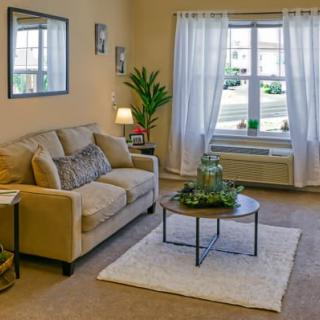
 The resident is basically alone in a two-bed room.
- They accept dementia patients but offer no specific dementia care.
- There are occasional smells of urine and cleaning agents.
- The facility is not large and the rooms are small, usually with two people per room.
- The staff are caring but overly busy, making it hard to find someone when needed.
- The food is terrible, with some residents refusing to eat and seeking food from outside.
- There is little in the way of activities for short-term stays.
- Discharge can be difficult to achieve in a timely manner.
Review
Linda Vista Nursing and Rehab Center in Ashland is best suited for families seeking a compact, hospital-adjacent skilled-nursing option with solid rehab services and reliable around-the-clock nursing oversight. It works well for residents requiring structured short-term rehabilitation after a medical event, surgery, or setback, and for families who value proximity to Ashland Community Hospital for transfers and easy visitation. The setting favors those who do not demand a high-end, resort-like environment but want a practical, hands-on care team that can coordinate therapy and daily nursing needs. For memory-care specialists or families seeking highly individualized dementia programming, this is not the first choice.
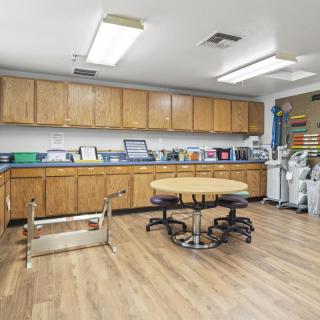
The facility’s core strengths are immediately practical. A knowledgeable, capable staff provides rehabilitation and nursing support, with full-time therapists on site and a 24/7 nursing presence. The location is a genuine asset, making transfers smoother and visits more convenient for local families. The building is small and comfortably kept, replacing style with function. Residents generally have access to the standard rehab suite, physical therapy and occupational therapy, while meals, served on a timely schedule, met basic expectations. These operational fundamentals translate into dependable daily rhythms that help keep recovery on track when distance or hospital coordination would otherwise complicate care.
On the flip side, the reality of day-to-day life at Linda Vista carries notable caveats. The environment is dated and not especially attractive, with rooms that tend toward two-bed configurations that feel cramped, limiting privacy. Occasional odors around the facility hint at cleanliness challenges, and although staff are described as caring and hardworking, they can be hard to reach when immediate assistance is needed. Administrators likewise come across as very busy and not always easy to contact, which can complicate coordination, especially for families navigating discharge planning or complex care needs. The overall vibe leans toward function over comfort, which matters for long-stay satisfaction.
A critical nuance concerns dementia care. Linda Vista accepts dementia patients but does not offer specialized memory-care programming. For a resident with significant cognitive needs requiring routine, dementia-specific activities, structured cueing, and a secure environment, this facility falls short. That limitation interacts with the room dynamics and activity offerings, creating a gap for families prioritizing cognitive-impairment management. Even though the staff are capable, the lack of targeted dementia services means more planning and potential transitions to alternative programs if memory-specific care becomes central to the resident’s plan.
The key pros do hold meaningful value that can offset several drawbacks, when expectations align. The proximity to a major hospital and the presence of a robust rehab team can shorten hospital-to-home timelines and support a steady recovery trajectory, which matters most to families focused on outcomes. The 24/7 nursing coverage reduces risk during overnight hours and on weekends, and the generally practical, well-maintained environment helps patients settle in quickly. However, the combination of small rooms, inconsistent dining experiences, and limited social programming means this is not the best match for residents who prize amenities, robust culinary options, or an active, engaged daily calendar. The discharge bottlenecks also demand deliberate planning and clear communication from families upfront.
In deciding whether Linda Vista is the right move, consider priorities with care. If the objective is a cost-effective, rehab-forward placement where hospital access simplifies transitions and therapy is well staffed, Linda Vista delivers solid value. If the resident requires dementia-focused programming, more expansive social activities, or a higher-end living environment, alternatives that offer memory-care specialization, larger private rooms, stronger dining experiences, and proactive discharge coordination are likely a better fit. Prospective families should verify room arrangements, assess current activity offerings, and request candid detail on discharge timelines and admin responsiveness before committing.
 87 resident community capacity
 Skilled Nursing Facility
 Air-conditioning
 Beauty salon
 Cable or satellite TV
 Computer center
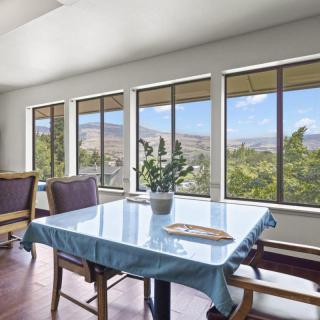
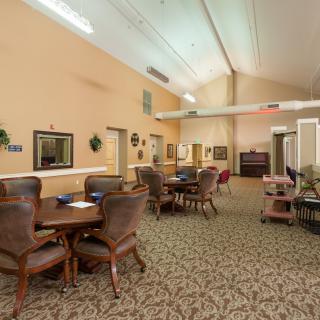
 Dining room
 Fitness room
 Fully furnished
 Gaming room
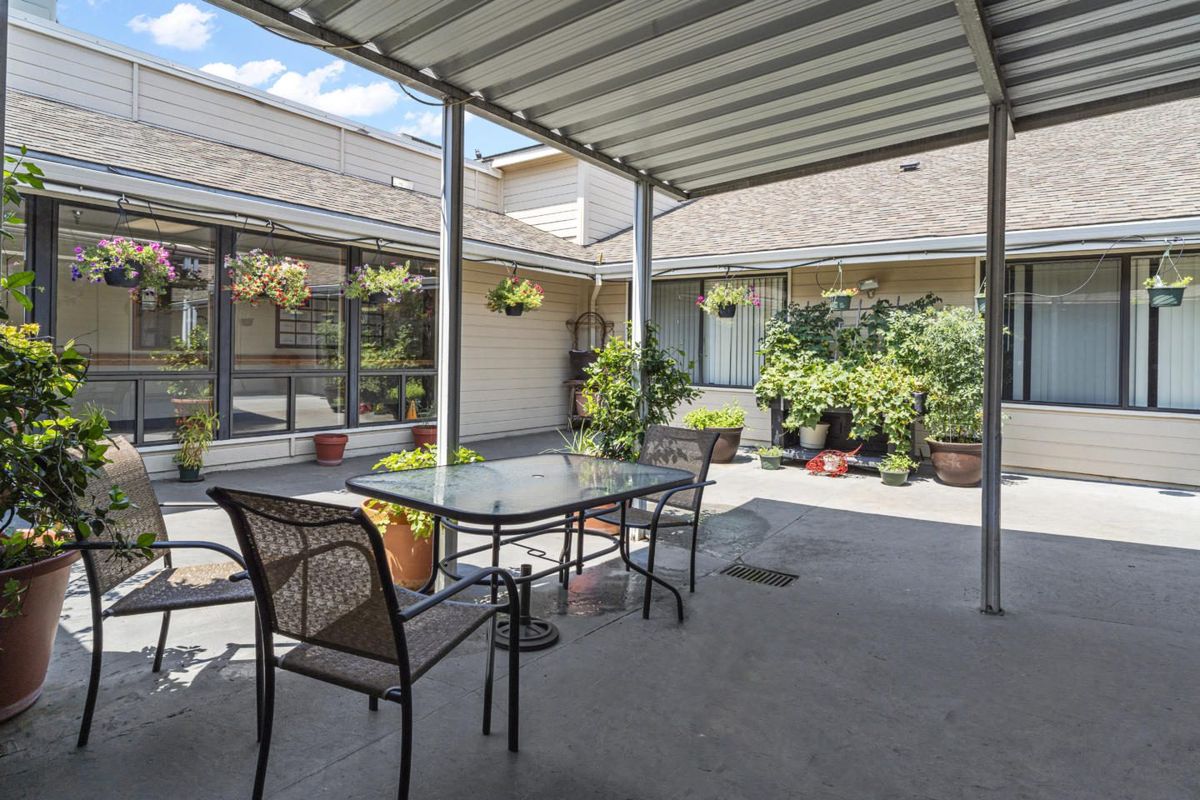
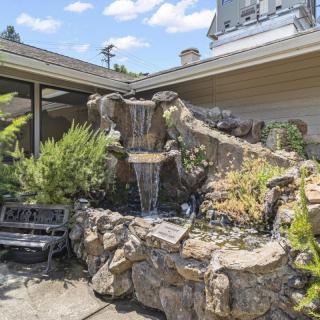
 Garden
 Housekeeping services
 Kitchenette
 Move-in coordination
 Outdoor space
 Private bathrooms
 Restaurant-style dining
 Small library
 Telephone
 Wellness center
 Wi-Fi/high-speed internet available
 Rogue Valley International (14 miles away)
 Community operated transportation
 12-16 hour nursing
 24-hour call system
 Activities of daily living assistance
 Assistance with bathing
 Assistance with dressing
 Assistance with transfers
 Diabetes diet
 Medication management
 Mental wellness program
 Special dietary restrictions
 Transportation arrangement (medical)
 Concierge services
 Planned day trips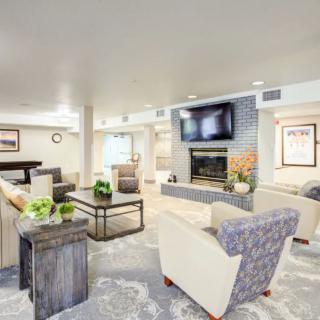


 A Comprehensive Exploration of Common Misunderstandings about Powers of Attorney
 Senior Move Management: Understanding the Role, Value, and Associated Costs
 Weight Training for Seniors: Building Strength and Vitality