Inverness Village

Save

  • Interior

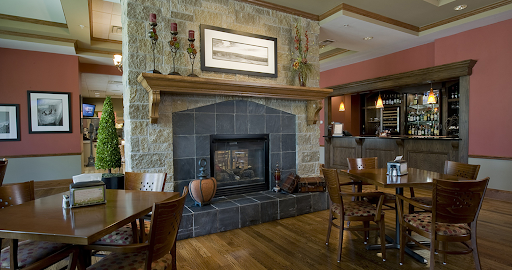
    A cozy dining space featuring a stone fireplace and wooden tables, perfect for enjoying meals in a warm ambiance.
  • Outdoors

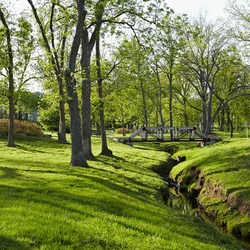
    A serene park landscape featuring lush green grass and trees alongside a gentle stream.
  • Building

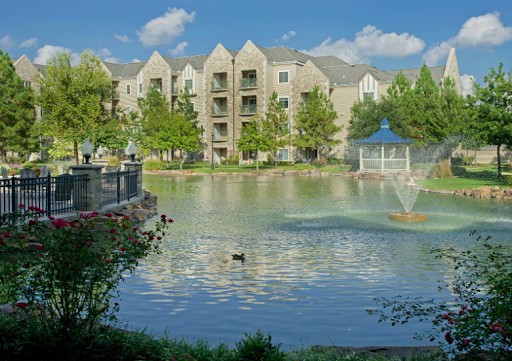
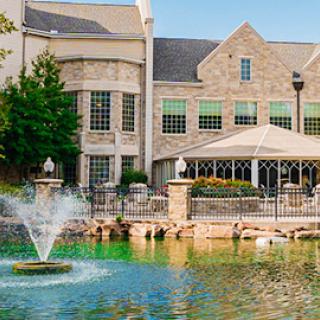
    A serene view of a building by the water featuring a beautiful fountain.
  • Architecture

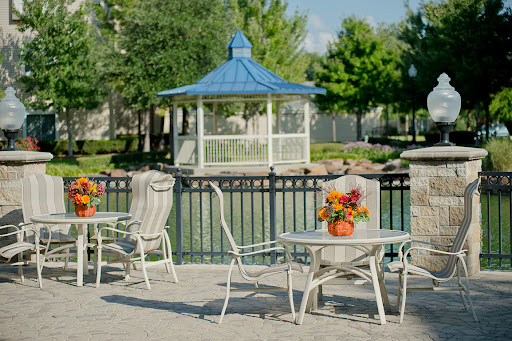
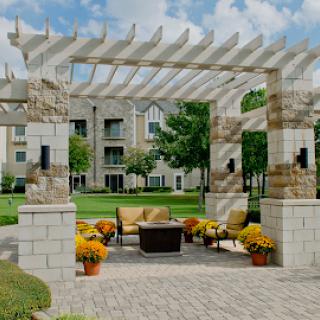
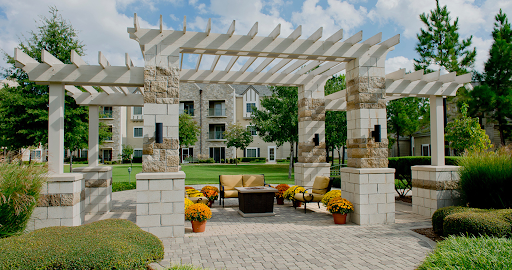
    A cozy outdoor seating area surrounded by greenery and vibrant flowers.
  • Dining

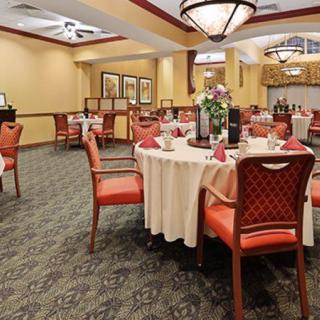
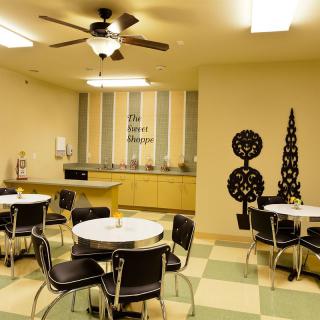
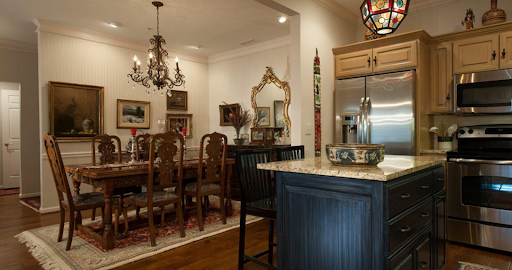
    A beautifully decorated dining room featuring elegant furniture and warm lighting.
  • Landscaping

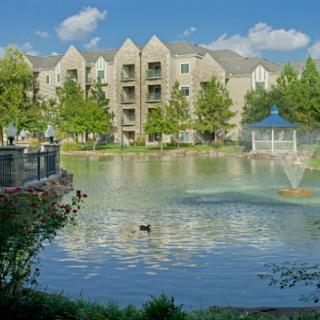
    A serene view of an apartment complex by a tranquil lake, featuring lush greenery and a fountain.
  • Fireplace

    A cozy library with wooden interiors, shelves filled with books, and a comfortable reading area.
  • Outdoor

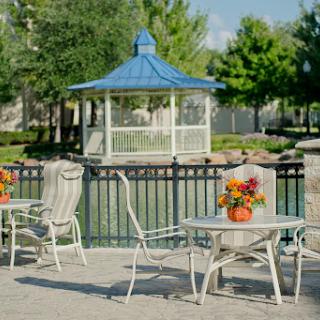
    A serene outdoor setting featuring a gazebo, decorated tables with flowers, and a tranquil lake view.
  • Single-story

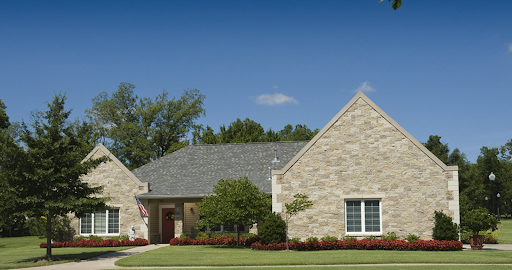
    A beautiful single-story house with a stone exterior, surrounded by lush landscaping under a clear blue sky.

Inverness Village

3800 West 71St Street South, Tulsa, OK 74132

For more information about senior living options: (844) 490-3973

4.3 from 86 reviews
5 stars
58
4 stars
11
3 stars
6
2 stars
4
1 stars
7

Continuing Care Retirement Community (CCRC) Independent Living Skilled Nursing Facility

Inverness Village Costs & Pricing

Inverness Village presents a competitive pricing structure within the broader context of Tulsa County and Oklahoma as a whole. For instance, the cost of a studio apartment at Inverness Village is $1,499 per month, which is significantly more affordable compared to the county average of $3,593 and the state average of $3,629. This substantial difference highlights Inverness Village's appeal as a value-oriented option for those seeking quality living in a desirable area. However, when it comes to two-bedroom accommodations, Inverness Village's rate of $4,623 stands slightly above the county's average of $4,169 and significantly higher than the statewide figure of $3,747. This variance suggests that while Inverness Village excels in studio offerings, potential residents should carefully consider their options for larger units relative to regional pricing trends. Overall, Inverness Village offers an attractive choice for individuals seeking affordability in studio living while inviting scrutiny regarding its two-bedroom rates compared to nearby alternatives.

Floor plansInverness VillageTulsa CountyOklahoma
Studio$1,499$3,593$3,629
2 Bedrooms$4,623$4,169$3,747

What level of care are you interested in?

Assisted Living

Memory Care

Independent Living

Skilled Nursing Facility

Continuing Care Retirement Community (CCRC)CCRC

Other


Request a tour at Inverness Village

    Overall Review of Inverness Village

    Pros

    • pro The staff are awesome and caring.
    • pro The environment is luxurious.
    • pro The doctor is nice and really listens.
    • pro The place is absolutely beautiful.
    • pro The staff are very friendly.
    • pro The residents are very nice.
    • pro The facilities are excellent and the staff are outstanding.
    • pro The therapists are encouraging and positive.
    • pro The condos are lovely.

    Cons

    • pro They felt the facility prolonged stays to maximize insurance reimbursement rather than the resident's best interests.
    • pro They released him in worse condition after the stay, with treatments delayed.
    • pro Administrators would not let him see his oncologist, delaying needed cancer care.
    • pro The care plan meeting was uninformative and felt intimidating, with staff just staring.
    • pro Pest problems, including bed bugs and roaches, were reported throughout the facility.
    • pro Staff or management were accused of dishonesty regarding benefits, with raises and health insurance promised but denied.
    • pro Down payments were nonrefundable after death, with excuses used to keep the funds.

    Review

    Inverness Village presents itself in many voices as a place of luxury and warmth, a senior living community that can feel like a high-end residence as much as a care facility. Numerous reviewers emphasize the positive atmosphere: "awesome caring staff and a luxury environment," "the staff are very friendly and the residents are very nice as well," and "this place is absolutely beautiful." People repeatedly note thoughtful touches: an on-site hair and nail shop for patients, a bird area and fountains inside the living spaces, a well-kept campus with flowers and well-maintained grounds, and a sense that residents are treated with dignity. Many describe the facility as a top-notch option for long-term living or rehabilitation, praising the facilities, the security, the friendliness of the community, and the apparent dedication of the staff. For some families, Inverness Village offers a safe, well-organized home with responsive caregivers and engaging activities, and they express gratitude for the care their loved ones received.

    Yet beneath the polished surface, a much more mixed picture emerges from the same pool of reviews. Several family members recount challenging medical experiences within the skilled nursing and rehabilitation pathways. One account centers on a family member who had a stroke and walked in with minimal assistance, only to become "really confused" days later. The reviewer questions the consistency and thoroughness of cognitive checks, noting that staff claimed checks were done twice daily but that their own observation suggested otherwise. The same story paints a troubling contrast: a facility that can feel like a comfortable environment one day and then a source of worry the next, where concerns about medical oversight and timely coordination with outside physicians - such as oncology appointments - are raised. The sense conveyed is that the staff sometimes function well in day-to-day interactions, while the more complex medical management can feel disjointed or delayed.

    A recurring theme is tension around the business side of care. Several reviews describe a perception that insurance considerations drive decisions more than family preferences or clinical needs. One reviewer described a "care plan meeting" where around ten people sat around a table waiting for questions, not offering information, and where release timing seemed driven by insurance coverage rather than the family's wishes or the patient's best interests. The impression stated in that account is that the administration may treat the patient as a "cash cow" to maximize insurance paydays, and that family input was not actively solicited. In parallel with these concerns, there are claims about cost structures and down payments - one person warned that the down payment is "ridiculous" and nonrefundable after a loved one's death, with excuses offered about occupancy or other administrative reasons. Such narratives highlight a fear that financial policy and rehabilitation timelines can overshadow compassionate, individualized care.

    Other reviews focus on serious, concrete complaints about management practices and workplace culture. There are harsh critiques of administration and human resources, described as "horrible," with allegations that the company is deeply in debt and repeatedly raises the cost of living. Allegations of pest problems - bed bugs and roaches across multiple areas of the campus - are paired with claims that staff morale and retention suffer because promised raises and benefits do not materialize for new hires. In one sharply negative voice, tensions between management and employees are linked to broader concerns about how residents are treated, suggesting a cycle where staff facing demands and compensation issues may impact the quality of care. While other reviews sing the praises of the care staff and therapists, these accounts present Inverness Village as a place where financial and administrative issues cast a shadow over otherwise positive everyday experiences.

    On the balance, the property is repeatedly described as beautiful and well-appointed, with praise directed at the physical environment, security, and many of the frontline caregivers. Reviewers rejoice in the aesthetic and practical amenities - lovely condo options, a "fanciest retirement village" vibe, gracious public areas, and accessible services that include therapy teams and a responsive nursing staff in many instances. There are heartfelt testimonials from families who found relief and improvement through the rehab services, with therapists who are "encouraging and positive," and staff who are "very kind" and attentive. A number of accounts also emphasize not-for-profit status, with one reviewer suggesting their experience shows the community operated with genuine care for residents rather than profit as the sole motive. For some, Inverness Village is a place where their loved ones can thrive, receive dignified care, and enjoy a high-quality living environment.

    At the same time, a sizable portion of the narratives express caution and concern. Multiple reviewers warn prospective residents and families to weigh the costs and to carefully evaluate the care plan process, medical oversight, and administrative policies before deciding. There are mentions of costly down payments, skepticism about how finances influence treatment durations, and warnings about potential delays in coordinating essential medical appointments. Some comments specifically call out the experience for loved ones in rehab or skilled nursing as mixed to negative, highlighting instances where quality of care appeared inconsistent, or where critical medical decisions seemed to hinge on administrative considerations rather than patient welfare. While the community is frequently described as beautiful and staffed by caring people, these warnings suggest that the overall experience can vary widely from one resident to the next, and from one staff team to another.

    Inverness Village, by multiple testimonies, remains a place of strong contrasts: luxury and warmth on one hand, and complex, sometimes troubling administrative and medical dynamics on the other. Families voice gratitude for the beauty, the attentive frontline staff, and the positive rehabilitation experiences, while also raising red flags about management, financial practices, and the consistency of medical oversight. For anyone considering this community, the collected voices urge careful, on-site assessment - to experience the atmosphere and amenities that many praise, but also to probe the care planning process, understand the financial commitments, and meet the care teams who would be responsible for their loved one's day-to-day welfare. The picture that emerges is not one-note, but a mosaic of high-quality elements and significant caveats, dependent on individual experiences, staff teams, and the specific care trajectory of each resident.

    Features

    Housing

    • 44 resident community capacity 44 resident community capacity

    Types of Care

    • Continuing Care Retirement Community (CCRC) Continuing Care Retirement Community (CCRC)Continuing Care Retirement Communities (CCRCs) are important for seniors because they provide a range of housing options and care services all in one location. This allows seniors to age in place and receive the level of care they need as their health changes, without having to move to a new facility. CCRCs provide a sense of security and peace of mind for seniors and their families, knowing that they will be taken care of no matter what the future holds.
    • Independent Living Independent LivingIndependent living communities are important for seniors because they offer a safe and supportive environment where older adults can live independently while still having access to amenities and services that enhance their quality of life. These communities provide social opportunities, recreational activities, and assistance with daily tasks, promoting overall well-being and allowing seniors to maintain their independence for as long as possible.
    • Skilled Nursing Facility Skilled Nursing FacilitySkilled Nursing Facilities are crucial for seniors as they provide round-the-clock medical care, rehabilitation services, and assistance with daily activities. These facilities ensure that seniors receive the specialized care they need to maintain their health and well-being as they age.

    Pets

    • Cats allowed Cats allowed"Pet friendly" senior living communities are important for seniors because pets provide companionship, reduce feelings of loneliness and depression, promote physical activity and mental stimulation, and offer a sense of purpose and responsibility. Pets can improve overall well-being and quality of life for seniors in many ways.
    • Dogs allowed Dogs allowed"Pet friendly" senior living communities are important for seniors because pets provide companionship, reduce feelings of loneliness and depression, promote physical activity and mental stimulation, and offer a sense of purpose and responsibility. Pets can improve overall well-being and quality of life for seniors in many ways.

    Amenities

    • Activities off-site Activities off-siteEngaging in off-site activities is crucial for seniors to maintain social connections, stay active, and stimulate their minds. It promotes overall well-being and helps combat feelings of isolation and loneliness.
    • Activities on-site Activities on-siteActivities on-site are important for seniors because they provide opportunities for socialization, mental stimulation, physical activity, and overall well-being. Engaging in activities can help seniors stay active, maintain their independence, and improve their quality of life.
    • Bath tubs Bath tubsBath tubs are important for seniors because they provide a safe and relaxing way to bathe, helping to prevent slips and falls while promoting independence and overall well-being.
    • Beautician on-site Beautician on-siteHaving a beautician on-site at a senior living community is important for seniors as it allows them to easily access grooming and personal care services, boosting their self-esteem and overall well-being. It also provides convenience and helps seniors maintain their sense of independence and personal style.
    • Beauty salon Beauty salonBeauty salons are important for seniors because they provide a space for them to feel pampered, socialize, and maintain their personal grooming and hygiene. Regular visits to a beauty salon can help boost seniors' self-esteem and overall well-being.
    • Cable or satellite TV Cable or satellite TVCable or satellite TV is important for seniors because it provides entertainment, news, and companionship, helping to combat loneliness and boredom. It also offers a wide range of programming options tailored to different interests and preferences.
    • Devotional services off-site Devotional services off-siteDevotional services off-site are important for seniors as they provide spiritual nourishment, social engagement, and a sense of community outside of the senior living facility. This can enhance overall well-being and help combat feelings of isolation and loneliness often experienced by older adults.
    • Devotional services on-site Devotional services on-siteDevotional services on-site provide seniors with spiritual support and a sense of community, as well as an opportunity for reflection and guidance during their senior living experience. This can promote emotional well-being and connection to others, leading to a more fulfilling and enriching lifestyle in their later years.
    • Dining room Dining roomDining rooms are important for seniors as they provide a space for socialization, connection, and nutritious meals. They offer opportunities for residents to bond over shared meals, foster a sense of community, and promote healthy eating habits. Dining rooms also ensure that seniors have access to well-balanced meals tailored to their dietary needs and preferences.
    • Fully furnished Fully furnishedFully furnished senior living communities are important for seniors because they provide convenience, comfort, and a hassle-free moving experience. Seniors can easily settle into their new living space without the stress of having to buy and move furniture. This allows them to focus on enjoying their new home and community.
    • Garden GardenGardens are important for seniors as they provide a peaceful and therapeutic environment for relaxation, physical activity, and socialization. Being in nature has been shown to reduce stress, improve mood, and promote overall well-being. Gardens also offer opportunities for seniors to engage in gardening activities, which can improve mobility, flexibility, and cognitive function. Additionally, gardens create a sense of community and connection with others who share a passion for plants and outdoor spaces.
    • Housekeeping services Housekeeping servicesHousekeeping services are important for seniors because they help maintain a clean and safe living environment, promote independence, and reduce the risk of accidents or illnesses. Additionally, having assistance with household chores can alleviate physical strain and allow seniors to focus on other aspects of their well-being.
    • Indoor common areas Indoor common areasIndoor common areas are crucial for seniors as they provide a space for socialization, recreation, and community engagement, promoting overall well-being and reducing feelings of isolation and loneliness.
    • Kitchenette KitchenetteKitchenettes are important for seniors living in senior living communities because they provide the convenience and independence of being able to prepare simple meals and snacks in the comfort of their own living space. This can help promote a sense of autonomy and well-being for seniors, allowing them to maintain some level of control over their dietary choices and daily routines.
    • Move-in coordination Move-in coordinationMove-in coordination is important for seniors because it helps ease the transition into their new living environment. It ensures that all logistics, such as packing, organizing movers, and setting up utilities are taken care of, allowing seniors to focus on settling in and adjusting to their new home. Having a smooth move-in process can alleviate stress and anxiety, making the transition smoother and more enjoyable for seniors.
    • Outdoor common areas Outdoor common areasOutdoor common areas are important for seniors as they provide a space for socialization, physical activity, and relaxation. Being outside in nature can improve mood and overall well-being, while also encouraging movement and engagement with others. These spaces can help combat feelings of isolation and promote a sense of community among residents.
    • Outdoor space Outdoor spaceOutdoor spaces are important for seniors as they provide opportunities for physical activity, social interaction, exposure to natural light and fresh air, and a sense of connection to nature. Having access to outdoor spaces can improve overall well-being and quality of life for older adults living in senior communities.
    • Restaurant-style dining Restaurant-style diningRestaurant-style dining is important for seniors because it allows them to enjoy delicious, nutritious meals in a social and upscale setting. This enhances their dining experience, promotes healthy eating habits, and fosters socialization with fellow residents, ultimately contributing to their overall well-being and quality of life.
    • Small library Small librarySmall libraries are important for seniors as they provide access to a variety of reading materials, including books, newspapers, and magazines. This can help stimulate their minds, keep them engaged, and provide a sense of community through book clubs and other social activities. Additionally, reading has been shown to improve cognitive function and overall mental well-being in older adults.
    • Swimming pool / hot tub Swimming pool / hot tubSwimming pools and hot tubs are important for seniors as they provide a safe and enjoyable way to stay active, improve mobility, reduce joint pain, and promote relaxation. Regular use of these amenities can contribute to overall well-being and quality of life for older adults living in senior communities.
    • Telephone TelephoneTelephones are important for seniors as they provide a lifeline for communication with loved ones, emergency services, and healthcare providers. They offer a sense of security and independence, enabling seniors to stay connected and access assistance when needed.
    • Wheelchair accessible showers Wheelchair accessible showersWheelchair accessible showers are crucial for seniors as they provide a safe and independent bathing option for those with mobility challenges. These showers help prevent falls and allow seniors to maintain their dignity and autonomy while ensuring they can bathe comfortably.
    • Wi-Fi/high-speed internet available Wi-Fi/high-speed internet availableWi-Fi/high-speed internet is important for seniors to stay connected with loved ones, access online resources, and participate in virtual activities to combat feelings of loneliness and isolation. It also allows them to easily manage healthcare needs, access entertainment, and engage in lifelong learning opportunities.

    Transportation

    • Tulsa International (13 miles away) Tulsa International (13 miles away)

    Care Services

    • 24-hour call system 24-hour call system24-hour call systems are important for seniors because they provide peace of mind and immediate assistance in case of emergencies. This technology ensures that help is always available, promoting safety and security for elderly individuals living alone or in assisted living facilities.
    • 24-hour supervision 24-hour supervision24-hour supervision is important for seniors to ensure their safety, well-being, and access to immediate assistance in case of emergencies or health issues. This constant support provides peace of mind for both seniors and their loved ones, allowing them to age in place with dignity and security.
    • Activities of daily living assistance Activities of daily living assistanceActivities of daily living assistance are important for seniors because they provide essential support with tasks such as eating, bathing, dressing, and mobility. This assistance helps seniors maintain their independence, dignity, and overall quality of life as they age.
    • Assistance with bathing Assistance with bathingAssistance with bathing is crucial for seniors as it helps maintain personal hygiene, prevents infections, and ensures their overall well-being and comfort. It also provides a sense of dignity and independence for seniors who may struggle with this task on their own.
    • Assistance with dressing Assistance with dressingAssistance with dressing is important for seniors because it helps maintain their independence, promotes personal hygiene, prevents accidents and injuries, and improves overall quality of life. This service ensures that seniors can continue to dress comfortably and confidently, despite any physical limitations they may have.
    • Assistance with transfers Assistance with transfersAssistance with transfers is crucial for seniors as it helps prevent falls and injuries, maintains their independence, and ensures they can safely navigate their living environment. It also provides peace of mind for both seniors and their loved ones.
    • Diabetes diet Diabetes dietA diabetes diet is crucial for seniors as it helps manage blood sugar levels, reduce risks of complications, and improve overall health and well-being. By following a balanced and nutritious diet tailored to their specific needs, seniors can better control their diabetes and enhance their quality of life.
    • Diabetic care Diabetic careDiabetic care is crucial for seniors as they are more susceptible to developing diabetes due to aging and other health conditions. Proper management of diabetes can help prevent complications such as heart disease, vision loss, and nerve damage, improving the overall quality of life for seniors in senior living communities.
    • High acuity care High acuity careHigh acuity care is important for seniors because it provides specialized medical attention and support for individuals with complex medical needs. This level of care ensures that seniors receive the appropriate treatment and assistance to maintain their health and quality of life as they age.
    • Incontinence care Incontinence careIncontinence care is essential for seniors to maintain their dignity, hygiene, and overall quality of life. By addressing incontinence issues promptly and effectively, seniors can enjoy a sense of independence and comfort in their daily activities.
    • Meal preparation and service Meal preparation and serviceMeal preparation and service are crucial for seniors as they may have limited mobility or energy to cook nutritious meals. Having access to healthy and convenient food options can ensure they are getting the proper nutrition needed to maintain their overall health and well-being.
    • Medication management Medication managementMedication management is crucial for seniors to ensure they are taking the right medications at the correct dosages and times. This helps prevent adverse drug interactions, reduces the risk of medication errors, and promotes overall health and well-being. Proactive management also allows for adjustments as needed based on changing health conditions or new prescriptions.
    • Mental wellness program Mental wellness programMental wellness programs are essential for seniors as they promote cognitive stimulation, emotional support, and social engagement. These programs help prevent isolation, depression, and cognitive decline, ultimately enhancing the overall quality of life for older adults.
    • Special dietary restrictions Special dietary restrictionsSpecial dietary restrictions are important for seniors because age-related changes in metabolism and health conditions can make it difficult for their bodies to process certain foods. By following a diet tailored to their specific needs, seniors can maintain their overall health and well-being, manage chronic conditions, and reduce the risk of complications such as malnutrition or food interactions with medications.
    Dining

    • Diabetes diet Diabetes dietA diabetes diet is crucial for seniors as it helps manage blood sugar levels, reduce risks of complications, and improve overall health and well-being. By following a balanced and nutritious diet tailored to their specific needs, seniors can better control their diabetes and enhance their quality of life.
    • Meals provided Meals provided"Meals provided" are crucial for seniors in assisted living communities as it ensures they have access to nutritious, balanced meals without the stress of meal planning and preparation. This can help promote overall health and well-being for seniors who may have limited mobility or cognitive abilities.
    • Special dietary restrictions Special dietary restrictionsSpecial dietary restrictions are important for seniors because age-related changes in metabolism and health conditions can make it difficult for their bodies to process certain foods. By following a diet tailored to their specific needs, seniors can maintain their overall health and well-being, manage chronic conditions, and reduce the risk of complications such as malnutrition or food interactions with medications.
    • Vegetarian VegetarianA vegetarian diet is important for seniors because it can help lower the risk of chronic diseases, maintain a healthy weight, and provide essential nutrients needed for aging bodies. Additionally, plant-based diets are often easier on digestive systems and can contribute to overall well-being in older adults.

    Activities

    • Activities off-site Activities off-siteEngaging in off-site activities is crucial for seniors to maintain social connections, stay active, and stimulate their minds. It promotes overall well-being and helps combat feelings of isolation and loneliness.
    • Activities on-site Activities on-siteActivities on-site are important for seniors because they provide opportunities for socialization, mental stimulation, physical activity, and overall well-being. Engaging in activities can help seniors stay active, maintain their independence, and improve their quality of life.
    • Community-sponsored activities Community-sponsored activitiesCommunity-sponsored activities are important for seniors as they provide opportunities for social interaction, mental stimulation, and physical activity. These activities can help improve overall well-being, combat loneliness and isolation, and promote a sense of belonging and purpose among older adults.
    • Devotional activities offsite Devotional activities offsiteDevotional activities offsite are important for seniors because they provide social engagement, spiritual growth, and a sense of community outside of their living environment. This can improve overall well-being, mental health, and combat feelings of isolation or loneliness.
    • Devotional activities on-site Devotional activities on-siteDevotional activities on-site provide seniors with a sense of community, spiritual fulfillment, and emotional support, promoting overall well-being and a positive sense of purpose in their lives.
    • Resident-run activities Resident-run activitiesResident-run activities are important for seniors as they encourage social interaction, creativity, and a sense of autonomy. These activities empower seniors to stay engaged and active in their community while fostering meaningful connections with their peers.
    • Scheduled daily activities Scheduled daily activitiesScheduled daily activities are important for seniors because they provide structure, socialization, mental stimulation, and physical activity. Engaging in regular activities can improve overall well-being and quality of life for seniors living in a community setting.

    Description

    Inverness Village in Tulsa, OK is an assisted living community that offers a range of care services to meet the varying needs of its residents. With both Independent Living and Skilled Nursing Facility options available, individuals can choose the level of care that suits them best.

    The community boasts a variety of amenities to enhance the lives of its residents. There are numerous activities available on-site, ensuring there is always something for everyone to enjoy. Residents can relax and unwind in the comfort of their own fully furnished apartment or take advantage of the beautiful outdoor space and garden areas. For those looking to socialize with fellow residents, there is a dining room where delicious meals are served restaurant-style.

    In terms of care services, Inverness Village provides 24-hour supervision and assistance with activities of daily living such as bathing, dressing, and transfers. The dedicated staff also offer specialized care for individuals with diabetes or high acuity needs, as well as provide support for those requiring incontinence management. Medication management is also provided to ensure the health and wellbeing of all residents.

    The dining experience at Inverness Village is exceptional, with meals provided that cater to specific dietary restrictions, including vegetarian options. The community understands the importance of maintaining mental wellness and offers a comprehensive mental wellness program for all residents.

    Engaging in activities is an important part of life at Inverness Village. There are various activities available both on-site and off-site, including devotional activities, resident-run activities, and scheduled daily activities. This allows residents to stay active and engaged in a supportive community environment.

    Located conveniently near cafes, parks, pharmacies, physicians' offices, restaurants, transportation options, places of worship, and theaters within close proximity ensures that residents have access to necessary amenities and services.

    Overall, Inverness Village in Tulsa offers a welcoming environment filled with amenities and care services designed to enhance the lives of its residents while promoting independence and overall wellbeing.

    Virtual Tour

    Nearby Places of Interest

    Restaurants

    • Whataburger (1.8 miles)
    • Chick-Fil-A (1.9 miles)
    • Los Mariachis Mexican Restaurant (4.1 miles)
    • McDonald's (4.1 miles)
    • River Spirit Casino (4.3 miles)
    • Margaritaville Tulsa (4.3 miles)
    • George's Pub (4.5 miles)

    Cafes

    • Starbucks (2 miles)
    • Starbucks (6.4 miles)
    • Dutch Bros Coffee (6.7 miles)
    • Coffee House (6.8 miles)

    Theaters

    • AMC CLASSIC Tulsa Hills 12 (2.1 miles)

    Places of Worship

    • Tulsa Hills Church Of The Nazarene (2.2 miles)
    • Brookside Baptist Church (5 miles)
    • Church That Matters (5.6 miles)
    • Sand Springs Congregations of Jehova's Witnesses (5.9 miles)
    • Christ United Methodist Church (6.6 miles)
    • Boston Avenue United Methodist Church (6.6 miles)
    • First Baptist Church of Tulsa (7.1 miles)

    Physicians

    • Center For Orthopaedic Reconstruction & Excellence (2.7 miles)
    • Beatty John Saint John Clinic Family Medical Care Tulsa (3.6 miles)
    • Osteo Strong (4.6 miles)
    • Utica Park Clinic - Jenks (4.8 miles)
    • OSU Health Care Center (5.2 miles)
    • Utica Park Clinic (5.2 miles)
    • Eddy, William, Do - Osu College Of Osteopathic Med (5.9 miles)

    Pharmacies

    • Warehouse Market (2.7 miles)
    • Drug Warehouse (4.1 miles)
    • Walgreens (4.1 miles)
    • Walgreens (4.2 miles)
    • CVS Pharmacy (4.4 miles)
    • Walmart Pharmacy (4.4 miles)
    • CVS Pharmacy (4.5 miles)

    Transportation

    • Christiansen Aviation (2.9 miles)
    • Richard Lloyd Jones Jr Airport (RVS) (3 miles)
    • U-Haul Neighborhood Dealer (5.7 miles)

    Parks

    • Riverparks (4.8 miles)
    • River Parks 96th and Riverside (5.3 miles)
    • Gathering Place (5.5 miles)

    Hospitals

    • Health Design (6.5 miles)
    • Oklahoma State University Medical Center (6.5 miles)
    • St John Medical Center (6.5 miles)
    • Hillcrest Medical Center Same Day Surgery (7.2 miles)
    • Hillcrest Medical Center (7.2 miles)

    Frequently Asked Questions

    How much does it cost to live at Inverness Village in Tulsa, OK?
    Where is Inverness Village?
    Does Inverness Village allow residents to have pets?
    What photos are available for Inverness Village in Tulsa, Oklahoma?

    Nearby Communities

    Skilled Nursing Facility in Nearby Cities

    Related Resources

    • geriatric care managerIs a Geriatric Care Manager the Right Choice for Your Family?

      Geriatric care managers create personalized care plans for older adults, addressing their medical, social, financial, and psychological needs while coordinating services and advocating for their well-being. They help families navigate caregiving challenges but may be hindered by high costs and a shortage of qualified professionals.

    • what to say to someone who is grievingCompassionate Conversations: How to Comfort Someone Who Is Grieving

      The article highlights the importance of empathy and open communication when comforting someone who is grieving, noting that grief is unique to each individual and emphasizing the need for sincere expressions of condolence, active listening, and ongoing support. It also addresses cultural differences in mourning practices and encourages tailored approaches to provide effective comfort.

    • home care aideHome Health Care Aides: Understanding Their Role and Supporting Your Family
      Home health care aides provide vital medical and non-medical support to individuals at home, assisting with daily living activities and promoting emotional well-being, while the demand for these services increases due to an aging population. Families benefit from in-home care's flexibility and cost-effectiveness but face challenges like scheduling consistency and caregiver turnover.


    Get Pricing Ask A Question Schedule A Tour Contact Senior Advisor