Purcell Care Center

Save

Purcell Care Center

801 North 6Th Street, Purcell, OK 73080

For more information about senior living options: (844) 490-3973

2.7 from 13 reviews
5 stars
4
4 stars
1
3 stars
1
2 stars
1
1 stars
6

Skilled Nursing Facility

Overall Review of Purcell Care Center

Pros

  • pro The staff are described as the sweetest nurses who truly care about his health and happiness.
  • pro They go out of their way to ensure he is happy and well taken care of.
  • pro They keep the family informed of how he is doing or of any changes and concerns.
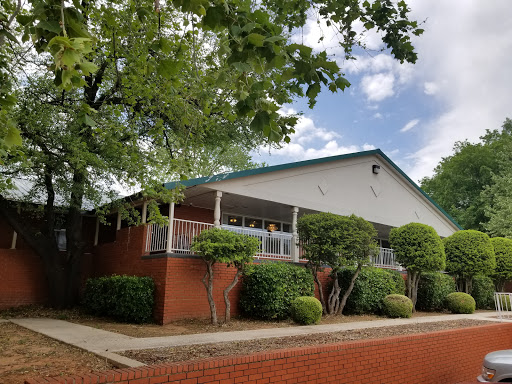
  • pro The facility is clean, well-maintained, and has a pleasant smell.
  • pro It is highly recommended for a loved one needing long-term care.
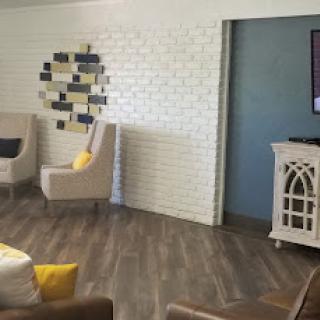
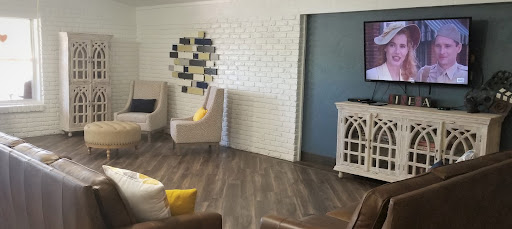
  • pro The environment is comfortable with many common areas and friendly staff, fostering social interaction.

Cons

  • pro The facility neglects residents and fails to perform basic care tasks.
  • pro Residents are left asleep in hallways and call lights go unanswered for long periods.
  • pro Medications are administered too closely together, and families are not notified when changes occur.
  • pro Family members without power of attorney have their questions ignored.
  • pro A family member was sent to the psychiatric ward and explanations were withheld due to lack of power of attorney.
  • pro Residents reportedly receive no therapy, no purwick, are made to wear diapers, take hours to be cleaned, and the food is horrible.
  • pro The place is described as neglected and as a hell hole that does not communicate with families.
  • pro There are calls for Purcell Care Center to be shut down immediately.
  • pro Specific incidents include nurses pressuring a grown man to nap, a nurse cussing at a patient, a dirty bandage on a wound dragging on the floor, and a patient losing significant weight, with the facility described as pathetic.

Review

The tapestry of experiences at Purcell Care Center is a striking mix of warmth and concern, hope and alarm. Across the reviews, families describe a facility that can feel like a haven of compassionate care for some residents, while for others it has become a source of distress and frustration. The messages converge on one potent theme: the quality of care at this center appears highly variable, with both moments of genuine kindness and episodes that families say fall far short of acceptable standards. For anyone evaluating this center, the landscape of voices suggests a need for careful, firsthand assessment rather than relying on anecdotes alone.

Several reviewers frame Purcell Care Center in a deeply positive light, highlighting the staff as a standout feature. One family, after transferring a grandfather from another facility, praises "the sweetest nurses" who truly care about his health and happiness. They report regular updates and a sense of peace that comes from knowing a loved one is in good hands with people who genuinely care. Cleanliness and a pleasant atmosphere are repeatedly mentioned, with a reviewer noting that the place is consistently clean and smells nice, contributing to a feeling of well-being during visits. The sentiment in these accounts is one of gratitude for attentive, communicative care that goes beyond basic duties, with several individuals expressing strong recommendations for Purcell Care Center for long-term stays.

Beyond individual praise, there are broader testimonies to the center's supportive environment. A family member describes the facility as a place where care feels consistent and personal, noting that their relative was able to form meaningful connections with staff and other residents, which helped with morale during therapy and recovery periods. One reviewer mentions a lengthy stay that included therapy for a foot injury and subsequent care after an aneurysm, concluding with a clear endorsement of the center. Another account emphasizes that the person with a loved one there has made "lots of friends" and found a reliable network of nurses, underscoring the social and emotional dimensions of the care experience. Overall, these perspectives sketch a picture of Purcell as a place where good nursing relationships and a positive daily rhythm can make a substantial difference in a resident's quality of life.

However, the shared experiences are not uniformly favorable. A number of reviewers present a starkly different image, accusing the facility of neglect, poor communication, and unsafe or unresponsive practices. Common threads in these critiques include forgotten or delayed medications, call lights that go unanswered for long periods, and a lack of timely notification to families about changes in a loved one's condition. Some accounts allege that residents with cognitive or physical needs are left unsupervised in hallways, which raises serious safety concerns. There are reports of power dynamics that make it difficult for families - especially those without durable power of attorney - to obtain information, and some reviewers claim that essential medical and administrative updates are not shared promptly or at all.

The negative portrayals go further with explicit grievances about therapy and daily care. One reviewer asserts that the promised therapy and purwick were never provided, and that a loved one was placed in diapers and left in distress for extended periods before assistance. Food quality and overall cleanliness receive harsh criticism in other posts, with phrases like "horrible" food and long waits for basic tasks such as cleaning or dressing. A particularly forceful critique describes a scenario where a family member was sent to a psychiatric ward without clear justification or explanation, and another review claims that the facility's neglect reached a point where hospice involvement revealed deeper issues, prompting urgent relocation to a different setting. In the strongest language, some reviewers urge the facility to be shut down immediately, reflecting a level of frustration and fear that is not easily dismissed.

There is also a spectrum within the negative feedback that adds nuance to the overall assessment. While some residents' families report systemic neglect, others acknowledge specific staff members who have gone out of their way to support a loved one. For example, one family notes a caregiver's efforts to ease a husband's stay, praising small acts of kindness that can mean a great deal in long-term care. Yet alongside these moments of support, there are cautionary tales about individual behaviors - one reviewer recalls a nurse insisting a grown man take a nap despite his insistence that he was not tired, and another recounts a nurse who used harsh language with a patient. These anecdotes reflect how mixed the culture of care can feel to families depending on who is on shift and the particular circumstances of a resident's day.

Taken together, the narratives portray a facility that is capable of delivering genuine compassion, cleanliness, and reliable communication in some cases, while in others falls short in fundamental nursing standards and resident safety. The experiences of Purcell Care Center's residents and their families appear highly dependent on day-to-day staff dynamics, administrative responsiveness, and the facility's adherence to therapy and daily care protocols. For families considering this center, the composite picture underscores the importance of direct, in-depth conversations with staff, a firsthand visit to observe routines, and careful attention to any state inspection histories or recent changes in management. The center seems to hold potential benefits that can be realized by a diligent and proactive approach, but the volume and seriousness of the concerns raised by other families suggest exercising heightened vigilance and ensuring clear expectations and contingency plans before making a placement.

Features

Housing

  • 105 resident community capacity 105 resident community capacity

Types of Care

  • Skilled Nursing Facility Skilled Nursing FacilitySkilled Nursing Facilities are crucial for seniors as they provide round-the-clock medical care, rehabilitation services, and assistance with daily activities. These facilities ensure that seniors receive the specialized care they need to maintain their health and well-being as they age.

Amenities

  • Air-conditioning Air-conditioningAir conditioning is important for seniors as they are more vulnerable to heat-related illnesses and may have underlying health conditions that make it difficult for them to regulate their body temperature. It helps to keep them comfortable, safe, and healthy in hot weather.
  • Beauty salon Beauty salonBeauty salons are important for seniors because they provide a space for them to feel pampered, socialize, and maintain their personal grooming and hygiene. Regular visits to a beauty salon can help boost seniors' self-esteem and overall well-being.
  • Cable or satellite TV Cable or satellite TVCable or satellite TV is important for seniors because it provides entertainment, news, and companionship, helping to combat loneliness and boredom. It also offers a wide range of programming options tailored to different interests and preferences.
  • Computer center Computer centerA computer center is essential for seniors as it provides access to technology, communication tools, and resources that can enhance their daily lives. It allows them to stay connected with loved ones, engage in online activities, and learn new skills, ultimately promoting socialization and mental stimulation.
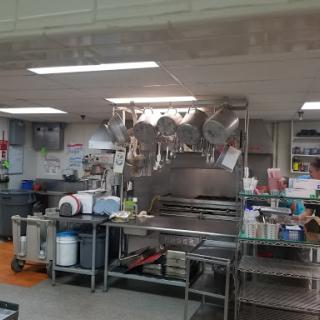
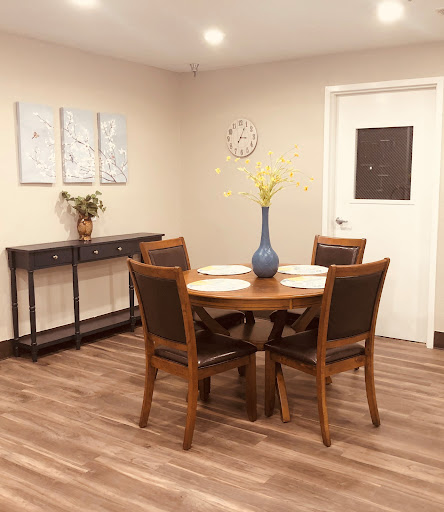
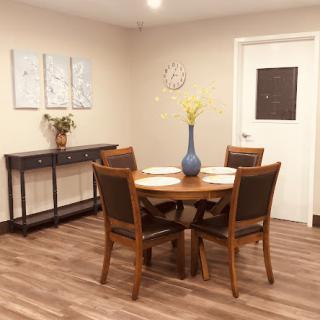
  • Dining room Dining roomDining rooms are important for seniors as they provide a space for socialization, connection, and nutritious meals. They offer opportunities for residents to bond over shared meals, foster a sense of community, and promote healthy eating habits. Dining rooms also ensure that seniors have access to well-balanced meals tailored to their dietary needs and preferences.
  • Fitness room Fitness roomHaving a fitness room in a senior living community is essential for seniors to stay active, maintain their physical health, and improve their overall well-being. Regular exercise can help prevent falls, reduce the risk of chronic diseases, and promote mental sharpness. It also provides social opportunities for residents to connect with others and enjoy a sense of community.
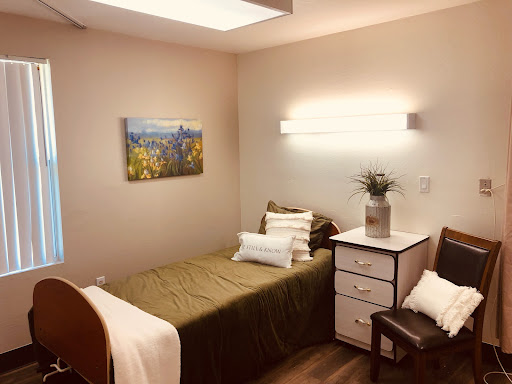
  • Fully furnished Fully furnishedFully furnished senior living communities are important for seniors because they provide convenience, comfort, and a hassle-free moving experience. Seniors can easily settle into their new living space without the stress of having to buy and move furniture. This allows them to focus on enjoying their new home and community.
  • Gaming room Gaming roomGaming rooms are important for seniors as they provide a fun and engaging environment for socializing, cognitive stimulation, and physical activity. Games can improve memory, problem-solving skills, and overall mental well-being while fostering friendships and reducing feelings of isolation.
  • Garden GardenGardens are important for seniors as they provide a peaceful and therapeutic environment for relaxation, physical activity, and socialization. Being in nature has been shown to reduce stress, improve mood, and promote overall well-being. Gardens also offer opportunities for seniors to engage in gardening activities, which can improve mobility, flexibility, and cognitive function. Additionally, gardens create a sense of community and connection with others who share a passion for plants and outdoor spaces.
  • Housekeeping services Housekeeping servicesHousekeeping services are important for seniors because they help maintain a clean and safe living environment, promote independence, and reduce the risk of accidents or illnesses. Additionally, having assistance with household chores can alleviate physical strain and allow seniors to focus on other aspects of their well-being.
  • Kitchenette KitchenetteKitchenettes are important for seniors living in senior living communities because they provide the convenience and independence of being able to prepare simple meals and snacks in the comfort of their own living space. This can help promote a sense of autonomy and well-being for seniors, allowing them to maintain some level of control over their dietary choices and daily routines.
  • Move-in coordination Move-in coordinationMove-in coordination is important for seniors because it helps ease the transition into their new living environment. It ensures that all logistics, such as packing, organizing movers, and setting up utilities are taken care of, allowing seniors to focus on settling in and adjusting to their new home. Having a smooth move-in process can alleviate stress and anxiety, making the transition smoother and more enjoyable for seniors.
  • Outdoor space Outdoor spaceOutdoor spaces are important for seniors as they provide opportunities for physical activity, social interaction, exposure to natural light and fresh air, and a sense of connection to nature. Having access to outdoor spaces can improve overall well-being and quality of life for older adults living in senior communities.
  • Private bathrooms Private bathroomsPrivate bathrooms are important for seniors in senior living communities because they provide independence, dignity, and comfort. Having a private bathroom allows seniors to maintain their personal hygiene routines without the need for assistance, promoting a sense of autonomy and privacy. Additionally, private bathrooms help prevent the spread of infections and provide a safe and clean environment for seniors to navigate safely.
  • Restaurant-style dining Restaurant-style diningRestaurant-style dining is important for seniors because it allows them to enjoy delicious, nutritious meals in a social and upscale setting. This enhances their dining experience, promotes healthy eating habits, and fosters socialization with fellow residents, ultimately contributing to their overall well-being and quality of life.
  • Small library Small librarySmall libraries are important for seniors as they provide access to a variety of reading materials, including books, newspapers, and magazines. This can help stimulate their minds, keep them engaged, and provide a sense of community through book clubs and other social activities. Additionally, reading has been shown to improve cognitive function and overall mental well-being in older adults.
  • Telephone TelephoneTelephones are important for seniors as they provide a lifeline for communication with loved ones, emergency services, and healthcare providers. They offer a sense of security and independence, enabling seniors to stay connected and access assistance when needed.
  • Wellness center Wellness centerWellness centers are important for seniors because they offer a variety of programs and services that promote physical, mental, and emotional well-being. These centers provide opportunities for exercise, socialization, education, and relaxation, helping seniors maintain their overall health and quality of life.
  • Wi-Fi/high-speed internet available Wi-Fi/high-speed internet availableWi-Fi/high-speed internet is important for seniors to stay connected with loved ones, access online resources, and participate in virtual activities to combat feelings of loneliness and isolation. It also allows them to easily manage healthcare needs, access entertainment, and engage in lifelong learning opportunities.

Transportation

  • Community operated transportation Community operated transportationCommunity operated transportation is crucial for seniors as it provides them with the means to access essential services, social activities, and medical appointments. It allows seniors to maintain their independence and quality of life by ensuring they can participate in activities outside of their homes. Additionally, community-operated transportation services offer a safe and reliable way for seniors to travel without having to rely on family or friends for assistance.
  • Transportation arrangement Transportation arrangementTransportation arrangements are crucial for seniors as they may face challenges with driving, mobility, or access to public transportation. Having reliable transportation services ensures that seniors can easily attend appointments, social activities, and maintain their independence and quality of life.
  • Transportation arrangement (non-medical) Transportation arrangement (non-medical)Transportation arrangements are essential for seniors as they provide access to essential services, activities, and social interactions outside the home. This service helps maintain independence, mobility, and overall well-being for seniors who may have limited transportation options.
  • Transportation to doctors appointments Transportation to doctors appointmentsTransportation to doctors appointments is crucial for seniors as it ensures they have access to necessary medical care and support, promoting their health and well-being. It allows them to receive timely treatment, monitor existing conditions, and address any new health concerns efficiently. Additionally, transportation services can help seniors maintain their independence and quality of life by enabling them to stay connected with their healthcare providers.

Care Services

  • 12-16 hour nursing 12-16 hour nursing12-16 hour nursing care is crucial for seniors in order to ensure around-the-clock monitoring, timely medication administration, and prompt response to any health concerns or emergencies. This level of care helps to promote the overall well-being and safety of seniors living in senior living communities.
  • 24-hour call system 24-hour call system24-hour call systems are important for seniors because they provide peace of mind and immediate assistance in case of emergencies. This technology ensures that help is always available, promoting safety and security for elderly individuals living alone or in assisted living facilities.
  • 24-hour supervision 24-hour supervision24-hour supervision is important for seniors to ensure their safety, well-being, and access to immediate assistance in case of emergencies or health issues. This constant support provides peace of mind for both seniors and their loved ones, allowing them to age in place with dignity and security.
  • Activities of daily living assistance Activities of daily living assistanceActivities of daily living assistance are important for seniors because they provide essential support with tasks such as eating, bathing, dressing, and mobility. This assistance helps seniors maintain their independence, dignity, and overall quality of life as they age.
  • Assistance with bathing Assistance with bathingAssistance with bathing is crucial for seniors as it helps maintain personal hygiene, prevents infections, and ensures their overall well-being and comfort. It also provides a sense of dignity and independence for seniors who may struggle with this task on their own.
  • Assistance with dressing Assistance with dressingAssistance with dressing is important for seniors because it helps maintain their independence, promotes personal hygiene, prevents accidents and injuries, and improves overall quality of life. This service ensures that seniors can continue to dress comfortably and confidently, despite any physical limitations they may have.
  • Assistance with transfers Assistance with transfersAssistance with transfers is crucial for seniors as it helps prevent falls and injuries, maintains their independence, and ensures they can safely navigate their living environment. It also provides peace of mind for both seniors and their loved ones.
  • Diabetes diet Diabetes dietA diabetes diet is crucial for seniors as it helps manage blood sugar levels, reduce risks of complications, and improve overall health and well-being. By following a balanced and nutritious diet tailored to their specific needs, seniors can better control their diabetes and enhance their quality of life.
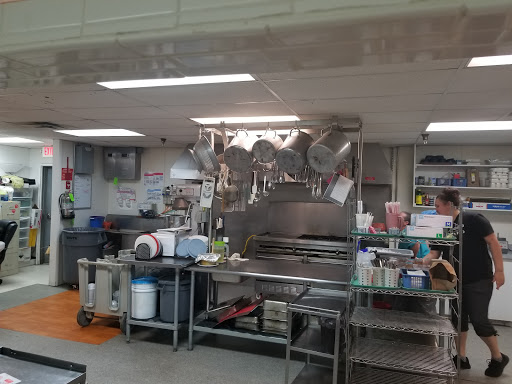
  • Meal preparation and service Meal preparation and serviceMeal preparation and service are crucial for seniors as they may have limited mobility or energy to cook nutritious meals. Having access to healthy and convenient food options can ensure they are getting the proper nutrition needed to maintain their overall health and well-being.
  • Medication management Medication managementMedication management is crucial for seniors to ensure they are taking the right medications at the correct dosages and times. This helps prevent adverse drug interactions, reduces the risk of medication errors, and promotes overall health and well-being. Proactive management also allows for adjustments as needed based on changing health conditions or new prescriptions.
  • Mental wellness program Mental wellness programMental wellness programs are essential for seniors as they promote cognitive stimulation, emotional support, and social engagement. These programs help prevent isolation, depression, and cognitive decline, ultimately enhancing the overall quality of life for older adults.
  • Special dietary restrictions Special dietary restrictionsSpecial dietary restrictions are important for seniors because age-related changes in metabolism and health conditions can make it difficult for their bodies to process certain foods. By following a diet tailored to their specific needs, seniors can maintain their overall health and well-being, manage chronic conditions, and reduce the risk of complications such as malnutrition or food interactions with medications.

Dining

  • Diabetes diet Diabetes dietA diabetes diet is crucial for seniors as it helps manage blood sugar levels, reduce risks of complications, and improve overall health and well-being. By following a balanced and nutritious diet tailored to their specific needs, seniors can better control their diabetes and enhance their quality of life.
  • Special dietary restrictions Special dietary restrictionsSpecial dietary restrictions are important for seniors because age-related changes in metabolism and health conditions can make it difficult for their bodies to process certain foods. By following a diet tailored to their specific needs, seniors can maintain their overall health and well-being, manage chronic conditions, and reduce the risk of complications such as malnutrition or food interactions with medications.

Activities

  • Community-sponsored activities Community-sponsored activitiesCommunity-sponsored activities are important for seniors as they provide opportunities for social interaction, mental stimulation, and physical activity. These activities can help improve overall well-being, combat loneliness and isolation, and promote a sense of belonging and purpose among older adults.
  • Concierge services Concierge servicesConcierge services are essential for seniors as they provide assistance with daily tasks and errands, enhance their quality of life by offering convenience and personalized care, and promote a sense of safety and security.
  • Fitness programs Fitness programsFitness programs are crucial for seniors as they help improve strength, flexibility, balance, and overall well-being. Staying active can reduce the risk of chronic diseases, improve mental health, and enhance quality of life in older adults.
  • Planned day trips Planned day tripsPlanned day trips are important for seniors because they offer opportunities for socialization, mental stimulation, and physical activity. They provide a change of scenery and help seniors stay engaged and connected to their community, promoting overall well-being and quality of life.
  • Resident-run activities Resident-run activitiesResident-run activities are important for seniors as they encourage social interaction, creativity, and a sense of autonomy. These activities empower seniors to stay engaged and active in their community while fostering meaningful connections with their peers.
  • Scheduled daily activities Scheduled daily activitiesScheduled daily activities are important for seniors because they provide structure, socialization, mental stimulation, and physical activity. Engaging in regular activities can improve overall well-being and quality of life for seniors living in a community setting.

Description

The Purcell Care Center is an assisted living community located in Purcell, OK. Our residents enjoy a wide range of amenities and care services to ensure their comfort and well-being.

Our community offers a variety of amenities to enhance our residents' quality of life. These include a beauty salon for grooming and pampering, cable or satellite TV for entertainment, a computer center for staying connected, and a gaming room for leisure activities. We also have a fully furnished dining room where residents can enjoy delicious meals prepared by our skilled culinary team in a restaurant-style setting. For relaxation and outdoor activities, we have a beautiful garden and outdoor space. Our small library provides a quiet place for reading and learning. Residents can stay connected with family and friends through telephone services and Wi-Fi/high-speed internet throughout the community.

At the Purcell Care Center, we provide comprehensive care services to meet the individual needs of our residents. With 24-hour call system and supervision, our dedicated staff is always available to assist with activities of daily living such as bathing, dressing, and transfers. We offer assistance with medication management to ensure proper dosage and timing. For those with special dietary restrictions or diabetes diet needs, our culinary team prepares customized meals that are both nutritious and delicious.

To keep our residents engaged and active, we offer a variety of activities and programs. Our concierge services help residents plan day trips to nearby attractions or participate in resident-run activities within the community. Fitness programs designed specifically for seniors promote physical well-being, while mental wellness programs focus on cognitive stimulation. Scheduled daily activities provide opportunities for socialization and enjoyment.

Located near pharmacies, physicians' offices, restaurants, and hospitals, our community ensures convenient access to essential services. Transportation arrangements are available for both non-medical purposes as well as transportation to doctors' appointments.

At the Purcell Care Center, we strive to provide top-notch care in a comfortable environment where residents can feel at home while receiving the assistance they need.

Nearby Places of Interest

Physicians

  • Dirk Lenaburg, DO (0.4 miles)
  • Purcell Family Practice (0.4 miles)
  • Purcell Vision Clinic (0.9 miles)
  • Noble Family Medical Center (7.6 miles)
  • Mercy Clinic Noble (7.7 miles)
  • Noble Family & Internal Medicine Clinic (8.1 miles)
  • Noble Clinic: Haralson Harold MD (8.5 miles)

Hospitals

  • Purcell Municipal Hospital (0.4 miles)
  • Norman Regional Health System (6.5 miles)
  • Oklahoma Department of Mental Health and Substance Abuse Services (14 miles)
  • Children's Recovery Center (14.3 miles)
  • Alsac St Jude Childrens's Hosp (14.3 miles)
  • J D Mc Carty Center For Children (14.6 miles)
  • Norman Regional Hospital Radiation Oncology (15 miles)

Pharmacies

  • Walgreens (0.7 miles)
  • Naic Drug Court (0.7 miles)
  • Noble Pharmacy (8.1 miles)
  • Legend Care Pharmacy (11.4 miles)
  • CVS Pharmacy (12.9 miles)
  • Homeland Stores (13.7 miles)
  • Homeland (13.9 miles)

Restaurants

  • Van's Pig Stands (1.2 miles)
  • Braum's (2.6 miles)
  • McDonald's (2.6 miles)
  • Sonny's Cafe (2.8 miles)
  • Canadian River Vineyards & Winery (4.7 miles)
  • McDonald's (11.4 miles)
  • Qdoba Mexican Eats (12.1 miles)

Places of Worship

  • FBC Washington (7 miles)
  • Southern Baptist Convention (11.7 miles)
  • Southern Baptist Convention (12.3 miles)
  • Islamic Society of Norman (13.1 miles)
  • Bennett Church of The Nazarene (14.1 miles)

Transportation

  • David Jay Perry Airport (1K4) (10.9 miles)
  • University of Oklahoma Airport (OUN) (16.1 miles)

Parks

  • Colonial Commons Park (13.1 miles)
  • Rotary Park (14.1 miles)

Cafes

  • Starbucks (14.4 miles)
  • Dutch Bros Coffee (14.5 miles)
  • Panera Bread (14.8 miles)

Theaters

  • Robinson Crossing 6 (16.2 miles)

Frequently Asked Questions

Where is Purcell Care Center?
What photos are available for Purcell Care Center in Purcell, Oklahoma?

Nearby Communities

Related Resources

  • anticipatory griefRecognizing the Journey: Understanding and Navigating Anticipatory Grief

    Anticipatory grief is an emotional response to the impending loss of a loved one, characterized by complex emotions such as sadness and anger, and involves navigating stages similar to those identified by Kübler-Ross. Coping strategies are vital for managing this process, emphasizing compassionate communication, self-care, and support groups while recognizing the cultural influences on grieving.

  • adult day careEncouraging Participation in Adult Day Care: A Guide to Supporting a Hesitant Parent

    Adult day care programs offer essential support and activities for older adults, yet many hesitate to participate due to concerns about independence and stigma. To alleviate these apprehensions, families should facilitate open discussions, explore financial resources, suggest trial visits, and collaborate with healthcare providers to highlight the benefits of such services for both the participants and their caregivers.

  • living will definitionComprehensive Exploration of Living Wills and Other Advance Directives

    Living wills and advance directives are crucial legal documents that outline an individual's healthcare preferences when they cannot make decisions themselves, enhancing patient autonomy and alleviating family stress during medical crises. The article emphasizes the need for these documents to be personalized, legally valid, and regularly updated, while also encouraging communication about end-of-life wishes among family members and healthcare providers.