
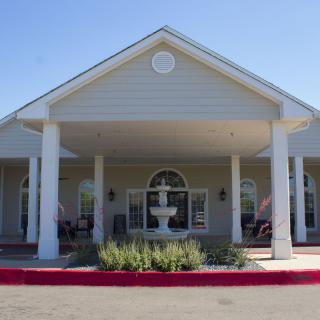
905 Beall Road, Kingfisher, OK 73750
For more information about senior living options: (866) 208-4318
Overall Review of Cimarron Nursing Center
Pros
 The staff were wonderful and caring.
- The staff were kind, caring, and knowledgeable.
- The mother felt safe and loved thanks to the staff’s individualized attention.
- The staff called residents by name and treated them like family.
- The staff took time to explain how a resident’s day was going and asked if anything was needed.
- Staff frequently visited residents and shared light, comforting stories with genuine empathy.
Cons
 The facility is short-staffed and lacks adequate nurse aides, leading to insufficient resident care.
- Residents are not receiving the care they need due to staffing shortages.
- The administration and nursing leadership are unprofessional and fail to keep their word or fulfill staffing duties, with no accountability.
- There is a pervasive lack of clarity about what is going on inside the facility.
- Medications are not given at the proper times, or sometimes not at all, and staff turnover is very high.
- The overall experience is terrible, described as nearly malpractice, and the facility would not be recommended.
Review
Cimarron Nursing Center in Kingfisher, Oklahoma is best suited for families seeking a small, homey environment where frontline caregivers form real, personal connections with residents. The strongest case comes from memory-care or long-term residents whose daily life benefits from staff who know them by name, offer genuine warmth, and treat residents like family. This facility can deliver meaningful, individualized attention in a setting that feels approachable and calm. However, it is not the right choice for families prioritizing clinical consistency, strong administrative accountability, and predictable medication management from day to day.
For those who should consider alternatives, the red flags are persistent: a pattern of staffing instability and leadership gaps that undermine reliable care. Families needing rigorous oversight, timely medication administration, and a well-supported nursing team will likely want to explore other options. The risk of missed meds, delayed care, and unclear accountability has real implications for residents’ safety and overall health trajectory.
On the upside, the strongest positives hinge on the human element. Reviewers consistently describe staff as kind, caring, and knowledgeable, with a capacity to put residents at ease. Instances where staff called residents by name and offered individualized explanations of daily events illustrate a level of attentiveness that can significantly improve quality of life, particularly for those navigating memory challenges. When families experienced loss, staff demonstrated visible empathy and connection, underscoring a genuine commitment to residents beyond routine tasks. For residents who respond to personal attention, these qualities can make Cimarron a comforting place to live.
Yet the main drawbacks are substantial and impact daily safety and continuity of care. Chronic understaffing is a repeated theme, leading to concerns that residents are not receiving necessary attention. Medication timing and consistency emerge as recurring problems, with reports that doses are delayed or missed. High staff turnover compounds these issues, eroding continuity of care and making it harder for residents to form stable relationships with caregivers. Administrative leadership receives pointed critique in several accounts, with claims of unprofessional conduct and a lack of accountability from leadership, which further disrupts care planning and execution. Taken together, these factors undermine the facility’s strongest advantages.
The pros can offset some concerns but cannot fully counterbalance the systemic gaps. The emotional and relational benefits of attentive frontline care are meaningful, especially in memory-care contexts where residents rely on staff for reassurance and daily structure. However, the durability of these positives hinges on consistent staffing, reliable med passes, and accountable governance, areas where Cimarron shows recurring weaknesses. For families, this means the facility may feel like a safe, comforting place in good weeks, but the risk of abrupt changes in staffing and care quality makes it unsuitable for those requiring unwavering, predictable clinical oversight.
Practical decision steps follow from these realities. Prospective residents and families should schedule in-depth observations during multiple shifts to gauge staffing levels and the cadence of med administration. Engage directly with the director of nursing and administrator to learn about staff turnover rates, recruitment plans, and concrete actions to improve accountability and care timelines. Request recent care plans and progress notes to see how individualized attention translates into measurable outcomes. If Cimarron remains a consideration, set explicit expectations around med passes, response times to calls, and documented progress updates for families, and insist on regular, transparent communication. For those prioritizing consistent clinical reliability and formal governance, exploring stronger-staffed facilities with stable leadership will likely yield a more dependable long-term fit.
 92 resident community capacity
 Skilled Nursing Facility
 Air-conditioning
 Beauty salon
 Cable or satellite TV
 Computer center
 Dining room
 Fitness room
 Fully furnished
 Gaming room
 Garden
 Housekeeping services
 Kitchenette
 Move-in coordination
 Outdoor space
 Private bathrooms
 Restaurant-style dining
 Small library
 Telephone
 Wellness center
 Wi-Fi/high-speed internet available
 Community operated transportation
 12-16 hour nursing
 24-hour call system
 Activities of daily living assistance
 Assistance with bathing
 Assistance with dressing
 Assistance with transfers
 Diabetes diet
 Medication management
 Mental wellness program
 Special dietary restrictions
 Concierge services
 Planned day trips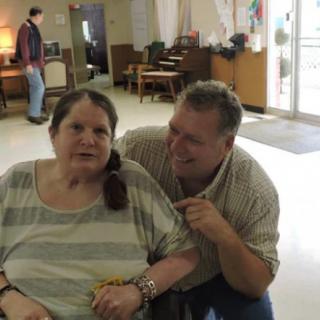







 Comprehensive Guide to Qualifying for Home Health Care Services
 Powerful Realities of Elder Abuse and the Most Effective Ways to Report It
 Ten Vital Duties of a Senior Caregiver: A Comprehensive Guide