Glenwood Healthcare - Glenpool

Save
Glenwood Healthcare - Glenpool Glenwood Healthcare - Glenpool Glenwood Healthcare - Glenpool Glenwood Healthcare - Glenpool

Glenwood Healthcare - Glenpool

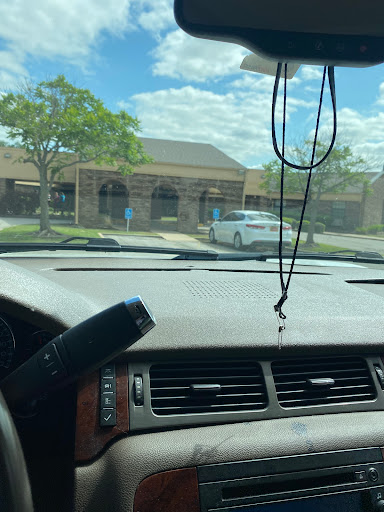
1700 East 141St Street, Glenpool, OK 74033

For more information about senior living options: (844) 490-3973

1.9 from 30 reviews
5 stars
5
4 stars
2
3 stars
0
2 stars
2
1 stars
21

Skilled Nursing Facility

What level of care are you interested in?

Assisted Living

Memory Care

Independent Living

Skilled Nursing Facility

Continuing Care Retirement Community (CCRC)CCRC

Other


Request a tour at Glenwood Healthcare - Glenpool

    Overall Review of Glenwood Healthcare - Glenpool

    Pros

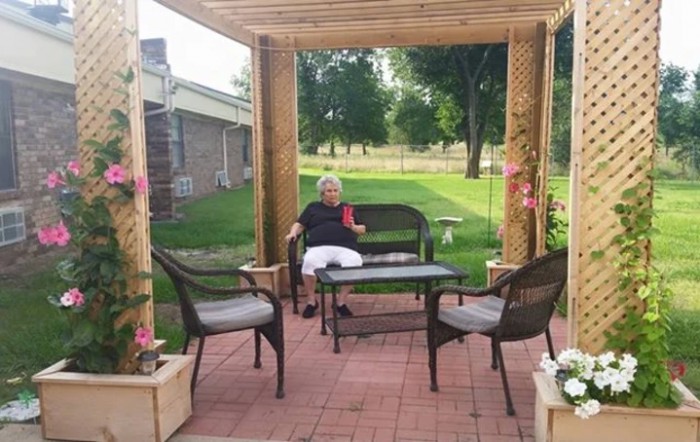
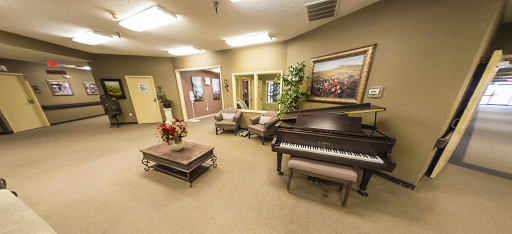
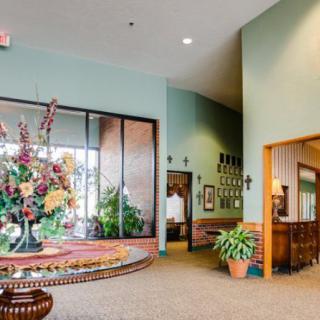
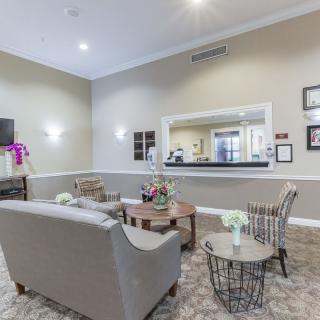
    • pro The facilities are beautiful, clean, and provide many fun and relaxing activities for their clients.
    • pro They truly cared for my Mother, not just physically but mentally and emotionally as well.
    • pro The nurses have taken good care of her.
    • pro The facility seems clean.
    • pro The staff is always working hard and everything is clean.
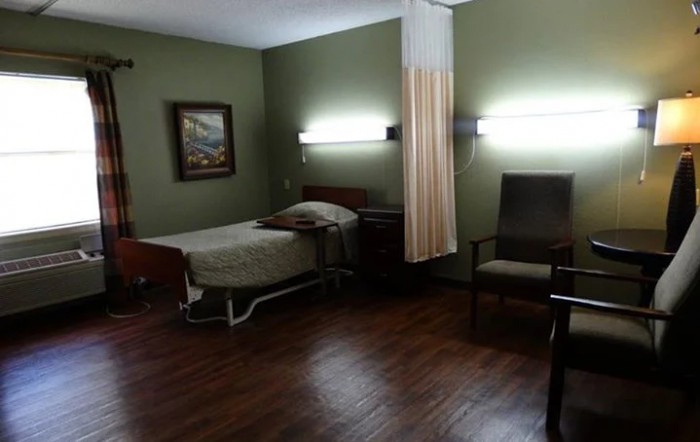
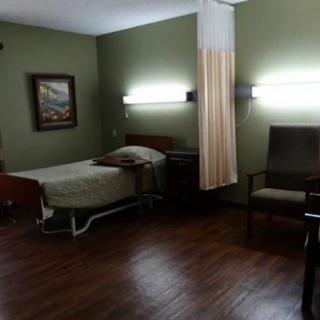
    • pro They have added several new rooms that include a spa tub and rehab room.
    • pro The facilities are beautiful, clean, and the staff are wonderful, kind, caring and generous.
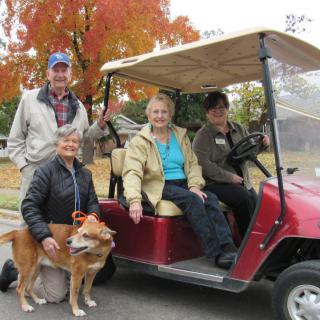
    • pro There is a family atmosphere, a clean facility, lots of great activities and dedicated staff.

    Cons

    • pro The staff are lazy and don't care about the residents.
    • pro There is not enough help and there is no real communication between patients and staff.
    • pro The facility almost killed a resident by giving the wrong medications, including a blood thinner after a brain bleed.
    • pro Patients are neglected 24/7 and not properly cared for.
    • pro Some workers sat vaping and ignored a patient's need for help.
    • pro A missing blanket/OSU throw wasn't reimbursed, and theft is tolerated with dishonest administration.
    • pro Buzzer calls often went unanswered for 20 to 60 minutes.
    • pro The food is uneatable and therapy is ineffective; basic needs like medications weren't delivered when requested.
    • pro Administration is unresponsive and dismissive, with little effort to inform or fix problems.
    • pro The facility is chronically understaffed, leading to poor patient care and mistreatment of staff.

    Review

    The reviews paint a picture of a facility that sparks strong, often conflicting feelings. On one side, there are heartfelt tributes to cleanliness, comfort, and compassionate care; on the other, a chorus of alarming complaints about understaffing, miscommunication, and neglect. Taken together, the narratives reveal a place that can feel like a haven for some families and a source of real fear for others, depending on who is present and when.

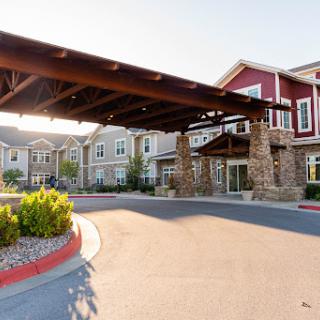
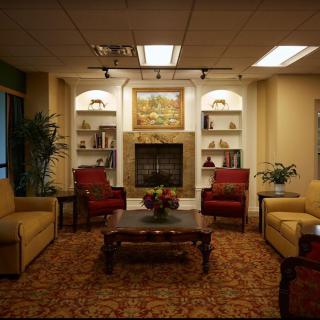
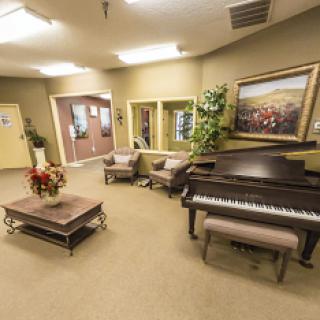
    Several accounts praise the physical environment and the day-to-day warmth of care. Reviewers repeatedly describe a facility that is clean, well-kept, and aesthetically pleasing, with numerous activities and a calm, homelike atmosphere. Families recount staff who are kind, patient, and genuinely attentive - nurses, aides, nutritionists, and administrators who work to support both residents and their relatives. In these voices,-care teams feel present and responsive, and the setting offers reassurance during difficult days, especially in end-of-life moments where the patient's comfort and emotional support are highlighted as central. For some, the place feels like a community that treats loved ones with dignity and respect, and families express gratitude for the ongoing assistance they receive from staff who go above and beyond to help.

    Yet there is a substantial barrier between these positive moments and the harsher experiences described by many other reviewers. A loud strand of the feedback centers on safety concerns and serious lapses in care. Specific incidents are recounted in troubling terms: people allegedly given the wrong medications, including a blood thinner after a brain bleed, with calls for grave caution and urgent reform. A number of reviewers report being left waiting for help far longer than is acceptable - buzzer calls going unanswered for 20 minutes, sometimes up to an hour, and residents who cannot access hydration, assistance to the bathroom, or timely medical attention. Several accounts accuse staff of inattentiveness or indifference in moments when help was most needed, such as a caregiver's light left on for overnight access, or a patient who went without water for an entire day.

    The questions around communication and transparency repeatedly surface. Reviewers describe a lack of clear information about daily care, treatment plans, and even basic updates on a loved one's condition. In some cases, families express frustration with front-desk interactions that feel dismissive or evasive, as if the facility is slow to acknowledge concerns or provide follow-up. The administrative side of the facility appears to be a point of contention as well: multiple reviewers reference management or an organizational culture that seems unresponsive to complaints, with vivid memories of administrators who allegedly failed to act on troubling observations, or who minimized problems raised by families and employees alike.

    Staffing and morale also emerge as central themes. Some entries attribute the best moments to the personal dedication of individual caregivers who deliver professional and compassionate care despite constraints. Others highlight the opposite experience: persistent understaffing, churn, and a sense that the facility is stretched thin, with regulators visiting regularly as a sign of ongoing oversight rather than reassurance. The tension between a clean, well-intentioned environment and the real-world pressures of staffing creates a mixed experience: moments of warmth and competence sit alongside episodes of neglect or miscommunication that can have lasting emotional and practical consequences for families.

    Beyond care quality and staff behavior, there are personal accounts that touch on trust and value. A few reviewers describe theft and loss of personal items, including a missing blanket or a valued throw, and the subsequent feeling that reimbursements or replacements were uncertain or delayed. Some patients' families mention out-of-pocket costs for basic supplies that feel unfair or unexpected, contributing to a perception that the facility's administration may not always align with residents' needs and families' expectations. There are also anecdotes about therapy and meals that did not meet expectations, with some patients reporting that therapy sessions felt inadequate or that food was not up to standard, further fueling concerns about the overall quality of care.

    Interwoven with the critiques are heartfelt testimonials about the facility's potential when things go well. There are stories of families who found strength in the staff's kindness, who felt their loved ones were treated with dignity in their final days, and who appreciated the social and emotional support offered by a team that genuinely cares. Some praise the introduction of new rooms and rehab spaces, the presence of spa-themed amenities, and a sense of progress in how care is organized. These accounts remind readers that even in a setting marked by frustration, there are moments of genuine humanity and effective care that can change the experience for a family.

    In the end, the overall impression is complex and nuanced. The reviews suggest a place that can be clean, welcoming, and staffed by people who care deeply about residents' wellbeing, yet also a facility where serious gaps in safety, communication, and responsiveness can and do occur. For prospective families, the takeaway is clear: if you are considering this facility, investigate thoroughly. Visit multiple times, speak with different departments, and ask pointed questions about staffing levels, med safety protocols, accountability for mistakes, and the processes for handling lost belongings and reimbursements. If you decide to proceed, plan to stay engaged and proactive, establish open lines of communication from day one, and prepare to advocate passionately for your loved one's needs. The stories here underscore that, in elder care, consistent, well-supported care hinges on a combination of a clean environment, attentive staff, transparent administration, and the ongoing involvement of families who are willing to champion their loved ones every step of the way.

    Features

    Housing

    • 119 resident community capacity 119 resident community capacity

    Types of Care

    • Skilled Nursing Facility Skilled Nursing FacilitySkilled Nursing Facilities are crucial for seniors as they provide round-the-clock medical care, rehabilitation services, and assistance with daily activities. These facilities ensure that seniors receive the specialized care they need to maintain their health and well-being as they age.

    Amenities

    • Air-conditioning Air-conditioningAir conditioning is important for seniors as they are more vulnerable to heat-related illnesses and may have underlying health conditions that make it difficult for them to regulate their body temperature. It helps to keep them comfortable, safe, and healthy in hot weather.
    • Beauty salon Beauty salonBeauty salons are important for seniors because they provide a space for them to feel pampered, socialize, and maintain their personal grooming and hygiene. Regular visits to a beauty salon can help boost seniors' self-esteem and overall well-being.
    • Cable or satellite TV Cable or satellite TVCable or satellite TV is important for seniors because it provides entertainment, news, and companionship, helping to combat loneliness and boredom. It also offers a wide range of programming options tailored to different interests and preferences.
    • Computer center Computer centerA computer center is essential for seniors as it provides access to technology, communication tools, and resources that can enhance their daily lives. It allows them to stay connected with loved ones, engage in online activities, and learn new skills, ultimately promoting socialization and mental stimulation.
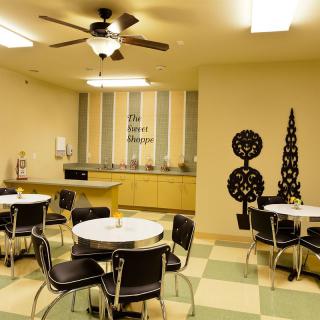
    • Dining room Dining roomDining rooms are important for seniors as they provide a space for socialization, connection, and nutritious meals. They offer opportunities for residents to bond over shared meals, foster a sense of community, and promote healthy eating habits. Dining rooms also ensure that seniors have access to well-balanced meals tailored to their dietary needs and preferences.
    • Fitness room Fitness roomHaving a fitness room in a senior living community is essential for seniors to stay active, maintain their physical health, and improve their overall well-being. Regular exercise can help prevent falls, reduce the risk of chronic diseases, and promote mental sharpness. It also provides social opportunities for residents to connect with others and enjoy a sense of community.
    • Fully furnished Fully furnishedFully furnished senior living communities are important for seniors because they provide convenience, comfort, and a hassle-free moving experience. Seniors can easily settle into their new living space without the stress of having to buy and move furniture. This allows them to focus on enjoying their new home and community.
    • Gaming room Gaming roomGaming rooms are important for seniors as they provide a fun and engaging environment for socializing, cognitive stimulation, and physical activity. Games can improve memory, problem-solving skills, and overall mental well-being while fostering friendships and reducing feelings of isolation.
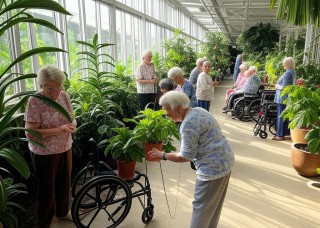
    • Garden GardenGardens are important for seniors as they provide a peaceful and therapeutic environment for relaxation, physical activity, and socialization. Being in nature has been shown to reduce stress, improve mood, and promote overall well-being. Gardens also offer opportunities for seniors to engage in gardening activities, which can improve mobility, flexibility, and cognitive function. Additionally, gardens create a sense of community and connection with others who share a passion for plants and outdoor spaces.
    • Housekeeping services Housekeeping servicesHousekeeping services are important for seniors because they help maintain a clean and safe living environment, promote independence, and reduce the risk of accidents or illnesses. Additionally, having assistance with household chores can alleviate physical strain and allow seniors to focus on other aspects of their well-being.
    • Kitchenette KitchenetteKitchenettes are important for seniors living in senior living communities because they provide the convenience and independence of being able to prepare simple meals and snacks in the comfort of their own living space. This can help promote a sense of autonomy and well-being for seniors, allowing them to maintain some level of control over their dietary choices and daily routines.
    • Move-in coordination Move-in coordinationMove-in coordination is important for seniors because it helps ease the transition into their new living environment. It ensures that all logistics, such as packing, organizing movers, and setting up utilities are taken care of, allowing seniors to focus on settling in and adjusting to their new home. Having a smooth move-in process can alleviate stress and anxiety, making the transition smoother and more enjoyable for seniors.
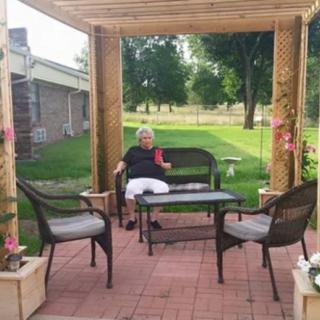
    • Outdoor space Outdoor spaceOutdoor spaces are important for seniors as they provide opportunities for physical activity, social interaction, exposure to natural light and fresh air, and a sense of connection to nature. Having access to outdoor spaces can improve overall well-being and quality of life for older adults living in senior communities.
    • Private bathrooms Private bathroomsPrivate bathrooms are important for seniors in senior living communities because they provide independence, dignity, and comfort. Having a private bathroom allows seniors to maintain their personal hygiene routines without the need for assistance, promoting a sense of autonomy and privacy. Additionally, private bathrooms help prevent the spread of infections and provide a safe and clean environment for seniors to navigate safely.
    • Restaurant-style dining Restaurant-style diningRestaurant-style dining is important for seniors because it allows them to enjoy delicious, nutritious meals in a social and upscale setting. This enhances their dining experience, promotes healthy eating habits, and fosters socialization with fellow residents, ultimately contributing to their overall well-being and quality of life.
    • Small library Small librarySmall libraries are important for seniors as they provide access to a variety of reading materials, including books, newspapers, and magazines. This can help stimulate their minds, keep them engaged, and provide a sense of community through book clubs and other social activities. Additionally, reading has been shown to improve cognitive function and overall mental well-being in older adults.
    • Telephone TelephoneTelephones are important for seniors as they provide a lifeline for communication with loved ones, emergency services, and healthcare providers. They offer a sense of security and independence, enabling seniors to stay connected and access assistance when needed.
    • Wellness center Wellness centerWellness centers are important for seniors because they offer a variety of programs and services that promote physical, mental, and emotional well-being. These centers provide opportunities for exercise, socialization, education, and relaxation, helping seniors maintain their overall health and quality of life.
    • Wi-Fi/high-speed internet available Wi-Fi/high-speed internet availableWi-Fi/high-speed internet is important for seniors to stay connected with loved ones, access online resources, and participate in virtual activities to combat feelings of loneliness and isolation. It also allows them to easily manage healthcare needs, access entertainment, and engage in lifelong learning opportunities.

    Transportation

    • Tulsa International (17 miles away) Tulsa International (17 miles away)
    • Community operated transportation Community operated transportationCommunity operated transportation is crucial for seniors as it provides them with the means to access essential services, social activities, and medical appointments. It allows seniors to maintain their independence and quality of life by ensuring they can participate in activities outside of their homes. Additionally, community-operated transportation services offer a safe and reliable way for seniors to travel without having to rely on family or friends for assistance.
    • Transportation arrangement Transportation arrangementTransportation arrangements are crucial for seniors as they may face challenges with driving, mobility, or access to public transportation. Having reliable transportation services ensures that seniors can easily attend appointments, social activities, and maintain their independence and quality of life.
    • Transportation arrangement (non-medical) Transportation arrangement (non-medical)Transportation arrangements are essential for seniors as they provide access to essential services, activities, and social interactions outside the home. This service helps maintain independence, mobility, and overall well-being for seniors who may have limited transportation options.
    • Transportation to doctors appointments Transportation to doctors appointmentsTransportation to doctors appointments is crucial for seniors as it ensures they have access to necessary medical care and support, promoting their health and well-being. It allows them to receive timely treatment, monitor existing conditions, and address any new health concerns efficiently. Additionally, transportation services can help seniors maintain their independence and quality of life by enabling them to stay connected with their healthcare providers.

    Care Services

    • 12-16 hour nursing 12-16 hour nursing12-16 hour nursing care is crucial for seniors in order to ensure around-the-clock monitoring, timely medication administration, and prompt response to any health concerns or emergencies. This level of care helps to promote the overall well-being and safety of seniors living in senior living communities.
    • 24-hour call system 24-hour call system24-hour call systems are important for seniors because they provide peace of mind and immediate assistance in case of emergencies. This technology ensures that help is always available, promoting safety and security for elderly individuals living alone or in assisted living facilities.
    • 24-hour supervision 24-hour supervision24-hour supervision is important for seniors to ensure their safety, well-being, and access to immediate assistance in case of emergencies or health issues. This constant support provides peace of mind for both seniors and their loved ones, allowing them to age in place with dignity and security.
    • Activities of daily living assistance Activities of daily living assistanceActivities of daily living assistance are important for seniors because they provide essential support with tasks such as eating, bathing, dressing, and mobility. This assistance helps seniors maintain their independence, dignity, and overall quality of life as they age.
    • Assistance with bathing Assistance with bathingAssistance with bathing is crucial for seniors as it helps maintain personal hygiene, prevents infections, and ensures their overall well-being and comfort. It also provides a sense of dignity and independence for seniors who may struggle with this task on their own.
    • Assistance with dressing Assistance with dressingAssistance with dressing is important for seniors because it helps maintain their independence, promotes personal hygiene, prevents accidents and injuries, and improves overall quality of life. This service ensures that seniors can continue to dress comfortably and confidently, despite any physical limitations they may have.
    • Assistance with transfers Assistance with transfersAssistance with transfers is crucial for seniors as it helps prevent falls and injuries, maintains their independence, and ensures they can safely navigate their living environment. It also provides peace of mind for both seniors and their loved ones.
    • Diabetes diet Diabetes dietA diabetes diet is crucial for seniors as it helps manage blood sugar levels, reduce risks of complications, and improve overall health and well-being. By following a balanced and nutritious diet tailored to their specific needs, seniors can better control their diabetes and enhance their quality of life.
    • Meal preparation and service Meal preparation and serviceMeal preparation and service are crucial for seniors as they may have limited mobility or energy to cook nutritious meals. Having access to healthy and convenient food options can ensure they are getting the proper nutrition needed to maintain their overall health and well-being.
    • Medication management Medication managementMedication management is crucial for seniors to ensure they are taking the right medications at the correct dosages and times. This helps prevent adverse drug interactions, reduces the risk of medication errors, and promotes overall health and well-being. Proactive management also allows for adjustments as needed based on changing health conditions or new prescriptions.
    • Mental wellness program Mental wellness programMental wellness programs are essential for seniors as they promote cognitive stimulation, emotional support, and social engagement. These programs help prevent isolation, depression, and cognitive decline, ultimately enhancing the overall quality of life for older adults.
    • Special dietary restrictions Special dietary restrictionsSpecial dietary restrictions are important for seniors because age-related changes in metabolism and health conditions can make it difficult for their bodies to process certain foods. By following a diet tailored to their specific needs, seniors can maintain their overall health and well-being, manage chronic conditions, and reduce the risk of complications such as malnutrition or food interactions with medications.

    Dining

    • Diabetes diet Diabetes dietA diabetes diet is crucial for seniors as it helps manage blood sugar levels, reduce risks of complications, and improve overall health and well-being. By following a balanced and nutritious diet tailored to their specific needs, seniors can better control their diabetes and enhance their quality of life.
    • Special dietary restrictions Special dietary restrictionsSpecial dietary restrictions are important for seniors because age-related changes in metabolism and health conditions can make it difficult for their bodies to process certain foods. By following a diet tailored to their specific needs, seniors can maintain their overall health and well-being, manage chronic conditions, and reduce the risk of complications such as malnutrition or food interactions with medications.

    Activities

    • Community-sponsored activities Community-sponsored activitiesCommunity-sponsored activities are important for seniors as they provide opportunities for social interaction, mental stimulation, and physical activity. These activities can help improve overall well-being, combat loneliness and isolation, and promote a sense of belonging and purpose among older adults.
    • Concierge services Concierge servicesConcierge services are essential for seniors as they provide assistance with daily tasks and errands, enhance their quality of life by offering convenience and personalized care, and promote a sense of safety and security.
    • Fitness programs Fitness programsFitness programs are crucial for seniors as they help improve strength, flexibility, balance, and overall well-being. Staying active can reduce the risk of chronic diseases, improve mental health, and enhance quality of life in older adults.
    • Planned day trips Planned day tripsPlanned day trips are important for seniors because they offer opportunities for socialization, mental stimulation, and physical activity. They provide a change of scenery and help seniors stay engaged and connected to their community, promoting overall well-being and quality of life.
    • Resident-run activities Resident-run activitiesResident-run activities are important for seniors as they encourage social interaction, creativity, and a sense of autonomy. These activities empower seniors to stay engaged and active in their community while fostering meaningful connections with their peers.
    • Scheduled daily activities Scheduled daily activitiesScheduled daily activities are important for seniors because they provide structure, socialization, mental stimulation, and physical activity. Engaging in regular activities can improve overall well-being and quality of life for seniors living in a community setting.

    Description

    Glenwood Healthcare - Glenpool is a well-equipped assisted living community located in the charming town of Glenpool, Oklahoma. Our residents enjoy a wide range of amenities and services designed to enhance their quality of life and provide them with the care they need.

    Our community offers a variety of amenities to cater to our residents' needs and preferences. A beauty salon is available for residents to maintain their personal grooming needs, while cable or satellite TV is provided for entertainment. Community-operated transportation is available for residents who need assistance getting around, whether it's for errands or social outings. A computer center allows residents to stay connected with loved ones or pursue their interests online.

    Dining options are plentiful at Glenwood Healthcare - Glenpool, with a spacious dining room offering restaurant-style meals prepared by our dedicated culinary team. Special dietary restrictions can also be accommodated to ensure that each resident's nutritional needs are met.

    To promote physical wellness, we have a fitness room equipped with exercise equipment and fitness programs tailored to each resident's abilities. Residents can also enjoy outdoor space such as gardens, where they can relax and enjoy nature.

    For mental stimulation and socialization, we provide a gaming room, small library, and resident-run activities that cater to various interests. Scheduled daily activities are also organized for residents to participate in.

    Our care services are comprehensive and include 24-hour supervision and assistance with activities of daily living such as bathing, dressing, and transfers. Medication management is provided to ensure that residents take their medications correctly and on time. We also offer diabetes diets for those who require special dietary restrictions.

    At Glenwood Healthcare - Glenpool, our experienced staff members assist residents not only with their physical health but also prioritize their mental wellness through specialized programs. Additionally, we offer transportation arrangements for non-medical purposes as well as transportation to doctors' appointments.

    With several parks, pharmacies, physicians' offices, and restaurants nearby, our residents have easy access to a variety of amenities within the Glenpool community.

    Overall, Glenwood Healthcare - Glenpool provides a vibrant and supportive environment for seniors to thrive, offering a range of services and amenities that cater to their individual needs and preferences.

    Nearby Places of Interest

    Pharmacies

    • Medicap Pharmacy (1.3 miles)
    • CVS Pharmacy (4.2 miles)
    • Walgreens (4.4 miles)
    • Walgreens (5.5 miles)
    • Reasor's Foods (6 miles)
    • CVS Pharmacy (6 miles)
    • Walgreens (6.1 miles)

    Restaurants

    • Chick-Fil-A (1.8 miles)
    • Los Mariachis Mexican Restaurant (3.5 miles)
    • McDonald's (4.5 miles)
    • George's Pub (4.5 miles)
    • Pepper Express (5.5 miles)
    • Margaritaville Tulsa (5.8 miles)
    • River Spirit Casino (5.8 miles)

    Physicians

    • Utica Park Clinic (3 miles)
    • Utica Park Clinic - Jenks (4.7 miles)
    • Center For Orthopaedic Reconstruction & Excellence (4.9 miles)
    • Oklahoma Spine Interventional Spine & Pain (5.8 miles)
    • Bixby Pediatrics (6.3 miles)
    • Beatty John Saint John Clinic Family Medical Care Tulsa (6.7 miles)
    • Tulsa Surgical Arts (7.1 miles)

    Parks

    • River Parks 96th and Riverside (4.9 miles)
    • Bentley Park Playground (5.5 miles)
    • Leake Park (8.7 miles)

    Transportation

    • Richard Lloyd Jones Jr Airport (RVS) (5.5 miles)
    • Christiansen Aviation (5.6 miles)

    Places of Worship

    • Bixby Freewill Baptist Church (5.7 miles)
    • Tulsa Hills Church Of The Nazarene (6.2 miles)
    • Grace Free Will Baptist Church (9.6 miles)
    • Aspen Park Baptist Church (9.9 miles)

    Theaters

    • AMC CLASSIC Tulsa Hills 12 (6 miles)
    • Cinemark Tulsa (9.9 miles)

    Cafes

    • Starbucks (6.3 miles)
    • Starbucks (8.7 miles)
    • Cha Bubble Tea (8.9 miles)
    • Dutch Bros Coffee (9.7 miles)

    Hospitals

    • Southwestern Regional Medical Center (9.3 miles)

    Frequently Asked Questions

    Where is Glenwood Healthcare - Glenpool?
    What photos are available for Glenwood Healthcare - Glenpool in Glenpool, Oklahoma?

    Nearby Communities

    Skilled Nursing Facility in Nearby Cities

    Related Resources

    • palliative care vs hospiceUnderstanding the Nuances of Palliative Care and Hospice: A Comprehensive Exploration

      Palliative care focuses on alleviating distress at any stage of a serious illness and can accompany curative treatments, while hospice care is for those nearing the end of life with a prognosis of six months or less, emphasizing comfort over curative measures. Both prioritize holistic care for patients and families but differ in timing, goals, and scope.

    • fecal incontinenceFecal Incontinence in Older Adults: A Comprehensive Guide
      Fecal incontinence, prevalent among older adults, arises from factors like weakened pelvic muscles and nerve damage, significantly affecting well-being and social interactions. Diagnosis involves clinical evaluation and tests to inform tailored treatments, while caregivers and preventive measures can aid in managing the condition effectively.

    • gardening for seniorsNurturing Well-Being Through Gardening: A Detailed Guide for Senior Enthusiasts
      Gardening provides seniors with physical exercise, mental and emotional support, and social interaction opportunities, while accommodating their needs through raised beds and ergonomic tools. It promotes health benefits like improved dexterity and cardiovascular health, encourages sustainable practices, and allows for manageable upkeep with low-maintenance plants.


    Get Pricing Ask A Question Schedule A Tour Contact Senior Advisor