











1100 Oak Ridge Drive, Durant, OK 74701
For more information about senior living options: (866) 208-4318
Overall Review of Oakridge Nursing Center
Pros
 Oakridge delivers top-notch care.
- The staff took very good care of her.
- She was treated like a queen by the staff.
- The staff were friendly, attentive, and gently caring.
- Oak Ridge is an amazing place where staff treat residents like family.
- The radiology and medical teams were great.
- Oak Ridge was a blessing for Mom in her final days.
Cons
 They treat the residents like crap and leave them in urine for hours, and the place smells like urine and poop upon entry.
- The staff are lazy, activities are boring, and they let people not in the office run the place; they lie about food and employees eat leftovers before residents get more.
- The snacks offered are the best thing about the place, unless the night shift eats them instead of passing them out.
- They have people who need help eating that are not fed and food is just dropped everywhere.
- The nurse staff were rude and wouldn’t let relatives see their loved ones; this is an awful nursing home.
- It’s a huge disappointment to have staff like this and not place your family there.
- There is a heavy scent of cigarettes and marijuana outside, with loud, disruptive behavior near elderly patients, making it an unpleasant scene.
- Call lights are not answered, patients are not tended to, and patients are being put down by staff.
Review
Oakridge Nursing Center in Durant, OK is best suited for families seeking a warm, home-like environment where caregivers appear genuinely involved in daily life and where a personal, attentive touch can make a meaningful difference for residents who need help with ordinary activities. It can work well for seniors who value regular, compassionate interaction and for families that are willing to actively participate in care planning and oversight. Those expecting consistently high clinical rigor, strict cleanliness standards, and uniformly reliable staffing across all shifts may want to consider alternatives rather than relying on Oakridge as a guaranteed solution.
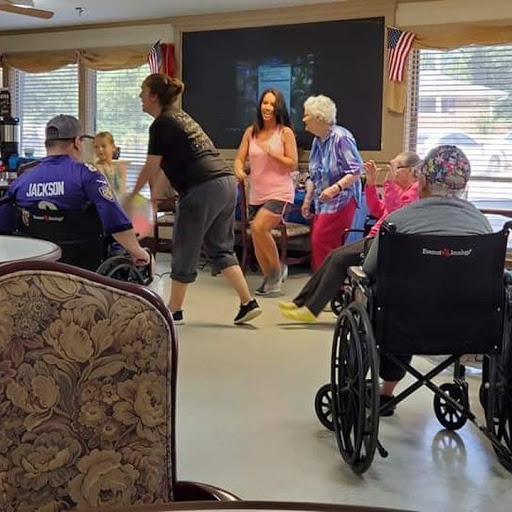
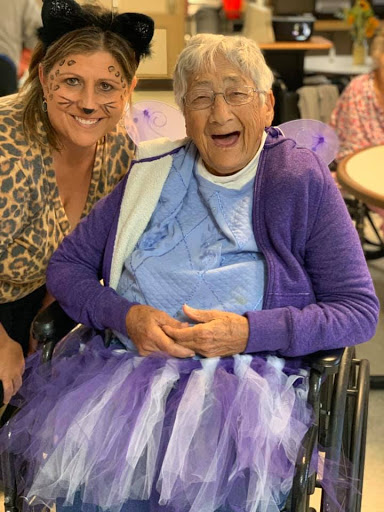
The strongest, most persuasive signal is the quality of individual interactions when staff are present and engaged. Several accounts describe caregivers who treat residents with kindness, dignity, and a sense of family, including moments when loved ones felt truly cared for in their final days. Positive reports often highlight friendly kitchen and housekeeping staff, attentive personal care, and a sense that residents are valued as people rather than tasks. For families who prize a heartfelt, human-centered approach and who can tolerate variability, this can translate into a meaningful, comforting environment during vulnerable times.
However, the other side of the ledger is serious and difficult to overlook. A number of reviewers describe conditions that undermine trust: residents left in soiled conditions, strong odors, and reports of neglect or indifference from some staff members. Complaints include delayed or missing assistance, insufficient feeding for residents who need help eating, and meals or snacks inconsistently managed. Allegations of staff mismanagement, poor communication with families, and inconsistent supervision suggest a facility where quality is highly contingent on who is on duty. Safety concerns are also raised by reports of outside staff lingering near residents and questions about leadership and daily operations.
In weighing these forces, the positives can offset only so far where reliability and predictability are essential. The core appeal, compassionate, person-centered care and a home-like culture, matters greatly for many families, especially during sensitive transitions or end-of-life care. Yet when care gaps appear, they tend to intensify quickly in a way that can erode confidence. The presence of meaningful activities and attentive staff on some shifts demonstrates that good care is possible; the visible inconsistencies, however, keep Oakridge from being a risk-free choice.
Decision-making here hinges on how much risk tolerance exists for staffing variability and the specific care needs of a loved one. If choosing Oakridge, a proactive, hands-on approach is crucial: arrange multiple visits at different times, observe how call lights are handled, assess mealtime routines, and verify how quickly and effectively staff respond to needs. Directly inquire about staffing patterns, turnover, and the facility’s process for communicating changes in a resident’s condition to families. Seek references from current residents’ families; verify complaint history and observe whether concerns are acknowledged and addressed promptly. This facility rewards vigilance and clear, ongoing dialogue with administration.
Ultimately, Oakridge can be a lifeline for families seeking a compassionate, home-like setting where some residents experience genuinely good care and where dedicated staff can shine. The heavy caveat is the risk of inconsistent quality and the possibility of neglectful moments that color the overall experience. For families unwilling to compromise on consistent oversight, cleanliness, and reliable responsiveness, alternatives merit serious consideration. If Oakridge is pursued, it should be as part of a rigorous, communicative plan with the facility and a clear expectation that supervision, advocacy, and openness will be the norm rather than the exception.
 104 resident community capacity
 Skilled Nursing Facility
 Air-conditioning
 Beauty salon
 Cable or satellite TV
 Computer center
 Dining room
 Fitness room
 Fully furnished
 Gaming room
 Garden
 Housekeeping services
 Kitchenette
 Move-in coordination
 Outdoor space
 Private bathrooms
 Restaurant-style dining
 Small library
 Telephone
 Wellness center
 Wi-Fi/high-speed internet available
 Community operated transportation
 12-16 hour nursing
 24-hour call system
 Activities of daily living assistance
 Assistance with bathing
 Assistance with dressing
 Assistance with transfers
 Diabetes diet
 Medication management
 Mental wellness program
 Special dietary restrictions
 Concierge services
 Planned day trips







 8 Essential Assistive Devices for Older Adults
 Navigating the Financial Road to Nursing Home Care: In-Depth Guidance and Resources
 Supportive Employee Benefits That Help Caregivers Attain Better Work-Life Harmony