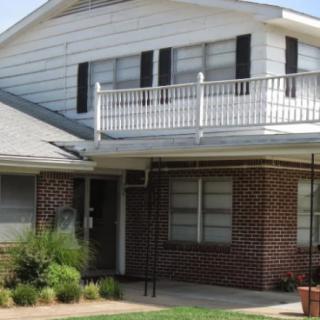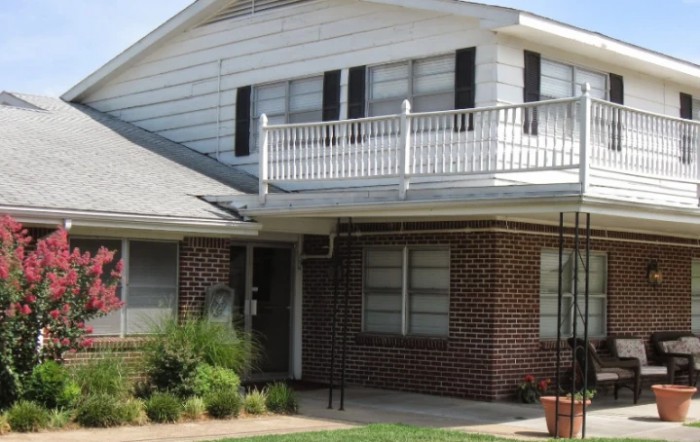
1410 North Choctaw, Dewey, OK 74029
For more information about senior living options: (866) 208-4318
Overall Review of Forrest Manor Nursing Center
Pros
 The staff at Forrest Manor is nice.
- Forrest Manor provides excellent care and is highly recommended.
- Forrest Manor's nurses, aides, staff, kitchen personnel, and the doctor are outstanding, caring, and patient, and are clearly concerned about residents' comfort.
- The staff at Forrest Manor was caring and very competent.
- The meals at Forrest Manor are very good and nutritious.
- The activities at Forrest Manor are great, and the staff are very friendly.
- The reviewer would return to Forrest Manor for future care.
Cons
 The assistant director of nursing is unprofessional.
- The entire facility smells like urine and feces.
- The place is filthy.
- There have been no renovations.
- The director of nursing is extremely rude and only cares about making money.
- They want a deceased resident out of the facility as soon as possible to fill the bed.
- This place needs to be shut down.
- The nursing home is full of cockroaches; roaches were crawling over a resident’s bedside table and bed.
Review
For families prioritizing direct, attentive caregiving and a warm daily rhythm, Forrest Manor Nursing Center in Dewey is a plausible option. The strongest through-line in the mix of reviews is the frontline nursing and support staff. Residents and families repeatedly credit nurses, aides, and the treating doctor with genuine concern, patience, and competence, especially during hospital-to-home transitions and recovery moments. When the focus is on day-to-day care, meals that are nutritious, activities that engage, and staff who appear to care more about people than profit, the fit feels solid. That said, this favorable impression comes with significant caveats that shape real-world decisions.
A practical decision requires acknowledging when management and environment fail to meet expectations. The most troubling notes across reviews center on odor and cleanliness, hallways and rooms allegedly smelling of urine and feces, together with reports of cockroach presence at bedside levels. Several reviewers describe unprofessional or rude behavior from the director of nursing and a culture of aversion to confrontation, including alleged attempts to sideline family members with power-of-attorney. These are not minor irritants; they speak to daily living quality and trust in administration. Families should be aware that administrative issues can overshadow otherwise solid clinical care if not confronted early.
The core pros, caring staff, competent nurses, and dependable meals, do help offset some concerns, but not all. Positive experiences emphasize compassionate bedside care, patient comfort, and a sense of safety during transitions from hospital to nursing home, with multiple accounts praising the medical oversight and responsive aides. However, these strengths are unevenly distributed and vulnerable to the facility’s operational gaps. When the warm, attentive care collides with persistent cleanliness problems or a perceived profit-driven posture in leadership, the overall value proposition weakens. In short, the care on the floor may be excellent, yet the environment and management cast a long shadow.
The review mix suggests that outcomes vary by unit, shift, or even individual staff. Some families report that the staff’s dedication and the quality of meals and activities create meaningful quality of life for their loved ones. Others recount distressing events, delays in notifying families after a death, aggressive attempts to override loved ones’ legal authority, and a general sense that the facility’s atmosphere is more utilitarian than nurturing. These divergent experiences are not just anecdotal; they signal systemic risks in consistency and communications. Prospective residents should weigh the likelihood of encountering the kinder, more professional care alongside the risk of rough administrative handling.
For families proceeding with Forrest Manor, a practical due diligence plan is essential. Schedule multiple visits at different times and days; speak with nursing leadership directly; request current infection control and housekeeping metrics; and tour not just common areas but resident rooms. Ask about the frequency of cleaning, pest-control records, and how quickly maintenance issues are resolved. Obtain a written care plan and a clear pathway for family involvement, including how POA situations are managed and communicated. If possible, contact recent residents or families for candid updates beyond the official tour. This approach turns subjective impressions into actionable risk assessment.
Bottom line: Forrest Manor can deliver high-caliber frontline care and engaging daily life for residents who need skilled nursing support and are drawn to an attentive staff. Yet the weight of negative reports about odors, cleanliness lapses, roaches, and administrative rigidity cannot be dismissed. For families requiring an consistently pristine environment, fully proactive leadership, and unambiguous, respectful family relations, exploring alternatives is prudent. This community is not inherently unsuitable; it is volatile where care excellence intersects with environmental and governance shortcomings. The decisive test is whether the family can tolerate the risk/benefit balance and insist on visible improvements before committing.
 116 resident community capacity
 Skilled Nursing Facility
 Air-conditioning
 Beauty salon
 Cable or satellite TV
 Computer center
 Dining room
 Fitness room
 Fully furnished
 Gaming room
 Garden
 Housekeeping services
 Kitchenette
 Move-in coordination
 Outdoor space
 Private bathrooms
 Restaurant-style dining
 Small library
 Telephone
 Wellness center
 Wi-Fi/high-speed internet available
 Community operated transportation
 12-16 hour nursing
 24-hour call system
 Activities of daily living assistance
 Assistance with bathing
 Assistance with dressing
 Assistance with transfers
 Diabetes diet
 Medication management
 Mental wellness program
 Special dietary restrictions
 Concierge services
 Planned day trips



 Is a Geriatric Care Manager the Right Choice for Your Family?
 Compassionate Conversations: How to Comfort Someone Who Is Grieving
 Home Health Care Aides: Understanding Their Role and Supporting Your Family