
505 South 7Th Street, Davis, OK 73030
For more information about senior living options: (866) 208-4318
Overall Review of Burford Manor
Pros
 The staff have been very pleasant and as helpful as they can be.
- The staff speak of residents with genuine affection.
- Families are grateful for the care their loved ones receive from the staff.
- The reviewer was pleasantly surprised by the welcoming atmosphere upon arriving.
- The staff take very good care of residents, including keeping them clean and comfortable.
Cons
 The facility is very poorly staffed; two aides on nights is nowhere near enough and probably a violation.
- The staff lied about two assault incidents.
- Residents endured four days with no shower.
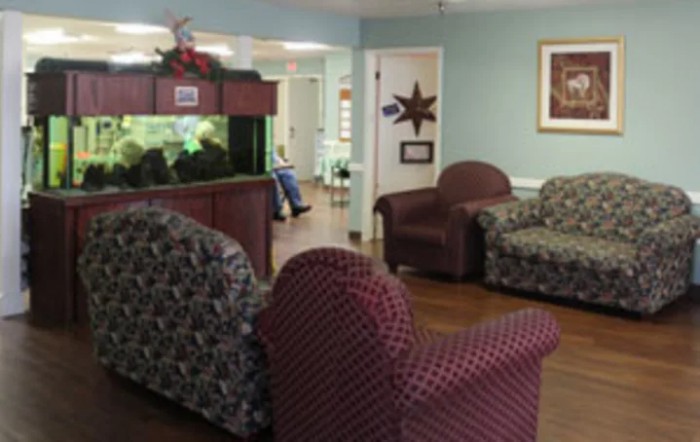
- The paint in the facility is horrific and appears damaged by water.
- The air conditioning goes out regularly.
- Mold is in shower rooms, and carpet and dining chairs are filthy.
- They forced feeding a relative and allowed multiple bed sores, leading to death.
- They attempted to scare the family into paying for costs Medicare/Medicaid did not cover.
- This place is the worst nursing home the reviewer has ever seen.
Review
Burford Manor in Davis, Oklahoma is best suited for families seeking a small, hands-on care environment where frontline staff can form real connections with residents and daily life centers on approachable caregiving rather than glossy amenities. This community tends to reward families that value warmth, personal attention, and the comfort of a familiar routine over clinical polish. The strongest signal is in the front-line teams, aides and care staff, who, in several accounts, exhibit genuine concern for residents and a willingness to go the extra mile even when resources are stretched. For a resident who does not require highly specialized medical oversight but relies on steady daily support and social engagement, Burford Manor can feel like a human-scale option.
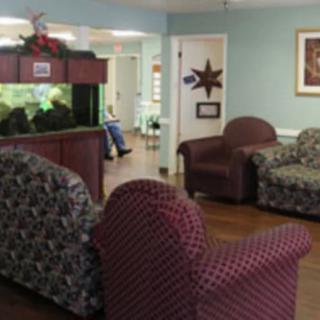
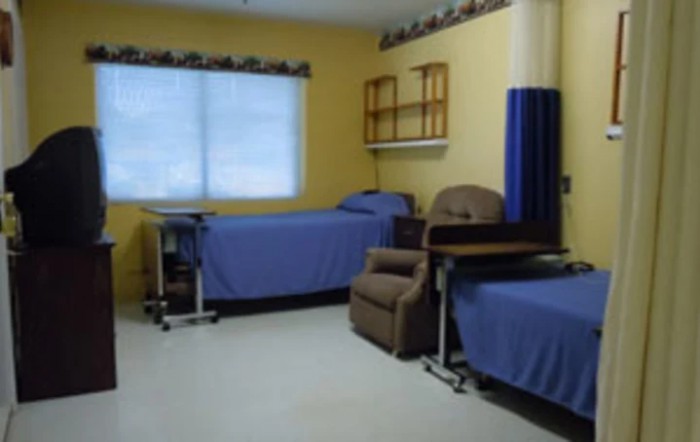
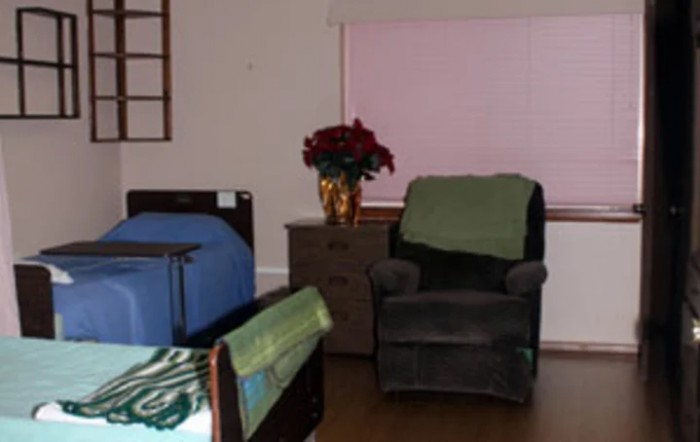
Yet the balance tips heavily toward caution in multiple domains. Staffing instability and perceived administration gaps repeatedly surface in reviews, with troubling allegations ranging from long stretches without showers to delayed responses in emergencies. Residents have even faced hygiene failures, mold in bathrooms, and persistently failing climate control. The physical environment shows signs of neglect, chipped paint, worn furnishings, and outdated interiors, that compound discomfort and dignity concerns. Critically, families hear about under-resourced night coverage, sometimes two aides on duty, which raises red flags for anyone with higher care needs or mobility challenges. These patterns make reliability a central concern.
Among the mixed feedback, a notable thread is the sincerity of the staff and the moments when residents are treated with kindness. One account describes a caregiver team that, despite stress and workload, speaks about residents with affection and tries to create meaningful daily moments, such as shared meals and attention to personal needs. Another family member experienced a reunification moment where the staff’s care helped a frail relative, reinforcing that the team can deliver real human comfort when capacity allows. These anecdotes demonstrate that, in the strongest days, the culture here centers on empathy and a willingness to see residents as people, not simply as tasks.
However, the negative experiences overwhelm the positives for most decision-makers. Claims of forced feeding, untreated bed sores, and neglectful hygiene practices are the kind of outcomes no family can accept. The combination of a high number of reviews rating it poorly, ongoing facility maintenance concerns, and administration that appears out of step with resident safety creates a risk profile that is hard to reconcile with dependable care. Issues such as recurring air-conditioning outages, stagnant dining areas, and furniture that harbors mold contribute to an environment that feels unsafe for vulnerable seniors. When families hear that basic needs, cleanliness, dignity, timely assistance, are not consistently met, the perceived quality gap becomes unacceptable for many.
The truth is that the pros offer fragments of value, a respectful, caring ethos among many staffers and opportunities for genuine connection, yet they rarely compensate for the scale of the cons. For residents with moderate dependence but stable medical needs, Burford Manor might suffice on a day-to-day basis during periods of good staffing, but the risk is persistent and systemic enough to undermine long-term confidence. The mismatch between heartfelt care and operational deficiencies means families should prepare to confront gaps in safety, upkeep, and administration. In other words, the positives do not neutralize the core concerns about consistent, professional care and environmental standards.
For families weighing Burford Manor, the prudent path is thorough due diligence before committing. Visit in person, observe night-shift coverage, and talk to current residents and families about incident history and how quickly needs are met. Request recent inspection reports, ask for concrete staffing ratios, and inspect cleaning schedules, room conditions, and heat/air reliability. If those assurances seem elusive or the responses feel rehearsed, alternatives with stronger staffing discipline, better maintenance, and proven safety records should be prioritized. Options with more robust clinical oversight or modern facilities may deliver greater predictability, even if they lack the same intimate, staff-driven warmth that Burford Manor can sometimes show.
 73 resident community capacity
 Skilled Nursing Facility
 Air-conditioning
 Beauty salon
 Cable or satellite TV
 Computer center
 Dining room
 Fitness room
 Fully furnished
 Gaming room
 Garden
 Housekeeping services
 Kitchenette
 Move-in coordination
 Outdoor space
 Private bathrooms
 Restaurant-style dining
 Small library
 Telephone
 Wellness center
 Wi-Fi/high-speed internet available
 Community operated transportation
 12-16 hour nursing
 24-hour call system
 Activities of daily living assistance
 Assistance with bathing
 Assistance with dressing
 Assistance with transfers
 Diabetes diet
 Medication management
 Mental wellness program
 Special dietary restrictions
 Concierge services
 Planned day trips







 Understanding Hospice Care at Home: Comprehensive Services, Key Benefits, and Eligibility
 Understanding the Full Cost of 24/7 In-Home Care: A Detailed Overview
 Exploring the World of Home Health Nurses: Qualifications, Roles, and Hiring Tips