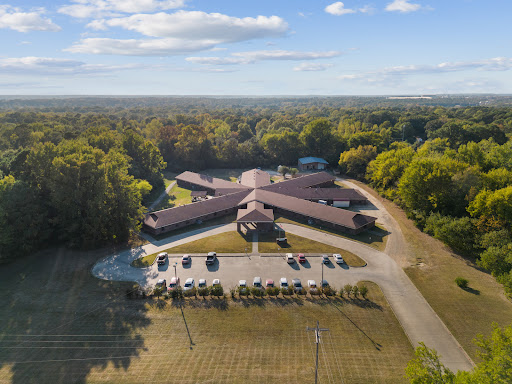
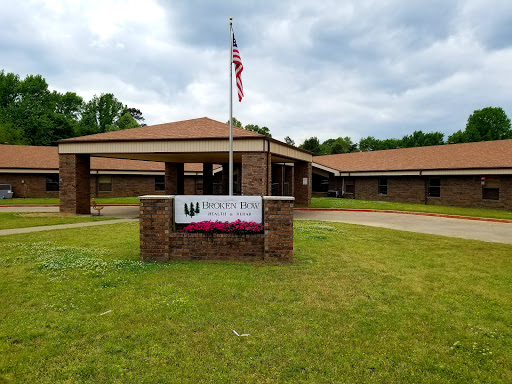








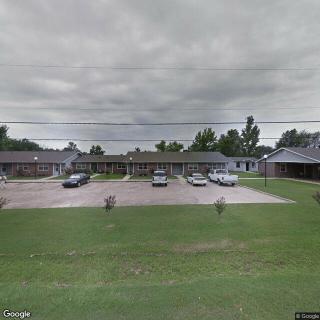
700 West Jones, Broken Bow, OK 74728
For more information about senior living options: (866) 208-4318
Overall Review of Broken Bow Nursing Home
Pros
 The staff are caring and attentive to residents' needs.
- The facility is consistently clean.
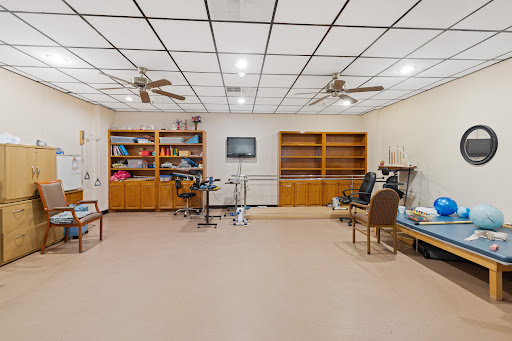
- BBHR's newly revamped rehab department has helped multiple residents return home.
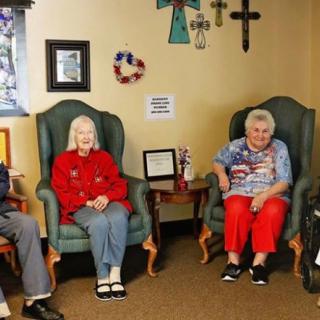
- The staff treat residents like family and look out for their well-being.
- The rehabilitation program helps residents regain strength and mobility.
Cons
 The place is described as the worst place to live with an endless list of problems.
- It is claimed that staff do not check on stroke patients for hours, risking another stroke and late intervention.
- The facility should be shut down for good, not resold, and bulldozed.
- An old lady’s legs are alleged to have been broken by staff who covered it up for days.
- The establishment is criticized as rude, hateful, and incompetent.
- Kim Dye is called the rudest person encountered, treating the elderly poorly and threatening to involve the police.
- No one answers the phone and the facility cannot be reached.
- It is claimed that Faith Roan and Jon Stewart, as employees, should not be allowed to write reviews.
Review
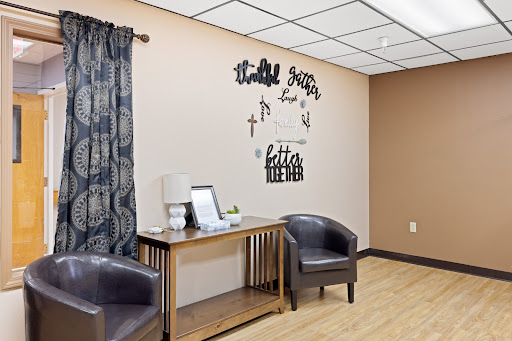
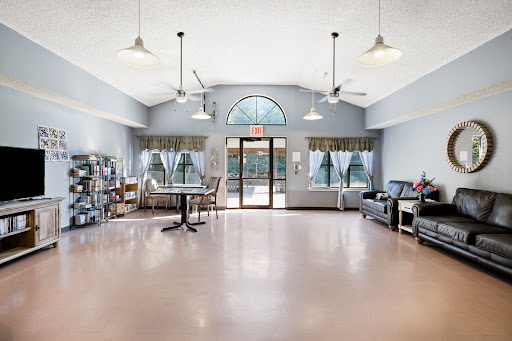
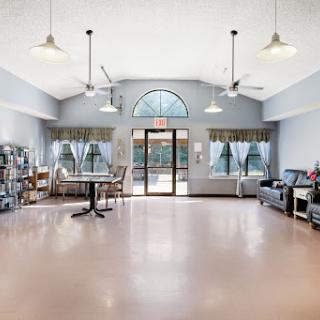
Broken Bow Nursing Home is best suited for families prioritizing short-term rehabilitation and a warm, caregiver-first staff environment, especially when the goal is to restore mobility and discharge back home. The facility has been under new ownership with a revamped rehab department and visible facility improvements, including remodeled resident spaces. For families who want to see tangible rehab progress, and who value a culture where some staff genuinely express a “tamily” feel toward residents, this site can deliver meaningful gains. However, it is not ideal for those who require steady, highly proactive supervision and consistently reliable administrative responsiveness day in and day out.
Those who should consider alternatives are families who need unwavering safety nets and rapid problem resolution. Several reviews flag serious communication gaps, phones not answered, administrative friction, and inconsistent accessibility to staff or management. For residents with high fall risk, unpredictable medical needs, or a history of requiring constant monitoring, the inconsistencies in response and oversight can be a deal-breaker. In addition, allegations of neglect and a safety incident described as a broken leg by staff, later allegedly concealed, should trigger serious caution and independent verification before committing long-term.
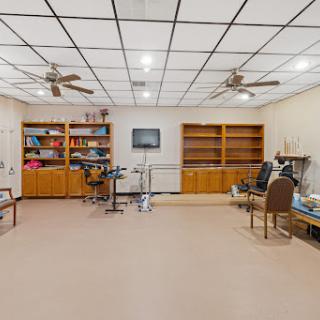
On the upside, the strongest argument to consider this community is the rehab track record and the therapy staff. Independent and unit-level praise for physical therapists and other therapists is hard to overlook, with multiple accounts of residents regaining strength and returning home after therapy. Cleanliness and a generally respectful tone from many staff members add a layer of comfort, and the new rehab program is positioned as a genuine pathway to discharge rather than mere custodial care. The remodels and a claimed culture of treating residents like family further reinforce that rehab-focused care can be hands-on and goal-oriented when the right staff are aligned with residents’ discharge plans.
Yet the main cons persist as meaningful obstacles. The most troubling themes center on safety and reliability: rumors of inadequate monitoring for post-stroke residents, serious accusations of mishandling injuries, and a pattern of communication failures that leave families frustrated and uncertain. The contrast between consistently positive therapy accolades and occasional reports of rude or unhelpful interactions with certain staff leaders creates a troubling inconsistency. From a decision perspective, safety, trust, and timely communication must not be compromised, and those dimensions appear uneven in the current landscape.
Families should approach a decision with a clear checklist. Verify the current ownership and management structure and ask for recent state inspection outcomes, incident reports, and how the facility handles alleged abuse or neglect. Request detailed staffing patterns, including nurse and aide ratios, and inquire how rehab goals are set, tracked, and communicated to families. Visit at different times and speak with multiple residents and families about whether calls and messages are returned promptly. Seek concrete examples of discharge planning success, and ask for a tour of rehab facilities, therapy equipment, and therapy schedules to gauge whether real progress toward home is realistic.
In the final analysis, this community can be a solid choice for those whose primary aim is effective rehabilitation guided by a compassionate therapy team and who can tolerate some variability in administrative responsiveness. It is less suited for residents requiring constant, proactive oversight and for families unwilling to navigate potential gaps in communication or safety concerns. If discharge potential and a home-like therapeutic culture are non-negotiables, this facility deserves thorough due diligence and ongoing monitoring. If not, exploring other local options or combining facility care with aggressive family oversight or home health support may yield a safer, more predictable path.
 105 resident community capacity
 Skilled Nursing Facility
 Air-conditioning
 Beauty salon
 Cable or satellite TV
 Computer center
 Dining room
 Fitness room
 Fully furnished
 Gaming room
 Garden
 Housekeeping services
 Kitchenette
 Move-in coordination
 Outdoor space
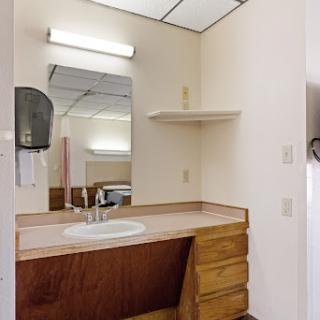
 Private bathrooms
 Restaurant-style dining
 Small library
 Telephone
 Wellness center
 Wi-Fi/high-speed internet available
 Community operated transportation
 12-16 hour nursing
 24-hour call system
 Activities of daily living assistance
 Assistance with bathing
 Assistance with dressing
 Assistance with transfers
 Diabetes diet
 Medication management
 Mental wellness program
 Special dietary restrictions
 Concierge services
 Planned day trips



 A Detailed Exploration of Living Wills and Advance Directives
 Comprehensive Guide to Medicare Coverage for Hospice Care
 Caring for Those Who Care: Recognizing, Understanding, and Overcoming Caregiver Burnout