
411 South 4Th Street, Barnsdall, OK 74002
For more information about senior living options: (866) 208-4318
Overall Review of Barnsdall Nursing Home
Pros
 The residents seem very happy.
- It’s a very small and homey environment.
- The staff were friendly and helpful.
- It was clean.
- He wasn’t ready to leave.
Cons
 The building itself should be condemned.
- When it rains they put buckets in the floor instead of fixing the roof.
- The grandfather's dental health deteriorated after staying at the Barnsdal nursing home, and there was no formal response.
- There were bed bugs and a refusal to honor basic human rights.
- Daniel Lawson is nothing more than a predator.
- He backed a 90-year-old grandmother into a corner, disregarded her feelings, and forced her into an ultimatum that she found uncomfortable.
- The reviewer would not want their relatives to go there.
Review
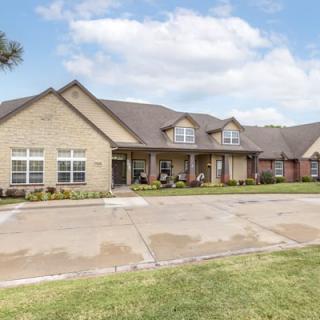
Barnsdall Nursing Home in Barnsdall, Oklahoma is best suited for families that prize a small, home-like atmosphere where residents are familiar with staff and peers, and where daily life feels intimate rather than institutional. The facility can deliver genuine warmth in a setting that feels more like a private home than a sprawling campus. For seniors who tolerate a lower-key operation and for families willing to stay actively involved to ensure consistency, the environment can be workable. This is not a facility built around aggressive medical programs or glossy efficiencies; it favors personal touch and a relaxed pace. Those who require rigorous oversight, modern infrastructure, or highly structured care planning should look elsewhere.
There are clear reasons to consider alternatives. The most conspicuous red flags arise from concerns about safety, maintenance, and accountability. Several reviews describe a building in severe disrepair, including rain leaks that allegedly compel the use of buckets indoors. Pests are mentioned, with claims of bed bugs, which raises serious questions about sanitation and comfort for residents who already contend with health vulnerabilities. Additionally, at least one account portrays serious abuse of power by a staff member, including coercive behavior and a lack of responsiveness to family concerns. Taken together, these reports signal potential for unsafe conditions and an administration that may not consistently address critical issues.
On the positive side, the strongest arguments lie in the human scale of the operation. When the environment is in their favor, residents and families report a clean space and staff who are friendly and helpful, with simple, direct interactions that create a sense of community. A family member noted that their father’s stay was clean and that the staff were attentive, suggesting that personal care and daily routines can be well managed in the right moments. In smaller, homey settings like this, residents often benefit from staff who know their preferences, routines, and histories. Those benefits are real, and they do translate into meaningful quality of life for individuals who do not require intensive medical management.
Yet the cons pose a serious counterweight. The most consequential concerns revolve around safety, facility condition, and governance. The reports of a condemned-looking building, persistent leaks, and pests threaten health and comfort, particularly for seniors with mobility issues or chronic illnesses. The allegations about mistreatment and rights violations compound the risk, making it essential for any prospective family to demand transparency, accountability, and concrete remediation plans before admission. Without credible assurances that these issues have been addressed or are being monitored with rigor, the drawbacks far outweigh the positives for most families.
The key question becomes whether the pros can meaningfully offset the cons, and under what conditions. If family members are willing to maintain a strong, hands-on oversight role, visiting regularly, requesting detailed maintenance and pest-control records, and insisting on clear incident and response documentation, the warm, intimate atmosphere can coexist with safer operations. A potential resident who requires only light, routine care and who can benefit from a small-community dynamic may find value in the personal attention and familiar faces. A short-term trial or a highly structured admission plan could help determine fit without exposing a vulnerable senior to ongoing concerns about safety and maintenance.
In the end, Barnsdall Nursing Home presents a bifurcated choice. For families prioritizing atmosphere, personal connection, and a sense of belonging within a small home-like setting, it can be a good match, provided there is vigilant oversight and a credible path to resolving maintenance and safety deficiencies. For those who cannot accept the specter of structural deterioration, pests, and contentious governance, alternatives with stronger safety records, transparent administration, and proactive maintenance are strongly advised. The decision should hinge on the ability to verify immediate, ongoing improvements and on the willingness to insist on accountability in every facet of care.
 40 resident community capacity
 Skilled Nursing Facility
 Beauty salon
 Cable or satellite TV
 Dining room
 Fully furnished
 Garden
 Housekeeping services
 Kitchenette
 Move-in coordination
 Outdoor space
 Restaurant-style dining
 Small library
 Telephone
 Wi-Fi/high-speed internet available
 24-hour call system
 Activities of daily living assistance
 Assistance with bathing
 Assistance with dressing
 Assistance with transfers
 Diabetes diet
 Medication management
 Mental wellness program
 Special dietary restrictions
 Skilled Nursing Facilities vs. Nursing Homes: Making Sense of the Differences
 A Detailed Examination of Nursing Home Costs Across the U.S.
 Exploring Nonmedical Home Care: Understanding Services, Costs, and Financial Approaches